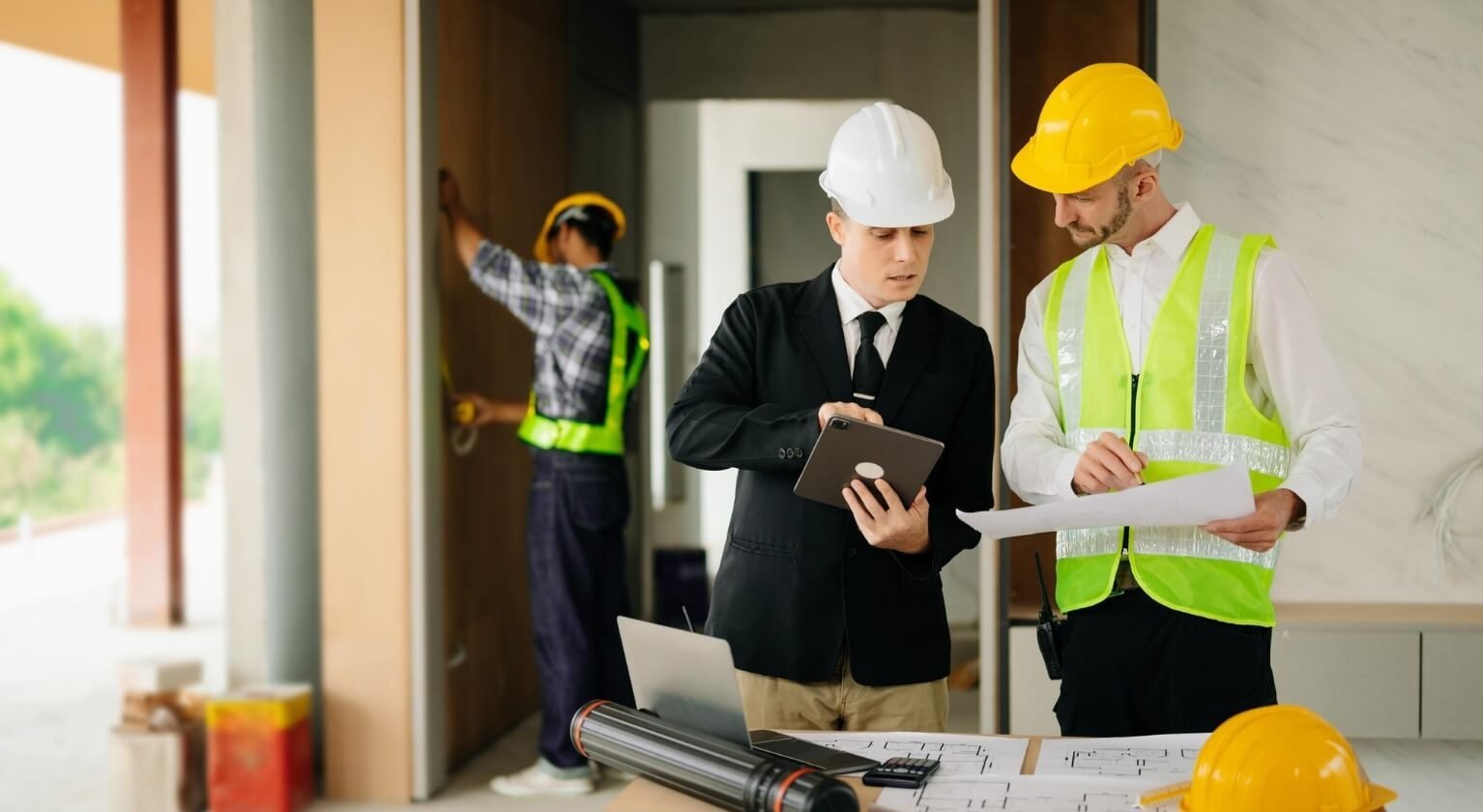
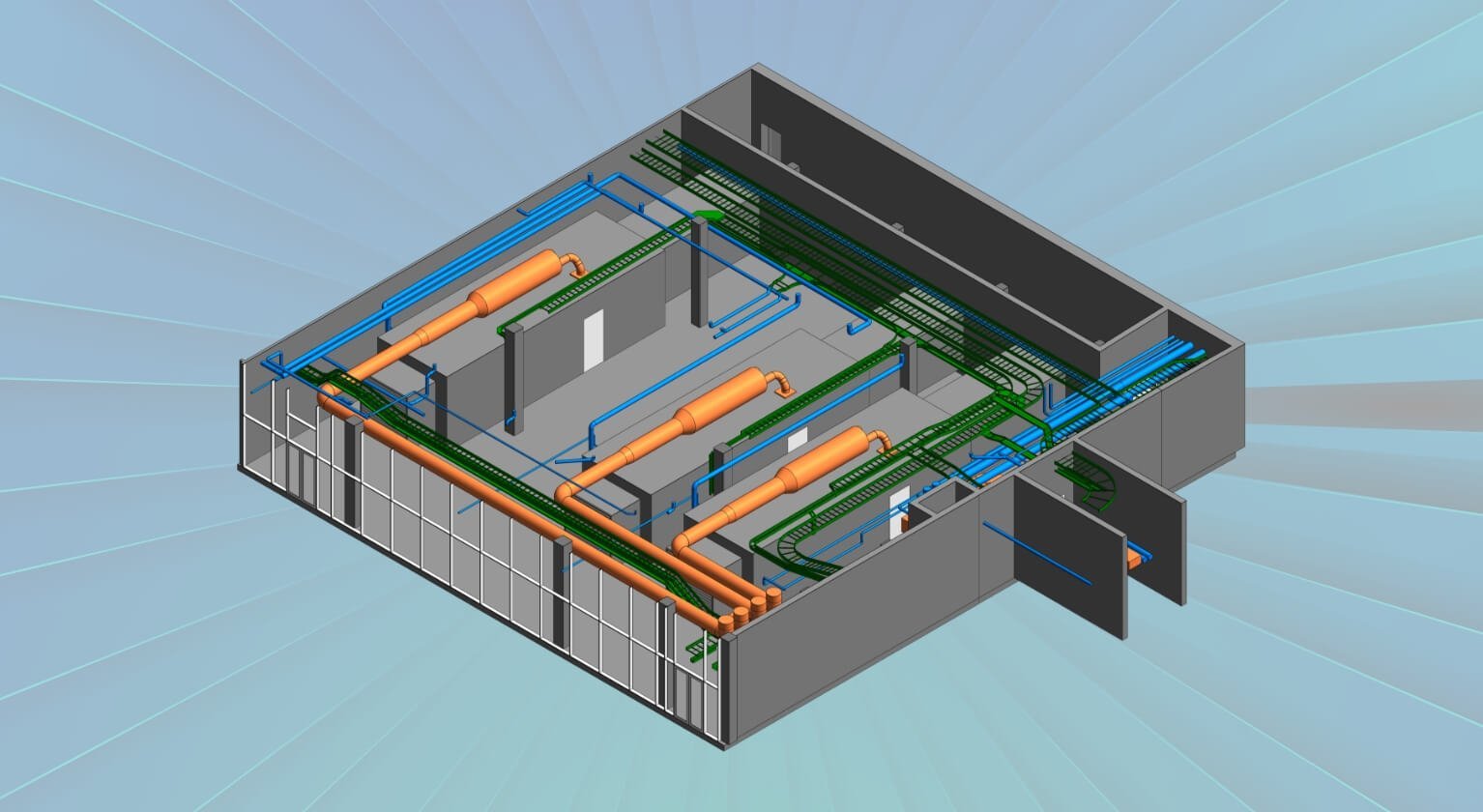
MEP Services - Uniquescadd

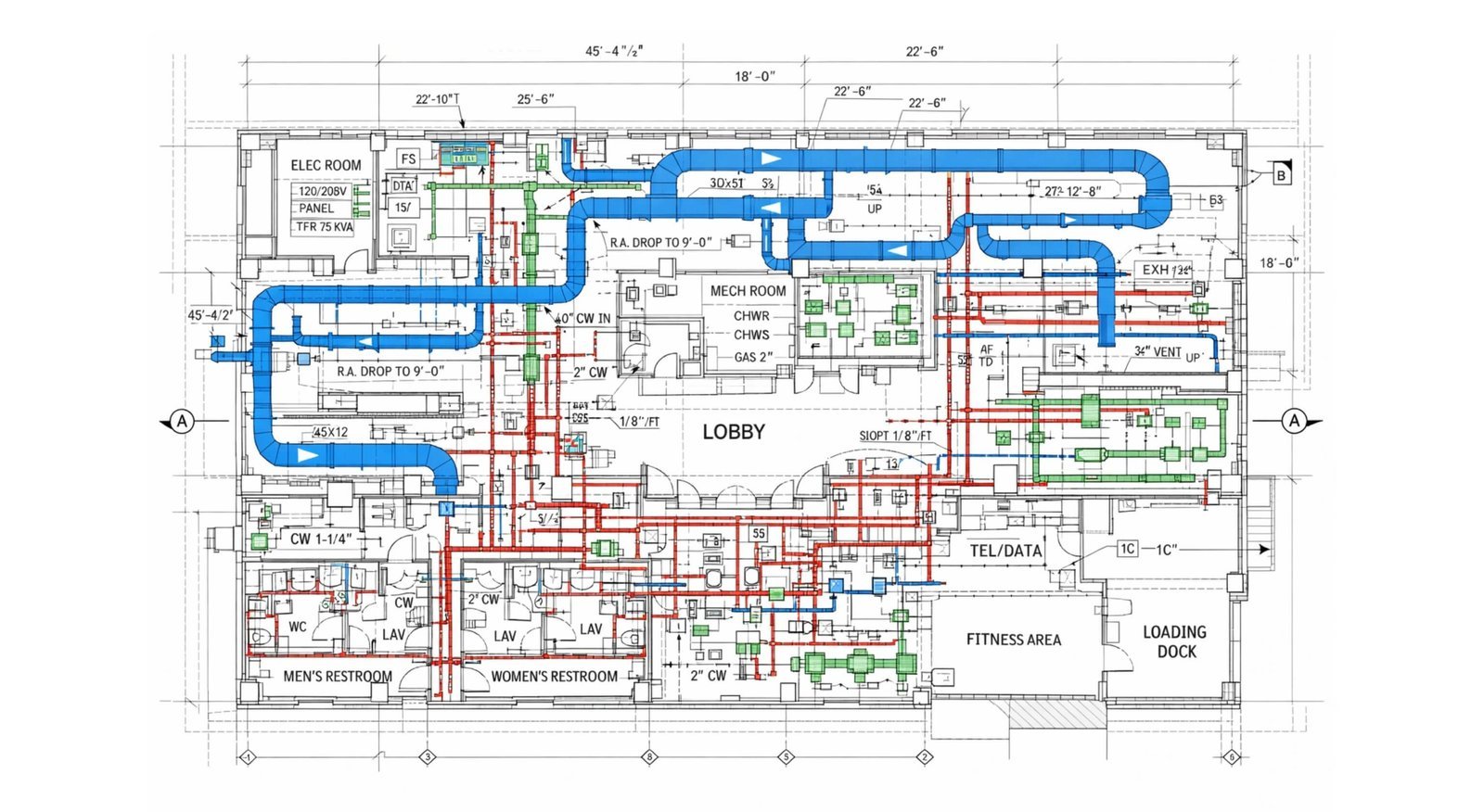
Importance of MEP Drafting for Commercial and High-Rise Buildings

Any construction project demands precision and efficiency, as they are key pillars of project success. In the AEC landscape, there are various construction projects that differ from one another. Commercial, residential, industrial, and other types of projects have different sets of guidelines that are evident to follow. Since every project demands MEP precision, it is the heart of the construction process.

Constructing only a structure isn’t the end goal, but making the infrastructure functional is very important. It is impossible to live in a building that isn’t functional in terms of insufficient water flow, electricity, ventilation, and more. All this makes the building a functional and livable environment for occupants. Nonetheless, MEP components must be installed without any clashes, conflicts, and maintain harmony to avoid any mishappenings in the property.​

To ensure components are seamlessly integrated into designs, MEP BIM services are a comprehensive approach that enables professionals to minimize the scope of errors through enhanced visualization. Due to complexity, MEP components are technically curated for engineers to understand. Here, the MEP drafting services are a game-changer for architects, engineers, and other professionals. The complex nature of MEP demands precision and efficiency, which are key to project success.​

In the modern AEC realm, commercial properties have varying designs and guidelines, although MEP disciplines must adhere to commercial infrastructure design standards. Commercial MEP drafting is a holistic approach that helps to minimize errors and ensure a smoother construction process according to design. Moreover, commercial building designs in the modern era are complex and consist of curved architecture contributing to minimalism, aesthetics, and modern-looking infrastructure. As a matter of fact, high-rise building MEP design and commercial building design ensure the infrastructure safety, longevity, efficiency, and more.

In the modern construction landscape, a building is more than just walls and a roof; it is a complex, living organism. MEP BIM drafting acts as the central nervous system of this organism, providing the technical blueprints that ensure a structure is breathable, powered, and functional.

Let’s explore in detail how MEP drafting has evolved from simple 2D line drawings into high-fidelity, data-rich 3D models that predict a building’s performance before on-ground work begins.

Efficiently Manage High Rise Building with MEP Drafting

bim services

What are MEP Drafting Services?

In the vast and evolving fields of architecture and construction, drawings are a major part. Traditionally speaking, constructing a commercial use infrastructure took a significant amount of time in competing. Due to manual methods of measurement and labour, the traditional approach was costly as well as prone to errors. With significant transformation, it was replaced by BIM services that enable AEC professionals to enhance communication, coordination, visualization, and approaches to constructing infrastructure. Today, BIM has become an irreplaceable technology that has evolved with time. However, it doesn’t mean drawings or technical sketches have vanished. MEP shop drawings for separate disciplines are key factors in the installation of MEP components in modern architecture.

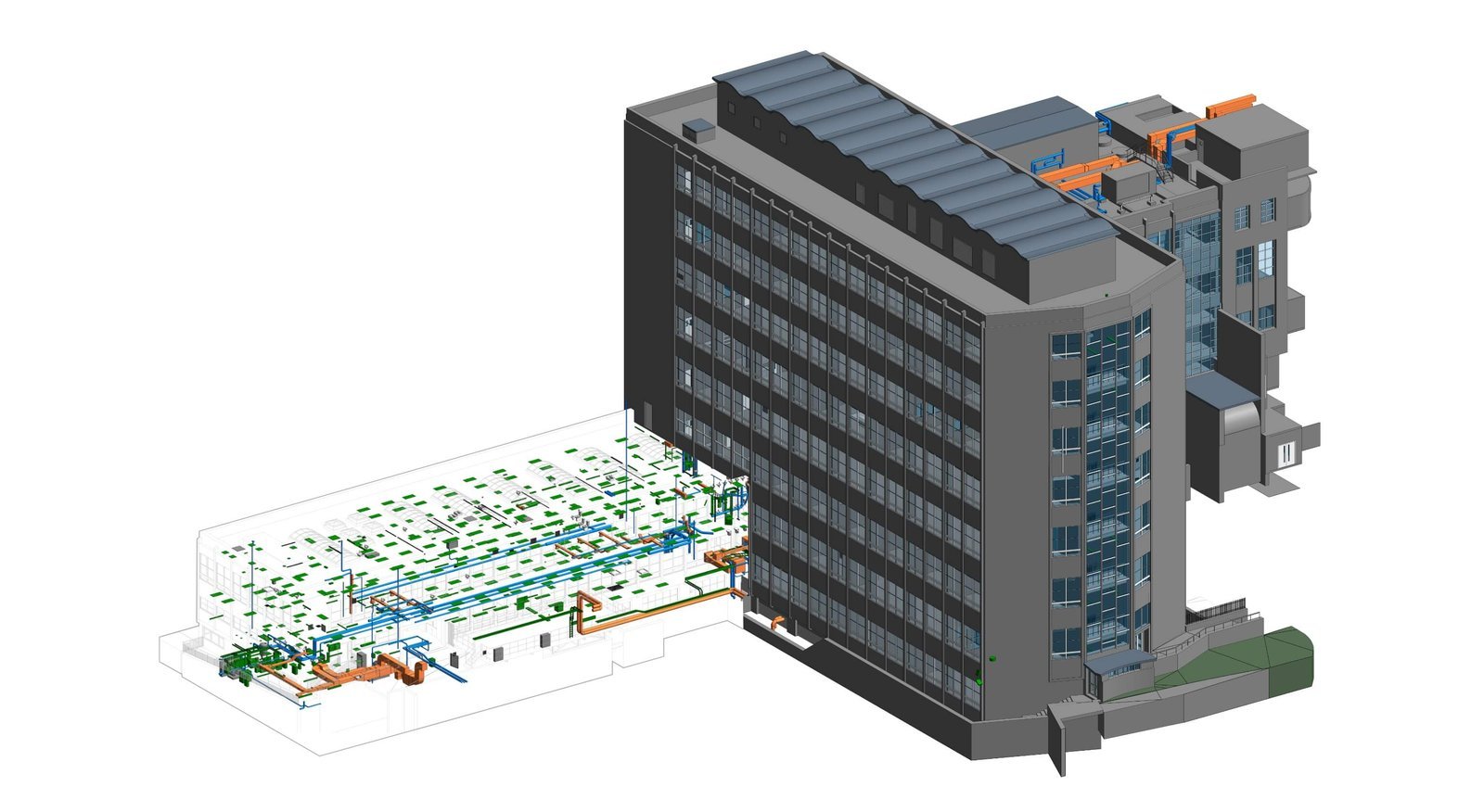
MEP BIM drafting services (Mechanical, Electrical, Plumbing)create detailed technical drawings and 3D models for a building’s essential life-support systems, ensuring HVAC, power, lighting, water, and waste systems are precisely designed, coordinated, and installed for safety, efficiency, and compliance with codes, using software like CAD/BIM to integrate everything seamlessly with architectural plans. These plans guide contractors, prevent costly errors, and ensure occupant comfort and building functionality. MEP drafting services involve creating detailed technical drawings and models for the three core pillars of building infrastructure:​

  • Mechanical (HVAC): Design and layout of Heating, Ventilation, and Air Conditioning systems, including ductwork, chillers, and exhaust systems.
  • Electrical: Power distribution, lighting layouts, emergency power systems, and telecommunications wiring.
  • Plumbing: Water supply, drainage, sewage, gas piping, and advanced fire protection systems (sprinklers).

These three components, along with fire safety, play a crucial role players in successful building design. The significant use of BIM and MEP drafting, construction drawings enables the conversion of engineering outlooks for functional building design. Let’s understand the basic shift and the further importance of commercial MEP drafting.

The Shift to BIM; Building Information Modeling

Traditional CAD (Computer-Aided Design) is being rapidly replaced by BIM (Building Information Modeling). While CAD provides the “geometry,” BIM provides the “intelligence.”​

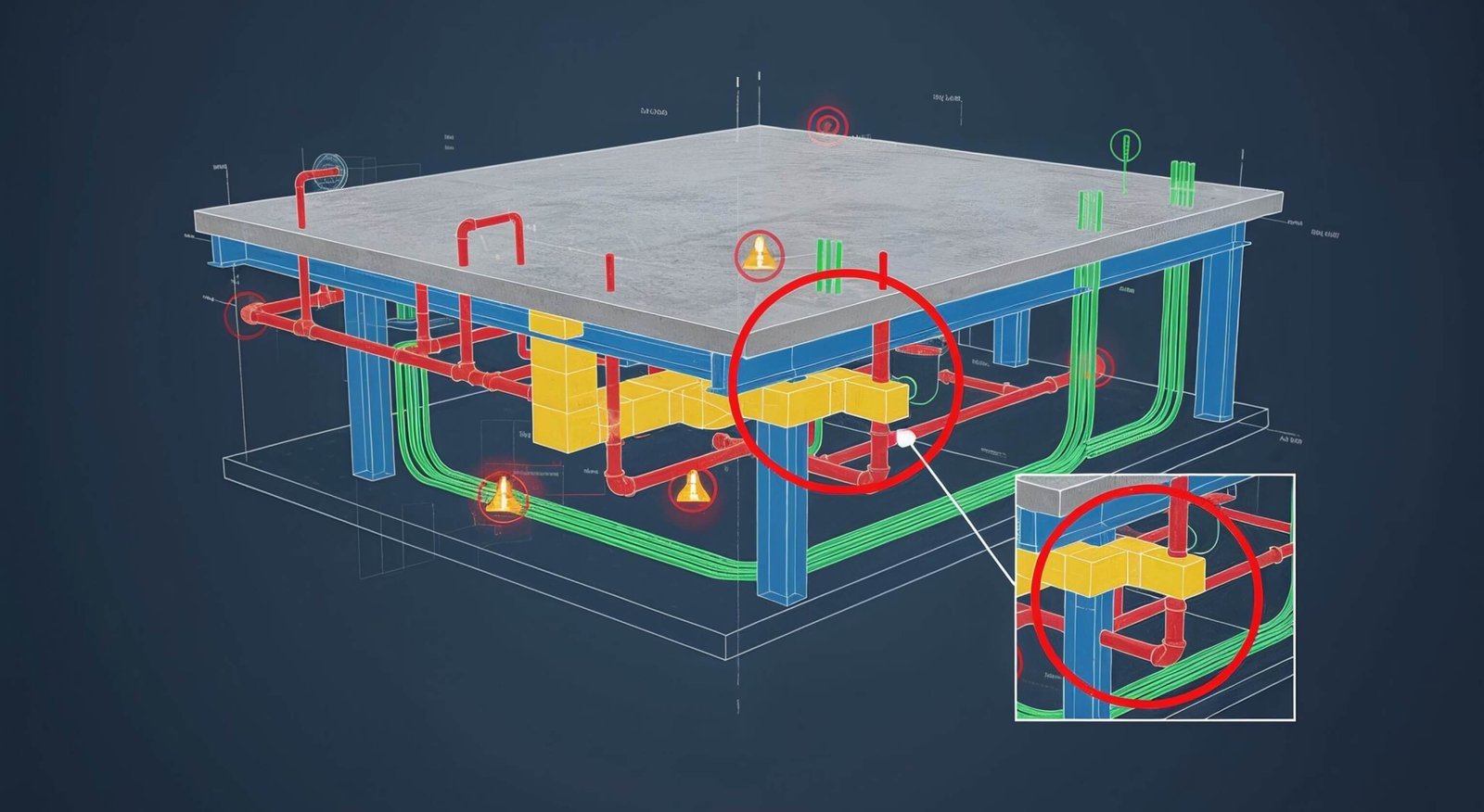
In a BIM environment, a pipe isn’t just a line; it contains data about its material, manufacturer, flow rate, and maintenance schedule. This enables Automated Clash Detection, where software like Autodesk Navisworks automatically flags when a plumbing pipe runs through an electrical panel, saving thousands in on-site rework.​

Key Benefits of Professional MEP Drafting

Advantages of MEP Drafting Approach

Cost Optimization
Safety & Compliance
Energy Efficiency
Long-term Maintenance
  • Cost Optimization: Precise material lists (Bill of Quantities) prevent over-ordering and minimize waste.
  • Energy Efficiency: Accurate drafts enable engineers to simulate airflow and thermal loads, leading to “Green Building” certifications such as LEED.
  • Safety & Compliance: Ensures all layouts adhere to strict local building codes, fire safety standards, and electrical regulations.
  • Long-term Maintenance: Facility managers use these drafts as “digital twins” to locate hidden leaks or faulty wiring decades after construction.​

MEP Drafting for Commercial Building

Mechanical, Electrical, and Plumbing (MEP) systems are the “central nervous system” of any modern structure. In the context of commercial complexes and high-rise buildings, these systems become exponentially more complex.​

While a small residential home might function with basic layouts, a 50-story skyscraper or a sprawling shopping mall requires surgical precision. This is where MEP Drafting—the process of creating detailed technical drawings and 3D models—becomes the difference between a high-performing asset and a logistical nightmare.

MEP Drafting Aspect in Commercial Building

Navigating Vertical Complexity
Energy Efficiency and Sustainability
Safety and Regulatory Compliance
Facilitating Long-Term Maintenance
Clash Detection: Saving Millions Before Breaking Ground

Navigating Vertical Complexity

High-rise buildings face unique physical challenges that standard buildings do not. MEP drafting is essential to manage the “stacking” of services across dozens of floors.

  • Pressure Zoning: In a high-rise, gravity creates immense pressure in plumbing and HVAC systems. MEP drafts specify where to locate pressure-reducing valves (PRVs) and booster pumps to ensure a person on the 40th floor has the same water pressure as someone on the 1st floor.
  • Vertical Shaft Coordination: Space is at a premium in commercial real estate. MEP drafting allows engineers to pack HVAC ducts, electrical risers, and plumbing stacks into tight vertical shafts without them physically overlapping.

Clash Detection: Saving Millions Before Breaking Ground

In commercial construction, a “clash” occurs when two building elements—for example, a large air conditioning duct and a structural steel beam—are designed to occupy the same space.

  • The Cost of Errors: Resolving a clash on-site can cost thousands of dollars in labor and materials.
  • The Digital Solution: Through BIM (Building Information Modeling) and advanced MEP drafting, these conflicts are identified in a digital “twin” of the building. Drafters can reroute a pipe or adjust a ceiling height on a screen for free, rather than tearing down a wall on the construction site.

Energy Efficiency and Sustainability

Commercial buildings are massive energy consumers. Detailed MEP drafting is the primary tool used to hit LEED certification or green building standards.

  • Optimized Routing: Shorter, more direct duct and pipe runs reduce the energy needed to move air and water.
  • Integrated Systems: Drafts allow integration of smart sensors, LED lighting controls, and high-efficiency VRF (Variable Refrigerant Flow) systems that respond to building occupancy in real time.

Safety and Regulatory Compliance

For high-occupancy commercial spaces, safety isn’t optional—it’s heavily regulated. MEP drafting ensures that life-safety systems are fail-proof.

  • Fire Protection: Drafts detail the exact placement of sprinklers, smoke detectors, and fire alarms, ensuring 100% coverage in accordance with local fire codes.
  • Emergency Power: In high-rises, elevators and emergency lighting must work during a power failure. Drafting ensures that backup generators and redundant electrical circuits are correctly routed to critical areas.

Facilitating Long-Term Maintenance

A commercial building’s lifespan is 50+ years. MEP drafts (specifically “As-Built” drawings) serve as the ultimate owner’s manual for facility managers.

  • Precision Repairs: When a leak occurs on the 15th floor of a commercial tower, maintenance teams don’t have to guess where the pipes are. They refer to the MEP drafts to pinpoint the exact valve or junction box.
  • Future Renovations: If a new commercial tenant wants to install a commercial kitchen or a server room, accurate MEP drafts show the landlord exactly how much power and drainage capacity is available in that specific zone.

Outsourcing MEP Drafting for Precision

As briefly discussed, MEP construction drawings and drafting are essential to ensure their accuracy and efficiency. Moreover, MEP coordination drawings, drafting, and BIM require expertise, knowledge, and the latest technology. While AEC firms are occupied with a variety of tasks on a project, outsourcing is one holistic approach for professionals. Nonetheless, outsourced MEP drafting services have become quite common in the AEC field, allowing experts to overcome common technical challenges and ensure a smooth construction process. By having accurate, detailed drawings, AEC professionals face fewer conflicts, avoid costly rework, and reduce clashes.

Clash-free MEP drafting design with a team of professionals contributes to streamlining the MEP disciplines into a BIM model without any major design changes. Outsourcing MEP BIM drafting services helps AEC firms to enhance the overall construction process with quality, safety, and precision. Moreover, it is a cost-effective approach that allows AEC professionals to focus on the project’s core task. For commercial high-rise MEP drafting, partnering with a reliable BIM service provider brings a plethora of benefits, such as

  • Dedicated team
  • Streamlined flow
  • Expertise knowledge
  • Cost efficient
  • Quick project turnaround
  • Specialized team
  • Latest technology use

UniquesCADD is a top BIM company with specialization in BIM services and MEP drafting services. With significant years of experience and a professional team, UniquesCADD aims to offer accurate and efficient drafting services for commercial, industrial, and residential project types.

Conclusion

MEP drafting is no longer just a “support” task; it is a foundational requirement for modern architecture. For developers, it reduces risk and overhead; for contractors, it provides a clear roadmap; and for occupants, it ensures a safe, comfortable, and efficient environment.

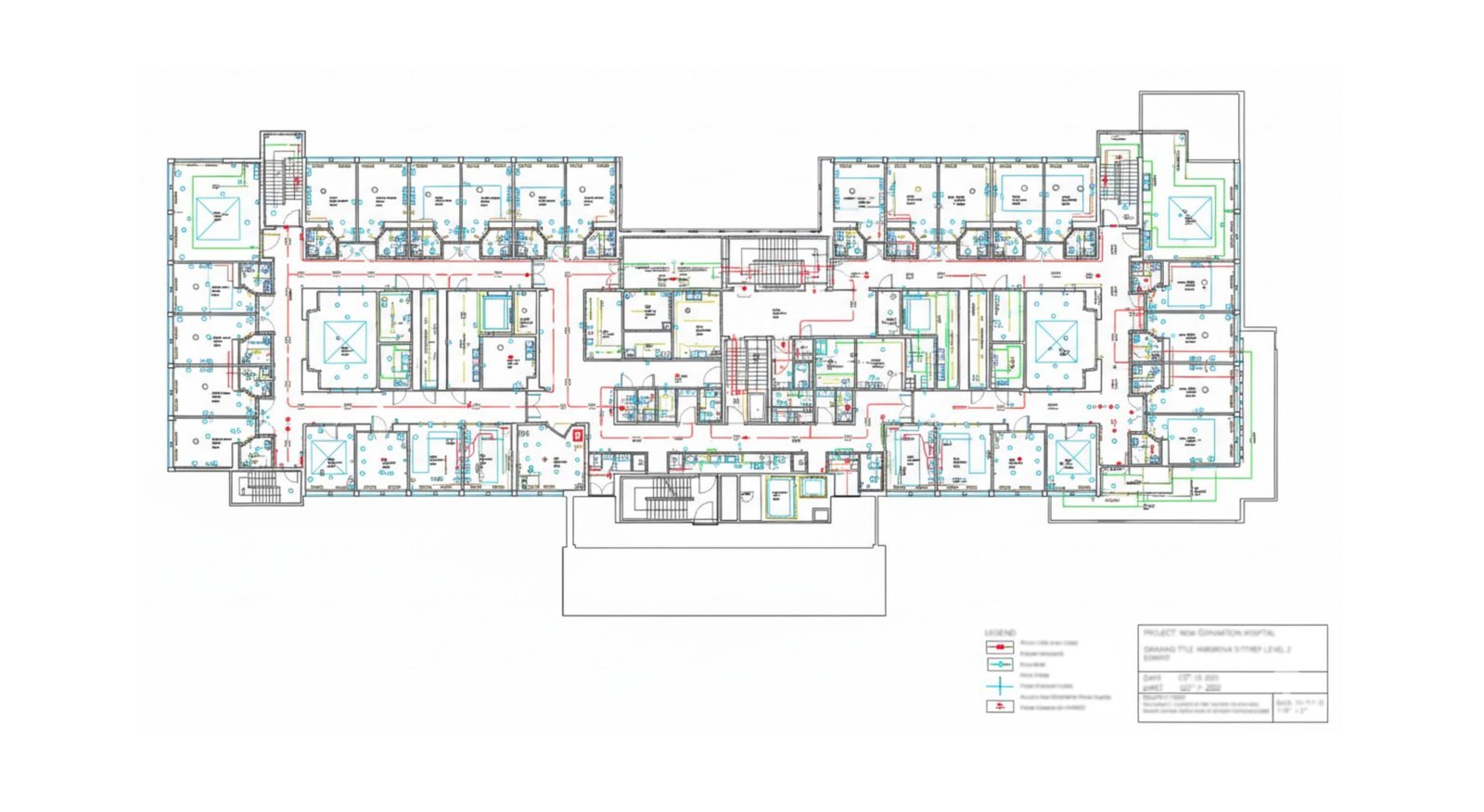
Role of MEP Drafting in Hospital and Healthcare Facility Design

The architecture and construction realm has witnessed transformations that have not only led to accurate results but also up-scaled the industry. Modern, sleek design today is a key part of the architecture and construction sector, uniquely blending with sustainability, efficiency, and reliability. Looking back in history, keenly designed architecture is a significant part of the industry as an intricate work of art for new AEC professionals.

AEC landscapes have adopted and advanced with technology and innovation, replacing manual approaches and easing complexity. Speaking of complex construction, the healthcare sector entails significant architectural complexity due to different requirements and the utmost accuracy in design. Healthcare facilities such as hospitals, clinics, specialized medical centers (trauma centers, psychiatric hospitals, etc.), research labs, and more.

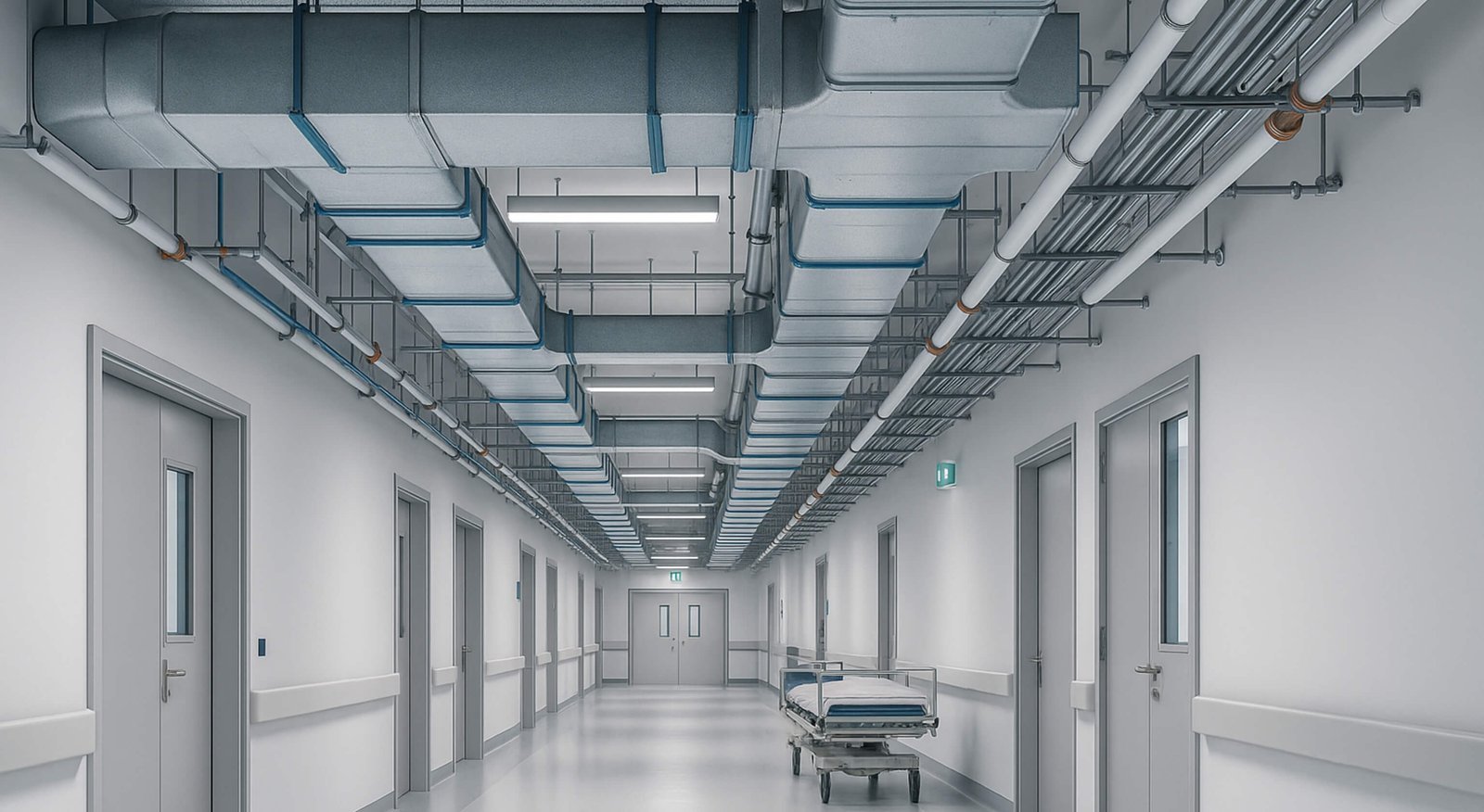
All these healthcare facilities represent a complex building environment, design, and unparalleled demands compared to commercial or residential infrastructure in the architecture and construction realm. MEP is a key role player that acts as the heart of any infrastructure, enabling it to make the environment livable and comfortable for occupants.

MEP is an evident role player in all types of architecture, but is a major player in healthcare facility construction. Healthcare infrastructure is built differently for various reasons, including patient safety, the use of different materials, efficient design, sanitizers, medical equipment, infection control systems, medical gas supply, and more.

These reasons help give the gist of how crucial it is for AEC professionals to maintain accuracy, efficiency, and reliability in healthcare facility construction. Considering the modern realm and design, hospitals and other healthcare facilities leverage the power of MEP services as mechanical, electrical, plumbing, and fire safety are the lifelines for a dynamic environment in the healthcare construction project.

As a matter of fact, MEP is a concept in which every component must strictly harmonize with other components, such as architectural and structural components. Before MEP components are constructed in the BIM model, mechanical, electrical, and plumbing components are drawn with the help of MEP drafting services. These technical sketches and drawings provide a brief overview of how these three fire safety elements will integrate into healthcare facilities’ construction projects.

Nonetheless, mechanical, electrical, plumbing, and fire safety designs play an evident role in meeting dynamic demands and ensuring that healthcare facilities operate efficiently and safely. To begin with, let’s briefly understand mechanical drafting services, along with other disciplines, and how they are key players in the construction of healthcare facilities.

Accurate Hospital Facility Construction with MEP Drafting Solutions

bim services

Overview of MEP Drafting

Modern construction is based on the degree of precision, efficiency, accuracy, and coordination in planning and execution. While every stage and every aspect of construction play vital roles, MEP systems or components are the most crucial. Let’s just say a building lacks an adequate power supply, drainage, or proper ventilation. It becomes impossible to live there due to a lack of basic facilities and a high risk of mishappenings. Therefore, this highlights the importance of accurate MEP systems. In any construction project, regardless of type and size, these components must be carefully integrated into the design and construction process. To ensure efficiency and accuracy, MEP drafting services play a significant role, providing a detailed representation of all three components and fire safety.

These technical and detailed drawings act as a blueprint that helps facilitate a seamless construction workflow and efficient team collaboration. With primary integration of MEP BIM modeling and MEP CAD drafting, a detailed and accurate representation of MEP systems allows offering intricate details for AEC professionals to clearly understand the complexity. As a matter of fact, drafting demands for expertise and partnering with a CAD service provider is a holistic approach for precision and efficiency.

CAD drafting is the primary step in creating detailed technical sketches; however, it requires proficiency with software and expertise to achieve desired outcomes. MEP drafting services here include 2D and 3D detailed drawings for the design and installation of all components. Utilizing advanced software and tools, mechanical, electrical, and plumbing drafting is represented with precision and clarity to integrate with architectural and structural designs. As the name suggests, there are three main key aspects, following are;

  • Mechanical drafting service
  • Electrical drafting service
  • Plumbing service

The added component in recent times is fire safety, which usually entails fire alarms, sprinklers, evacuation plans, and more. With the help of accurate MEP drafting services, components are coordinated, synchronized, and seamlessly integrated into building design without interpretation. MEP drafting offers AEC professionals a comprehensive guide and ensures a seamless workflow. Not only this, but MEP drafting offers a variety of advantages, such as:

Key Benefits of MEP Drafting Service

Seamless integration
Construction efficiency
Streamlined construction workflow
Error-free design
Easy and accurate MEP installations
Compliance with industry standards
Coordination between AEC professionals

The list of benefits for MEP drawings can go on endlessly for construction projects. Regardless of project type and size, MEP drafting is a critical role player; however, MEP services for healthcare facilities are a game-changer, ensuring patient safety, seamless hospital workflow, better equipment, and more. Let’s look in detail at how MEP drawings for hospitals, clinics, and other medical facilities play a crucial role.

Healthcare Facilities MEP Drafting Design

Understanding in detail MEP drafting and how it has become a non-negotiable approach for architects, designers, engineers, and other professionals. Constructing any infrastructure involves multiple stages, each demanding accuracy and efficiency. On the other hand, healthcare facility construction is much more complex than residential or commercial construction. Healthcare facilities such as hospitals, clinics, research labs, specialized medical centers, and others have complex environments due to varying infrastructure requirements.

Without a doubt, the healthcare sector is crucial for seamless functioning and, of course, patient care. Inefficient design, planning, and execution can lead to significant loss and can be a matter of life and death. Here, MEP services for healthcare facilities are not only important but a necessity. Imagine an emergency room is far from the ICU; this can be a life-threatening design, inefficient planning, and a lack of precision. To avoid any hassle, having a flawless MEP design is significant and plays a key role. Healthcare MEP drafting services is categorized under three aspects, which include;

  • Mechanical drafting services: This is essential to healthcare facilities in providing services that support patients’ well-being and care. These systems entail HVAC, elevators, escalators, medical gas supply, temperature control, air circulation for a comfortable environment, and more. As a matter of fact, MEP services for healthcare facilities efficiently make a comfortable environment by filtering and purifying air, preventing infections, and improving overall healthcare facility design.
  • Electrical drafting services: Electrical drafting services are paramount in healthcare facilities, ensuring sufficient power backup for life support, patient monitoring devices, and other electrical equipment. A seamless electrical design is essential for an uninterrupted power supply. Additionally, it entails proper lighting design that significantly contributes to patients’ and healthcare professionals’ comfort.
  • Plumbing drafting services: ensuring access to clean water and a water supply is essential for healthcare centers. Any hospital, clinic, or other facility must have clean water for patient safety. Additionally, every hospital, regardless of size, must offer potable water while contributing efficiently to waste management systems. As a matter of fact, having a proper, accurate drainage system, including backflow prevention plans and design, prevents water contamination. The plumbing drafting plan also includes water treatment systems for filtration and disinfection.

These essential components of healthcare MEP drafting significantly contribute to successful healthcare facility construction. Flawless MEP design is key to efficient, safe building environments; however, healthcare MEP drafting services come with their fair share of challenges. Explore them further in detail.

Why Healthcare MEP is Uniquely Challenging

Healthcare facilities operate 24/7, treating patients with varying vulnerabilities and housing highly sophisticated, sensitive equipment. This complexity necessitates an extremely high standard for MEP design.

Common MEP Healthcare Challenges

Infection Control
Stringent Regulations
Patient Comfort
Air Filtration
Lighting Design
Special Waste Systems
Redundancy and Reliability
Equipment Integration
Air Pressure Control
Medical Gas Systems
Specialized Systems
Fixture Selection
Clean Water & Backflow Prevention
  • Infection Control: The design must actively prevent the spread of airborne and waterborne pathogens, particularly in sterile areas such as operating rooms and isolation wards.
  • Redundancy and Reliability: Power, ventilation, and critical medical gas systems must have robust backup and redundancy to ensure continuous operation during emergencies or power outages.
  • Stringent Regulations: Healthcare facilities must comply with rigorous codes and standards, including local building codes and those set by specialized organizations (e.g., ASHRAE, NFPA, FGI Guidelines).
  • Equipment Integration: MEP must be seamlessly coordinated with specialized medical equipment, such as MRI machines, X-ray scanners, and surgical lighting, which have unique power, cooling, and spatial requirements.
  • Patient Comfort: HVAC systems must maintain precise temperature and humidity levels not just for health but also for patient well-being and recovery.
  • Air Pressure Control: Operating rooms and isolation rooms require strict positive or negative air pressure differentials to prevent contaminants from entering or leaving the space. Drafting must detail pressure cascades.
  • Air Filtration: High-efficiency filters, such as HEPA filters, are mandated for critical areas, and the ductwork design must accommodate their size and maintenance needs.
  • Medical Gas Systems: Drafting includes piping for critical gases like oxygen, medical air, nitrogen, and vacuum. This requires meticulous detail on central storage, distribution lines, alarms, and zone valve locations for safety shut-off.
  • Lighting Design: Lighting must be carefully designed—not just for general illumination, but also for specific tasks (e.g., high-luminosity surgical lights) and patient comfort (e.g., dimmer-controlled, ambient lighting in patient rooms).
  • Specialized Systems: Drawings must include layouts for nurse call systems, CCTV, public address systems, and advanced data/IT infrastructure necessary for modern diagnostics and patient records.
  • Clean Water & Backflow Prevention: Drawings ensure a continuous supply of clean water and detail rigorous backflow prevention assemblies to avoid contamination of the potable water system.
  • Special Waste Systems: Piping for laboratory drains and infectious waste disposal requires specialized materials and routing to adhere to environmental and health regulations.
  • Fixture Selection: Selection and detailing of hands-free sinks and specialized surgical scrub stations are crucial for infection control.

These challenges are significant and often occur during the construction of healthcare facilities. Given the demand and use of materials, the challenges mentioned above have an efficient solution: MEP drafting services for healthcare building construction. Being a complex and lengthy process, it requires the use of the latest technologies, knowledge of the process and codes, and the ability to understand complexity.

Therefore, outsourcing MEP BIM services and drafting solutions is a holistic approach for AEC firms. Given the complexity of drafting, outsourcing MEP drafting for hospitals offers advantages for AEC firms and enables them to manage other key processes.

Outsource MEP Drafting Design

In the constantly evolving field, keeping track of technologies and software is a must. Outsourcing to a renowned MEP drafting service provider is a comprehensive and beneficial approach. UniquesCADD is a top MEP BIM modeling service, specializing in MEP drafting solutions by use of the latest technologies and a team of professionals. An outsourcing service provider ensures accuracy, efficiency, and reliability.

Conclusion

The successful MEP drafting for hospitals and other healthcare facilities is a delicate balance of engineering, regulatory compliance, and keen attention to detail. It’s about creating an infrastructure that ensures a safe, hygienic, and comfortable healing environment for every patient and staff member. Implementing MEP services for healthcare facilities is key to the successful functioning of infrastructure.

How Global Firms Are Leveraging MEP BIM for Competitive Advantage

The architecture and construction industry has witnessed a rapid evolution that has resulted in precision, efficiency, reliability, and more safety precautions. The emergence of technology and the integration of reliable resources enable architects, engineers, designers, contractors, and other professionals to enhance the overall outcome while strictly aligning with design intent without any errors.

Typically, in any construction project, regardless of size or type, errors and conflicts are common. Traditionally speaking, the architecture industry used to manually resolve mistakes that cost a fortune, significant time, and labor, leading to delays in completion and more. However, with technology and the easy adoption of approaches, AEC professionals can resolve errors without worrying about extra investment.

Thanks to the rising and most beneficial approach called building information modeling, which has transformed the working process for AEC experts and significantly improved the completion of complex construction projects. As a matter of fact, BIM brings efficiency, accuracy, and reliability, which are critical factors for modern construction landscapes. In any construction project, there are a variety of stages that require precision, keen attention to detail, and ensure efficiency in the design. Among various stages and key aspects, MEP is a significant part as it is considered the heart of the building.

MEP defines the functionality of an infrastructure, ensuring safe and liveable environments for occupants, from proper air ventilation to appropriate distribution of electricity and seamless water flow. With global BIM implementation, the MEP stage is redefined with precision, featuring keenly curated complex systems, accurate installation, and more. As a matter of fact, MEP integrated with BIM helps AEC professionals maintain harmony between all components and other architectural aspects.

The role of MEP BIM modeling services is a game-changer in the industry, enabling the synchronization of mechanical, electrical, and plumbing systems. Moreover, it has changed the entire approach for how projects are designed and executed. With the MEP BIM modeling process, AEC professionals can seamlessly plan, design, and implement the project with minimized scope of errors along with enhanced safety. To begin with, briefly explore MEP BIM and how it is a beneficial aspect for global construction firms.

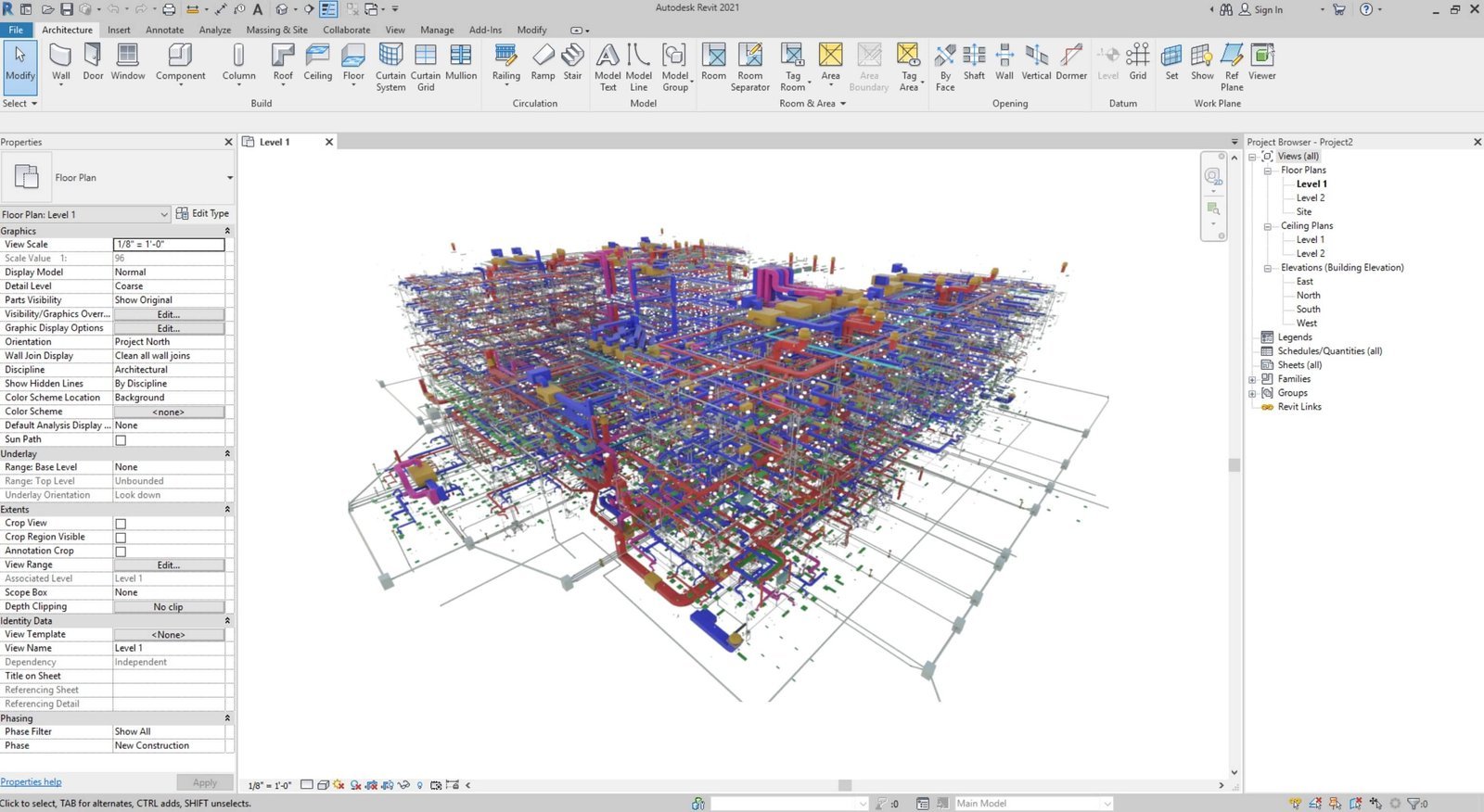
Enhance Overall Building Performance with Accurate MEP BIM Services

bim services

Understanding MEP BIM Services in Detail

AEC is a vast, rapidly growing, and difficult sector. Over a decade, architecture and construction firms have gained a significant position in the market. Seamlessly adapting innovations, technologies, and approaches, AEC professionals constantly look ahead for ways to enhance the current construction process. With the rising demand for sustainable solutions and the reduction of the carbon footprint as primary goals, architecture and construction are adapting to innovations. As construction projects, regardless of size, nature, and type, become more complex in design, it has become evident to maintain accuracy and efficiency at the infrastructure stage.

Architectural, structural, MEP, and more are crucial parts of the construction process and require keen attention to detail for precision. As a matter of fact, among all the stages, MEP is vital and complicated due to the need to maintain synchronization among mechanical, electrical, and plumbing aspects. Integration of BIM technology allows AEC experts to ensure precision, efficiency, and reliability. MEP BIM modeling services have become a significant part of the modern architecture and construction industry, maintaining dynamic coordination and ensuring alignment with the design.

Nonetheless, digital transformation in construction offers a transformative shift by bringing a plethora of benefits, including improved management, reduced errors and clashes, optimization, seamless execution, enhanced safety measures, and more. Traditionally, MEP was a cumbersome and time-consuming process fraught with potential errors that impacted onsite construction. With integration of MEP BIM and MEP coordination services, architects and engineers can ensure precision and efficiency while maintaining harmony in all three components. This also helps to stay aligned with the intended design and creates a streamlined workflow for every professional.

In simple terms, adopting MEP BIM modeling services involves using BIM modeling to design, coordinate, and implement MEP in a 3D BIM model. For example, integrating HVAC systems into the model requires keen attention to designing them alongside the project’s design. This requires accurate implementation of HVAC BIM services, enabling professionals to maintain precision, identify clashes early, and more. Not only this, but the adoption of MEP BIM in construction projects brings a variety of benefits. Let’s dive deeper into this.

Key Advantages of MEP BIM in Projects

In the era of modern construction, new sleek designs, efficient space utilization, sustainable practices, and more are slowly becoming key parts of architecture. Nonetheless, this helps the AEC sector reduce its carbon footprint, contribute to environmental conservation, and support green building designs and more. The significant role of MEP modeling services allows architects and designers to ensure precision, safety, and efficiency.

The traditional approach missed these qualities, which often became challenging by the end of the project. Thanks to thriving technology and innovation, the benefits of MEP BIM are endless in today’s modern era. MEP BIM services offer architectural firms reduced rework and clash detection, resulting in time and cost savings. They also provide improved interdisciplinary coordination, enhanced visualizations, streamlined communication, and more accurate cost estimation. Ultimately, these services help firms win bids by demonstrating advanced capabilities and delivering higher-quality projects. Benefits for architectural firms are:

Perks of MEP BIM for Projects

Reduced Rework & Cost Savings
Improved Collaboration
Accurate Cost Estimation
Streamlined Prefabrication
Enhanced Accuracy & Precision
Better Visualization
Increased Productivity & Efficiency
Competitive Advantage
  • Reduced Rework & Cost Savings: By identifying MEP clashes early in the design process, firms avoid costly onsite modifications and rework, saving time and resources.
  • Enhanced Accuracy & Precision: MEP BIM modeling creates highly accurate and detailed 3D models, minimizing design errors and inconsistencies.
  • Improved Collaboration: A centralized, BIM-based model facilitates better communication and collaboration among architects, MEP engineers, and other stakeholders on a unified platform.
  • Better Visualization: 3D models provide clearer, more immersive visualizations, helping firms showcase their designs and capabilities to clients more effectively.
  • Accurate Cost Estimation: BIM-based tools provide precise quantity takeoffs and cost estimations, improving financial planning and helping win bids.
  • Increased Productivity & Efficiency: Automation of tasks and optimized workflows through BIM tools enhances productivity and allows firms to deliver projects faster.
  • Streamlined Prefabrication: Accurate BIM models can serve as fabrication-ready blueprints for MEP components, supporting off-site prefabrication and faster installation.
  • Competitive Advantage: Adopting MEP BIM services allows firms to move beyond traditional methods, offering sophisticated, modern workflows and a competitive edge in the market.

Benefits of MEP BIM for Global Firms

Global firms leverage Mechanical, Electrical, and Plumbing, Building Information Modeling to gain a competitive advantage by improving coordination, increasing efficiency, and reducing costs throughout a building’s lifecycle. By creating a precise, data-rich digital representation of a project’s MEP systems, firms can make more informed decisions, streamline complex workflows, and deliver superior results.

MEP BIM Importance for Global Firms

Centralized platform
Pre-construction clash detection
Effective coordination
Energy efficiency and analysis
Digital twins for lifecycle management
Accurate cost estimation and quantity takeoffs
Improved modular and prefabricated construction
  • Centralized platform: One of the significant advantages of global BIM implementation is the shared, cloud-based BIM model, which offers rich insights and details for all project stakeholders, including architects, engineers, and contractors. This centralized platform ensures that everyone works with the most accurate and up-to-date information, minimizing errors and communication gaps.
  • Effective coordination: BIM adoption improves coordination and communication among professionals and enables MEP systems disciplines, architectural, and structural designs to be streamlined and accurate as per design. Additionally, BIM MEP coordination services would allow professionals to coordinate different stages of construction seamlessly. Furthermore, this prevents potential clashes or conflicts, often resulting in costly rework and delayed construction projects.
  • Pre-construction clash detection: BIM software automatically identifies and resolves potential clashes between MEP systems before construction begins. Although BIM clash detection services here have become a key player for precision and efficiency. This proactive approach eliminates expensive onsite rework and minimizes delays. Any project with an error-free design streamlines the workflow without delays, resulting in success.
  • Accurate cost estimation and quantity takeoffs: The data-rich BIM model allows for highly precise quantity takeoffs and cost estimations. With the help of 5D BIM, this capability improves budget planning, tracks costs in real-time, and reduces material waste. As a matter of fact, for global firms, this is one of the key perks of saving on costs, ensuring timely project delivery, and precise MEP equipment or material usage.
  • Improved modular and prefabricated construction: BIM for MEP supports off-site prefabrication of MEP components or elements by providing exact dimensions and specifications according to the project for fabrication. This manufacturing process drastically reduces onsite assembly time, minimizes waste, maintains safety, and ensures higher precision.
  • Energy efficiency and analysis: BIM enables engineers and professionals to conduct detailed energy analysis and simulations on HVAC and lighting systems. This allows for the design of more energy-efficient and sustainable buildings, which can lead to lower operational costs and help achieve green building certifications. Moreover, it helps to achieve sustainable design demands and save the environment.
  • Digital twins for lifecycle management: Digital transformation in construction offers long-term advantages. Firms create a digital twin of the infrastructure, which is a live, dynamic replica of the physical asset. This allows facility managers to access embedded data about MEP systems, supporting ongoing maintenance and operations, also making the renovation much easier.

Real Life Projects for MEP BIM

The world is big, and the AEC industry has come a long way. From the beautiful historical monuments we see today with detailed carvings, there are modern architectural structures around the world that undoubtedly represent modern design, precision, and safety. The following are some of the real-life projects that were completed with the help of MEP BIM modeling services.

  • South American hospital: A global MEP consultant used BIM to coordinate a large hospital complex, which had particular MEP requirements for LEED certification.
  • Iconic skyscraper: For New York’s One World Trade Center, 3D BIM modeling was essential for coordinating complex architectural and structural designs, preventing clashes, and sequencing construction.
  • Middle East airport: By using MEP BIM modeling services, a Muscat-based contracting company saved significant time, manual labour work, and $7 million on an airport project by preventing rework.
  • Indian infrastructure: Major projects like the Bangalore International Airport expansion and the Nagpur and Delhi Metro Rail projects used 5D BIM for better visualization, cost estimation, and management, and also MEP coordination services for the public transport network.

These are some key examples that serve as living proof of digital transformation in the construction industry. They demonstrate how precision, safety, time, and cost savings, efficiency, and more are seamlessly achieved with the proper use of technology and expert guidance. As a matter of fact, the benefits of MEP BIM are numerous, but they require expertise, technical proficiency, and a solid understanding of the approach to achieve the desired project goals.

Outsourcing MEP BIM for Accurate Outcomes

As briefly discussed regarding MEP BIM and its key benefits, it is clear that this approach requires a streamlined workflow and software proficiency. With technological innovation and constantly developing software, it becomes challenging to keep up with the updates and implement them. Global AEC firms continually look for efficient and cost-effective approaches for MEP BIM services. Typically, any AEC firm is occupied with a plethora of tasks; outsourcing MEP BIM modeling services is a significant and beneficial concept.

Partnering with third-party service providers brings significant benefits and helps to gain desired results. The following are some of the considerable advantages of partnering with a top BIM company;

  • Access to technology and experts
  • Accuracy and efficiency
  • Streamlined process
  • On-time project delivery

The list of benefits can be extensive; however, partnering with the right firm is essential. UniquesCADD is a renowned provider of MEP BIM services, with many years of experience and a pool of talent for MEP.

Final Takeaways

Integration of MEP BIM modeling services in modern AEC projects enables the maintenance of precision and harmony among all three components. This also helps in smart prefabrication for onsite installation.

What is Clash Detection in BIM and Why It’s Essential for Construction Projects

Building information modeling has rapidly increased in the architecture and construction industry, and has transformed how AEC professionals work. From streamlining the complex process to enhancing overall building performance, BIM plays a pivotal role. BIM is today a game-changer in the AEC industry, revolutionizing architecture, engineering, and construction.

It’s more than just 3D modeling; it’s a process involving the creation and management of structured, coordinated information about a project. In the evolving state of architecture and construction, even with BIM adoption, a variety of complex stages demand accuracy, efficiency, reliability, and more.

A minor clash, error, or conflict can result in significant losses, misaligned design, an unsafe environment, and low building performance, all of which can impact the overall project. Once the 3D model is curated with rich, intelligent data, the 3D BIM model represents the digital visual of the project, including structural elements, architectural aspects, interior views, and more. However, the integration of a variety of systems, from MEP coordination services to interior visualization, BIM is one of the key solutions.

To ensure that each construction aspect is integrated with precision and faces no challenges, clash detection in construction is crucial, particularly in modern construction practices. Moreover, clashes in the construction approach are a common occurrence that may happen in the early stages of design, causing significant losses in the architectural project. The BIM model is rich in information, and adopting BIM clash detection enables AEC experts to quickly identify potential clashes and implement strategic resolutions.

At its core, building information modeling entails the creation as well as the management of the physical characteristics of infrastructure. Here, clash detection techniques enable experts to get a quick glance at errors that can be costly. Let’s understand the details of clash detection and its critical functions within the BIM workflow.

Enhance Architecture Project with Clash Detection

bim services

Quick Overview of Clash Detection in Construction

Beginning with any new task, project, or approach, errors are common and expected. These errors or conflicts can result in high costs, low-quality outcomes, an insignificant workflow, an unsafe building environment, overwhelming rework, and the investment of crucial time. Traditionally, errors and conflicts were identified when the on-ground construction began or was completed. The significant rework, added cost of materials and labour, and more result in time-consuming tasks as well as loss to the infrastructure project. With advancements in technology, construction project efficiency and accuracy are increased with the help of a strategic approach to clash detection.

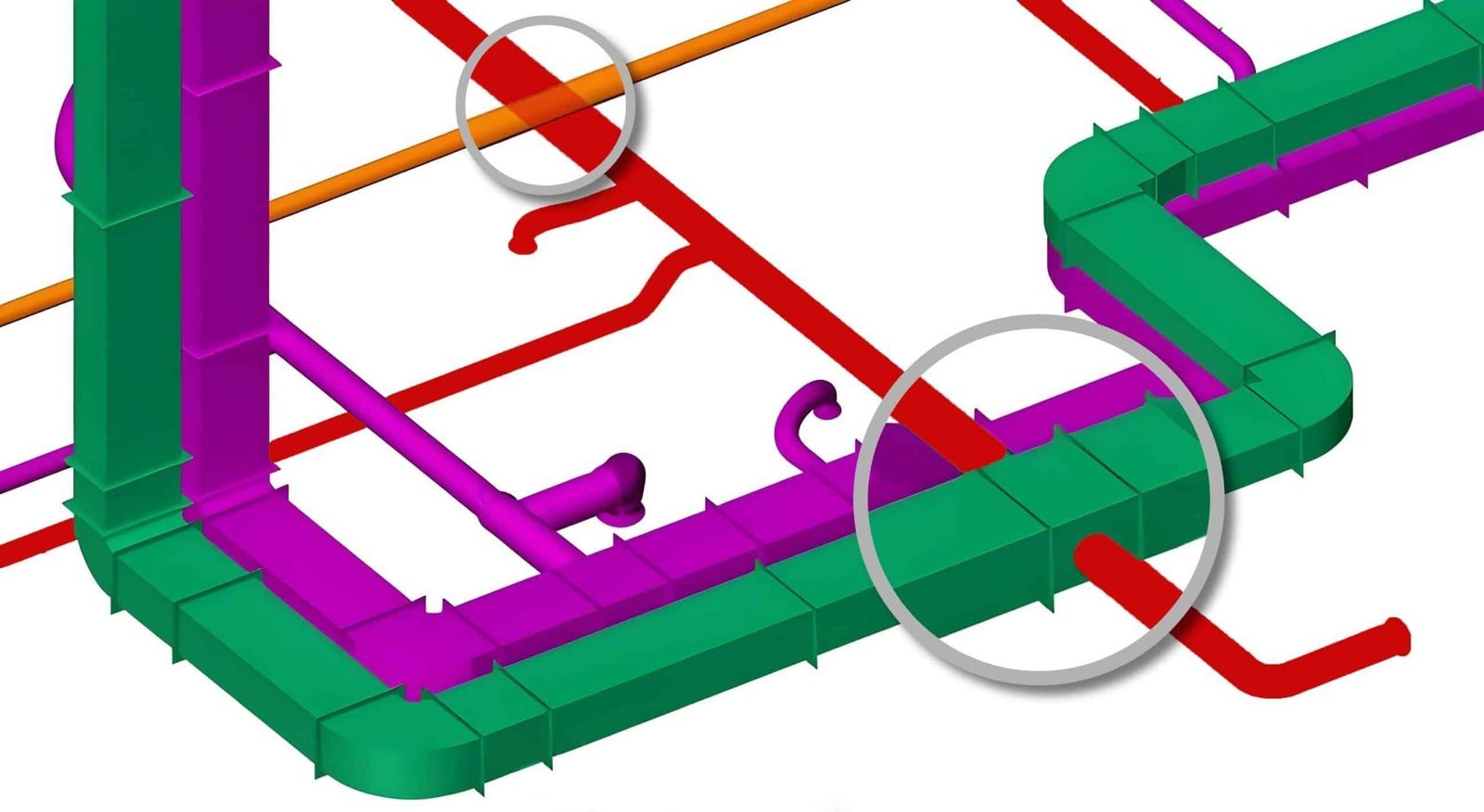
In the simplest terms, clash detection services involve identifying areas where two or more building components overlap in the same physical space within the project’s digital model. Let’s consider, for example, a structural steel beam passing right through a large HVAC duct, or a plumbing pipe intersecting with an electrical conduit—these are referred to as “clashes” in architectural design. Here, MEP coordination services are implemented, along with clash detection, to identify and rectify issues.

These issues or conflicts, left undiscovered until the construction phase, can lead to costly rework, significant delays, and potential safety hazards. This is why clash detection services are essential to implement for early detection, resolution, and prevention of added expenses. As a matter of fact, the collision detection approach is helpful for every stage of the construction, especially in the MEP stage and the structural stage.

Typically, clash detection utilizes specialized BIM software to automatically analyze the 3D model, merge models from different disciplines, such as architecture, structural, and MEP, and identify these interferences. Not only detection of potential errors, but this approach also offers various benefits in the architecture and construction projects, following are;

  • Reduced rework
  • Optimized material use
  • Enhanced project visualization
  • Streamlined workflow
  • Avoiding delays
  • Risk mitigation

These benefits are just a few examples, as the list can be extensive and vary from project to project. However, the concept of clash detection does not end here, as it is categorized into different types for better understanding in the 3D BIM model. In the modern AEC sector, technology is leveraged to its full potential. Let’s understand the types of clashes in BIM modeling.

Understanding Briefly About Types of Clashes

As any architecture project involves different stages, errors are common, and conflict resolution techniques have become a key aspect of success and maintaining project efficiency. As clashes, conflicts, or errors are just an intersection of two construction aspects, but are not always the same. Here are the main types of clashes in construction projects.

  • Hard Clashes: This is the most common type, where two objects physically intersect or pass through each other (e.g., a pipe going through a concrete wall).
  • Soft Clashes (or Clearance Clashes): These occur when objects do not directly intersect but violate a specified tolerance or clearance zone required for access, maintenance, or insulation e.g., insufficient space is left around a valve for a technician to operate it.
  • Workflow Clashes (or 4D Clashes): These relate to scheduling and time. They occur when construction activities or material deliveries overlap in a way that causes a problem on the job sitee.g., the planned installation of scaffolding blocking a critical access point during a separate scheduled activity.

Those mentioned above are the significant types of clash detection in BIM, highlighted in designated colors for easy understanding and clarity. As a matter of fact, each clash type helps architects, designers, contractors, and other experts to eliminate the design changes as well as costly rework, leading to project success. Clash detection services play a major role in BIM services, considering the numerous benefits and complexity of modern architecture projects. Explore in detail about the role of the clash detection workflow in construction.

The Essential Role of Clash Detection in Construction

In the field of architecture and the construction industry, clash detection isn’t just a technical check of different aspects of construction but is considered a proactive quality assurance measure, driving efficiency, precision, reliability, safety, collaboration, and profitability across the entire project lifecycle. Here’s why it’s essential,

Importance of Clash Detection in AEC Projects

Cost savings and rework reduction
Improved coordination
Schedule projects and minimize delays
Better Quality Control and Safety
  • Cost savings and rework reduction: The most compelling reason to implement Clash Detection is its direct impact on the bottom line. Finding a design conflict in the digital model costs virtually nothing to fix—a quick model adjustment. Finding that same conflict on the construction site requires stopping work, engaging multiple trades, ordering new materials, and tearing out and reinstalling existing work. Fixing errors during the design phase is exponentially cheaper than fixing them during construction. Clash detection shifts problem-solving from the field to the office.
  • Schedule projects and minimize delays: Undiscovered clashes are a primary source of construction delays. When a conflict is found on-site, work stops, Request for Information (RFI) cycles begin, design changes are made, and new materials are ordered. This domino effect can derail the entire project schedule. By resolving hundreds of potential clashes before breaking ground, Clash Detection ensures a smoother, more predictable construction process, helping the project finish on time.
  • Improved coordination: BIM models are typically created by separate specialist teams: architects, structural engineers, and MEP (Mechanical, Electrical, and Plumbing) engineers. Clash Detection forces these teams to work closely together. The process involves weekly or bi-weekly “Clash Review Meetings” where all stakeholders review the clash reports together. This fosters a shared understanding of the design intent and ensures all systems work seamlessly within the shared physical space. This enhanced coordination is key to achieving a truly “buildable” design.
  • Better Quality Control and Safety: A fully coordinated and clash-free model translates directly to higher construction quality. Trades can install components confidently, knowing their work won’t interfere with others. Furthermore, by identifying spatial issues and clearance violations (soft clashes), the process ensures that critical equipment is accessible for long-term maintenance, leading to safer and more functional buildings post-construction.

These are some of the reasons that highlight the importance of clash detection in BIM. As a collaborative and proactive process, it includes significant steps that ensure the proper implementation and ability to harness the power of identifying and resolving the problem. Here’s a detailed view of the process.

Steps for Accurate Clash Detection

In the architecture and construction industry, clashes are common, as discussed. However, these clashes and errors are resolved through a comprehensive approach that utilizes clash detection techniques. The process is systematic and collaborative, typically following these steps:

Clash Detection Process in Construction Project

Model aggregation
Tolerance setting
Review and prioritization
Clash definition
Automatic clash run
Resolution and model revision
Re-run and validation
  • Model aggregation: All discipline models, such as architecture, structure, MEP, fire protection, etc., are imported and merged into a central coordination software, typically Autodesk Navisworks, Solibri, or Bentley Systems.
  • Clash definition: The coordination team defines which models should be checked against each other, for example, HVAC vs. Structural Steel, Plumbing vs. Electrical Conduit.
  • Tolerance setting: Specific clearance tolerances for soft clashes are defined (e.g., check for a 6-inch gap around all mechanical units).
  • Automatic clash run: The software runs the defined checks and generates a detailed Clash Report.
  • Review and prioritization: The coordination team reviews the thousands of potential clashes, filtering out “false positives” and prioritizing critical clashes based on severity and location.
  • Resolution and model revision: The assigned discipline (e.g., the HVAC team) reviews the specific clash, adjusts their model (e.g., raises or offsets a duct), and re-issues the updated model.
  • Re-run and validation: The coordination process is repeated to ensure the fix didn’t introduce a new clash elsewhere.

Insights into Outsourcing Clash Detection Services

By deeply understanding clash detection and its significance in construction, it is a complex process, or, per se, an approach. As the 3D BIM model is data-rich and offers a variety of benefits, implementing conflict detection enables AEC professionals to identify errors at an early stage of design, thereby decreasing potential rework and material wastage, and allowing them to take a proactive approach, among others. This demands technology proficiency, software expertise, experience, well-versed in process, keen attention to detail, and more.

As AEC firms consistently seek ways to reduce added expenses, outsourcing BIM clash detection services is a significant and beneficial solution. The team of professionals has experience in clash detection, understanding the complex design, software proficiency, and more. Partnering with reliable BIM services providers with significant expertise in clash detection can be key to the project’s success at cost-effective pricing plans.

UniquesCADD is a renowned outsourcing BIM company in India, with a team of experts experienced in clash detection and modeling. Offering project accuracy, timely delivery, and consistent support, our professionals ensure efficiency with a cost-effective model.

Final Say

Clash detection services are more than just a software approach or function; they are a project de-risking strategy that enables AEC professionals to quickly identify and resolve conflicts. It represents reactive problem-solving on the construction site, transitioning to proactive coordination in the digital environment, and enhances overall building performance. Any complex construction project seeking to minimize waste, avoid delays, and ensure the highest quality of build, leveraging the power of BIM clash detection is not just an advantage; it has become a necessity.

Digital Twins and MEP BIM: What the AEC Industry Should Expect

The architecture and construction sector evolves rapidly, considering the pace of technological emergence and innovations. Today, in the modern architectural landscape, adapting to innovation is not just a luxury but has become a necessity to achieve the desired goals and offer the best infrastructure. Moreover, precision, efficiency, and reliability have been constantly strong pillars of the AEC project’s success. Emerging technologies and innovation not only ensure enhanced precision but also bring advanced solutions for complex projects.

Over the years, AEC has witnessed a wave of transformation that includes many technologies. Among several, one of the beneficial technologies is building information modeling services, which allow AEC professionals to enhance collaboration, communication, design precision, cost efficiency, and more. As technology advances over time, digital twins have become a trend in the architecture and construction realm.

Today, digital twins in construction have become a significant aspect, offering a wide range of benefits that redefine building performance, minimize the scope of errors and more. In the architecture and construction field, infrastructure project construction is segmented into various stages, and each stage requires meticulous attention to detail. Architectural, structural, MEP, interior and exterior visualization, lifecycle management, and other aspects demand efficiency to maintain quality and harm. MEP is one of the complex aspects in every construction project, requiring MEP components to integrate harmoniously into the design.

Maintaining harmony and synchronization between all the components ensures a comfortable living environment. From mechanical systems to plumbing systems to fire safety, every component must fit properly into the design. Due to the complex and intricate process, MEP BIM services play a significant role. MEP is a vital aspect of making the infrastructure functional, and with the integration of BIM, AEC professionals can easily integrate components in the design without compromising the design.

Moreover, the BIM model ensures precision, fewer errors, reduced rework, and more. As crucial as MEP BIM modeling and advancing technology are to the current approach, MEP BIM-enabled digital twins help enhance the complex process and bring more comprehensive solutions. Let’s understand digital twin and MEP modeling services in detail and how technology can enhance the process.

Integrate Digital Twin in MEP BIM for Optimized Performance

bim services

Understanding Digital Twin in Detail

In the rapidly evolving realm of AEC, technologies continually enhance existing processes, resulting in increased precision and quality. As traditional methods have become outdated, digital processes have led to more accurate, efficient, and cost-saving approaches. Thanks to BIM modeling services, it has allowed architects, engineers, and other professionals to work collaboratively and reduce significant time. In fact, BIM also helps simplify complex designs, leading to precision and high-quality project outcomes. Building information modeling (BIM) represents a technological transformation as the AEC landscape continues to scale up, and the future of BIM in AEC presents wider opportunities.

Digital twin technology is a game changer in the architecture and construction realm, offering innovative, faster, and data-driven solutions. As BIM is a digital representation of an infrastructure project’s physical and functional characteristics, a digital twin is a virtual replica of a building. Leveraging the power of AEC digital transformation and adopting digital twins allows for hands-on, real-time monitoring, simulation, and optimization. A digital twin in AEC is defined as a virtual replica of a physical building, offering real-time data integration and predictive simulations. As a matter of fact, digital twin technology integrates with significant components, such as

  • Building information modeling
  • IoT sensors
  • Data integration and ML
  • VR environment
  • AI algorithms

Digital twin innovation specifically enhances decision-making through the construction process. 3D BIM replicas are created of the physical environment and processes to enhance the project design. AEC firms leverage the power of digital twins to reduce significant errors, improve safety, and accelerate the complex process. Apart from replicating the construction project, the following are some of the significant advantages;

  • System optimization
  • Improved decision making
  • Predictive maintenance
  • Enhanced collaboration
  • Optimizing facility management

With the benefits above, the AEC industry has gradually adopted digital twin technology. As it delivers enhanced results and accelerates the construction process, digital twin BIM services enable better decision-making, improved lifecycle management, enhanced MEP BIM capabilities, and more. Discover how digital twin technology in MEP BIM transforms the approach. Foremost, let’s briefly understand MEP modelling services.

What is MEP BIM in AEC Firms?

In the modern era of architecture and construction, building information modeling has reshaped the approach for architects, engineers, designers, and other professionals. It has provided a digital representation of the infrastructure, bringing efficiency in design, precision, and minimizing errors. In any construction project, MEP components play a crucial role in making the building functional and comfortable for its occupants. Integrated with BIM services, MEP components are accurately designed, planned, managed, and integrated into the model, ensuring quality is not compromised.

Designing MEP components is a complex task as it demands synchronization between the three. Each of the components plays a crucial role in ensuring the infrastructure’s functionality, making it comfortable for occupants to live in. MEP BIM services play a significant role in the construction process, enabling professionals to improve coordination, enhance precision, maintain harmony among the three components, and more. As a matter of fact, MEP BIM integration leads to lesser error, comfort, and safety in the infrastructure.

From well-functioning HVAC systems to evenly distributed power throughout the building, MEP plays a crucial role. The integration of BIM enables AEC professionals to seamlessly integrate MEP components into the design, ensuring maximum harmony and minimizing errors or clashes. The following are some of the key benefits of MEP modeling services.

MEP BIM Services Major Advantages

Efficient resource management
Better collaboration and coordination
Faster project delivery
Quick clash detection
Enhanced design accuracy
Improved visualization
Reduced rework
Better resource utilization

With better planning, coordination, and lifecycle management, MEP BIM provides a comprehensive digital representation that offers precision throughout the process and during onsite construction for MEP engineers. Moreover, data-rich, intelligent 3D models also aid in data analysis, helping to identify clashes or conflicts during the design process and providing accurate solutions. This helps to reduce cost, rework, and time during the complex design process.

As technology has evolved and made a significant impact on the architecture and construction realm, digital twins have benefited the MEP BIM process, making it a more advanced and holistic approach. MEP BIM has already transformed the approach; however, having real-time data in construction can yield more comprehensive results in less time while enhancing accuracy, efficiency, and optimized building performance. Discover how MEP BIM-enabled digital twins can be a useful strategy in the construction industry.

Role of Digital Twins in MEP BIM Service

As briefly discussed, digital and MEP BIM each bring holistic solutions through technology advancements. In the modern architecture and construction process, complex designs with intricate details have become quite common. While innovation and technology in the sector have transformed the working approach, Industry 4.0 demands more enhanced and exclusive results; integrating digital twin technology is a fruitful approach. In fact, MEP is a complex process that requires precise, efficient, and streamlined outcomes to ensure significant harmony between all functional elements. The better the harmony, the more safety in the building.

Considering the crucial nature, the digital twin enables work with real-time data analysis, an interactive platform for visualization, simulation, optimization, and predictive maintenance, all without the need for physical presence on the construction site. This has been a game changer in the architecture and construction sector, simplifying complex processes with real-time monitoring data to ensure utmost precision.

Technology and emerging innovations in the MEP BIM approach redefine building performance, longevity, enhanced safety, and onsite efficiency without any major clashes. Above all; the digital twin plays a significant role in MEP BIM services in various ways. The following are;

Digital Twin Significance in MEP BIM

Improved design accuracy with BIM integration
Energy Optimization and Sustainability
Predictive maintenance
Enhanced facility management
Improved construction and installation
  • Improved design accuracy with BIM integration: In the AEC landscape, digital twins are often created through a 3D BIM model framework, representing the replica. As building information modeling is initially utilized in a static format for design phases, digital twins offer real-time performance analysis along with other key aspects, such as environmental conditions, current state, data usage, and more. This is specifically useful for MEP engineers and experts to develop precise simulations and identify clashes or conflicts before the groundwork begins.
  • Predictive maintenance: Plays a significant role in the MEP BIM approach. IoT sensors integrated into HVAC, wiring, or plumbing systems offer accurate, live data into the digital model. This enables MEP engineers and other professionals to predict system failures, conduct thorough diagnostics, prevent breakdowns, and more effectively manage their systems. Smart building design with a digital twin helps AEC professionals save costs and leads to enhanced equipment functionality and lifecycle management.
  • Energy Optimization and Sustainability: In the ever-growing sector of architecture, energy-saving and sustainable building design have become the norm, considering the increasing environmental impact. With the help of digital twins, engineers can track energy consumption throughout the infrastructure, analyze data, and identify inefficient systems that fail to align with energy efficiency goals. In fact, it also helps to accelerate the process of obtaining a LEED certificate standard, with precise data available on reductions in carbon footprint and more.
  • Enhanced facility management: Once the construction is completed, it is evident that facility management needs to be enhanced. Regularly checking the functionality of infrastructure provides valuable insights into maintenance or required renovations. However, the digital twin plays a vital role in offering real-time insights into building operations. From real-time monitoring to air quality to temperature regulation, digital twins bring detailed insights. This helps facility managers coordinate with MEP engineers in case of irregularities or inefficiencies in the building.
  • Improved construction and installation: Digital twin technology for MEP BIM helps professionals streamline the process and installation process of the components. Due to fostering enhanced coordination between MEP components, it enables professionals and engineers to communicate effectively. Moreover, it allows the tracking of materials and resources, resulting in reducing waste and ensuring the timely delivery of the project while maintaining synchronization.

These are major areas where digital twin-integrated MEP modelling services play a key role. Above all, BIM technology focuses on design, while the digital twin extends beyond the concept to offer real-time data analysis and monitoring. The benefit of tracking live feeds has been helpful to MEP engineers in ensuring precision and efficiency in complex processes, thereby maintaining harmony. The following are some of the benefits of digital twins in MEP BIM.

  • Better facility management
  • Informed decision making
  • Improved collaboration and communication
  • Reduced cost
  • Enhanced system performance

As a powerful tool on the AEC horizon, it requires meticulous attention to detail, expertise, skills, software use, and more. In today’s evolving era, AEC firms seek innovative ways to achieve high-quality outcomes while reducing costs. This is where outsourcing MEP BIM integration with digital twin technology is beneficial. Partnering with the right BIM consulting firms, AEC professionals can have hands-on, accurate models with real-time data available. Understand in detail how outsourcing can be helpful.

Outsourcing MEP BIM Services with Digital Twin Integration

In the modern era, architecture firms seek precise and fruitful ways to achieve hands-on, desirable results. As the market is dynamic due to the rise in technologies, there is a lack of expertise to hire. Therefore, outsourcing is one of the appropriate ways to streamline operations and achieve hands-on, accurate results. MEP BIM, with digital twin technology, demands skills, knowledge, attention to detail, and more, leveraging cutting-edge technology to elevate overall results. In fact, outsourcing is a cost-effective way for AEC firms to focus on their primary business goals. Hiring an outsourcing service provider offers a multitude of benefits to the firm, including cost efficiency and consistent customer support.

UniquesCADD is a renowned and top outsourcing provider of MEP BIM services with significant experience and a team of professionals. Harnessing the power of the latest technology and adapting to new methods and approaches, UniquesCADD ensures accurate and desirable outcomes. The following are key benefits of partnering with UniquesCADD;

  • Cost efficiency
  • Dedicated team
  • Quick project delivery
  • Transparent pricing
  • Access to experts and technology

In a Nutshell

Digital twin technology is a powerful tool in the architecture and construction sector. From accurate MEP component live data feeds to streamlining the groundwork efficiently, digital twins work wonders for MEP BIM services.
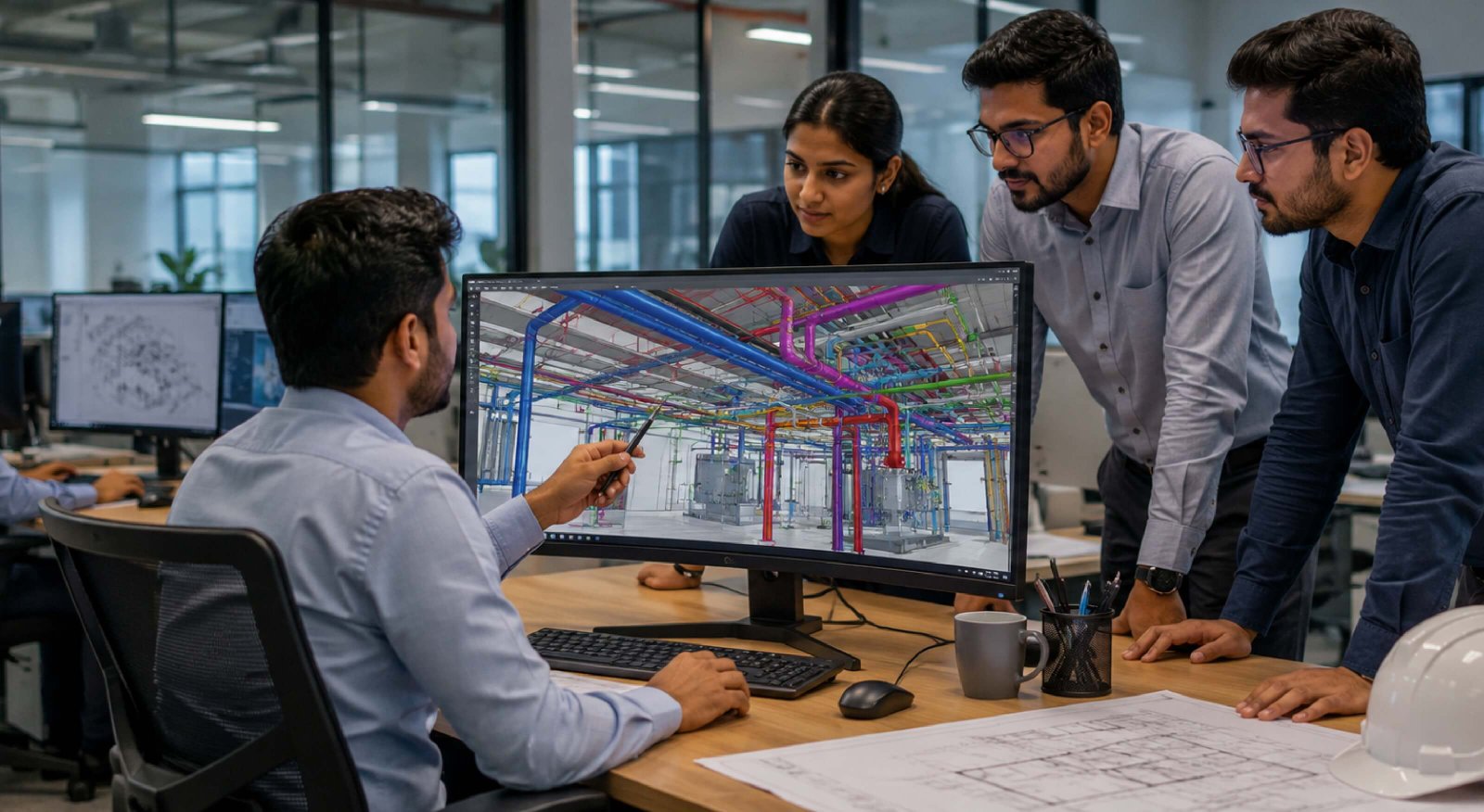
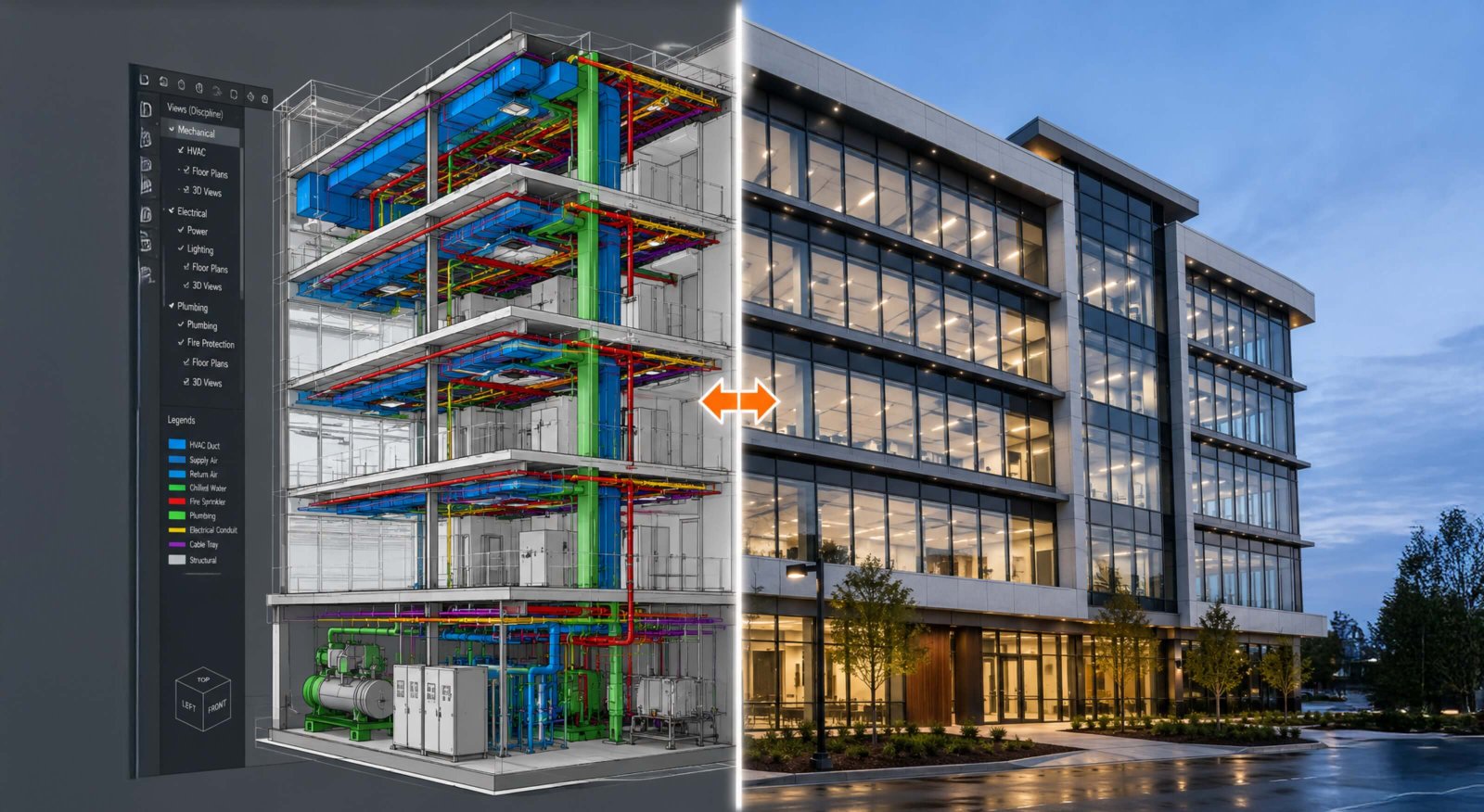
MEP BIM Services Role in Healthcare Facility Construction

Healthcare is a vast and evolving sector with critical demands on accurate facilities. Hospitals, healthcare centers, clinics, and high-end facilities require high-end, precise, and efficient construction. Accuracy is one of the key aspects of a project’s success, as it directly impacts patient safety, patient care, and overall facility performance. The hospital design and construction process must entail precision to ensure functional spaces, proper ventilation, effective infection control, and other essential elements.

Due to several aspects, healthcare facilities are complex building environments that must provide safe, reliable, and comfortable conditions for both patients and staff. In the realm of architecture and construction, traditional practices have often fallen short due to inefficiency, a high risk of errors, time-consuming processes, over-budgeting, and more. As advancements in technology reshape the AEC sector, professionals have numerous ways to enhance the quality of projects and overcome complex design challenges.

With building information modeling, architects, designers, and engineers ensure precision in design while reducing the scope of errors. Similarly, for healthcare facility construction, BIM modeling services play a crucial role in bringing the desired outcomes. However, hospitals, clinics, specialized medical centers, and other medical facilities demand the utmost accuracy in various aspects to maintain patient and staff safety. Given the critical nature of healthcare construction, MEP BIM modeling is a significant and holistic approach to ensure a facility’s safety and accuracy.

The role of mechanical, electrical, and plumbing, along with fire safety, in healthcare facility construction brings precise outcomes, coordination, and the overcoming of complex design challenges, among other benefits. As a matter of fact, MEPF BIM services meet the demands of healthcare operational efficiency along with practical solutions for enhancing the overall performance of the facility. MEP is a significant part of the architecture and construction landscape, serving as the heart of any infrastructure.

As a key player in the construction process, the integration of synchronized, accurate, and efficient MEP components ensures a safe environment, proper HVAC, an efficient electrical system, and a systematic plumbing system. Sophisticated MEP BIM modeling for hospitals and other healthcare centers provides precise development of a safe environment and ensures reliable conditions for patients, visitors, and staff. MEP is a key player in the complex design of healthcare facilities, enabling AEC professionals to enhance and maintain the accuracy in medical facilities. Explore more in detail how MEP BIM modeling serves for healthcare construction projects.

Upscale Healthcare Facility Design with MEP BIM Services

bim services

Complex Nature of Healthcare MEP Systems

Healthcare is a vast sector that demands precision and reliability in construction. The medical infrastructure differs from commercial or residential settings, as it requires specialized care units, infection control measures, operating rooms, diagnostic laboratories, and more. Medical infrastructure must support a variety of aspects to ensure patient safety, as well as the safety of visitors and staff. Considering the complex nature of healthcare construction, it requires specialized skills and expertise to ensure precision, reliability, and safety in the building. As the architecture and construction industry conceptualizes and plans the entire project with BIM modeling services, MEPF BIM services become a vital aspect.

Every type of infrastructure requires MEP systems for ventilation, heating, electrical, plumbing, and fire safety. All these components ensure a comfortable and livable environment for occupants. However, for healthcare facility construction, MEP is a vital aspect, considering the complex environment and the demand for highly accurate and efficient systems for clinics, hospitals, medical centers, labs, and other medical facilities. Mechanical, electrical, plumbing, and fire safety facilities accurate operational performance of the healthcare facility. Unlike commercial or residential buildings, critical care units, ICUs, labs, and more demand precision for the safety of patients. The following are some of the key factors of hospital infrastructure design using BIM.

  • 24/7 operation: Since hospitals and other medical centers operate 24/7, all building systems, from HVAC to water supply to electrical power, must be carefully drafted and maintained over time. With the help of MEP shop drawings, implementation, as well as project maintenance, becomes efficient, reliable, and accurate.
  • Building regulation: One of the crucial aspects of the healthcare MEP system is strictly adhering to building codes and standards. For medical facilities, rules, codes, and standards are stricter than other building types. For example, NFPA, CD, ASHRAE, and more are vital and specific requirements in MEP systems for safety.
  • Specialized medical equipment: Medical facilities have complex medical equipment that requires power or cooling systems. MRI machines, life supports, and more examples of equipment where precision in MEP systems is a must.

These are key factors showcasing the importance of Revit MEP for healthcare facilities. In fact, to ease complexity and ensure precision with high-quality design, AEC professionals leverage multiple approaches that assure the safety of patients, staff, and visitors. MEP drafting services also ensure that the design of each technical component is precisely done with the given dimensions, space, and geometry of the project. In the modern architectural era, MEP systems have played an integral part in the healthcare sector, enabling safety and efficiency in medical services while offering high-quality patient care. Following are some of the benefits of MEP BIM services.

Advantages of MEP BIM Modeling Services

Flexibility and adaptability
Increased efficiency and productive
Enhanced comfort
Reduced infective risk
Improved patient care

These benefits can last as long as MEP BIM offers rich insights into technical components, enabling MEP engineers and other professionals to ensure harmony among all components. As a matter of fact, MEP coordination in healthcare is also a pivotal aspect in the success of medical infrastructure construction. For constructing such a complex yet vital building, all the equipment, processes, components, and other elements must be in the correct position for optimal performance. Additionally, BIM clash detection in hospital projects is equally important to resolve issues without over budgeting the project or consuming unnecessary time accurately. Explore some of the key elements of MEP systems for a healthcare building.

Crucial Aspects of MEP BIM Modeling for Hospitals

Hospitals, clinics, and other medical centers are often renovated in a short period of time. The long-term success of healthcare facilities heavily relies on effective communication, coordination, accuracy, and harmony among MEP components. Thankfully, with development in the AEC landscape, MEP coordination drawings, drafting services, 3D modeling, and clash detection have offered quick solutions for complex design processes. Additionally, it enhanced the keen detail of the project, ensuring high-end precision while maintaining safety standards.

Building information modeling transformed the healthcare construction arena, allowing stakeholders to visualize, enhance communication, and also maintain harmony in the MEP system with the help of MEPF BIM services. Hospitals, medical centers, labs, and clinics require complex designs that demand the utmost precision and efficiency in maintaining the operational performance of the building. As a matter of fact, hospitals or other medical facilities are built faster with the help of Revit MEP for healthcare facilities. Due to the high complexity of medical infrastructure, MEP systems in the building have different aspects. The following are the major ones;

Key Factors of MEP Systems in Healthcare Facility

Infection control
Water and waste management
Specialized spaces
Electrical power
Medical gas systems
HVAC systems
  • Infection control: This is a significant aspect of a hospital infrastructure design. MEP BIM services contribute to ensuring an accurate ventilation system with special filters, proper airflow control, and temperature control, thereby reducing the risk of airborne pathogens and preventing the spread of infection. MEP drafting services play an initial role in enabling AEC professionals to understand infection control systems in the design.
  • Electrical power: In the MEP component, electrical holds a pivotal position. In the case of healthcare infrastructures, hospitals and medical facilities operate 24/7, which means that electrical operations will be utilized. MEP BIM enables seamless electrical power supply for the uninterrupted operation of medical equipment, provides adequate lighting, accurate automated controls, and more. The power supply in the design also includes backup power sources in case of an emergency.
  • Water and waste management: This is another vital aspect of MEP systems for hospitals. Maintaining proper water and waste management is crucial for ensuring hygiene in the medical center. The supply of clean water, prevention of backflow, seamless drainage of water, and efficient supply for patients require intricate plumbing drawings for the intended design of the infrastructure.
  • Medical gas systems: medical centers, surgical facilities, hospitals, and more, medical gas is crucial. The entire healthcare industry relies on medical gases, such as nitrous oxide, oxygen, and others, for various medical processes and operations. Moreover, the space management for this is yet another essential factor, with a regulated temperature as required. Having accurate ventilation and temperature control is essential.
  • Specialized spaces: In the field of healthcare, hospitals, and clinics have various departments or specialized areas. The role of MEP systems here is to maintain the requirement of rooms that may include isolation rooms with proper air filters and operating rooms with efficient electrical systems and lighting.
  • HVAC systems: HVAC is the core of MEP components and is crucial for every infrastructure. In the healthcare department, it is evident that accurate heating, ventilation, and air conditioning systems are necessary to provide adequate temperature as required. Additionally, HVAC systems also maintain humidity levels that offer patients comfort, facilitate quick recovery, and support medical rooms, among other benefits.

These key aspects of MEP systems in healthcare ensure accurate utility, comfort, operational performance, and efficiency, thereby enhancing patient safety. As a matter of fact, MEP BIM provides seamless and coordinated completion of hospital construction. With accurate drafting and coordination among MEP components, the design is validated, ensuring the building’s operational functionality is ensured. Along with MEP BIM, MEP coordination in healthcare is equally vital for maintaining and enhancing collaboration throughout the design process. The following are several benefits of MEP coordination

  • Design without clashes
  • Minimizes scope of errors
  • Better design results
  • Collaboration and communication
  • Seamless fabrication
  • Improved functionality

As the BIM 3D model is data-rich, it also offers insights into MEP components. The BIM model is a centralized platform allowing AEC professionals to coordinate and maintain harmony among MEP components. However, as crucial as the system is to ensuring hospital functionality, MEP BIM services demand specialized skills and expertise. AEC firms, amid chaos, outsource MEP BIM modeling services to reliable partners. Explore why outsourcing is a comprehensive approach.

Reasons to Outsource MEP BIM Services

In the vast field of architecture and construction, outsourcing has become a popular concept among professionals. As every AEC firm seeks significant ways to reduce costs and deliver high-quality projects, outsourcing services to experts is a beneficial approach. Due to a lack of expertise and high investment costs in technologies and tools, AEC firms outsource MEPF BIM services to renowned companies. Hiring a third party is beneficial compared to an in-house team, which requires significant training, exceptional infrastructure, investment in tools and software, hiring talent, and more. All this results in additional expenditure, which is offset by outsourcing BIM services. Following are some of the benefits of hiring MEP BIM service providers.

  • Dedicated resource
  • Access to technology
  • Quick turnaround time
  • Reduced errors
  • Industrial experience
  • Cost-effective

UniquesCADD is a top outsourcing BIM company offering exceptional BIM and CAD services. With a specialized team of MEP BIM modeling experts, UniquesCADD ensures efficiency and accuracy in each project at cost-effective plans.

Final Words

MEP BIM design for healthcare is a complex and challenging task in the modern architectural landscape. It requires a deep understanding of complex infrastructure design, expertise in various technologies, clarity in the medical environment, and proficiency in MEP BIM modeling, among other skills, for precision and efficiency in the project.

How Clash Detection Improves Collaboration Among AEC Professionals

Building information modeling services has emerged as a revolutionary technology in the AEC landscape. A marvelous technology has reshaped the working approach for architects, engineers, and contractors. However efficiency and accuracy have always been pillars of a project’s success. A small error in the project at any stage can lead to significant loss and delay in the project. Every infrastructure project entails critical components that make the building functional and comfortable. From appropriate lighting to air ventilation, all the elements in the building work efficiently when seamlessly fit together in the intended design. Furthermore, the architecture and construction industry is dynamic, constantly updating with innovation and technologies that help to enhance the current work process.

Many AEC professionals work on the same model, according to their respective fields and expertise. Every stage of the construction project encompasses critical processes and methodologies that demand the utmost accuracy and precision. It includes designers, architects, civil engineers, contractors, and more. Thanks to 3D BIM services, AEC experts can collaboratively work on the same model and stay updated with any modifications. This bridges the gap of communication and ensures a smooth workflow for project completion.

However, traditional practices and the involvement of different professionals can make the process more complex as each expert delivers their opinions to bring comprehensive solutions, which is why BIM is one of the revolutionary approaches that allows different AEC professionals to communicate effectively. During the various stages in the BIM model, harnessing clash detection in construction can be valuable. It will enable architects, engineers, and contractors to collaborate and quickly identify potential errors and clashes before the groundwork begins.

During various stages of architecture, the most critical aspect is the MEP component, where the chances of errors and clashes are high. Professionals leverage MEP clash detection in the BIM model to identify potential errors, location, and quick resolution. This ensures that the project is efficient, cost-effective, and accurate. Let’s understand BIM clash detection and how it allows architects, engineers, and contractors to improve collaboration from the start to the end of the project.

Hire Experts for Clash Detection to Resolve Conflicts Efficiently

bim services

Understanding Clash Detection in Detail

In the construction industry, there are multiple unforeseen conflicts, errors, and clashes during the different stages of construction. These errors or clashes may look small but result in significant costly rework, potential delay in the project, resource and material misuse, and much more. During the traditional era, architects, engineers, and other professionals faced challenges coordinating and communicating. This gap always leads to crucial and costly errors in the project. As BIM has redefined how projects are planned and executed, the AEC sector continues embracing other BIM tools that assure professionals can improve outcomes and overcome certain obstacles. Clash detection in BIM stands out in the building information modeling framework.

This is one of the indispensable features that provides quick identification and resolutions for potential clashes and conflicts in the different stages of projects. This proactive approach quickly identifies, analyzes, and resolves the clash within the BIM model, resulting in cost and time savings. As MEP is a significant and complex stage, MEP clash detection plays a crucial role in overseeing the seamless coordination among three disciplines. As a matter of fact, clash detection is a vital approach for the seamless integration of different construction components and elements within the 3D BIM model.

Quick identification and resolution of conflicts make it the most prominent process for architects, engineers, and contractors. This also results in improved communication and collaboration among various AEC professionals, allowing each expert to stay updated with current changes and achieve the best outcomes. Architects, MEP engineers, and other contractors seamlessly work on a BIM model that encompasses the details of geometry, spatial relationships, and other data that help professionals manage accurately.

Integrated with MEP components, clash detection plays a crucial role in identifying potential conflicts that can occur in the design. These conflicts may be expensive and require major rework in design that could consume crucial time. Additionally, it is also significant in BIM coordination services, ensuring each stage is error-free, well-coordinated, and seamlessly fits together to enhance the overall performance of the infrastructure.

Clash detection is an approach that significantly relies on software that analyzes the 3D BIM model. Overlaying different components and elements, such as mechanical, plumbing, electrical, architectural, and structural, is identified in the designing and planning stage, preventing costly rework and delays in the actual construction project. Above all, the following are the primary benefits of multidisciplinary BIM collaboration.

Benefits of Multidisciplinary BIM Collaboration

Improved accuracy and reduced rework
Enhanced communication and collaboration
Minimize on-site conflicts
Higher accuracy in construction drawings
Cost and time-saving
Facility management
Enhanced safety
Project optimization

These are some of the major benefits of clash detection in construction. As a matter of fact, the crucial process requires advanced technology use and expertise skills for accurate outcomes. In-house teams of resources are usually occupied in other core activities and lack the knowledge to understand the complex process. Therefore, partnering with a BIM services provider who specializes in BIM clash detection approach.

A team of experts ensures the accuracy and efficiency of the project while resolving conflicts with comprehensive solutions. Furthermore, BIM experts understand the complexity of MEP clash detection due to the involvement of different components to seamlessly fit together. With a significant and accurate process of detecting errors and conflicts, architects, engineers, and contractors enhance coordination that eventually results in the success of construction projects. In addition to this, let’s explore how BIM clash detection collaboration works.

UniquesCADD successfully developed clash detection and quantity takeoff for large-scale buildings, providing an in-depth understanding of how clash detection is implemented in the process.

How BIM Clash Detection Works?

As discussed, clash detection and its vital role in the industry has also become mandatory in any construction project, regardless of nature, type, or size. As the process in the 3D BIM model operates through an organized and automated approach to detect any conflicts, it encompasses a significant work procedure that entails a few steps. For a complex process to work accurately, it is evident that the process must be followed to gain accurate outcomes. As precision in the clash detection process will also be helpful in precise construction documentation, BIM coordination, including MEP BIM coordination, results in enhanced collaboration. Here are a few crucial steps for understanding how BIM clash detection works.

  • Step 1 Creation of BIM models: The foremost step is to create accurate 3D BIM models of different components, such as architectural, structural, and MEP, as they entail rich data of the project’s geometry, dimensions, spatial relationship, location, and other significant data. BIM modeling here is evident as each component’s model will be further utilized.
  • Step 2 Integration of models: Once each expert creates a model, it is integrated into a centralized BIM platform for digital representation of the entire project. This BIM model includes all the multidisciplinary components of construction.
  • Step 3 automated clash detection: After curating a single BIM platform, software for BIM clash detection is used to analyze the entire BIM model. The software for clash detection significantly identifies errors or conflicts in areas where the components overlap or clash with each other. The disputes may involve overlapping of two or more components, conflicting specifications, physical collisions, and more. Conflicts in the systems reduce building performance and increase risk factors in the long run.
  • Step 4 clash resolution: Specialized software for clash detection detects potential conflicts in the BIM model and offers comprehensive resolutions through a collaborative approach for AEC professionals. Holistic solutions for errors may involve reworking element positioning, modifying designs, and more to rectify the errors.

These are the four crucial steps for clash detection in BIM that operates on advanced software to automatically identify errors throughout the BIM model. Once rectified and modified, the BIM model further helps to streamline the workflow and enables AEC professionals to improve communication and collaboration.

Only building information modeling cannot enhance the collaboration. Architects, engineers, and other experts curated 3D models of the respective components. After the integration of each model into centralized platforms, possible changes are foreseen in the designing stage for all the professionals involved. This is one of the most crucial advantages as it offers a collaborative approach for every expert to stay updated with the ongoing process and bring accurate solutions. Identifying and resolving clashes in digital 3D models helps eliminate the possible risks associated with construction projects. While mitigating possible risks, clash detection in BIM also helps ensure safety precautions, compliance with standard codes and regulations, and high-quality building design.

Impact of Clash Detection on Project Success

With the significant process of BIM, clash detection offers a variety of benefits and enables AEC professionals to collaborate efficiently and streamline construction work. Identifying the clashes at an early design stage, AEC professionals ensure resolution within the model and bring effective solutions without compromising the quality. This intricate process results in cost savings and eliminates material wastage. As a matter of fact, clash detection in construction in modern times has become a significant role player, enabling architects, engineers, and contractors to seamlessly collaborate on the project, reduce material wastage, accelerate the process, and keep a progress track. This brings efficient results on the groundwork, ensuring an accurate and precise construction process.

With continuous advancement in the architecture and construction industry, clash detection in BIM will improve with the amalgamation of advanced software that helps optimize the overall construction process, improves communication, and more. For AEC professionals today, ensuring seamless harmony between various components and enhancing collaboration among architects, engineers, and contractors has become essential. However, to ensure the BIM clash detection results, it is essential to understand BIM coordination services. Coordination in BIM is a comprehensive approach to aligning the different components of projects.

This involves coordination of architectural, structural, fire safety, mechanical, and other components. Moreover, AEC experts focus on MEP BIM coordination as three disciplines require acute synchronization in the project for infrastructure to become functional. For accurate clash detection, BIM coordination is a crucial aspect to focus on that contributes to optimizing the project and enabling professionals and stakeholders to coordinate accurately. The following are key advantages of BIM coordination for clash detection.

Key Advantages of BIM Coordination for Clash Detection

Improved decision making
Safety and regulatory compliance
Eliminates rework
Enhanced productivity and pace
Better visualization
Minimize miscommunication

In modern times, BIM coordination for AEC teams and clash detection in the project have become significant and transformative approaches to achieving the most accurate and efficient results. As significant and crucial as these services are, outsourcing them is evident for precise results. Let’s understand how outsourcing to a reliable BIM service provider can be beneficial.

Outlook on Outsourcing BIM Clash Detection

The construction and architecture sector is growing rapidly with advanced technology and new innovations. Since its inception, BIM has reshaped the working environment for AEC professionals and resulted in the most accurate and efficient outcomes. As a vast concept in the architecture landscape, BIM and its related services are typically outsourced to a reliable partner.

In the advancing age, AEC firms partner with BIM consulting company to understand each aspect, importance, and precision in the construction project. In addition, AEC firms are preoccupied with various responsibilities, which enhances the possibility of outsourcing BIM services. Construction and architecture projects are critical due to the involvement of multiple stages, outsource BIM experts offers various advantages, including;

  • Accurate and efficient outcomes
  • Expertise knowledge
  • Strictly adheres to regulatory requirements
  • Timely delivery
  • Enhanced project outcomes
  • Increases ROI
  • Latest technology and software use

These are some of the benefits of outsourcing BIM services. UniquesCADD is a renowned and trusted outsourcing BIM company. With extensive experience and a strong clientele, the UniquesCADD team offers various BIM services. The team of experts ensures accuracy and reduces the risk of errors.

Ending Thoughts

Clash detection in construction is now a crucial aspect of any architectural project, regardless of its nature or size. It helps to ensure seamless harmony between various components and improve collaboration among architects, engineers, contractors, and various stakeholders.

Role of BIM in Facility Management of Infrastructure

The modern world has witnessed some astounding technological revolutions that have altered the reality of almost every sector of the economy. With continuous advancement, the AEC sector has also leveraged the power of innovation and technology, which has led to the sector’s growth. Over the years, innovations and introduction to new technology have been a significant part of the architecture and construction realm. This leads to some creative edge for architects, designers, engineers and other AEC professionals. Moreover, technology continues to shape how architects and engineers design, construct, plan, execute, and maintain the infrastructure. Nonetheless, the architecture and construction landscape is rapidly growing to meet the dynamic requirements of the market. With a constantly changing environment, building information modeling has emerged as a groundbreaking tool for AEC professionals to cater to simple and complex construction projects.

Today, BIM services have become a revolutionary tool for architects, engineers, and collaborators, changing how construction projects are perceived, designed, visualized, and constructed. With the help of BIM as a technology, the complexity of projects is catered to resolutions. However, the impact of BIM goes beyond the construction stage as it is a groundbreaking technology for facility management and maintenance of the infrastructure throughout the entire lifecycle.

Any construction project has various stages that demand acute attention, detailing, precision, and efficiency. As a matter of fact, BIM is a digital representation of the physical and functional components of the infrastructure and creates a 3D data-rich intelligent model that entails precise information about the building’s geometry, spatial relationship, geographic information, and other information. Implementing BIM services in the architecture project offers a collaborative platform for AEC professionals and facility managers to work together on the intended design, planning, and management of building.

Innovative Facility Management Solutions with BIM Technology

bim services

Since BIM enhances the designing, planning, and execution approach, it also goes beyond the construction phase. The 3D model helps AEC professionals cater to the project accurately and efficiently and helps facility managers maintain the building in its operational phase. During the operational phase of any infrastructure, facility management plays a pivotal role where implementation of BIM project management eases the factors of facility management. Let’s explore facility management in detail and how BIM plays a vital role.

Understanding Facility Management

In the architecture and construction industry landscape, planning and designing the entire project is different from the end goal, nor is the overall completion of construction. However, once the construction work is completed, the operational phase of the infrastructure begins, during which the facility management process plays a vital role. To ensure the building is operational in all aspects, efficiently and safely, the facility management process comes into focus.

The concept of facility management began in the 1970s as a multidisciplinary field with multiple aspects of physical infrastructure. Facility management entails a wide range of activities. All the activities are vital for the efficient operations, maintenance, and management of the infrastructure.

Additionally, it involves tasks such as space planning, asset management, preventive measures, energy management, and safety compliance. The goal of facility management is to ensure the infrastructure functions efficiently. Additionally facility management also offers a safe environment to occupants, and aligns with project objectives. However, facility managers often use a traditional approach. Practicing old methods and approaches limits the access to building information. Additionally, it hinders efficiency in the process and decision-making as the data provided is typically scattered.

Hence, the preexisting challenges of the traditional approach for facility managers require a more streamlined and data-driven solution that can enhance the process with the necessary information, tools, and insights to manage the infrastructure efficiently. Hence, the prominent use of BIM facility management comes into focus and emerges as a transformative technology for maintaining the building throughout its lifecycle. Let’s overview how BIM services play a powerful role in the facility management process.

BIM as Powerful Tool for Facility Management

The world of the AEC industry was quickly transformed when building information modeling came into existence. The groundbreaking technology altered the working approach in the architecture and construction realm. Today, the modern era of the architecture and construction industry leverages the power of BIM services for various factors that bring efficiency and accuracy to the project while maintaining collaboration, safety hazards, and detailing at each stage. As a matter of fact, BIM goes beyond the construction and designing stage as it is also involved in the post-construction phase. BIM project management helps maintain the project after construction, which means when the building is operational.

As a matter of fact, BIM in the post-construction stage helps facility managers enhance operational activities. BIM facility management offers multiple benefits as the 3D data-rich model provides a wealth of information, including 3D visualization, 4D scheduling, 5D cost estimation, a comprehensive view of the building components, systems, and more. Moreover, BIM offers the facility managers team easy access to essential information for efficient tracking and material specifications. Following are some of the key benefits of BIM for facility management.

Key Benefits of BIM for Facility Management

Increased Efficiency
Reduced Energy Waste
Condition Monitoring
Enhanced Energy Management
Improved Decision Making
Life Cycle Cost Analysis
Streamlined Maintenances and Repairs
Better Collaboration and Communication

BIM facilitates collaboration and improves communication between stakeholders and facility managers, which helps to ensure the health of the building. Not only this, but BIM offers unified platforms where all the essential data about the infrastructure is stored and accessible at the time of requirement. BIM project management facilitates the facility management process for the following aspects;

  • Asset Management
  • Space Management
  • Energy Management
  • Cost Management
  • Maintenance Management

BIM facility management enhances the post-construction phase and ensures the building is functional and has all the operational components. It also enhances the work of the facility management team, which carefully caters to various aspects of the infrastructure so that occupants can live safely and comfortably. In fact, advancements in technology will likely shape the future of BIM facility management, as will increased integration with IoT, advanced analytics, and interaction with augmented and virtual reality.

Wrapping Up

Building information modeling is a revolutionary and valuable asset for facility management due to its long list of benefits and resolutions to overcome some challenges with a comprehensive strategy. However, BIM facility management offers valuable insights into building operations. UniquesCADD is a leading outsourcing BIM service provider that is an expert in providing facility management processes by a team of professionals.

Integrating BIM in MEP Projects for Cost-Benefit Analysis

In the ever-evolving landscape of the architecture and construction sector, AEC professionals have found an excellent way to conceptualize, design, and construct the entire infrastructure. Therefore, building information modeling has been a groundbreaking technology and has showcased a novel way for architects, engineers, and designers to complete projects with precision and quality standards. As a matter of fact, since the inception of BIM technology in the AEC sector, the world of architecture and design has been transformed from the conventional approach to advanced methods of curating a project and ensuring all the requirements are fulfilled with precision.

As we all know, a construction process is an amalgamation of various stages that demand acute attention, detailing, and accuracy in order to bring fruitful results. Other than that, various aspects of any infrastructure project consist of essential components that help the project succeed, such as cost, resources, equipment, materials, and more. Besides, BIM technology integration has been useful for architects, engineers, and other collaborators in various ways, such as;

  • Improved efficiency
  • Reduced Cost and Wastage
  • Better Overall Project Cost Estimations
  • Useful Insights into the Project
  • Enhanced Communication and Collaboration
  • Better End Results

During the traditional days of the construction and architecture sector, cost management, resource allocation, and material takeoffs were tedious task. Besides, cost management plays an integral part of any project and often showcases the project’s success or failure. The estimated cost budgeting for any building project is done prior; however, exceeding the budget becomes a serious issue for stakeholders, architects, and engineers. Moreover, over-costing any project leads to failure in the process.

Enhance MEP Project with BIM Cost Analysis

bim services

As any project is consistent with various stages, it demands precise cost estimation in order to save the monetary value and ensure the project is within the estimated cost. The growth of the architecture and construction realm has been significant with the help of BIM services. This brings us to the discussion of beneficial areas where BIM plays a vital role in cost saving and estimation. BIM has always served effectiveness in managing and coordinating building projects. Although one of the critical areas of construction where BIM has proven to be highly successful in managing MEP systems.

Mechanical, electrical, and plumbing play pivotal roles as they are considered the heart of any construction project. An effective MEP consists of proper infrastructure functionality that helps create a livable, comfortable environment. However, MEP systems are complex to design to maintain harmony between the three systems. Any rework in the MEP services can be costly and time-consuming, which leads to understanding how building information modeling is effective for cost analysis in MEP projects.

Impact of BIM on Cost Analysis in MEP Projects

In the landscape of architecture and construction, cost and budget plays a foundational role. Without accurate costing of the project, taking the construction process ahead is nearly impossible. Accurate cost estimation is crucial for project success. It allows project resources to be distributed effectively for all stages. It is evident to accurately finalize the budget and strictly adhere to it as it helps to ensure profitability of the building project. However, the traditional cost estimation methods often lead to inaccuracies and inconsistency that result in cost overrun, delays, and mismanagement of project resources. This is why the use of building information modeling comes into focus. As a matter of fact, BIM technology has been beneficial for architects, engineers, and other professionals in various construction areas. It is one of the most beneficial and significant proven results displayed in MEP BIM services.

Considering the sheer importance and role of MEP systems, BIM technology helps in a variety of segments to ensure proficiency, accuracy, and efficiency. The impact of BIM project management on the construction process is a game changer. It comes in the spotlight in achieving significant cost savings. Let’s explore some major benefits of implementing MEP BIM services for cost analysis and savings.

Benefits of Implementing MEP BIM Services for Cost Analysis

Accuracy in Quantity Takeoffs
Visualization of Cost Impacts
Real-Time Cost Tracking
Life cycle Cost Analysis
Better Coordination and Communication
Improved Resource Allocation and Management
  • Accuracy in Quantity Takeoffs:- Integrating BIM into MEP projects allows professionals to perform accurate quantity takeoffs by fetching data from the 3D BIM model. This helps reduce manual overwatch and errors while offering accurate estimations of materials for MEP systems installation.
  • Real-Time Cost Tracking:- BIM technology helps maintain quantity takeoffs. It also allows MEP engineers and contractors to keep a real-time cost track that helps control budgets and informs project scheduling.
  • Visualization of Cost Impacts:- The 3D BIM model offers accurate visualizations of the entire project and better visualizations of cost, as the entire team can be associated with design changes and optimize the MEP systems to meet performance requirements within the estimated budgets.
  • Better Coordination and Communication:- BIM services improve collaboration and communication among professionals and stakeholders. By integrating BIM in MEP systems, clashes, and conflicts are detected at early stages, resulting in minimized costly rework.
  • Improved Resource Allocation and Management:- Integrating BIM facilitates efficient resource management for every MEP component, ensuring the accurate selection of vendors, pricing, and other details that help minimize cost and budget overruns.
  • Life Cycle Cost Analysis:- BIM is a groundbreaking technology that helps during construction and has also proven beneficial after construction. It helps to enable cost analysis using data for MEP maintenance and operation efficiency. This results in cost analysis in facility management and optimizing asset performance and value.

Implementing MEP BIM coordination services offers more significant benefits in the cost control and budgeting process of the MEP components and the other stages of construction. Besides, it also provides accuracy in MEP projects in various ways that lead to their success—implementing building information modeling fosters clear communication between the stakeholders, owners, and other professionals involved in the project to align the cost objectives.

Concluding Remarks

Cost estimation and management are significant areas of construction projects that demand quality control and attention. As the rise in technology has benefited the entire AEC realm, BIM is a groundbreaking technology for AEC professionals to be clear about cost estimation, management, and resource allocation, along with maintaining efficiency, quality standards, and accuracy in building projects. UniquesCADD is a leading BIM company, offering segments of BIM services and MEP services with a team of trained professionals and the use of cutting-edge technology.