Drafting & Drawings - Uniquescadd

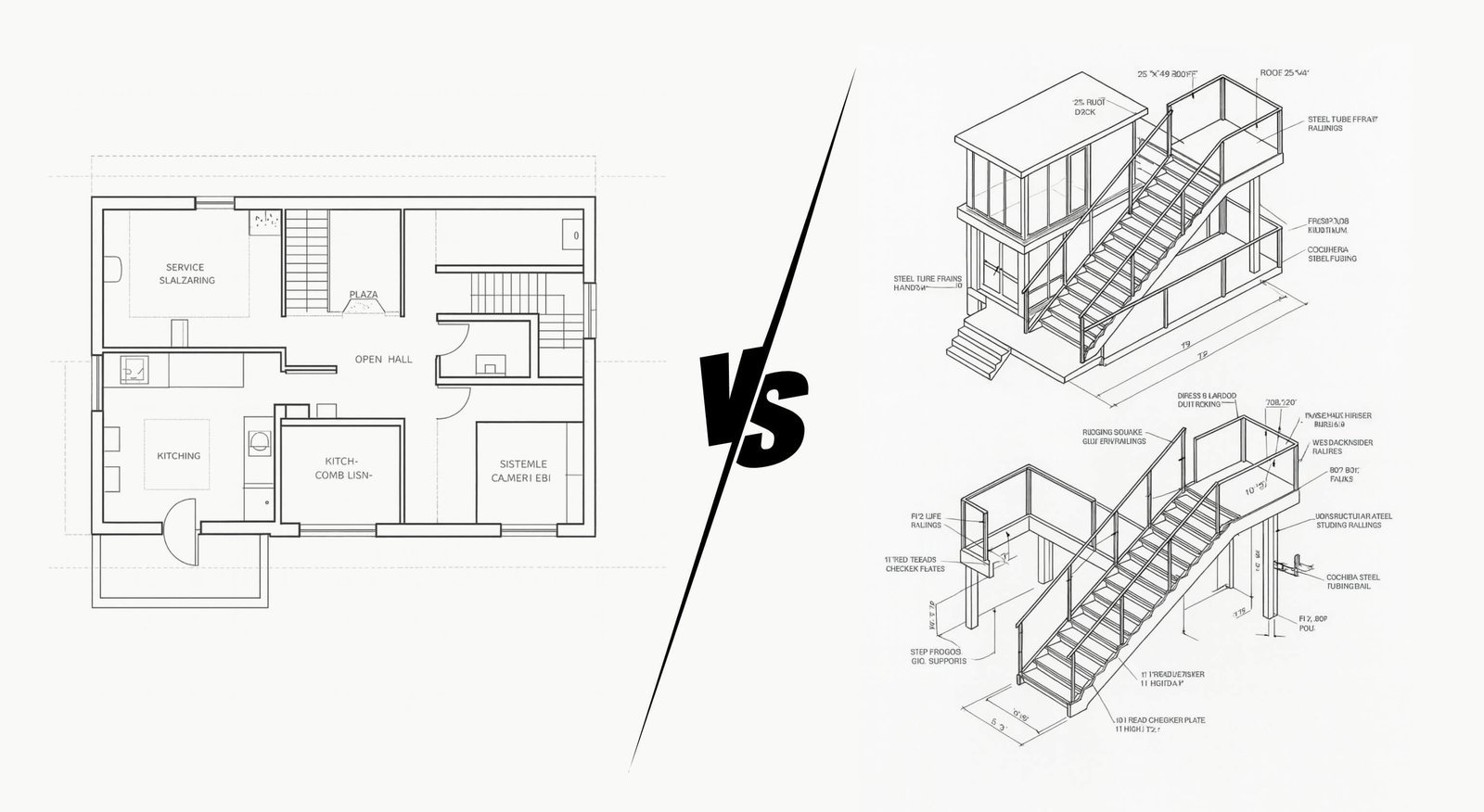
Shop Drawings vs. Design Drawings: Key Differences to Know

The architecture and construction realm is consistently growing with precision, efficient solutions, and sustainable practices. Technology and innovation are primary factors that have pushed the AEC sector to reap the benefits of a streamlined and accurate approach. Traditional methods no longer serve their purpose in the digital and modern era, as the demand for precision, reliability, sustainability, safety, and other qualities has increased among the public.

With the significant integration of technologies such as building information modeling, Revit families, and others, the work approach to the construction process has improved; however, drawings, designs, and blueprints still play a crucial role. Before 3D BIM modeling is made, a static, detailed, and generic drawing of the project is curated. This acts as a blueprint to understand the idea, concept, and design strategy for the infrastructure. Moreover, such blueprints help minimize significant costs and errors.

Drawings are the visual elements that enable AEC professionals to gain a quick insight into project planning. For accuracy in modern construction, drawings are the initial step in the planning and designing stage, as they help to bring the idea to paper. Moreover, these drawings also indicate whether the planned design is feasible and if it requires any changes according to the project’s requirements.

Usually, in the construction landscape, complexity depends on the design; accurate drawings bring efficient planning and design completion. For project success, drawings lay the foundation for the concept or idea; however, these simple drawings aren’t enough for successful project modeling. These drawings are further classified with technical details, labeling, dimensions, and other relevant information, enabling AEC professionals to gain a deeper understanding.

In the vast world of architecture and construction, shop drawings and design drawings are key aspects in any project. One is the foundational factor, and the other is detailed and technical sketches that offer precise information for 3D modeling and further stages of development. Design drawings, also known as construction drawings and shop drawings, have their advantages, but they are crucial as each type offers distinct benefits.

Moreover, the importance of drawings in the AEC realm enables professionals to design and manufacture with precision for fabrication. Architectural, structural, and MEP shop drawings services are the crucial aspects. On the other hand, design or construction drawings facilitate a detailed understanding of the concept. The difference between the two is thin yet vital; therefore, let’s examine each of their unique characteristics, roles, benefits, and more to ensure clarity.

Upscale Architecture Projects with Accurate Shop and Design Drawings

bim services

Key Insights to Design Drawings in Construction

Architecture and construction projects initially require drawings that depict the idea and concept. Typically beneficial for the planning, designing, and fabrication stage, blueprints or sketches are a vital part of the process. As briefly discussed, the construction industry consists of two types of drawings, each with a significant role to play. In the field of AEC, where precision and efficiency are paramount to project success, drawings are evident in the initial stages, allowing architects, engineers, and contractors to accurately understand the project design. During the initial stages, the design drawing is the foremost step.

Typically, these are technical illustrations or visual sketches that help in communicating the plans for a project, visualize the idea into a representation, enabling AEC professionals to construct with precision. As a matter of fact, design drawings are aesthetic visuals for communicating the plan and also include various types of drawings, such as concept, schematic, and detail drawings, and detail specific elements like structural elements, MEP components, architectural, and more. Architectural drawings, or per se design drawings, have three main purposes, as follows;

  • Communication: Design drawings are a key aspect of communication for AEC professionals, as they depict the designer’s vision to guide other professionals involved in the project.
  • Development: Initially, curated drawings are used for development, providing a foundation for detailed plans that allow professionals to refine them accordingly.
  • Guidance: Drawings for projects provide architects, engineers, and contractors with information to guide actual construction or fabrication processes, enabling them to match the design intent.

The above-mentioned points reflect the importance and purpose of the construction drawings. It offers accuracy in the subsequent process and helps architects, as well as BIM experts, to curate precise 3D BIM models. Design drawings also encompass various types that aid in fulfilling the intent of AEC professionals. The following are some of the key types of drawings for the initial stage of the construction.

Various Types of Drawings in Construction Projects

Concept drawings
Detailed drawings
Electrical drawings
Assembly drawings
Section drawings
Schematic drawings
Structural drawings
Plumbing drawings
Elevation drawings
As-built drawings

As design sketches or blueprints are vital for the fabrication and design stage of the project, they serve as an early stage of development, communicating the design intent and concept. Not only does it clarify the intent of design, but it also serves as a universal language for architects, contractors, and other professionals. The following are primary benefits of design drawings;

  • Enhanced safety
  • Detailed specification
  • Translation of ideas and concepts
  • Quality assurance
  • Streamlined production
  • Better communication
  • Minimized errors
  • Efficient project development

Design or construction drawings aren’t the only type, but it go into detailed and technical shop drawing services. Explore further in detail about shop drawing and understand what is the key difference between design drawing and shop drawing.

Overview of Shop Drawing Services

Architecture and construction are industries where technological advancements and consistent growth are integral. To accurately complete the construction project with precision and efficiency, drawings play a significant role. From the design stage to fabrication, blueprints or sketches help AEC professionals convey design intent, understand the concept, and enable architects and engineers to proceed accurately with the process.

Detailed or technical drawings are a pivotal part of any construction project, with specifications for every professional involved in the project. Technical, detailed drawings in construction are called shop drawings, which are essential for structural, MEP, and other elements. As a matter of fact, shop drawings involved specific details, dimensions, fabrication details, component installation, such as structural elements, building systems, custom-made products, and more.

Moreover, shop drawings enable us to bridge the gap between the design concept and the actual construction process, providing a technical representation of project execution. This represents the importance of shop drawings for AEC projects, as they include information about materials, dimensions, tolerances, requirements, and critical details for contractors and fabricators. Moreover, shop drawings in architecture and construction are complex in nature as they require intricate detailing.

This demands professional expertise, knowledge, software knowledge, and more. Therefore, outsource shop drawings is a holistic solution for AEC firms to get hands-on, precise, detailed technical sketches. Typically, the shop drawing approach is vital for construction, fabrication, and manufacturing due to a variety of reasons, such as;

  • Precise communication and coordination
  • Detailed representation
  • Fabrication guidance
  • Quality control
  • Early clash detection

The above-mentioned reasons also reflect the beneficial outcomes in the AEC realm. However, in the architecture and construction industry, different stages of the project require different shop drawings, such as

  • Architectural shop drawings
  • Structural shop drawings
  • MEP shop drawings
  • Millwork shop drawings

For different stages, shop drawings help represent the detailed technical aspects, enabling architects, engineers, and other contractors to understand the layout, elements for fabrication, and more. As a matter of fact, shop drawing offers significant perks in the AEC project, as follows;

Advantages of Shop Drawing Service

Improved communication and coordination
Enhanced efficiency
Streamlined fabrication
Higher quality outcomes
Accurate costing
Reduced errors

The list of benefits can be extensive for shop drawing services, but it may seem similar to design drawings, as each set of blueprints offers insights for AEC professionals and is significant for construction projects. However, there is a substantial difference between shop drawings and design drawings; let’s explore it in detail.

Shop Drawing Vs. Design Drawing: Major Difference

As briefly discussed, shop drawings and design blueprints offer a range of benefits and are essential for any architectural project, regardless of its nature or size. Each type of drawing serves a distinct purpose and plays a crucial role in ensuring precise, safe, efficient, and reliable construction processes. These drawings are used for 3D modeling, enabling AEC professionals to stay on the same page and understand the project’s design intent. As a matter of fact, shop drawing vs design drawing has been a crucial debate in the architecture and construction industry.

As they serve different purposes, it is notable to understand key differences. One offers an overall layout, style, aesthetic visuals, and project vision, while the other provides detailed and technical drawings, including dimensions, component locations, material properties, and more. Understanding the key difference between architectural drawings and design drawings can greatly enhance communication and collaboration among the design team, fabrication team, and execution team. The following states are the key aspects that differentiate one from another.

These are the major factors that influence shop drawings and design drawings, reflecting both differences and importance in the architecture and construction industry. As a matter of fact, each plays a crucial role for AEC professionals and contributes to the project’s success. At its core, each drawing aspect provides information for 3D modeling and the seamless execution of the project.

While a design drawing conveys the intent, a shop drawing provides detailed specifications of the components and their assembly. As these are critical processes that require expertise, outsourced shop drawings are the key solution for AEC firms to execute projects accurately. Outsourcing service providers ensure precision and efficiency in the blueprints by leveraging the right technology. UniquesCADD is a top BIM company in India, offering seamless shop drawings as well as design drawings by a team of professionals.

Final Takeaway

In the field of architecture and the construction industry, the importance of shop drawings and design drawings lies in facilitating a seamless construction process, ensuring the accurate fabrication, assembly, and installation of components.
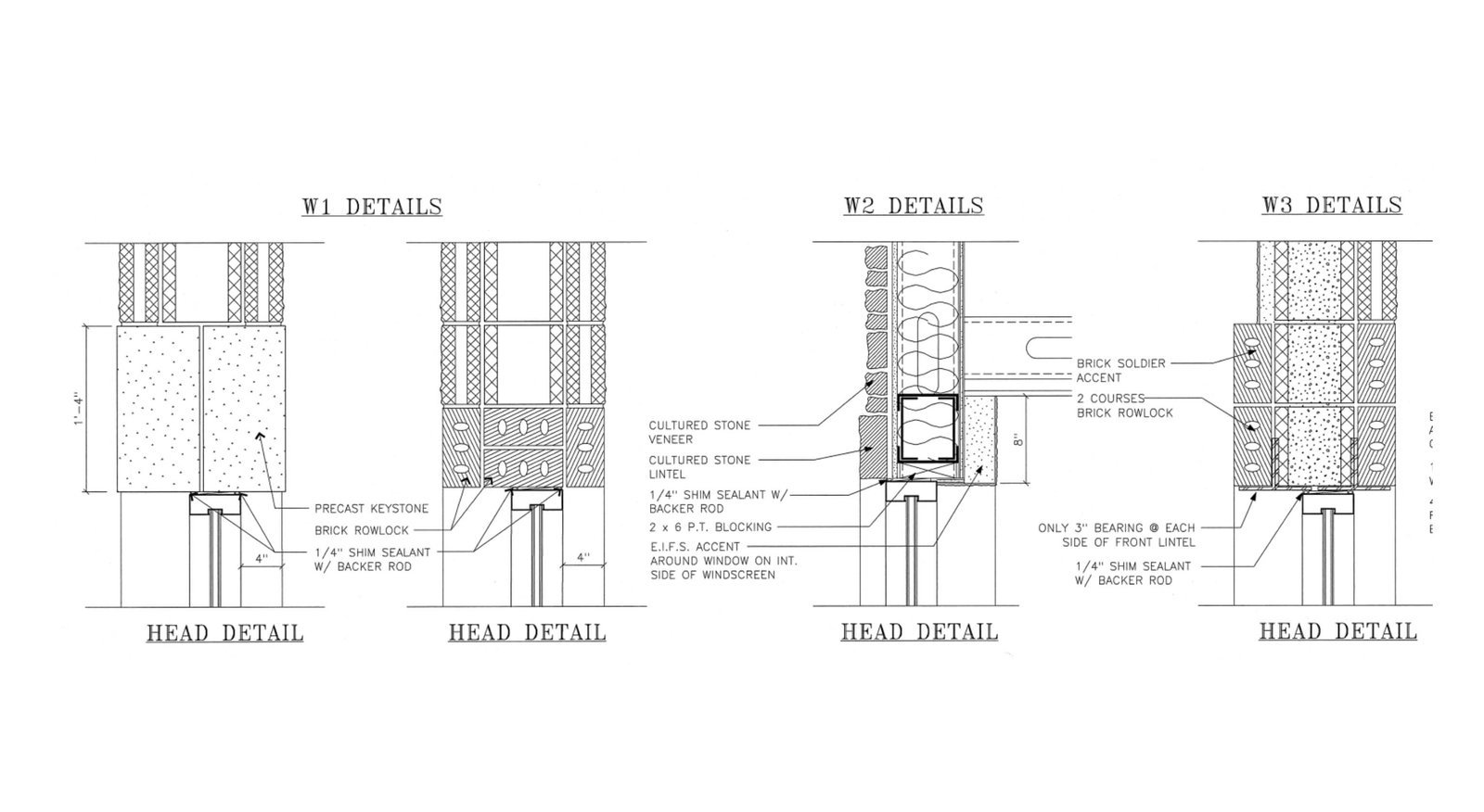

Role of Shop Drawing Services for General Contractors

In the fast-paced world of architecture and construction, efficiency, precision, communication, and collaboration are key aspects of project success. Over the years, AEC landscapes have undergone transformations that have led to significant revolutions, enhancing the collaboration between architects and designers. Since any construction project is a tedious and lengthy task, effective communication and collaboration between various professionals is essential. Additionally, it is evident to bridge the gap between design and actual construction to maintain precision and efficiency and adhere to the design intent. BIM services have been a most valuable tool in the modern architecture era, allowing AEC professionals to stay on the same page, improve project efficiency, create data-rich 3D models, enhance visualization, and more.

Every aspect of the construction is showcased in the BIM model, including MEP components. To ensure the design intent aligns with the actual construction, shop drawings are a vital part. Shop drawings in the modern AEC landscape allow professionals to communicate, maintain accuracy, enhance efficiency, and serve as a roadmap for contractors, fabricators, architects, and more. This set of technical drawings transforms design ideas into reality with accuracy and efficiency, enabling AEC professionals to collaborate seamlessly. Therefore, AEC firms implement shop drawing services to communicate the design intent and project specifications. In the crucial process of architecture and construction, technical drawings of the project showcase how the functional design of the building will work out.

Additionally, it helps fabricators to understand dimensions, specifications, geometry, and more clearly. In simple words, image shop drawings are detailed sketches of the infrastructure that depict design ideas in the actual construction plan of the infrastructure. Every AEC professional heavily relies on BIM drawing services for accuracy and to ensure all the elements are correctly integrated into the actual construction site.

These detailed sketches bring quality and precision to the structural part with actionable, detailed instructions for installing components and executing the design. As a crucial aspect of the architecture and construction realm, these drawings are also important for general contractors. Let’s explore in detail the importance of shop drawing and how it is evident for contractors.

Elevate Construction Accuracy with Shop Drawing Services

bim services

Insights of Shop Drawings Services

In the vast field of architecture and construction, every step must be accurate and efficient to deliver the intended results. Here, the significance of shop drawing services highlights a significant role. It is defined as technical drawings that represent the technical aspects of the project, including parts that are manufactured, assembled, fabricated, and installed on-site. These drawings may include diagrams, plans, or technical representations of components that are precisely detailed with specifications and dimensions required to fabricate and install the components, such as MEP elements, structural components, custom-made products, and more.

MEP shop drawings are more critical, considering the importance of MEP systems, their complex nature, and the need to maintain harmony between all components. As a matter of fact, shop drawings are essential for transforming design ideas into reality with seamless execution and precision. It also allows for streamlining communication, maintaining compliance, and saving significant time in the process. The following are the primary reasons why BIM drawing services are a vital component of an architectural project.

  • Resource monitoring
  • Compliance and quality control
  • Enhanced communication and collaboration
  • Precision and efficiency
  • Reduced errors
  • Streamlined project timelines
  • Improved coordination
  • Meeting design intent
  • Customization

The reasons as mentioned above highlight the importance of shop drawing. However, many professionals often confuse shop drawing with construction drawing. There is a significant difference between shop drawings and construction drawings. Each of them plays a major role in the execution of a construction project but serves different purposes in the process. In the complex nature of AEC, assuring efficiency and accuracy is one of the key aspects of success. These technical drawings bridge the gap between design and actual construction work. Apart from bridging the gap, shop drawing services offer excellence in different stages of construction, the following:

  • Fabrication and manufacturing
  • Installation and assembly
  • Coordination among components
  • Quality assurance

These are the significant stages where technical drawings are necessary. However, these services are crucial to the success of general contractors. Shop drawings for general contractors contribute precision and enable to ensure that each component of the infrastructure is well aligned. Let’s understand in detail what is the role of shop drawing for a general contractor.

Understanding How Shop Drawing is Beneficial for General Contractors

As briefly discussed, shop drawings bring success to construction projects. As a matter of fact, general contractors involved in the project also leverage the power of technical detailed drawings, ensuring accuracy in each component and accurate fabrication drawings. They offer intricate details, valuable information for fabrication and installation, coordination with other professionals, and more. All this results in enhanced project outcomes, reduced scope of errors, seamless design execution, and better resource management. The importance of shop drawings for contractors lies in their ability to bring accuracy and efficiency to the entire project. Here’s how it contributes to the success of the AEC project for general contractors.

Benefits of Shop Drawing for General Contractors

Improved communication and collaboration
Better resource planning
Cost and budget management
Minimize errors and rework
Accelerate construction process
Quality assurance and compliance
  • Improved communication and collaboration: Shop drawings offer detailed sketches for all professionals involved, fostering clear communication, clarity in understanding the design, and enhancing coordination among professionals. With the help of detailed drawings, it allows to streamline the complex process without any miscommunication.
  • Minimize errors and rework: It is evident that reducing the scope of errors and rework can help minimize budget increases. Moreover, shop drawing services offer intricate details that foster the identification of any error or conflict before actual construction begins. Detailed technical drawings enable contractors to ensure quality, precision, and efficiency during the execution, fabrication, and installation of all components. This results in minimized errors and time-saving.
  • Better resource planning: Resources in any AEC project are essential, and practical resource planning plays a crucial role in their efficient utilization. These BIM drawing services provide necessary information on materials, quantities, sizes, dimensions, and other specifications. This helps general contractors utilize resources and materials in the required amounts to minimize waste and achieve better cost control, along with efficient project scheduling.
  • Accelerate construction process: Construction projects are tedious and lengthy, requiring a significant amount of time. However, a precise set of drawings helps to seamlessly execute the construction project, as they serve as a technical blueprint for professionals to complete on-site construction. Contractors, subcontractors, fabricators, and other professionals involved coordinate efficiently with the correct information, resulting in faster construction completion and ensuring precision and quality.
  • Cost and budget management: Architecture and construction projects have a pre-decided budget and cost for materials and resources. Accurate fabrication drawings enable professionals to provide precise cost estimates and budgets for the project. These drawings offer insights into cost control and prevent budget overruns, resulting in the success of the constriction. Moreover, with detailed planning and an accurate construction process, the project can achieve cost savings.
  • Quality assurance and compliance: One of the primary aspects of any construction project is quality assurance and compliance with standard codes. Shop drawing services enable professionals to maintain the quality of each component in architecture, including structural elements, MEP elements, and architectural features, among others. Structural steel shop drawings, MEP shop drawings, and other documents enable professionals to enhance quality, avoid conflicts, and ensure precision during the on-site execution of plans.

These are some of the significant factors that help general contractors on AEC projects ensure accuracy and efficiency. As a crucial part of construction projects and a beneficial approach for general contractors, various types of shop drawings enable precision and quality. Explore different types of technical drawings.

Different Types of Shop Drawings in AEC

As discussed briefly about, shop drawing services for general contractors come in a variety of types. Providing specific information about how several different elements of the infrastructure will be manufactured, assembled, and installed. As a matter of fact, these drawings are also a significant part of construction documentation, offering rich insights into component specifications. There are various shop drawings that contribute to project success. Following are;

Variety of Shop Drawings in AEC

Architectural shop drawings
Mechanical shop drawing
Structural shop drawing
Electrical shop drawing
Fire safety shop drawing
  • Architectural shop drawings: These are the types of drawings that offer detailed information about the architectural part of the project. This may include doors, windows, staircase, and other features. Intricate detailing and specifications enable contractors and fabricators to execute projects with precision, adhering to the design intent.
  • Structural shop drawing: A structural steel shop drawing focuses on structural components, including concrete, steel, columns, connections, beams, and more. Structural shop drawings ensure the integrity and withstand a load of the structure, assuring precision and quality in the project. In fact, structural shop drawings enable contractors to understand the detailed specifications of structural elements for accurate installation on actual construction sites.
  • Mechanical shop drawing: In any construction project, the mechanical shop drawing plays a pivotal role, as it provides detailed specifications of mechanical components, including HVAC, ductwork, plumbing, and more. It offers accuracy in the process and minimizes the scope of errors on the actual construction site. Detailed technical drawings also help contractors follow standard guidelines, project specifications, and more for an accurate fabrication and installation process.
  • Electrical shop drawing: A shop drawing for electrical systems offers information about the layout, specifically the installation of electrical components, including wiring, conduits, panels, and more. Since electrical elements need to be securely installed, contractors and fabricators refer to technical shop drawings to understand how to implement the electrical design.
  • Fire safety shop drawing: The fire safety component has recently become a significant part of MEP systems. Shop drawings for fire safety involve creating accurate and detailed drawings of the fire safety layout, including components such as sprinklers, exit routes, fire alarms, suppression systems, and more.

Shop drawings are a pivotal part of the AEC landscape, offering technical details to manufacturers, contractors, and fabricators. Typically, these detailed shop drawings are created by contractors or subcontractors. These sketches bridge the gap between the architect’s design and actual execution by construction professionals. General contractors or subcontractors collaborate with architects and engineers to address significant challenges and improve communication.

Moreover, professionals who create shop drawings understand the project details and specifications while strictly adhering to industry standards and codes. This enables a collaborative approach to ensure that drawings accurately reflect the design, comply with relevant codes and regulations, and facilitate seamless construction without compromising safety.

These drawings are of great significance and require expertise, attention to detail, and effective communication with every individual involved in the construction. Therefore, outsourcing shop drawing services by reliable firms is a holistic solution for AEC. Outsourced shop drawings enable AEC experts to have hands-on, accurate, detailed, and technical drawings for further processing. Discover how outsourcing can be a beneficial solution.

Outsource Shop Drawing Service

BIM drawing services play a crucial role in ensuring accuracy and quality in the project. Being a significant aspect of the modern architecture era, specialized skills, expertise in software, brief understanding, keen attention to detail, and adherence to industry standards are a few evident aspects. Moreover, having an in-house team can be expensive due to the costs of hiring resources and investing in infrastructure, software, and the necessary tools required for the accurate execution of the process.

Therefore, to avoid any extra expense and ensure hands-on, precise shop drawings, outsourcing is a key solution. Outsourcing service providers ensure quality, reliability, and accuracy, as their teams of experts are well-versed in the process and strictly adhere to standards and codes. As a matter of fact, outsourcing shop drawing service providers adapt to the latest technology and approach for enhanced results.

UniquesCADD is a renowned outsourcing BIM company with expertise in shop drawing services and construction documentation. With a team of professionals and the latest technology use, UniquesCADD offers a variety of precise shop drawing results. Following are some of the benefits of partnering with us.

  • Tailored solutions
  • Expertise knowledge
  • Access to technology
  • Quick turnaround time
  • Accuracy and efficiency

Final Thoughts

Shop drawing services play a critical role in the success of architectural projects. Serving as a roadmap between design and actual construction, these technical drawings allow professionals to maintain harmony, efficiency, and accuracy among different construction components. These technical drawings ensure accuracy in actual construction, maintaining standards, codes, and safety.

Mechanical Drafting Services Role in the Mechanical Industry

Technology and innovation have become a significant part of the world. In the global economy, industries continuously seek accuracy and precision as they have become cornerstones of success. Efficiency, precision, attention to detail, and accuracy are paramount to every project’s success in the landscape of architecture and engineering. As we live and breathe in the era of technology, everything is outperformed with machines and equipment that enhance the process and offer accurate results. In the landscape of mechanical engineering, design precision is one way to achieve the goals. Considering that technological advancements and the rise of complex designs have surged, mechanical drafting is important for engineers and other professionals.

Mechanical drafting services play a crucial role in the mechanical industry as they offer enhanced and innovative design ideas for development. Technological advancements and emerging innovations are eliminating the traditional approach in the AEC sector. Moreover, it is a crucial process that bridges the gap between concept and reality. The bridge helps to make accurate prototypes for professionals. Mechanical drafting allows engineers to design an idea that is functional, efficient, and fits the requirements. However, the meticulous process demands the right skill set, encompassing a wide range of applications that may include manufacturing, architecture, civil engineering, product design, and more.

With a wide range of applications, mechanical drafting in the mechanical industry is crucial as it is responsible for creating detailed technical drawings, plans, and schematics that are the base of any mechanical project. Designing a piece of new machinery, developing HVAC systems, or projecting the layout of a facility, mechanical drafting service holds great significance. As a matter of fact, this meticulous process brings the idea into a reality that serves the needs of architecture or the mechanical processes.

Precision in Technical Drawings with Mechanical Drafting Services

bim services

In simple terms, machines and other equipment have been in the industry to ensure smooth functioning. Although every small to significant component of the machinery tools must be impeccably designed and drafted, professionals from the mechanical or architecture industry implement mechanical drafting services representing the machine’s assembling and its core functions. Let’s explore in detail about mechanical drafting importance, benefits, and how it helps professionals ease the meticulous process.

Defining Mechanical Drafting Services

In the engineering landscape, accuracy is a must to ensure no errors or clashes occur. Traditionally, hand-sketched blueprints and drawings lacked precision, consumed a lot of time, were prone to errors and rework, and more. As technological advancements prevailed, computer-aided design (CAD) came into existence, significantly easing the complex and time-consuming process of mechanical drawings. Defined in simple terms, mechanical drafting is creating detailed drawings that represent how the machinery or the product will look and function. These detailed drawings act as a blueprint for manufacturing mechanical components.

In fact, mechanical drafting in the mechanical industry offers standardized visual language that helps engineers, manufacturers, and architects understand the design specification and utilize it in the project with proper functionality. The meticulous process of mechanical drafting for industry utilizes CAD software that helps to curate accurate and detailed 2D and 3D models of mechanical components. With CAD software revolutionizing the landscape of mechanical drawings, it has offered experts more efficient and accurate means of modifying, analyzing, and creating mechanical component designs.

Understanding the Importance of Mechanical Drafting

As the definition above suggests, meticulous and detailed technical drawings are mechanical drafting services. The role of technical drawings in the engineering, mechanical, and architecture industries is crucial as these detailed drawings help bring ideas into reality and offer an understanding of every mechanical component with its functionality. Apart from that, mechanical drafting for industry provides a variety of benefits, such as;

Benefits of Mechanical Drafting Service

Precision in design
Streamlined design process
Better visualization
Cost reduction
Compliance with standards
Prototype and testing
  • Precision in design: Accuracy and precision are among the primary advantages of an efficient mechanical drafting service. Drafters and experts can use CAD software to create detailed designs with proper measurements and dimensions to ensure every mechanical component fits seamlessly into the design.
  • Cost reduction: The detailed mechanical drawing process helps professionals to identify design errors before production begins and rework on the design for accuracy. This enhanced process helps to save time and money on rework and potential project delays.
  • Streamlined design process: Mechanical drafting allows engineers and drafters to refine the design more creatively as these drawings are crafted in CAD software. Modifying, updating, and sharing among other professionals makes collaboration seamless without any lack of communication.
  • Compliance with standards: Every mechanical component design entails relevant codes, standards, and safety requirements. Mechanical drawings help drafters avoid potential legal and operational issues by strictly adhering to the standards and codes.
  • Better visualization: A 2D or 3D model of the mechanical components allows stakeholders and other professionals to visualize the product before it can be used. This extensive process also helps reduce the rework and identify any functional issues.
  • Prototype and testing: Mechanical drafting creates a prototype of the machinery or the product that is further used for testing and validation before it can be used functionally.

Outsource Mechanical Drafting Services with UniquesCADD

As discussed, mechanical drafting and design are part of the architecture and construction industry that helps with HVAC systems. This process is often implemented for MEP systems, preferably as MEP drafting services. Furthermore, mechanical CAD drawings enable AEC professionals or MEP drafters to create detailed technical sketches of MEP disciplines separately, with intricate information for each. This technical and meticulous process demands specialized skills, knowledge, extensive technology use, CAD proficiency, and many other factors to achieve the desired results.

Therefore, it is necessary to get the process done by professionals or an expert team to efficiently manage the complex profession of mechanical drafting services. Outsource the engineering drawing services by UniquesCADD, a renowned outsourcing mechanical drafting provider. As a top outsourcing firm, UniquesCADD offers a broad spectrum of 2D and 3D mechanical drawings for design engineers or fabricators by a team of professionals using advanced hi-tech tools for accurate and efficient results. The following are the extensive services;

  • Mechanical fabrication
  • Mechanical drafting
  • Mechanical part drawing
  • Assembly drawing

Final Thoughts

In the advanced realm of the mechanical sector, mechanical drafting services are an exceptional process which is crucial for mechanical professionals or drafters. It enables drafters and engineers to have detailed technical drawings, which further help improve productivity, design process, and accuracy in mechanical projects while minimizing errors.