Visualization & Designing - Uniquescadd

Architectural Visualization for Hospitality Projects: Hotels, Resorts, and Restaurants

In the ever-evolving ever-evolving business landscape, hospitality is the industry where showcasing an excellent guest experience is a standard for remaining competitive in the market. In today’s era, the hospitality sector is rapidly growing, offering exceptional service that attracts guests to return for the same experience. From hotels, resorts, and restaurants, one of the primary goals is to create a remarkable ambiance that matches the brand’s vibe, address emotional needs, provide holistic services, offer unique and memorable experiences, and more.

Hotels, resorts, and restaurants are continually striving to enhance and enchant their service for customers. To create an exceptional ambiance and environment that represents brand values, the hospitality industry seeks modern solutions by adopting architectural visualization service. Revamping old aesthetics or constructing new adobe, hostels, restaurants, and resorts employs a visualization approach to achieve an impactful outcome.

Moreover, this approach has enhanced industry standards, design philosophy, guest-centric ideas, and architectural details thoughtfully designed, among other benefits. Imagine being able to view the lobby of your new hotel with intricate details and interiors. Thanks to modern technology, the hospitality industry can now design guest-centric environments that are convenient, comfortable, and offer a high-end experience.

In the architecture and construction industry, technology has transformed the work approach. Today, in the modern era, the ability to visualize the design or space before it’s built is not only marvelous but has become increasingly important. With the help of powerful tools, 3D interior visualization has become a prevalent approach in the hospitality industry for creating an impeccable guest experience in hotels, resorts, and restaurants.

As a matter of fact, it allows hospitality industry business owners to overcome design challenges and transform businesses to attract more guests. 3D rendering enables business owners to make design-centric decisions, streamline processes, and ensure the interior of the facility aligns with the brand value before it is implemented in reality. Let’s delve deeply into how 3D architectural rendering for hospitality projects is beneficial in today’s digital landscape.

Elevate Hospitality Projects with Architectural Visualization

bim services

Key Insights to Hospitality Architectural Visualization Services

In the hospitality industry, visual appeal is a significant aspect of influencing guest’s decisions. For example, when booking a travel app, a customer is more likely to be appealed by the photos uploaded by the property owner compared to the reviews below. These photos are enhanced, attractive, and of areas where guests are likely to spend time. Nowadays, due to fierce competition in the hospitality industry, people typically upload a 360-degree view of the room or property to attract more customers.

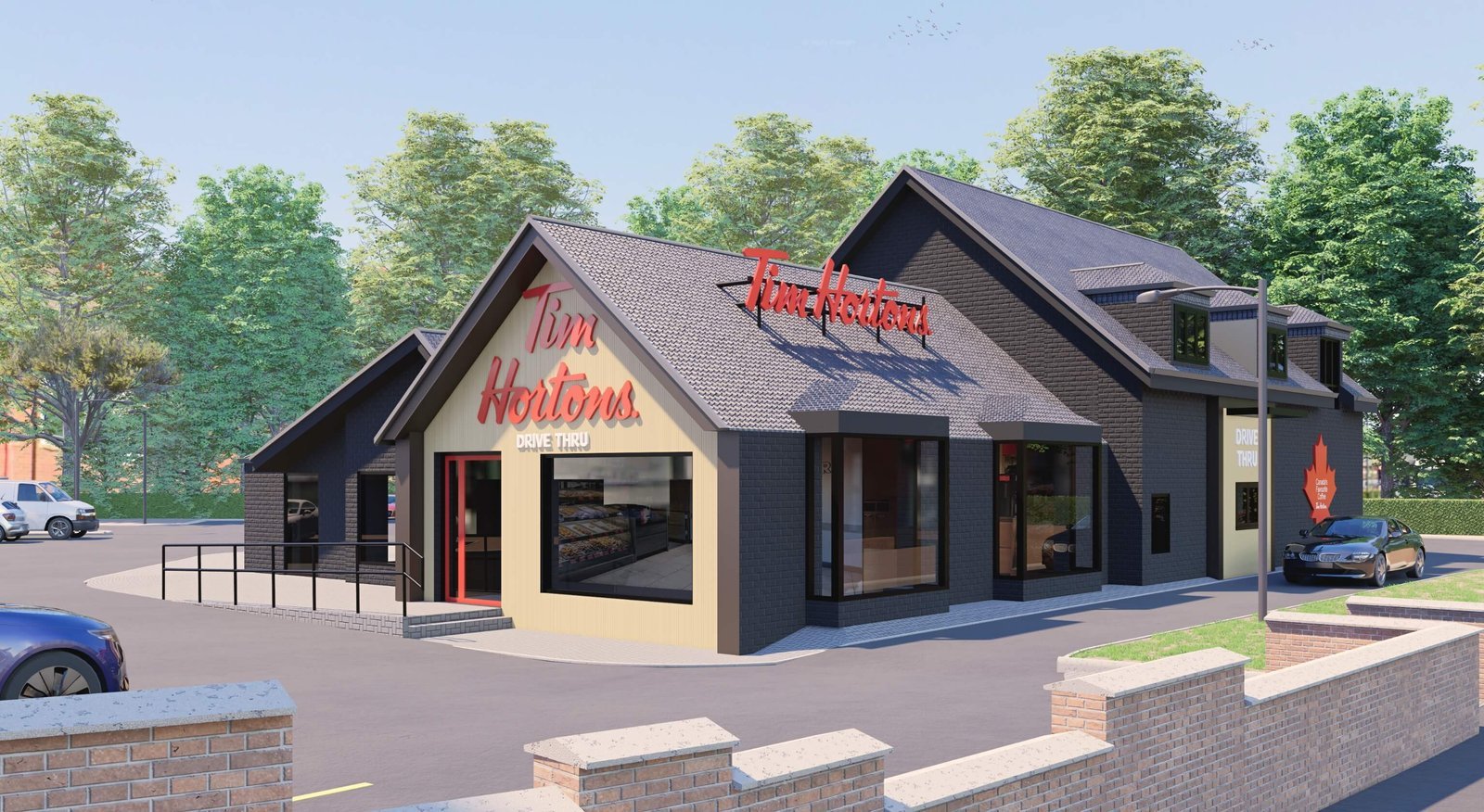
This is where the role of 3D rendering for hotels and resorts is highlighted. In the hospitality industry, restaurant owners, hotel owners, and resort owners are continually seeking ways to create an immersive, functional, and aesthetically appealing ambiance. As design plays a significant role in enhancing customer experience, 3D visualization for real estate properties, including hotels, boutiques, resorts, villas, restaurants, and more, is crucial.

3D rendering technology is a transformative approach in the hospitality sector that bridges the gap between architectural reality and creative ideas. This, moreover, allows architects, designers, and stakeholders to visualize the idea in enhanced photorealistic rendering with intricate detail. Today, this transformative approach isn’t only a luxurious resource but a necessity for future environments. In simple terms, 3D rendering offers a glimpse into the future, showing how the environment, space, or ambiance will look. Moreover, this technology allows architects and designers to turn creative ideas into aesthetically appealing visuals that represent every minor detail, from daytime lighting in space to evening moods.

Additionally, it also includes the texture of the walls, furniture sets, decor articles, and more. This drives more sales, bookings, and reviews in the hospitality sector. Similarly, for restaurant visualization design, customers can review the place and ambiance before visiting for the required occasion. In fact, the hospitality sector’s implementation of architectural visualization services encourages owners, investors, and customers to review the property or space before the groundwork begins.

Architectural visualization technology eliminates potential errors, replaces complicated sketches or mood boards, offers a life-like vision, and evokes realism in the rendered visuals. The following are some of the key benefits of 3D rendering for hotels, resorts, and other types of hospitality properties.

  • Enhanced communication and collaboration
  • Improved marketing
  • Increased conversion rates
  • Minimized rework
  • Optimum use of resources
  • Streamlined workflow
  • Efficient decision making
  • Better guest experience
  • The budget and project scheduled
  • Design flexibility
  • Unmatched realism

With the benefits above, the list can go on for 3D interior visualization that extends beyond mere visuals. Promotional materials, attracting investors, true-to-life renderings, and more are a significant part of this comprehensive approach. As a matter of fact, these visually appealing renderings and designs are done with a definitive purpose and elements that make great hotel and resort architecture rendering.

Key Elements of Hospitality Architectural Visualization

In the vast and ever-evolving field of hospitals, where the guest experience is the pillar of success, aesthetics may win the heart, but functionality adds value to the space. Therefore, exceptional design isn’t just about visual appeal but must also be functional, enhancing the customer experience and enabling them to keep coming back. In the design, functional elements or components play a significant role in architectural visualization for the hospitality sector.

In fact, 3D models can be easily tweaked, altered, or modified to offer multiple design options, allowing enhanced decision-making for architects, designers, and customers. The following are some key elements for creating an improved 3D visualization of a hotel, resort, or restaurant.

Major Elements of Architectural Visualization

Flow and Function
Sustainable choices
Atmosphere
Accessibility for all
  • Flow and Function: 3D architectural rendering helps test the flow of people and operations in hotels, resorts, or restaurants, enabling a seamless experience in reality. Flow and function through 3D rendering allow designers to understand the circulation without any confusing pathways for staff as well as customers.
  • Atmosphere: Creating an atmosphere that resonates with the brand’s value is one of the critical elements. Visualization in the hospitality sector helps enhance the ambiance of the space and improve the overall tone according to the property’s vision. For example, a restaurant aims to have a cozy ambiance, while a resort aims for a dreamy, lavish, and spacious ambiance. Each of the property’s tone of space or environment will have different colors, decor, and lighting that ensure the achievement of the intended mood.
  • Sustainable choices: In the AEC, real estate, and hospitality sectors, sustainability approaches have become increasingly common. It is no longer an option but has become a mandatory process. With the help of hotel and resort architecture renderings, architects can model sustainable, energy-efficient, and green building layouts or designs, aligning with project requirements.
  • Accessibility for all: In the hospitality landscape, designers can ensure the layout or design of the property is inclusive for guests, providing all amenities without compromising or revamping the design at the last minute. This saves time, effort, and rework in the project as it represents clear visuals of the property.

These are significant elements of 3D visualization of hotels, resorts, and other hospitality properties that infuse functionality, ambiance, and aesthetic visual appeal.

How Hospitality 3D Architectural Visualization Refine Project

As briefly discussed, the benefits of 3D renderings and key elements that enhance visualization are evident; however, it isn’t an easy process. Hospitality architectural visualization services are complex, tedious, and a lengthy process that cannot be completed overnight. The stages of rendering demand intricate knowledge of software, project understanding, and proficiency in transforming creative ideas into visually appealing materials.

In fact, interior visualization processes encompass various types, including photorealistic rendering, 3D walkthroughs, and views of interiors, exteriors, and aerial perspectives. Creating a visually appealing and functional 3D view of a hospitality property involves multiple phases, enabling designers and architects to bridge the gap. Following is a generic process that can be altered according to the type of architectural visualization.

Significant Steps for Visualization Process

Ideation & Conceptual Approach
Digital Modelling
Detailed Design Layouts
Materiality and Lighting
Final Rendering & Animation
  • Ideation & Conceptual Approach: The first stage begins with understanding the brand’s story, ideations, goals, and a guest-centric approach. This is where stakeholder shares ideas and thoughts that are crucial for aligning the project design with the objectives, mood boards, tone, and spatial requirements.
  • Detailed Design Layouts: Based on the project’s vision, concept, or ideation, designers map out precise floor plans, spaces, and spatial arrangements. This stage anchors the vision in a physical context, allowing precise rendering that mirrors the real world.
  • Digital Modelling: Leveraging cutting-edge software, 3D designers or visualizers construct the space digitally, layering in architecture, interiors, furniture, decor items, materials, arrangement, and even outdoor landscaping to build a realistic replica, showcasing how the property will look after the final production.
  • Materiality and Lighting: Once the digital modeling is complete, visualizers aim to incorporate finishes, textures, shadows, and lighting effects that reflect the space’s look and feel at various times of day or moods. This stage is critical for mood-setting, accuracy, decision-making, and understanding surrounding the best guest experience.
  • Final Rendering & Animation: High-resolution images and cinematic walkthroughs are generated at the final stage of architectural visualization. These visuals help with accurate internal planning, as well as attracting investors to the projects and exciting future guests. Moreover, this also plays a crucial role in decision-making and developing marketing strategies in the vast hospitality market.

The above-discussed stages are generic and can be modified according to specific requirements and project needs. However, as technology advances in AEC, it impacts 3D visualization services, which alter the approach to deliver high-quality results, accelerate projects, and offer a more attractive appeal to the surroundings. Explore the future outlook of 3D interior visualization in depth.

Future Vision of Architectural Visualization Services

Technology and innovation continue to advance, enhancing the current scenario with more effective and impactful outcomes. Similarly, the world is moving forward with cutting-edge technologies that are affecting architectural visualization. Looking forward to the future, driven by innovative advancements and approaches, 3D visualization services have a promising future, considering the integration of AI, VR, AR, and more. These innovations will enhance collaboration, streamline workflow, increase realism in visualization, and accelerate project completion. The following are major technologies that will surely be advantageous in 3D architectural rendering for hospitality projects.

  • AR and VR Integration
  • AI-Powered Approach
  • Real-Time Rendering
  • Sustainability Visualization
  • 3D Printing

These are a few technologies that are the future of architectural visualization, improving accessibility, collaboration, pace, and collaborative nature with increased efficiency. Typically, hospitality sector firms have numerous tasks and look for novel ways to implement visualization. As the industry understands the importance of offering high-quality visuals, it is evident to hire experts to achieve accurate results. Discover how partnering with a BIM consultant company can be beneficial for hospitality projects.

Outsource Architecture Rendering Services: UniquesCADD

Technologies and innovations will continue to impact the architectural visualization service approach, yielding higher quality and enhanced outcomes. As the hospitality sector is vast, business owners often lack visualization expertise and seek ways to reduce expenses. Outsourcing to a reliable BIM consultant company with expertise in visualization services is a fruitful and novel solution. In a constantly evolving sector, outsourcing helps to cut costs while achieving hands-on, accurate, and desired outcomes. Recently gaining popularity, outsourcing architectural visualization experts offers various benefits and accuracy in the project, allowing hospitality business owners to focus on other crucial tasks.

Meanwhile, outsourcing experts are well-versed in processes, proficient in software, and can adapt to evolving technology, among other valuable skills. UniquesCADD is a top outsourcing BIM consultant company with expertise in architectural visualization. A team of professionals, cutting-edge technology, and proficiency in the process bring the most accurate project outcomes. Partnering with UniquesCADD brings numerous benefits, the following are;

  • Transparent pricing
  • Access to technology and experts
  • Quick turnaround time
  • Industrial expertise
  • Tailored solutions

Ending Thoughts

Hand-drawn sketches, mood boards, or manual workflows are in vain, as the competitive market demands quick and accurate outcomes. With architectural visualization services, the hospitality industry can enhance project goals, attract more guests, streamline workflows, and improve communication, resulting in reduced errors.
Impact of 3D Interior Visualization on the Real Estate Industry

Have you ever thought of buying a house or shop? It might be yes. What if there is an attractive and novel way to showcase the property in real time that emits life-like visuals? It would be an amazing experience to look and feel the home with a beautiful interior before it is built. Well, since we live and breathe in the technological world, the evolution of technology is continuous and alters how we perform. Today’s real estate market is dynamic, endlessly transforming with new features, innovation, and comfort. With that kept in mind, the real estate sector has widely accepted technology to offer the best to their clients. It is a fact that in the landscape of real estate and property development, appealing visuals and effective communication are paramount in the industry. Besides, it is challenging to convince buyers of a property that is yet to be constructed.

One of the most comprehensive and game-changing solutions prevails in the real estate industry that enhances the visual appeal and experience for both buyer and seller. 3D interior visualization emerged as an innovative technology that revolutionized the entire real estate market. 3D visuals are attractive and gain more attention, making the property listing more appealing, especially when 97% of home seekers use the internet to find homes. According to some statistics, properties with high-quality and attractive visuals tend to sell 6x faster than listings that don’t have them. Hence, this is where interior visualization fits in the real estate market.

Since buying a home is a big decision, a lot of thought is needed before the final call happens. However, to satisfy the client’s needs, interior visualization services emerge as a game changer for sellers to convince sellers how the ideal home will look and feel. As a matter of fact, the real estate industry has become quite competitive for several reasons, and few players in the market understand the sheer importance of visuals and how the property is showcased.

Experience Your Home with 3D Interior Visualization

bim services

Imagine buying a home in a society, but you cannot look at it in reality as it’s built. However, with 3D interior visualization, you can see how the society and the home will look like with realistic features, elements, components, and walkthroughs. This technology eases the decision-making process and brings clients innovative marketing and life-like visuals so they can visualize their ideal home. As a matter of fact, not just this, but it also helps to enhance the marketing strategies and increases the sale of property. Let’s understand what interior visualization is and how it is a game changer in the real estate market.

3D Interior Visualization in Real Estate Sector: A Game Changer

The thought of buying a home isn’t as easy as buying clothes, but it is a crucial investment for a lifetime. Hence, it becomes necessary to be double-sure before putting a handsome amount of money into the property. Also, it is a daunting and head-scratching decision to make when clients cannot actually visit the property. Therefore, the technological era brings some innovative ways for home buyers to visualize the entire project in 3D, which brings an immersive experience. 3D interior visualization services come into focus and ease buying and selling homes. This innovative process enhances property listing and strengthens the real estate marketing game.

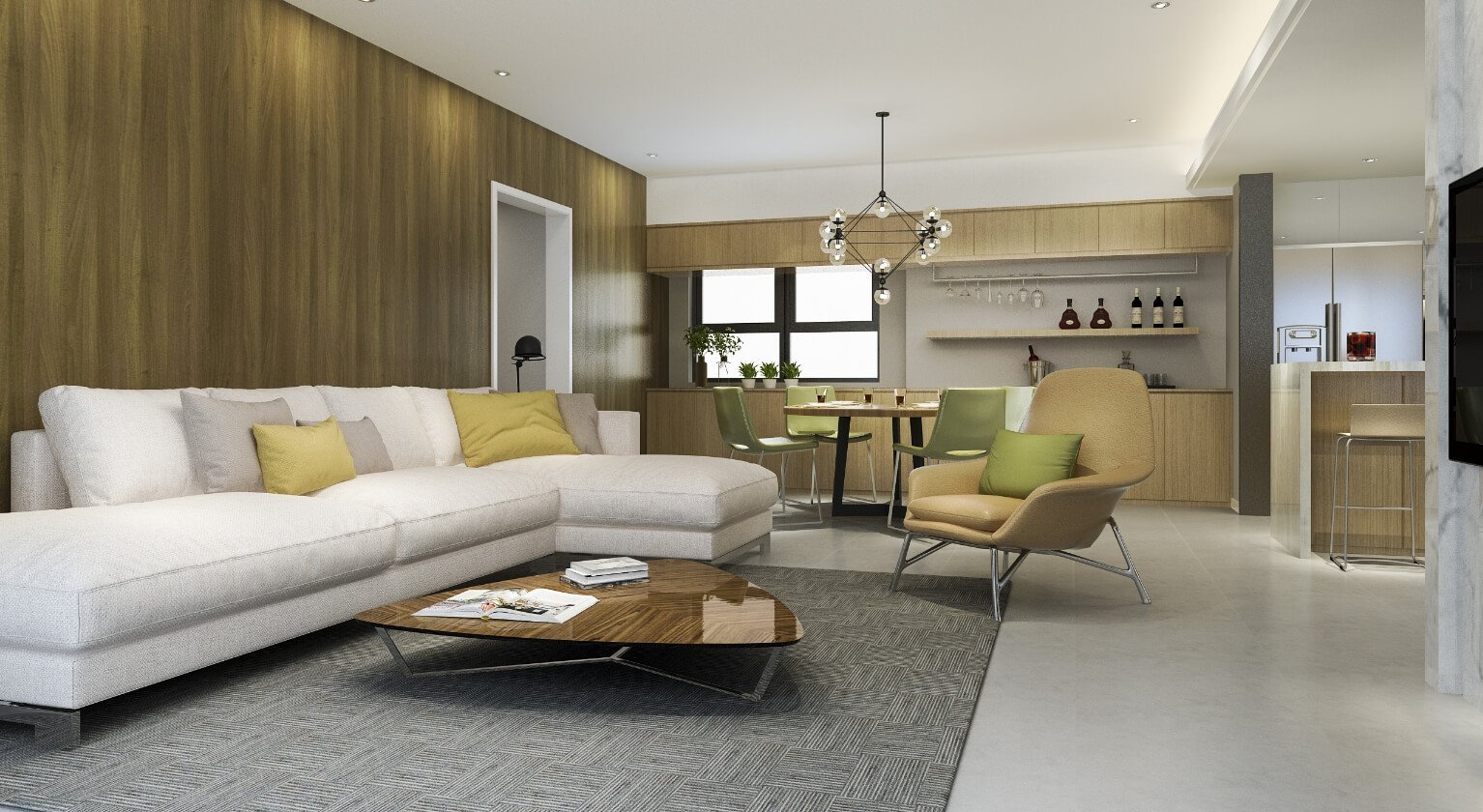
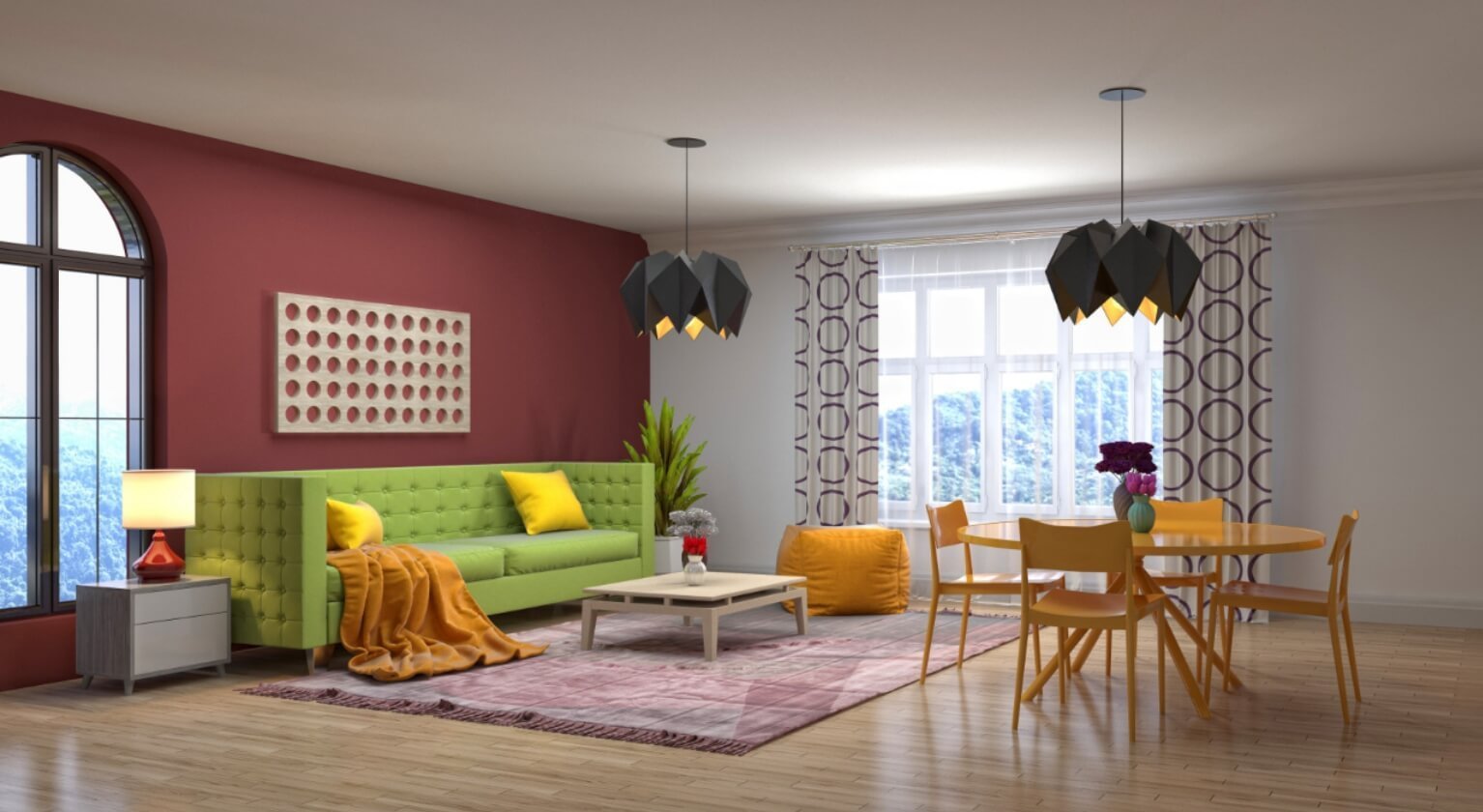
The term interior visualization is a combination of two words. The first is “interior,” which refers to a space’s ambiance, which consists of components such as curtains, furniture, lights, windows, carpets, and more. The second is “visualization,” which refers to visuals or a digital representation of the interior and exterior space, typically in 2D or 3D form. In the dynamic and ever-growing real estate landscape, attractively showcasing the property is all about attracting potential clients and increasing sales with effective marketing techniques. Not only this, interior home renovation becomes easy with 3D visualizations and rendering. As a groundbreaking technology, it effectively transforms an ordinary-looking space into a life-like environment with advanced tools, softwares and skills. In other words, it bridges the gap between the imagination and reality, making the real estate sector more powerful and advanced.

It will be impressive to walk through your home before it is built, experiencing dynamic and interactive visuals that create a life-like environment of natural light, furniture, and more. Consider going through a case study of the project UniquesCADD (interior visualization company), which catered to Renovation and interior design of a residential house.

Advantages of Interior Visualization in the Real Estate Industry

The ever-growing real estate sector is always looking for novel ways to survive fierce competition. As technology is continuous, interior visualization services are one of the groundbreaking technologies for the real estate sector. The industry advances with innovation to deliver the best to its clients and remain at the top of the game.

Buying or selling a property becomes innovative, attractive, and easy with the help of 3D visualization that brings immersive, life-like digital representation. This process fosters a deep connection which is difficult to generate with traditional photographs or videos. Apart from that, 3D visualization services offer a variety of benefits, such as;

3D interior visualization services offer a variety of benefits

Realistic rendering
Captivating potential
Scope of creativity
Better decision making
Enhanced marketing tool
Boosting buyer engagement
Increase sales
Cost-effective
Life-like visuals
Enhancing property presentation

There are more benefits of interior visualization, and can go endlessly. Although this isn’t going to stop here, advancement in rendering and other technologies will make it more efficient. The future of interior visualization services looks promising as the rapidly growing concepts of AR (augmented reality) and VR (Virtual reality) enhance the outcomes and provide a more holistic understanding of landscape and property. As a matter of fact, it also helps real estate sellers to list their properties at different portals and attract potential clients easily, making a handsome amount of ROI.

Ending Note

Interior visualization holds a significant position in the real estate market. It enhances property representation and attracts clients. This process has revolutionized the approach and brought enhanced outcomes for the real estate market. Although the process is complex and demands sheer expertise, skills, and technology to render the space. Therefore, outsourcing by a renowned interior visualization company is better. The outsourcing team can bring fruitful results and ensure each component depicts authentic life-like visuals. UniquesCADD, a prominent BIM company in India, offers effective 3D visualization by experts and cutting-edge technology.

Enhance Project Visualization with Revit Family

The landscape of the architecture and construction industry has drastically shifted from the traditional working approach to the modern technological approach. Thanks to the continuous advancement in the market, the AEC industry has been pushed with better ideas, enhanced creativity, and supreme accuracy. Technology and innovation are pivotal aspects of the industry to stay ahead in the market. Moreover it delivers efficient construction projects. With time, one of the groundbreaking technologies came into its inception, completely altering the reality of the construction landscape.

Today, we know it as building information modeling (BIM), which enables architects, designers, engineers, and other collaborators to enhance the efficiency and accuracy of every construction project. In the modern era, BIM needs no introduction and comes with other related services, simplifying the complex process for AEC professionals. BIM services are used to create a 3D model of the project in the design phase, where architects and collaborators can make informed decisions, reduce risk and error, turn ideas into reality, and more. However, building information technology is also considered the most advanced approach for enhanced project visualization, cost estimation, and efficient construction management throughout the process.

In the 3D BIM model, the projection of the entire project entails rich data, components, and true-to-life infrastructure with exterior and interior objects, resulting in better visualization. All such estimates are catered to advanced BIM software that is now popular in the industry due to various tools and features. Continuous innovation has also led the AEC sector to improve and adapt to a new curve of modern architecture and evolution in design and creation. With improvements in processes and services, updates in tools and software have progressed with ease, creating the 3D model with multiple objects. One such software, BIM, is popular among AEC professionals and has progressed with market trends and demands. Autodesk is a prominent BIM software with a long list of benefits, tools, and features.

Comprehensive Construction Project Visualization with Revit Family

bim services

One such technology conceived in 1997, Revit, to bring parametric modeling to the architecture industry. With its long list of benefits, it has transformed how architects and designers approach the concept idea and building design, ensuring safety, accuracy, and efficiency. On that note, one of the most essential advantages of using Autodesk Revit is the Revit family creation, helping professionals bring exceptional project outcomes. Advantages of Revit family creation are endless as the components in the Revit families are viable, parametrically approachable, and help the collaboration and efficiency among architects, engineers, and other professionals to take better initiatives for construction project success.

In simple terms, it is recognized as an innovative technology in the history of BIM. As a robust innovation it significantly saves crucial time, effort, and cost. Apart from all of this, one of the vital advantages of family creation in Revit is the enhanced project visualization, which helps stakeholders understand the project virtually. To understand more deeply, let’s explore what Revit family creation is and how it improves the visualization for construction projects.

Brief Introduction to Revit Family and Its Role in Visualisations

In the AEC industry, the progress of technology and innovation has always been the pillar of success for the architecture and construction industry. Revit is one of the groundbreaking technologies in the history of BIM, as it helps ease the project and enhance visualization for AEC professionals. With numerous advantages for architects and engineers, Revit has gained a pivotal position as it offers efficiency, accuracy, and better visualizations that help in the project. Revit families are the components that help designers build the BIM model with specific project elements such as walls, windows, stairs, lights, furniture, and more.

Typically, the Revit family has different shapes, sizes, materials, parameters, and more that help define the project and bring the idea to life effectively and immersively. In fact, creating the components, such as furniture, doors, walls, and more, enhances the quality of the project and helps stakeholders easily imagine the area or space with the designed components.

Another prime advantage of the Revit family creation is that any changes made to the family type are thoroughly made in every aspect of the project. For example, altering the type of door in the Revit will be changed throughout the project for consistency. Hence, it proves the pivotal role of architectural BIM family creation, providing better insights, enhanced collaboration, and improved project visualization. Generally, there are three types of family creation in Revit following are;

Three Types of Family Creation in Revit

System Families

Contains essential building elements such as walls, doors, windows, stairs, and more.

Loadable Families

These are also standard components, as they are typically purchased, delivered, and placed in the project.

In-Place Families

These types of families are produced and created immediately according to the project customization and cannot be exported to other projects.

With different types of Revit family creation, architects and engineers gain prime benefits from the service, of which 3D visualization is the most vital one. With proper visualization, stakeholders can make informed decisions about the project, ensuring the project meets the client’s demands. All the elements, components, and objects in the Revit family are placed without compromising the rest of the model.

This also enhances the visualization of the project and allows AEC professionals and stakeholders to explore the detailed representation as the realistic renderings accurately portray every aspect of design from the real world. Moreover, the 3D model also showcases various characteristics and product attributes from multiple angles, allowing architects and designers to inspect in detail every aspect, such as quality, texture, material, size, and shape.

The prime benefit of 3D visualization of family creation in Revit is an attractive trait among furniture manufacturers as it offers a 3D view of the product on websites. Furthermore, using 3D objects in the model makes an authentic and realistic version with accurate project specification and satisfies the client’s requirements. Hence, revit family creation is vital in 3D BIM modeling, enhancing the visualization and delivering the overall success of the construction project.

Ending Remarks

Revit family creation is a game changer in the architecture and construction industry. It brings exceptional visualization, improved collaboration, and communication. This results in accurate, efficient, and innovative project outcomes. However, it is better to outsource these services from BIM service providers to gain comprehensive results without investing much time and money. UniquesCADD is a leading BIM company in India that specializes in family creation services in Revit.