Project Management - Uniquescadd

Impact of BIM on Large-Scale Infrastructure Project Management

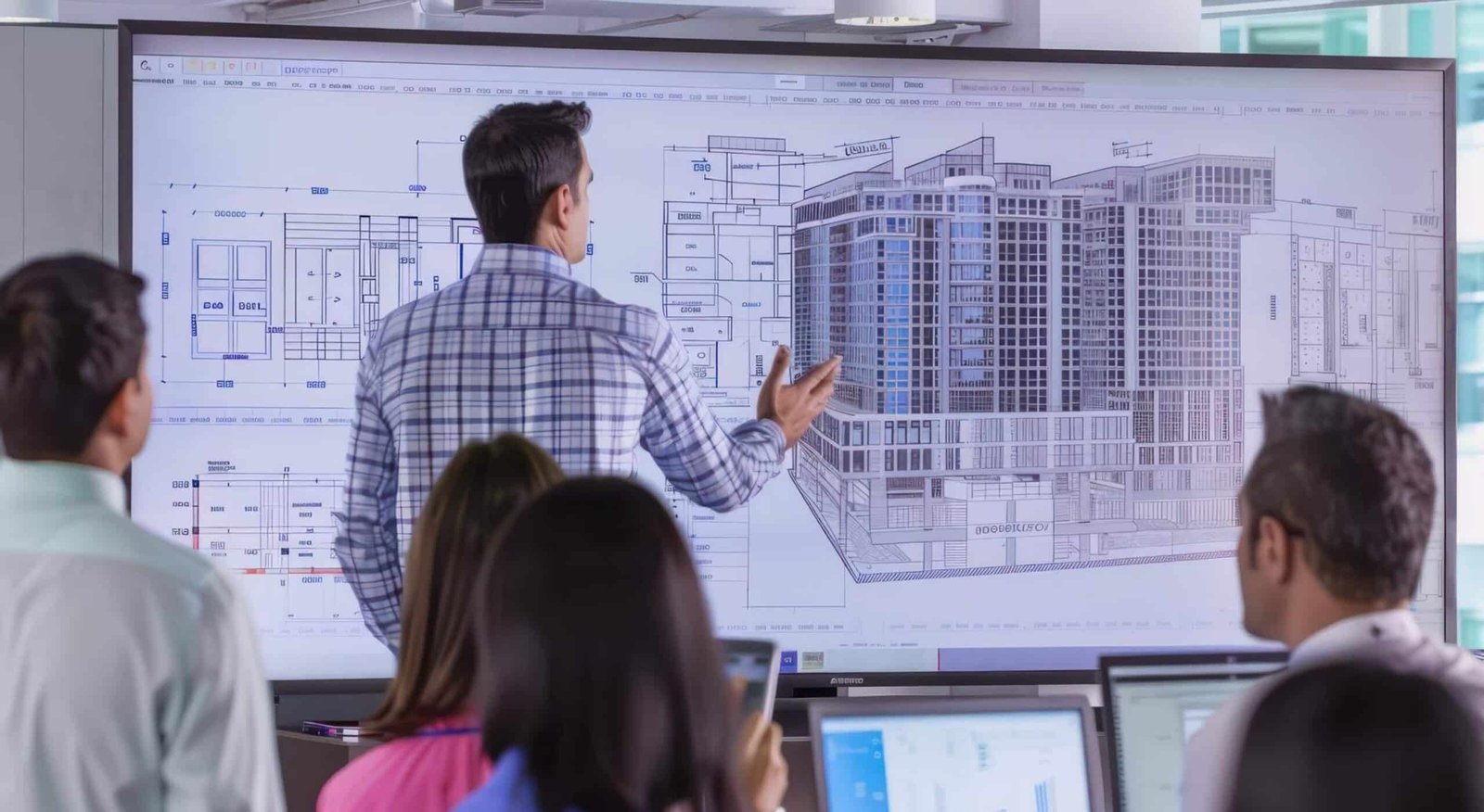
The construction industry has undergone a significant transformation, driven by various technological developments and innovations, from manually designing and executing projects to the digital construction process, which leads to more accurate project outcomes. The modern curve in the architecture and construction realm continues to advance with new approaches and significant tools. Thanks to digital tools and approaches, construction planning, design, execution, and management have become easier processes. This is developed using building information modeling technology, which offers significant solutions to enhance the entire process and maximize the building lifecycle at every phase.

Not only for designing and planning, but BIM architectural services are useful in facility management and even for renovation projects. The architecture and construction landscape is not limited to constructing houses or commercial shops, but goes beyond this. Infrastructure projects, including factories, roads, tunnels, bridges, stations, airports, and more, require utmost accuracy and efficiency in design. As the public is the end user of such projects, it is highly essential to maintain precision to ensure safety precautions and the durability of the project.

Here, the role of BIM in infrastructure development is highlighted, as it offers a digital 3D representation of the project’s physical and functional characteristics. Moreover, any nation is defined by its infrastructure development, which is why it is crucial to ensure the accuracy and performance of infrastructure projects. Additionally, infrastructure projects are complex, large, and multifaceted, with a variety of challenges. Hence, implementing building information modeling services is a key solution, enabling engineers and architects to construct large infrastructure projects with precision and safety.

Infrastructure in any country keeps everything moving and simple living. Imagine if there were no bridges or tunnels, no electrical houses for power lines, and no roads or streets. It is nearly impossible to live without any basic infrastructure. Hence, with crucial importance, accurate, efficient, and safe infrastructure development is a need.

From seamless highways that connect cities to having a developed electrical workflow that reaches every home, large-scale projects are at the heart of a nation, with BIM consultants on board for the right implementation and outcomes. With the help of BIM services for infrastructure projects, it is evident that implementing them can lead to increased accuracy and efficiency. Let’s explore in detail the large-scale construction project planning with BIM; however, let’s take a deep dive into understanding what’s involved in infrastructure projects.

Manage Large-Scale Projects with Precise BIM Modeling Services

bim services

Understanding Large-Scale Infrastructure Projects

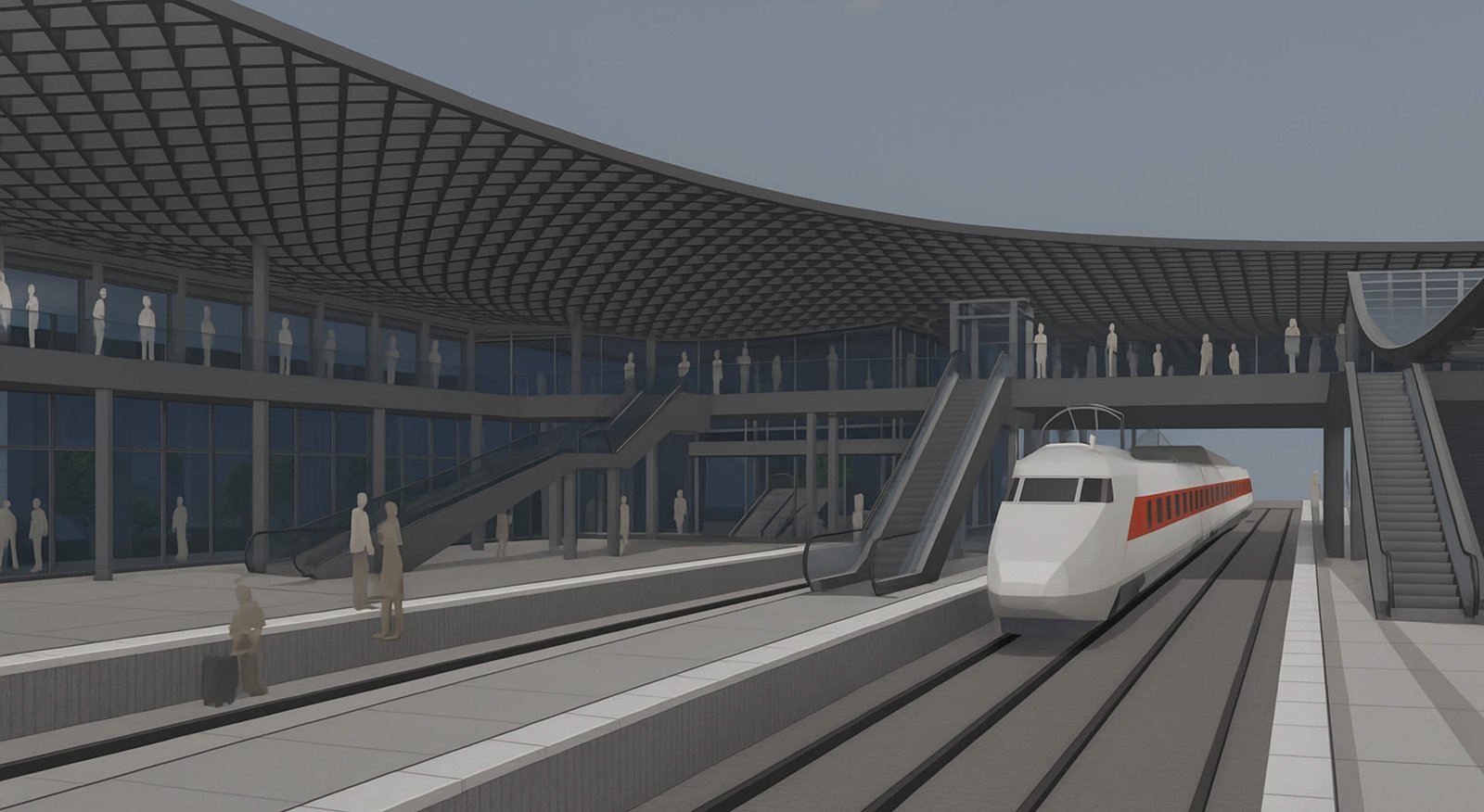
A country is developed with efficient and accurate infrastructure development, as it is beneficial for the public, enhances the quality of life, and increases the nation’s value. Infrastructure projects are not limited to roads and bridges; they also encompass the construction of dams, power plants, waste management facilities, essential factories, and more. Furthermore, infrastructure encompasses structures, systems, and services that support operations. Typically, this infrastructure is designed to support economic growth and includes large transportation hubs, such as railway stations, airports, ports, and other facilities. Other than this, infrastructure project development includes the following;

  • Developing new highways
  • Bridge connectivity
  • Efficient sewer and waste management system
  • Seamless electrical power houses
  • Unground fibre optic cables
  • Airports, bus stations, metro, and railway lines

Infrastructure projects are a key part of economic development and hence demand streamlined execution. A slight indifference can be dicey or unsafe for the public to use and may cause significant harm. The government uses these as opportunities to develop the nation with efficient facilities for the public to utilize. Developing and managing these large-scale infrastructure projects requires utmost accuracy, a seamless workflow, and zero scope for errors, among other factors, to ensure the project’s success, safety, and longevity.

BIM architectural services are a game-changer for infrastructure construction projects, enabling professionals to streamline the complex design process and ensure safety, efficiency, and accuracy in large-scale infrastructure projects. Discover how BIM plays a vital role in managing extensive infrastructure projects.

Significant Role of BIM in Infrastructure Development

Considering the rapid evolution in the AEC sector, many engineers, architects, and other professionals have adopted the latest technological approaches. As traditional workflows were prone to errors, time-consuming, and yielded insignificant outcomes, laborious BIM construction project management quickly became a go-to tool for AEC professionals. Moreover, the architecture and construction industry continues to grow and evolve to ensure the seamless management and execution of large-scale infrastructure projects. Traditionally speaking, commencing a large-scale project, such as a dam, bridge, or railway station, was complex and demanded utmost accuracy to ensure safety and longevity.

However, traditional construction methods failed to cater to the complexity as well as the ability to address every challenge. For the modern architecture and construction industry, BIM modeling services are key players, enabling AEC experts to plan, design, execute, and manage projects seamlessly.

With the unaccountable benefits of BIM architectural services, it is an indispensable tool for large-scale projects, allowing experts to coordinate, efficiently complete, stay within budget constraints, minimize the scope of errors, ensure safety, and manage the project. As a matter of fact, BIM for infrastructure projects has enabled AEC professionals to enhance project management, making it more efficient, sustainable, and profitable.

Architecture and construction are vast industries that are involved with changing dynamic demands and require keen attention to detail for integrating the latest curves. Typically, large-scale projects have complex designs and have their fair share of challenges. Coordination and communication among all AEC professionals for such large projects is not easy. Scope for errors, miscommunication, and data exchange can be significant in such extensive projects.

Having a common digital platform with access to professionals allows everyone to stay on the same page. Moreover, constructing large infrastructures is not only the end, but their efficient management is equally vital for safety and longevity. BIM project management in construction is a game-changer for experts. The digital 3D data-rich model offers deep insights and enhanced visualization, while resolving challenges and facilitating communication and collaboration. Explore some benefits of BIM in infrastructure management.

Key Advantages of BIM for Infrastructure Development

For large-scale infrastructure projects, managing the complexity and challenges with efficiency. Moreover, adhering to compliance and delivering projects on time are equally essential for completing large projects. Infrastructure projects require accurate planning, detailed design, and meticulous attention to detail, as well as maintaining functionality and more.

Often complex in nature, such projects involve various stakeholders and technical expertise to ensure the project is safe, efficient, and long-term functional. Large-scale construction project planning with BIM is a key solution to addressing all challenges and streamlining complexity. Not only this, but BIM services also offer a plethora of benefits in large construction projects, adding value to them. Explore further in detail.

BIM Benefits for Large Scale Projects

Design and visualization
Cost and time savings
Better data management
Risk management
Improve coordination and communication
  • Improve coordination and communication: Utilizing the power of BIM offers a common data environment or a platform of information where everyone involved in the project can access the same data. This results in enhanced communication and coordination, empowering informed decision-making. Moreover, with real-time access and updated information, all the AEC professionals and stakeholders can stay on the same page.
  • Design and visualization: One of the significant advantages of utilizing BIM is the ability to visualize the entire project and execute the design idea efficiently. Through various software, professionals can view the project in a detailed, precise, and efficient manner. This helps identify potential issues in the design, including clashes and their resolution, streamlines the execution process, and more, before actual construction starts.
  • Better data management: Construction projects have a variety of data that is useful to every stakeholder. Managing bulk volume of information for large projects is a herculean task. However, with the help of BIM architectural services, professionals can easily manage the lump sum data throughout the project lifecycle, reducing the risk of data loss, theft, and any other mishap.
  • Cost and time savings: BIM for infrastructure projects represents a revolution that enables significant time savings, enhances collaboration, and ensures design accuracy. This reduces the potential for rework and errors, helping to stay on the project timeline. BIM offers the identification of conflicts at an early stage, which prevents the overhead cost of materials and equipment and prevents potential delays.
  • Risk management: Constructing large-scale projects is a complex and challenging endeavor. BIM for large projects helps mitigate risk by providing detailed information throughout the project, offering a proactive risk management approach that enhances project quality, stability, functionality, and predictability.

These are the significant benefits of BIM in large projects. BIM construction project management enables AEC professionals to ensure that large-scale infrastructure is both safe and functional. However, to fully reap the benefits of building information modeling, it is vital to implement the right solution with the right expertise. A BIM service provider is a comprehensive approach to managing such vast and complex projects. Additionally, partnering with the right BIM expert helps outline strategies, ensures accurate implementation, and manages and executes the process efficiently. The following are some key BIM elements that can be beneficial in large-scale construction.

Key BIM Elements for Large-Scale Projects

As briefly discussed, the benefits of BIM implementation in complex infrastructure projects are vital to understand the elements. BIM solutions help ensure quality, efficiency, and accuracy; however, applying the right elements in the project is equally necessary to reap all the benefits. In fact, BIM services in the AEC industry have transformed the approach that architects, engineers, and other professionals used to execute large-scale projects. With BIM modeling services, professionals ensure accuracy at each stage. For this, it is important to implement the right BIM solution with the right software. The following are the key solutions to consider;

BIM Elements in Infrastructure Construction Projects

3D Modeling
4D & 5D modeling
Clash detection and coordination
Facility management
  • 3D Modeling: BIM creates a 3D model that allows for exploring different design options and conducting simulations. The model also provides information on cost, safety, time, clashes, resolutions, and other relevant details.
  • Clash detection and coordination: For large-scale projects, clash detection services and BIM coordination play a significant role. BIM professionals utilize various software to identify conflicts during the design phase that may lead to cost and time overruns. This ensures seamless project execution and brings accurate project outcomes.
  • 4D & 5D modeling: 4D and 5D BIM modeling are crucial aspects. 4D BIM for large infrastructure projects involves time-related data with visual representation for better planning and coordination of other processes. 5D BIM is beneficial in terms of cost-related data and estimation, which helps make informed decisions, prevents material wastage, and more.
  • Facility management: Constructing the building isn’t the end goal, but its management is equally important. With BIM modeling services, facility managers have detailed information for efficient maintenance, operation, and construction documentation, all of which is recorded for future reference.

Those mentioned above are some of the solutions that are useful for large-scale projects and bring desired outcomes. Maintaining accuracy, efficiency, and safety in large-scale projects, such as bridges, highways, dams, airports, and more, is also evident in managing their longevity. This makes building information modeling an invaluable technology for AEC professionals, enabling them to manage the complex nature of projects, adhere to timelines, ensure safety, maintain facilities, and more.

Therefore, BIM architectural services have a significant impact on large-scale projects. However, implementing BIM for big projects isn’t simple. It demands expertise, proficiency in tools and technology, practical strategies, and more for optimal outcomes. Outsourcing BIM services to reliable outsourcing firms helps to ensure the desirable outcomes. UniquesCADD is a top BIM company with expertise in BIM services for infrastructure and industrial projects. With a team of professionals and the use of cutting-edge technology, UniquesCADD brings seamless 3D BIM modeling for desired project completion.

Final Thought

The AEC realm encompasses a range of small to large-scale projects that require precision and efficiency for project success. BIM architectural services for large infrastructure projects offer a multitude of benefits, ultimately leading to project success.
Choosing the Right LOD for Your BIM Project

The constantly evolving landscape of architecture and construction, technology, and emerging innovations has been a significant part. Traditional construction practices cannot offer reliable and accurate results; therefore, adopting the latest technology and work approach is evident. While the industry continues to adapt the latest methods and technologies, building information modeling has emerged as a transformative technology and has become an indispensable tool in today’s AEC sector.

Today, it is no longer an approach but a mandatory technology that enables architects, engineers, and other professionals to enhance the complex architectural process, streamline workflows, and achieve accurate design efficiency without over-budgeting the project. The benefits of BIM applications are endless, from offering 3D digital representation of the project to facility management. BIM architectural services are now a go-to tool for AEC professionals.

It facilitates the creation as well as management of infrastructure projects with physical and functional characteristics. The idea and implementation of building information modeling are not new concepts; however, it involves various concepts at different stages of construction. It is a well-known fact that architecture and construction processes involve several complex, tedious, and time-consuming stages. For the success of a project, every stage of architecture must be accurate, efficient, and reliable, although it is not only in terms of design.

Upscale Architecture BIM Project with Specific LOD for Efficiency

bim services

The level of development in BIM is a theoretical and crucial concept that guides AEC professionals with specific details, information, accuracy, and the completion stage of the project. When it comes to creating a BIM model for a project, LOD is a significant concept that enables the sharing of specific information at a particular stage of construction.

LOD in construction plays an evident role and is undoubtedly a game changer in the architecture and construction industry. For a more precise and thorough understanding, let’s examine the definition of level of development in detail, its impact on outcomes, and how to select the appropriate LOD for a BIM project.

In-depth Insights to BIM Level of Development

BIM architectural services encompass not only the digital representation of the project but also its detailed aspects. Typically, LOD in BIM refers to detailing, accuracy, and information specified in the BIM model. From material type to representing the time of completion, LOD is a concept that enables understanding of the content and reliability of the 3D BIM model, allowing architects and designers to stay updated with each stage of construction while enhancing communication and collaboration. As a matter of fact, BIM LOD standards bring clarity for AEC professionals to what to expect at each stage of construction in terms of design intent, management of time, cost estimation, resource allocation, and more.

LOD provides detailed information as required at various stages of construction, from conceptual design to facility management. Furthermore, as there are various stages of construction, different levels of development have specific standards that bring clarity, consistency, and lifecycle management. This results in reduced costly errors, improved communication, and better project execution.

Once building information modeling was introduced, the LOD concept came in later. Originally, it originated at the American Institute of Architecture, which standardizes the detail and accuracy of BIM models to ensure effective communication. Before this mandate, there was frequent miscommunication between design expectations and project delivery, as it wasn’t up to standard. Therefore, AIA introduced a theoretical concept for BIM project planning to deliver expected results, streamline project workflows, enhance communication, and more.

Today, the level of development has become an international standard that is accepted across the AEC industry for coordination and communication among various AEC professionals. Not only this, but implementation of LOD in BIM architectural services brings a variety of benefits, such as;

Unlock the Full Potential of BIM with the Right LOD

Improved project communication
Better estimation of cost
Accurate project execution
Reduced project errors
Enhanced project management
Efficient resource allocation

These are some of the key benefits that significantly contribute to the project’s success. Introducing the significant concept, AIA divided into six levels, defining specific standards. Discover BIM design detail level, offering various specifications.

Different BIM LOD in Construction

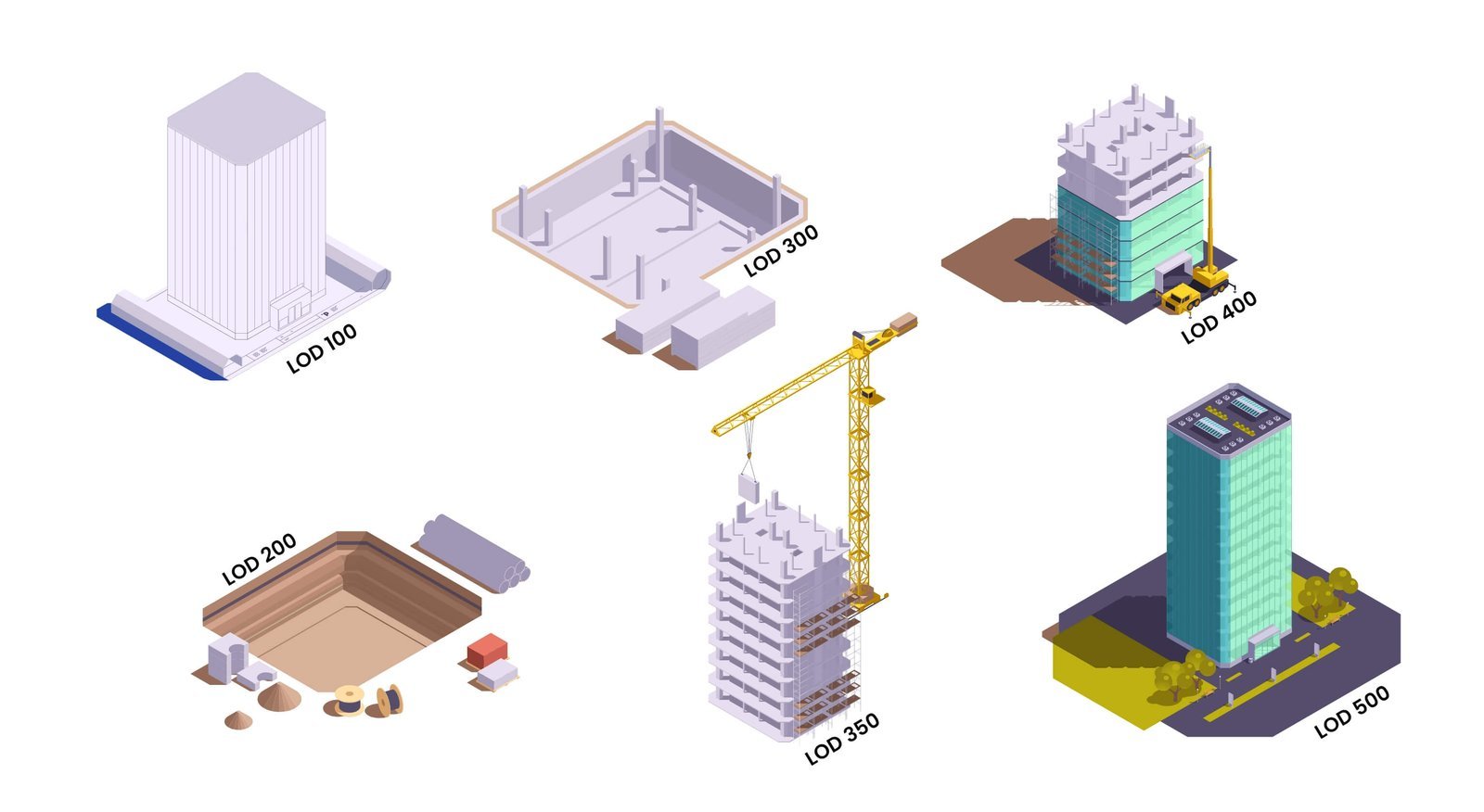
As discussed, BIM is a significant technology in the modern era of architecture and construction. Offering high-quality and accurate project outcomes, details, and level of information in the BIM model increases at each stage. In fact, there are different stages of construction, demanding accuracy and efficiency, which is why the AIA defined the size level of development, ranging from LOD 100 to LOD 500, providing detailed information, reliability, and other project details.

Typically, AEC firms work up to LOD 350 or 400 as it showcases 80% of the project elements. Each scale brings different information during the designing phase and facilitates communication between BIM professionals and other AEC experts to maintain and coordinate accordingly. The following are different LODs in BIM project planning.

  • LOD 100 – Conceptual Design: It is a basic level of development that entails general spatial representation of the elements at an early phase of the design. This level of development is used for understanding initial planning, basic visualizations, and feasibility of execution.
  • LOD 200 – Schematic Design: This is the second level, showcasing defined geometry, placeholders for elements, and additional information from LOD100. Schematic design typically includes information about the size, location, and function of the element, allowing AEC professionals to have a clear understanding and general idea of the elements.
  • LOD 300- Detailed Design: At this level of development, components, elements, or parts are defined with precise information and data. Moreover, this is the level where clash detection services also play a crucial role in identifying potential errors, resolving them, and facilitating detailed design development, among other tasks.
  • LOD 350 – Advanced Design Coordination: It provides detailed information on the interface of components and elements, enabling AEC professionals to understand coordination, links, and supports. Moreover, design coordination LOD is significant in representing harmony between MEP components, architecture, and structure, while also identifying internal clashes.
  • LOD 400 – Fabrication & Assembly: In this stage of construction, the 3D model includes fabrication details, such as material properties, tolerances, and other manufacturing specifications.
  • Lod 500- As Built Model: At the final stage of BIM modeling, as built condition with accurate geometry, dimensions, and data for facility management. This 5D modeling is helpful for operations, maintaining infrastructure, facilitating seamless renovation in the future, and more.

These are the six segments of the level of development in BIM, offering insights at each stage of the construction process. Ensuring accuracy and efficiency helps enhance overall building performance while ensuring the construction process is executed accurately and without costly errors. As a matter of fact, choosing the right LOD of the BIM project is essential for success and safe onsite construction work. Explore in detail how the right level of development can be beneficial for the architecture and construction project.

Choosing the Right BIM LOD for Construction Project

As discussed in detail regarding the different stages of the BIM model and the implementation of LOD, it is evident that the right level of development should be chosen for the project. In the AEC landscape, the success of the project is dependent on the accuracy and efficiency in stages of construction. Considering that it is evident to choose the right level of BIM development for the success of the project. Since AIA has defined six LODs in BIM, each of the standards defines particular detail and allows AEC professionals to enhance collaboration as required.

Every architecture and construction project is different in terms of design, end goal, type, and other factors. This decides the complexity of the BIM model and amount of information. It is evident to choose the right LOD for the BIM project; however, it is surely a tedious as well as a challenging task. There are certain factors to consider that can help make an informed decision.

Make the Right Choice with These Essential Insights

Optimized model for intended use
Availability of resources
Understanding project goals and requirements
Align LOD with project phase
Industry standards and codes
  • Optimized model for intended use: LOD in BIM helps to understand the optimization, as a lower or initial level of development can be rendered efficiently within the given time. While on the other hand, for architectural visualization, higher LOD is required for accurate representation. For concept design, general data, and budgeting, LOD 100-200 is a better choice. As a matter of fact, reducing the level of detail helps create a smaller file size that is easy to share in different applications.
  • Understanding project goals and requirements: Is a significant factor in selecting the right LOD standard. As AIA has defined six standards, each of the significant levels of development provides information. From early stage to post-construction, LOD helps maintain communication; however, understanding the project goals and the client’s needs is also important. For example, detailed design and coordination data requirements, as specified in LOD 300, are applicable, whereas for facility management or asset data, LOD 500 is required. Here’s a breakdown of segments for picking the right LOD.
    • Early stages: LOD 100-200
    • Design development: LOD 300
    • Construction phase: LOD 350-400
    • Post construction: LOD 500
  • Availability of resources: Resources are crucial for executing the entire BIM modeling process for construction projects, from software and cutting-edge technologies to having BIM experts with acute knowledge, skills, keen attention to detail, and adaptability to move ahead with technology. Moreover, with a significant team of resources and updated software, project owners can easily achieve their goals and execute construction projects with accuracy and efficiency.
  • Align LOD with project phase: Every architecture and construction project entails different phases that offer peak insights. Other stages are crucial in BIM modeling, allowing AEC professionals to enhance accuracy, efficiency, and reliability of the model. Moreover, it improves communication and coordination among various AEC experts, enabling each professional to stay on the same page.
  • Industry standards and codes: The AEC sector is vast and has various standards, regulations, and codes to ensure consistency and accuracy. Codes and standards of construction differ from country to country, depending on the government guidelines. Although following the construction guidelines ensures the seamless execution of the project, including the required documentation and valid permits for the building.

These factors mentioned above are major as well as generic. By carefully considering and selecting the specific LOD for BIM projects, it leads to better communication, less rework, and the successful onsite execution of the project. Primarily, it depends on the project requirements as well as the client’s demand. Due to the complex nature of various factors, it is necessary to outsource BIM modeling services for accurate LOD in the project.

Outsource BIM Level of Development

AEC is a vast, evolving, and complex sector that requires precision for project success. Each project differs based on its type and goal. For an accurate BIM model of the project, AEC firms seek innovative and cost-effective ways to enhance BIM modeling while reducing expenses. Therefore, outsourcing BIM services to a reliable company is a comprehensive solution for various factors. Cost-effective technologies, resources, and a focus on core business goals make outsourcing a trustworthy, beneficial, and efficient solution for AEC firms.

Moreover, AEC firms require an in-house team of BIM experts, which necessitates significant investment in infrastructure, software, talent, and extensive training. All this is skipped when partnering with a reliable outsourcing BIM company, allowing AEC firms to focus on their core business segments efficiently. This saves costs, brings about the required outcomes, fosters business growth, enables high-value projects, facilitates informed decision-making, and more. As the outsourcing market is increasingly growing, the following are some of the factors to consider when picking the right one;

  • Experience
  • Technology and resources
  • Client testimonials
  • Pricing plans
  • Portfolio in the specific industry
  • Project delivery
  • Communication and coordination

Above are the generic factors that help in selecting the right outsourcing BIM partner. UniquesCADD is a top BIM company, offering services to clients that oversee different industries. Our team of professionals ensures quality, efficiency, and accuracy, with expertise in providing development up to 500. With significant and updated technology, our professionals deliver desired outcomes that align with project goals and requirements within the designated project timeline.

Final Thoughts

BIM LOD is essential for achieving project success as it offers accuracy and efficiency in the dynamic realm of AEC. Understanding and integrating the required BIM LOD standards helps to unlock the full potential of BIM and ensure accuracy throughout the overall project.

Understanding COBIE and its Importance in BIM Projects

There is no doubt that technologies and innovations have altered human beings’ lives. From quickly connecting to a friend digitally to having a rapid solution of a technical task, technologies have emerged as a valuable and indispensable tool. Innovation has brought marvelous results for sectors like the architecture and construction realm. It has significantly allowed architects and engineers to enhance the outcomes and explore the curve of modern architecture. Thanks to building information modeling capabilities, AEC professionals can digitally communicate, collaborate, and reduce possible errors, resulting in efficient cost savings. With the plethora of benefits and capabilities of BIM technology, the data in the 3D model is massive and crucial to maintaining efficient construction documentation and facility management.

Data has been a crucial resource in such a complex and lengthy process. However, data asset management is vital for architects, engineers, and other professionals in later stages. The BIM model contains multiple data that are cumbersome to access and manage, from spreadsheets to different stages of drawings. It is vital to maintain. In fact, this unorganized approach can significantly result in errors, inefficient operations, and mismanagement in the building lifecycle.

Thankfully, due to growing technologies and innovation, construction operations building information exchange emerged as a revolutionary and comprehensive approach to information management. The landscape of AEC has developed from manual and traditional practices to technology-supported and holistic solutions that offer enhanced results. BIM projects usually include comprehensive, detailed digital representations that provide a holistic view of the project. On the other hand, COBie offers a significant format for exchanging project information throughout the building’s lifecycle. In simple words, COBie is a vital part of building information modeling services. Let’s explore COBie in more detail and how it is integrated into the BIM workflow.

Hire UniquesCADD Experts for COBie in BIM Workflow

bim services

What is COBie?

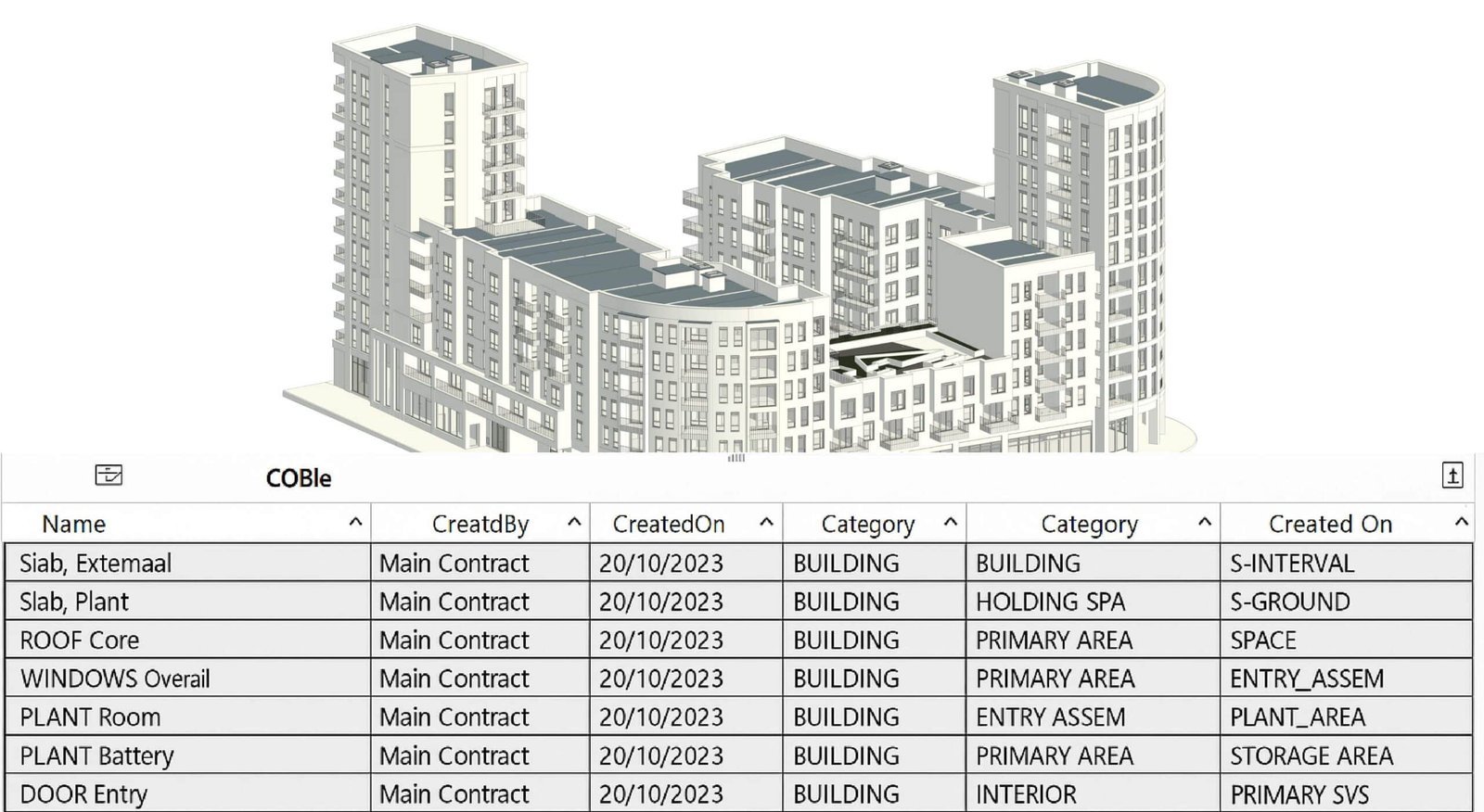
As discussed, data and its management are crucial processes for architects, engineers, and other professionals. With the significance of COBie, it is referred to as a standardized data format for a subset of 3D BIM models. This particular approach aims to handle the data in construction projects. Primarily, the goal was to offer information or data to the building’s owners, facility managers, and other professionals to handle the process. It acts as a digital bridge between BIM and the ground reality of constructed infrastructure in the AEC. In other words, it offers a well-organized and structured format for sharing critical building data, including system information, maintenance schedules, space allocation, equipment details, etc. Over the years of the inception of BIM for engineers and architects, construction handover has always been a struggle.

However, with COBie, all the key data in the post-completion project is stored in a single format, which is easy to share and access. This helps in a conventional way of collaborating with AEC professionals at different points. Professionals familiar with the concept can update and store the information or vital documents during the construction phase to hand over to the facility manager or to the building’s owner. This approach is viewed in a COBie spreadsheet or within the software, that makes the information exchange easy. COBie process encompasses many worksheets, mainly divided into three categories following are;

  • Design: Component, type, floor, system, space, facility and zone
  • Build: Job, resource, and spare
  • Common: Contact and document

In fact, COBie is an idea that enhances collaboration during the operational stage of construction and enables professional teams to organize information about a building’s assets easily. The process is typically beneficial for various AEC professionals; however, it is most useful for building owners and facility managers. From traditional practices to modern methodologies, COBie has become an essential tool in the realm of modern architecture. Let’s understand the key benefits of COBie workflow integrated with BIM technology.

Benefits of COBie in Building Information Modeling

In the landscape of architecture, innovation has been playing a significant role. Altering the traditional methodologies to adopt cutting-edge technologies and approaches, AEC professionals have ensured that high-quality construction outcomes are offered. As discussed, COBie data standard has become a powerful approach for facility managers and other professionals, and integrated into BIM construction projects results in a variety of benefits. Enabling how architects design and manage the entire infrastructure. Following are the key advantages of COBie compliance with BIM modeling.

Key Advantages of COBie

Improved facility management
Reduced cost
Streamlined data handover
Data-driven decisions
Enhanced collaboration and communication
  • Improved facility management: COBie has a significant benefit for precision and efficiency in facility management. As it acts as a bridge in crucial asset data management, it allows facility managers to make informed decisions, lead to increased lifespan, and maintain the operational process. Integrated with BIM construction project management, it helps to plan maintenance schedules and verify equipment warranties.
  • Enhanced collaboration and communication: Communication and collaboration are vital aspects of any construction project’s success. Building information modeling services and COBie have a common database that allows professionals to communicate and collaborate easily. Every professional can access accurate information that minimizes misunderstandings and work delays.
  • Streamlined data handover: Another benefit is accurate and easy BIM data exchange. Traditionally, errors like missing information, conflicting data, misplaced information, and more. However, with COBie, COBie offers a standardized format in Excel with numerous worksheets that reduce confusion and ease the data handover to facility managers.
  • Reduced cost: For BIM projects, it is necessary to minimize errors and stick to the desired budget. COBie and BIM together help reduce costs by providing data accuracy, seamless communication, and increased building lifespan.
  • Data-driven decisions: The COBie data standard enhances the decision-making process for facility managers, enabling data-driven decisions throughout the building lifecycle, from optimizing design choices to analyzing equipment failure.

These are some of the benefits that help streamline workflow and project lifecycle management. Moreover, it is vital to implement a COBie spreadsheet in BIM construction project management for facility managers and contractors to work collaboratively. The COBie approach improves the quality of data during the handover process, as it is easier for AEC professionals to view the construction documents and accurately curate construction documentation. Explore the application of the COBie data format for different AEC professionals.

COBie Compliance for Different AEC Professionals

As facility managers leverage the power of standardized data format with COBie, several stakeholders in the construction project benefit from streamlining the BIM data exchange workflow and improving communication and collaboration.

  • Architects and designers: COBie helps architects and designers accurately manage the operational process and streamline the sharing of design information with other concerned AEC professionals, such as facility managers and contractors.
  • Facility managers: One significant use of COBie is led by facility managers. It offers comprehensive, structured, and organized construction data that helps in efficient building maintenance, including information on building components, space, MEP disciplines, and more.
  • Engineers: COBie is beneficial for engineers as well, offering precise and up-to-date information. It helps in smooth data exchange among AEC professionals for an accurate construction phase.
  • Contractors: Another primary use of COBie workflow is for contractors, who offer access to accurate information for construction projects. It assures coordination and quality assurance during the groundwork of the infrastructure.
  • Building owners: COBie integrated with building information modeling services helps building owners gain valuable insights into the infrastructure, which helps them make quick decisions about maintenance, renovation, fixtures, and more.
  • Asset managers: Asset managers are crucial players in the construction industry. Structured information allows managers to plan strategically, asset-track assets, and manage buildings’ lifecycles.
  • Regulatory authorities: The optimum use of COBie in BIM projects by regulatory authorities helps ensure that the infrastructure’s information is in a structured format and easily accessible for regulatory purposes.
  • BIM managers: COBie integration allows the BIM process to be accurate and streamlined. It ensures data continuity, transfer, and storage for a smooth project lifecycle.
  • Construction project managers: Project managers utilize COBie for seamless communication, data exchange, and hands-on accurate information. This helps to enhance project efficiency and reduce the risk of errors.

The AEC professionals who significantly use COBie for various reasons are mentioned above. This technology enhanced the construction process, offering detailed insights into the project stored in a structured format and quick information transfer. However, as technology in architecture and construction advances, COBie workflow comes with its fair share of challenges. Let’s explore what the challenges are in building information modeling and COBie.

Challenges in COBie and BIM in Construction Projects

In the growing era of architecture and construction, COBie has become an indispensable tool for AEC professionals. From streamlining the construction process to exchanging data with concerned authorities, COBie integrated with the BIM workflow comes with its fair share of challenges, which are listed below.

  • Data Validation: One of the common challenges in today’s digital age is ensuring an accurate validation process when extracting data from the BIM model. Missing values, data points, or inconsistencies in BIM objects can result in COBie spreadsheet errors.
  • Lack of Standardized Workflows: Workflows play a crucial role in COBie, as insignificant or inconsistent workflows with no clear object or producer can lead to massive errors, confusion, and errors.
  • Software Compatibility: BIM and COBie are built differently, and it is often a complex process to exchange data seamlessly. Software incompatibility can result in data loss and may affect the COBie data spreadsheet.

These three are the main challenges that strategic solutions can also overcome. As technology grows, demand for COBie work approaches and overcoming the challenges will become simpler. Following are some of the strategic solutions;

  • Invest in training
  • Develop clear communication and collaboration
  • Set clear data standards
  • Use cutting-edge software

The solutions mentioned above can help overcome the challenges and deliver the best results to professionals. Moreover, it is also advised to hire a renowned BIM consulting company for COBie and BIM. Hiring a partner will bring accurate and desirable results for COBie integrated with BIM. UniquesCADD is a renowned outsourcing BIM service provider with extensive years of experience and experts.

Conclusion

In the ever-growing sector of architecture and construction, BIM construction project management integrated with COBie brings unparalleled results, precision, and efficiency. It allows AEC professionals to exchange data seamlessly and make informed decisions.

Benefits of Hire BIM Consultants for Large-Scale Projects

Over the past few years, the architecture and construction sector has rapidly increased due to the rising demand for commercial and residential living. As modern construction has taken a turn with highly recognized technology called BIM, it has been a source of making the project successful and long-time efficient. Moreover, the construction process continues progressing and evolving due to experts upgrading to newer and better approaches with significant technologies. BIM has been an innovative approach since its inception and has already made its crucial place on the AEC horizon. Although with rapid technological development, the approach upgrades with improvement in implementation and practices. In the digital economy, more and more AEC companies, project managers, BIM facility managers, and architects are adapting to the growing architecture and construction market.

Building information modeling has been a paramount concept for today’s architects and engineers due to its benefits and ease of use in complex processes. As a matter of fact, governments in many countries have implemented a mandated policy for BIM usage in large-scale projects that may include the development of airports, bridges, public properties, railway stations, metro station projects, factories, and more. From the designing phase to the management of the facility, BIM is utilized in various stages for different projects. Since every project requirement varies from one project to another, it is crucial to learn about the concept of BIM or consider BIM consultancy services for optimum use and outcomes. In the era where BIM usage is growing rapidly among professionals, there’s still a significant lack of knowledge, skills, training, and development. To bridge the gap and attain the full potential of BIM services, opting for BIM consultancy is one of the effective solutions that can help AEC firms get the right expertise of BIM and its related services while ensuring the project’s success. As a matter of fact, BIM implementation by consultants brings higher project quality, efficiency, and the right adoption of technology that enhances the longevity of the infrastructure.

It is necessary to ensure the large-scale project’s efficiency and strength for a more extended period as large infrastructures are costlier, more complex, and typically for high-end urban planning. Due to the vastness of the project, efficiency, accuracy, safety, and reliability of the structure is crucial. Hence, BIM experts address the lengthy process of project modeling, support communication, bring reliable solutions for clashes, and more. As a matter of fact, BIM has created a high demand for BIM consulting services so that professionals in the industry know how groundbreaking technology functions in the modern and contemporary realm. For a better understanding and clear vision, let’s quickly get an overview of BIM for the construction industry, especially for large-scale projects.

Enhance Construction Project with Our BIM Consulting Services

bim services

BIM Technology and Its Input in Large-Scale Projects

The landscape of architecture and construction has a new face card with 3D BIM modeling services, making it simple for architects, engineers, and designers to upscale the infrastructure quality. Building information modeling digitally represents the entire structure, entailing physical and functional characteristics in the 3D view. The 3D model also consists of rich project data, allowing AEC professionals to stay informed, curate accurate construction documentation, help in facility management, and more. As a quickly emerging technology, it brings comprehensive solutions that allow professionals to resolve complex clashes and enhance the model’s accuracy. Further, the 3D model is referred to as on-site groundwork, which not only brings accurate construction but also ensures the completion of the project within the designated time frame.

From the built environment in the 3D model to offering tools and organizational framework, data management of the project and sharing becomes simple. Due to several benefits and work collaboration in a single system, architects, engineers, designers, and collaborators can easily access the structured BIM model, making it easier for large-scale project development. This makes the technology an exceptionally useful resource for increasing project reliability and efficiency. As a matter of fact, 3D BIM services are much more beneficial for large-scale projects such as railway stations, airports, factories, metro stations, bridges, malls, and more. BIM technology’s ability to provide intelligent 3D models with valuable data helps to streamline coordination and communication, minimize cost, reduce waste material, and more.

Since infrastructure project efficiency with BIM is enhanced, it has the capability to manage and deliver accurate outcomes for large-scale projects. As a matter of fact, large-scale projects have unique challenges and requirements; BIM is the most holistic approach to managing complex requirements. While ensuring the functionality and accuracy of the project as BIM services address different challenges and empower professionals to make informed decisions without compromising workers’ safety measures. Following are some reasons why BIM for highways and bridges and other large-scale projects;

Key Reasons to Implement BIM for Highways, Bridges, and Large-Scale Projects

Real-time access
Improved design and visualization
Identify potential issues
Quick communication
Conduct simulations
Massive data management
Enhanced collaboration in a central repository

The list of benefits can go long, as BIM is the most crucial technology in today’s architectural world. Moreover, BIM project management, construction documentation, quick clash detention, and more are the added beneficial factors of using 3D modeling services in large-scale infrastructure projects. As discussed, massive projects have a complex nature, take time to develop, require efficiency, and more; BIM is the only solution. Although to attain all the advantages and have hands on the most accurate 3D BIM model, it is evident that architects or AEC firms should hire BIM specialists. Explore BIM constants, roles, benefits, and key implementation reasons.

Brief About BIM Consultants in AEC Realm

The AEC landscape understands the power of BIM; however, the right implementation is evident to avail benefits and accurate outcomes. From simple projects to complex architecture projects, BIM offers holistic solutions to AEC professionals for the success of the project. Since efficiency, safety measures, and accuracy are constant in any construction project, BIM modeling elevates the project with better collaboration and communication. Therefore, the role of BIM consultants in mega projects is not only evident but a comprehensive approach that makes complex structures successful. BIM consultants are experts well-versed in imperative technology and offer advice, solutions, and guidance on using 3D BIM services in the construction, designing, and maintenance phases.

BIM experts understand the complexity, stay updated with growing advancements, are well-versed with other related services, and know how to optimize the process for utmost efficiency in the given timeframe. Outsourcing BIM consultants stick with the project, from planning and design to post-construction phases, while offering support in facility management. Consulting services ensure that the AEC firm will benefit from the talent pool and enhance its large-scale construction management with accurate BIM usage. This significantly offers unique, reliable, and precise results that fit right into project requirements and satisfy clients. As BIM consulting services enhance the architecture workflow, the experts aim to use sophisticated methods and practices that are error-free. In the constantly growing construction market, a modern look integrated with functional features and a sleek design makes for the best architecture. The use of BIM services and lack of knowledge and skills are gaps that hinder accurate outcomes. Therefore, consultants have become indispensable for well-planned and precisely executed projects in the AEC market. Their knowledge, experience, and skills enable them to make complex and large infrastructure projects easier with streamlined workflow, efficient resource allocation, precision in results, building lifecycle management, and detailed construction documentation. As a matter of fact, outsourcing consultancy from a BIM service provider plays a critical role and brings various benefits such as;

  • Unique design perspective for a modern look
  • Structured and organized BIM data
  • Overall project accuracy
  • Right BIM strategies implementation
  • Quick resolutions for clashes and errors

BIM specialists implement practical methodologies, ease the complexities, and provide holistic solutions to overcome challenges. However, experts’ roles go beyond that as it’s multifaceted involving with several roles and responsibilities the following are;

  • BIM strategy development
  • Adhering to project guidelines and standard codes
  • Building performance analysis
  • Technology implementation
  • Project support
  • Quality assurance
  • Problem-solving
  • Training and guidance

Overcoming challenges and easing the project complexities are among the main goals. Additionally, BIM consulting services stay updated with trends and tools to deliver the best outcomes. The AEC industry has taken a new version, 4.0, which enables professionals to bring exceptional architectural buildings. Technologies like AI, drones, AR/VR, 3D printing, and more are becoming a new standard of quality and efficiency. Hence, AEC firms with a lack of BIM knowledge and skills look to reliable BIM consulting service providers for effective results. Discover key reasons to hire BIM specialists for large-scale construction projects.

Why Hire BIM Consultants for Large Scale Projects?

Outsourcing BIM consulting services is rising due to increasing demand for BIM and lack of knowledge among AEC firms. BIM consulting has become a pivotal role player in the industry to bridge the gap and bring accurate solutions for complex and large infrastructure projects. As discussed above, partnering with BIM experts brings various benefits due to crucial roles and responsibilities. However, their expertise goes beyond just guiding the BIM implementation and workflow; there are plenty of reasons to hire BIM consultants from reliable outsourcing companies.

  • Project visualization and coordination: One of the major reasons to hire a BIM adviser is the enhanced project visualization and coordination in the entire process. The 3D BIM model fosters visualization, which improves the vision for clients and helps understand how the project looks before the groundwork begins. BIM consultant supports collaboration among the other team members, which results in better communication and high-quality BIM implementation in large-scale projects. Better visualization, accuracy and coordination also amplify the ease of the BIM implementation process while creating a seamless workflow.
  • Improved efficiency and accuracy: Efficiency and accuracy have always been paramount to success in architecture and construction projects. AEC firms understand this and desire to partner with the right BIM experts who can enhance BIM efficiency, bring precision to the 3D model and design process, carefully plan the strategies, and accurately present the project data of each phase for detailed construction documentation.
  • Cost savings: Another crucial reason is the cost savings with BIM consulting. AEC professionals or organizations constantly look to cut costs of some of the expenses while focusing on prospects of enhancing desirable outcomes. Outsourcing with the best BIM companies that provide consultancy services is the most economical solution, especially for AEC firms dealing with large-scale projects. Due to cost savings with BIM consulting companies, experts aim to precisely manage the resources, which is crucial in cost reduction and minimizes the waste material.
  • Eliminating risk: BIM consultancy services are important for multiple reasons, including risk mitigation. A minor error in the 3D design can become costly and risky for workers and delay the project. Hence, BIM consultants ensure that all clashes in the digital model are resolved and minimize the risk for the necessary degree of safety and quality in large-scale projects.

Towards the End

Partnering with the right BIM consulting services provider will benefit project quality, efficient processes, and accurate planning. BIM consultants for large-scale infrastructure projects are not only evident but have become necessary for all AEC firms looking for novel solutions.

Crucial Role of BIM for Project Managers and Planners

With the rapidly growing popularity of building information modeling technology, the AEC industry has witnessed a series of new technologies. The constant evolution and emergence of new innovations have transformed architecture and construction with a new outlook to plan, design, and construct a project. As a matter of fact, the complex processes are now carefully catered to by new technologies and software that serve the purpose with precision and efficiency. In today’s modern era, the only motive for the AEC industry is to deliver the best. This is all possible with the implementation of BIM modeling services. Moreover, it is considered one of the most technological revolutions in the industry as it provides ease of project management and various other benefits.

The inception of BIM technology has had a significant impact on the AEC industry, with multiple benefits. Today, architects, engineers, and collaborators cannot imagine working without BIM. BIM has delivered some exceptional results and has become mandatory in some countries by the government. BIM applications are implemented through the construction process, including pre-and post-construction, and they also maintain the lifecycle of the building. Above all, using BIM modeling services has resulted in enhanced communication, collaboration, and visualization.

In the modern era, the AEC industry always looks for novel ways to excel in projects with effective strategies to reduce costs, errors, and waste of materials. Here, building information modeling services plays a significant role. The 3D digital model helps manage the project from start to finish of the reconstruction process. As a matter of fact, BIM models are effective tools in the architecture and construction industry that can stimulate the entire project in a 3D digital model for realistic visualizations.

Embrace Your Next Construction Project with BIM Technology

bim services

It’s not limited to offering a virtual view of the project but also facilitates the cost, BIM level of development, realistic visualization, MEP integration, and more. BIM for project management is also crucial, easing complex procedures and bringing effective solutions for construction project managers and planners. However, first, let’s understand a generic overview and why the use of BIM is a must for project managers and planners.

Overview of Building Information Modeling

The architecture and construction adopts new technology to deliver the best outcomes possible. While constructing any infrastructure, project management and planning processes holds a significant position. Additionally, staying ahead of the trends and market curves is essential for project success. AEC in present times has developed with technology. BIM technology is no new concept and has become widely accepted as a powerful construction methodology. BIM has strengthened the AEC industry and secured its future with upcoming trends, innovation, and technology, enhancing the result. BIM modeling services represent a paradigm shift from traditional 2D drawings to comprehensive and accurate 3D digital data-rich models that encapsulate every project detail that is required in the construction process.

A 3D visual model helps stakeholders and collaborators visualize, simulate, and analyze various aspects of the project in detail. Moreover, it enhances communication and collaboration at different stages of the process, as any changes made in the model are commonly updated with files shared with AEC professionals. The following are some of the benefits of building information modeling.

  • Streamlining the construction workflow
  • Reduces time, cost, and errors
  • Improve project efficiency
  • Better visualization
  • Informed decision making
  • Effective architectural construction documentation
  • Enhanced data management
  • Reduced project timeline
  • Accuracy in project
  • Sustainable design options

Above is a glimpse of BIM benefits, although there are a variety of reasons for choosing BIM for construction. Since its inception, it has significantly offered accuracy and efficiency in the construction process, regardless of the type of project. In contrast, project managers and planners must utilize BIM technology as it can be overwhelming and chaotic without any planning or management of the project. It can leave professionals with stress throughout the completion of the project. Hence, here, the role of BIM for project managers is essential. Furthermore, let’s explore in detail how the role of BIM is important for project managers and planners.

Building Information Modeling for Project Managers

For any project to succeed, effective planning and management are significant to start the project. Mismanagement in planning can have disastrous results, an expensive and time-consuming process. It can be an overwhelming and chaotic process if projects are not appropriately catered, resulting in significant loss, errors, and rework. Hence, BIM’s effective role for project managers is an effective solution to enhance and accurately plan the entire project. Building information modeling aids the project manager’s roles and responsibilities as it offers a centralized system, allowing managers and other professionals to be equally involved.

Furthermore, the effective use of BIM services also provides seamless integration of data and ideas that can effectively eliminate errors faced during the pre and post-construction stages. In the architecture and construction sector, precision, quality, and efficiency are paramount in any architecture project. Therefore, let’s look at how BIM modeling services can be an imperative solution for project managers to plan, design, and construct.

Building Infomation Modeling for Project Managers

Accurate Timeline for Delivery
Enhanced Communication and Coordination
Eliminating Rework and Errors
Facilities Management
  • Accurate Timeline for Delivery:- Delivering the project within the timeline period is one of the pillars of success for any project. As a project manager, it becomes necessary to define the project timeline and delivery simultaneously to achieve success. Implementing BIM modeling services in construction projects can determine an estimated timeline along with cost estimations, accelerating the effectiveness of the planning functions.
  • Enhanced Communication and Coordination:- Communication and coordination are key to successful project results. With prominent communication, professionals involved in the construction project must communicate well and coordinate with others. In such scenarios, BIM for project managers can be an effective solution as the use of BIM technology facilitates effective communication, allowing team professionals to coordinate well according to project requirements.
  • Eliminating Rework and Errors:- BIM services help the 3D data-rich model identify potential clashes that require significant time, design rework, and resource wastage. In fact, early risk mitigation helps phase out the redesigning on site.
  • Facilities Management:- The role of a project manager isn’t limited to the pre-construction stage of any project. The manager tends to facilitate the post-stage of construction, majoring in facility management, to ensure the required information for operating and managing the infrastructure is delivered throughout its lifecycle. The BIM centralized model helps ease project managers’ process of bringing the necessary information.

The prominent use of BIM in construction projects is more than just providing a digital representation of the project. As a matter of fact, the constant evolution in technology gives a promising future outlook for the BIM and AEC sectors. BIM reduces the burden of the project manager and ensures the entire project is catered to with accuracy and efficiency. There are multiple reasons why choosing BIM can be an effective and reliable option. As a matter of fact, implementing an in-house team of BIM modelers can be an expensive way. Hiring a third partner for significant services and result-oriented solutions is beneficial. Choosing a reliable BIM company in India is advisable for outsourcing such crucial services in the AEC industry.

Concluding Remarks

As compared to earlier times of the AEC sector, project managers have become a significant role player in modern times. As they oversee every aspect of the stage to ensure accuracy, efficiency, and quality results in the project. In fact, BIM modeling services have entirely reshaped the industry and emerged as a game changer by offering new opportunities for architects and designers.

Importance of BIM Services in Facility Management

Over the years, the AEC industry has seen major growth globally. One of the reasons is rapid advancements in technology and the emergence of new innovations that support the AEC sector. As a matter of fact, completing the construction isn’t the end game for AEC professionals. Surprisingly, the process of construction is continuous and long and demands time to time to review, check, investigate, and manage the building. Observe the building you are in right now. Can you notice how all the functionalities of the building are accurately working? Elevators work okay, lightning in the structure is sufficient, a good amount of air ventilation makes the environment breathable, and adequate space in the building and other things that make the building sustained and withstand since the construction. However, the behind-the-scenes for such infrastructure is a sophisticated yet imperative concept called BIM (Building Information Modeling)

Since its inception and broader adoption in the AEC sector, BIM has become more than a concept. Today, professionals and experts from the construction sector can only execute projects with BIM technology; that is how powerful it is. It’s a game changer and revolutionary innovation in architecture and construction, enabling experts to perform efficiently with high precision. In fact, implementing BIM services in construction projects enhances the groundwork with ease of execution while maintaining the timeline. However, is that all once the infra is completed? A firm no is an answer, as more than just construction is needed for a structure to withstand for many years.

Enhance Building Performance with Efficient Facility Management

bim services

As widely known, the method, approach, and process of constructing a building is long and time-consuming. On the contrary, different areas of architecture procedure are intricately planned, designed, constructed, and managed. However, one might wonder what is needed to manage the infrastructure once it’s built.

Well, maintenance is required from time to time to keep anything functional. For instance, a road is constructed and then used; however, over the years, it is rebuilt to keep the road smooth so that vehicles can run smoothly. Similarly, building management is integral to the post-construction phase once the construction is completed.

Furthermore, BIM plays an essential role in maintaining the infrastructure effectively and efficiently when it comes to building management. The process of maintaining the structure well is called facility management, widely known as the building’s lifecycle. Let’s understand this in detail and how 3D BIM modeling is a major player.

An Overview of Facility Management

Facility management is defined as the maintenance of the infrastructure throughout its lifecycle. Furthermore, it is a continuous and keen process of maintaining the building well, such as tuning the workings of MEP systems, structural and architectural aspects, and more. The key objective of facility management is to ensure optimal management of assets and their functional prospects, such as equipment, space, furnishings, etc.

Moreover, any building, commercial or residential, cannot function without facility management. As the maintenance of the structure includes renovations, refurbishments, asset management, contract management, and more. In fact, it is also essential to regularly investigate the structure to understand its tendency and capacity to withhold any natural calamity.

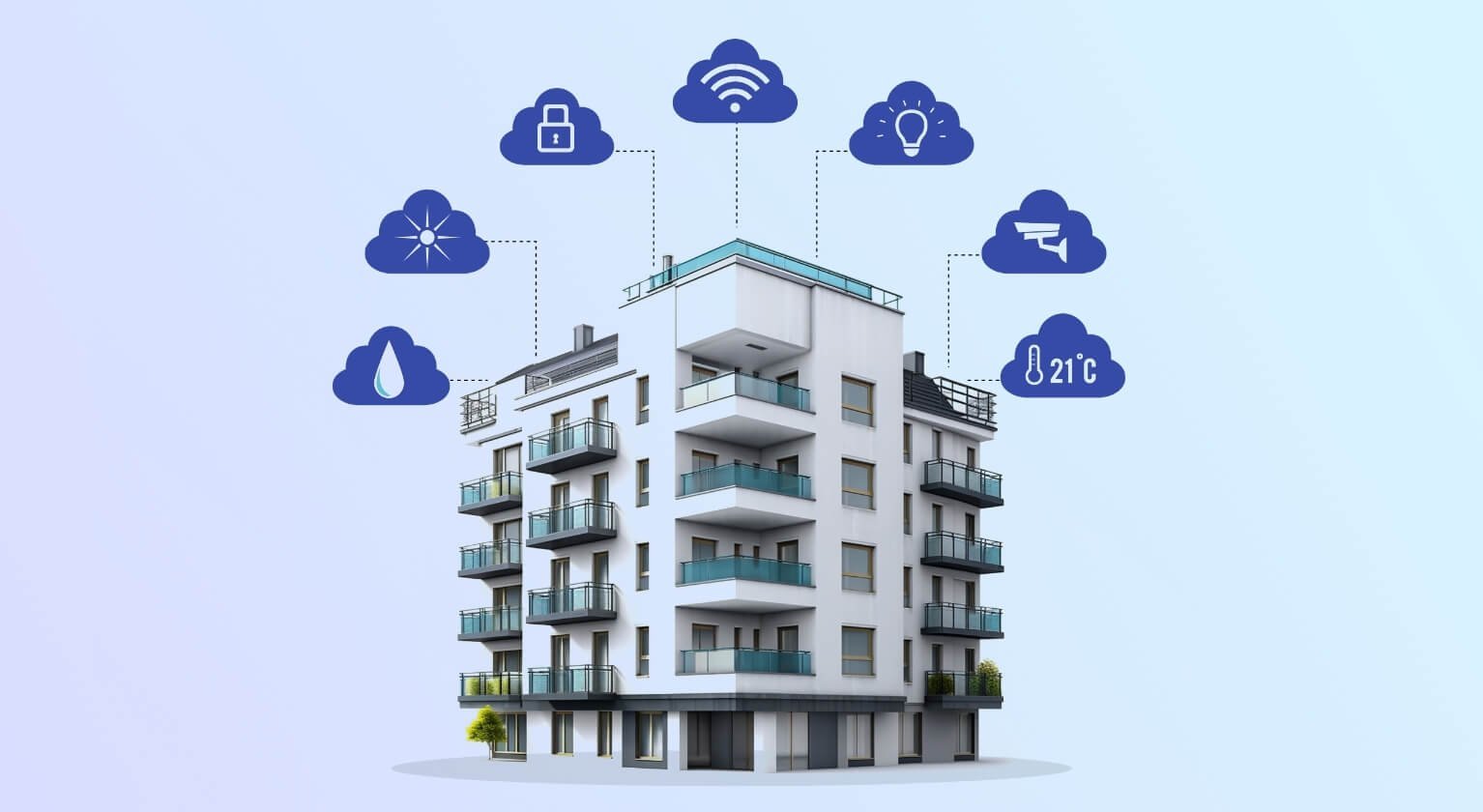
According to some statistics, 10% of the area is under reconstruction after a few years of operations. Hospitals may renew their floors or change the function of some rooms, and hotels may add more boilers or laundry rooms. Every building ever constructed is supervised via a process known as facility management, where BIM services play a major role for efficiency purposes. UniquesCADD has proficiently completed a project for residential building facility management in the Netherlands, where the skilled team seamlessly provided clients with efficient facility management documentation.

BIM as Powerful Tool for Facility Management

BIM is widely popular in the AEC industry. It is an essential concept that is more than just a concept for professionals. Since its inception, it has transformed the reality of architecture and the construction process. For a brief overview, BIM services are defined as a digital representation of the physical structure and its functional characteristics.

It is a 3D intelligent model which is rich in information including cost, material, dimensions and more about the infrastructure. In simple terms it’s a comprehensive digital view of the building that helps professionals ease out the groundwork. From conceptualization to construction, 3D BIM modeling simplifies the complex process of the entire project.

However, once the construction is completed, BIM also becomes a major role in maintaining the life cycle of the building. Since the model is in a rich database, BIM technology plays a central repository facility manager to carry out the task efficiently. To accurately perform the facility management process, it is essential to have all the valuable insights of the building to come to a concrete conclusion.

Here, 3D BIM services come into play as the rich data intelligent model brings comprehensive insights. As a matter of fact, every 20-30 years, any infrastructure requires a thorough check to ensure safety as a priority for occupants. Other than that, BIM services for facility management offer a variety of benefits.

Facility Management Offer a Variety of Benefits

Space Management
Efficient Maintenance
Efficient Energy Use
Accurate Lifecycle Management
Affordable Renovations
Cost Efficient
Keeping the Property System Efficient
Better Spatial Analysis
Improved Safety
Environmental Sustainability
Financial Management
Streamlined Work Order Management
Natural Calamity Preparedness
Improved Data Accessibility and Visualization

Future of BIM in Facility Management Process

Technology and innovation in the architecture and construction sector advances from time to time. With a long list of benefits in the AEC realm, BIM has become a powerful tool for architects, designers and other professionals. Hence, this brightens the future of BIM services in facility management, potentially reshaping the architecture and construction industry and improving the project’s safety, sustainability, and lifecycle. Therefore, this makes 3D BIM modeling services for facility management a bright technology for lifecycle project managers to accurately and efficiently manage the infrastructure aspects and maintain harmony and safety of the occupant as well as the building. Facility management proceeds under strict guidelines and regulations depending on the type of property. There are certain imperative novel ways to promise the future of BIM for facility management; the following are:

  • Better Training, Skills, and Guidance
  • Curating a BIM Implementation Plan
  • Adapting to New Technologies and Software
  • Integration of AI and ML

In a Nutshell

Implementing 3D BIM services can enhance the facility management process, offering occupants safety, improving the building with space management, improving asset maintenance, streamlining processes, and providing energy performance analysis. In fact, integrating BIM in facility management can give professionals a new curve for sustainability and cost-effectiveness levels. Get engaged with UniquesCADD’s facility management services through a team of hand-picked talent and a blend of cutting-edge technologies.

Digital Construction with the Role of Scan to BIM in Project Management

The design and construction industry today has varied tools and technological solutions that help the AEC sector provide accurate and efficient end results. Moreover, the AEC industry always has a fast changing dynamics in terms of technology & services that ensures the complex process of construction turns into simplified form with minor details of accuracy. In fact, even today, innovation in the industry continues to reshape the methodologies of design, planning, execution, and maintaining building throughout the lifecycle.

In the modern state of architecture, digitization construction has become one of the trends today. With the help of the latest technologies and tools, the construction sector has become more marvelous than before. In simple terms, digitization in the construction sector is multi-sided as it involves digital tools, digital project communication, digital automation processes, and much more.

For Enhanced and Accurate Refurbishment Projects

bim services

Digital Construction in Detail

To be precise, digital tools are gradually becoming popular in the AEC sector, which is proof that the construction industry’s future is digital. With help of new state of the art tools and emerging technologies, AEC has gradually transformed from pencil sketches to 2D to 3D modeling. With the wave of digitization in the AEC industry, it offers numerous benefits and promising opportunities.

  • Simpler processes in construction
  • Improvised environmental performance of building
  • Automated processes
  • Faster workflow

With plentiful benefits, digital construction includes digital tools, which result in modification of planning, implementation of the process, and execution of the entire project with accuracy. Today, in a rapidly changing era, the current digitization trends in the AEC sectors are;

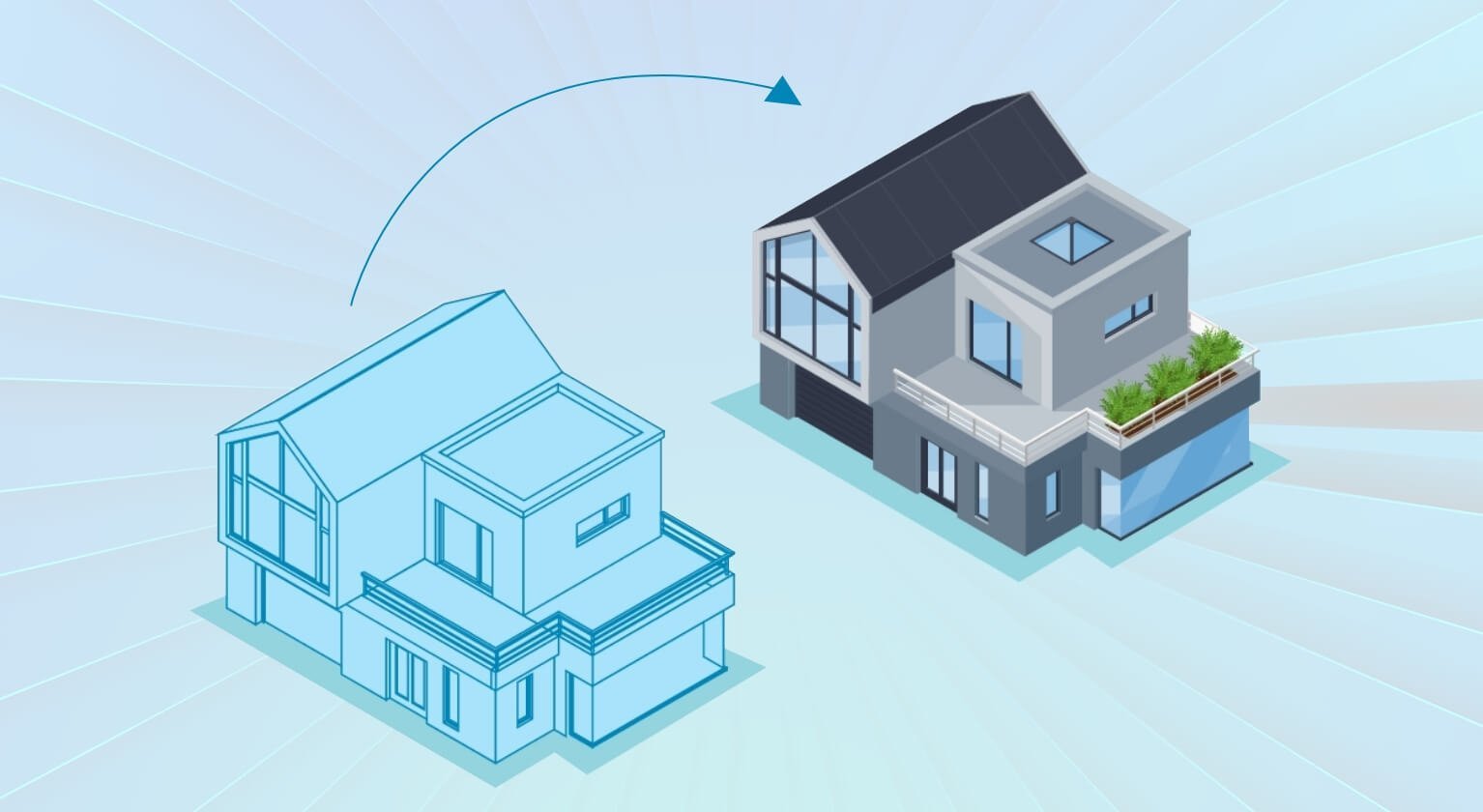
The digitization of the construction industry is basically defined as universal processes on the internet, which vary from planning and execution to documentation and communication, keeping the AEC professionals on the same page. Among the new and vital processes is Scan to BIM technology, which creates a visual replica of the existing structure and captures some intricate details that are out of the reach of the human eye. That is the power of Scan to BIM modeling.

Breaking Down the Scan to BIM Technology in Construction Project

To start with, scan to BIM, popularly known as point cloud to BIM, is a groundbreaking technology in the AEC sector. It has become a game changer in the industry that entails plentiful benefits to the AEC professionals. Scan to BIM is commonly used for renovation, refurbishment, and remodeling projects; however, its advantages aren’t limited to that. Scan to BIM services have extended capabilities of operating and managing building assets for facility management. Not only that but there are numerous reasons to adopt scan to BIM services to execute the construction project accurately. This marvel technology is integrated with building information modeling (BIM), which is usually defined as a digital representation of the building in a 3D model. This allows architects, design teams, stakeholders, and facility managers to engage with virtual walkthroughs of the project. As a matter of fact, Scan to BIM allows BIM managers, project managers, and facility managers to manage, coordinate and share the data regarding the project. Moreover, this technology has a series of advantages in construction projects as follows;

  • Accuracy and Sustainability in Construction
  • Cost Effective
  • Elimination of Potential Errors
  • Clash Detection
  • Time Saving

Scan to BIM technology has revolutionized the way renovations and remodeling of existing structures. However, it is one of the most common uses of point cloud to BIM. Apart from that, this game-changer technology is also used for facilities management, historic preservation, and as-built documentation. Further, let’s deeply understand how to scan to BIM facilitates facility managers.

Scan to BIM’s Facilitation for Facility Management

For a concise idea, facility management begins after the construction phase is completed. As a matter of fact, facility management is a continuous process throughout the lifecycle of the building. Primarily, it can be defined as optimal management of the asset and the content, which involves equipment, spaces, furnishing, and much more. Besides, it plays a pivotal role in the entire project as the building can only function with facility management, which is integrated with business administration, asset management, maintenance of the building, renovation and refurbishment via laser scan to BIM, and contract management.

When it comes to refurbishment or renovation of the building, scan to BIM services enables facility managers to quickly capture the complex geometry of the building, including assets such as power elements, machinery components, and more. As a matter of fact, it supports and provides accurate data by structuring the building’s requirements and existing conditions. Scan to 3D model delivers a consistent and informative database to owners and facility managers in terms of technical and functional values. Some of the perks availed through are:

Scan to BIM’s Facilitation for Facility Management

Diminished risk
Precise Scheduling
Asset Consistency
Data Accuracy
Enhanced Coordination
Better Decision Making
Better Project Transparency

Wrapping Up

Point cloud to BIM services has transformed the AEC sector in various aspects, especially for facility managers to generate and get an in-depth view of the building, equipment, or remodeling of the facility. Through the digitized storage database, facility managers and other AEC professionals can have easy access to the data that enables them to keep everyone on the same page and make informed decisions.