April, 2026 - Uniquescadd - Page 2

Top Benefits of Revit Modeling for Architectural Design Firms

The modern architecture and construction landscape demands precise efficiency, accuracy, and reliability. Today’s construction projects are infused with modern techniques, the latest technology, an exceptional approach, and expert advice. As architectural projects have become more complex and require a precise process, it is important to implement the latest technology and a comprehensive approach for desired results. Old ways, traditional methods, and previous tech cannot be helpful in architectural projects. Moreover, nowadays, the complexity of designing and integrating sustainable solutions is increasing, considering the growing environmental concerns.

Unarguably, architecture projects demand advanced processes, technology, a holistic approach, and skillful professionals for accurate outcomes. As the architecture and construction sector has witnessed an intense wave of transformation in process, design, execution, and technology, it has reshaped the old working approach into a practical and accurate architecture process. The AEC realm is introduced with building information modeling services that have completely changed the industry with numerous benefits and an enhanced construction approach.

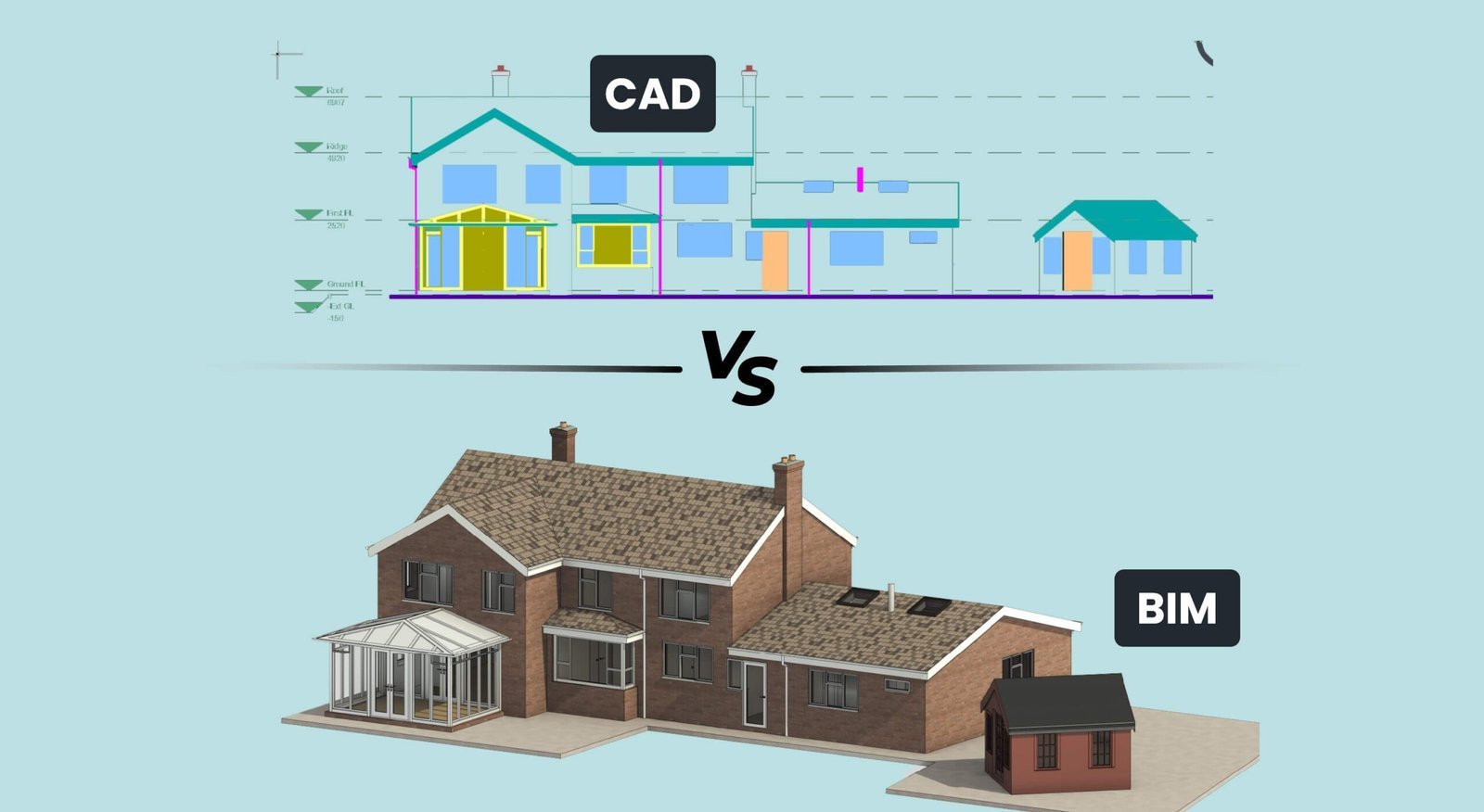
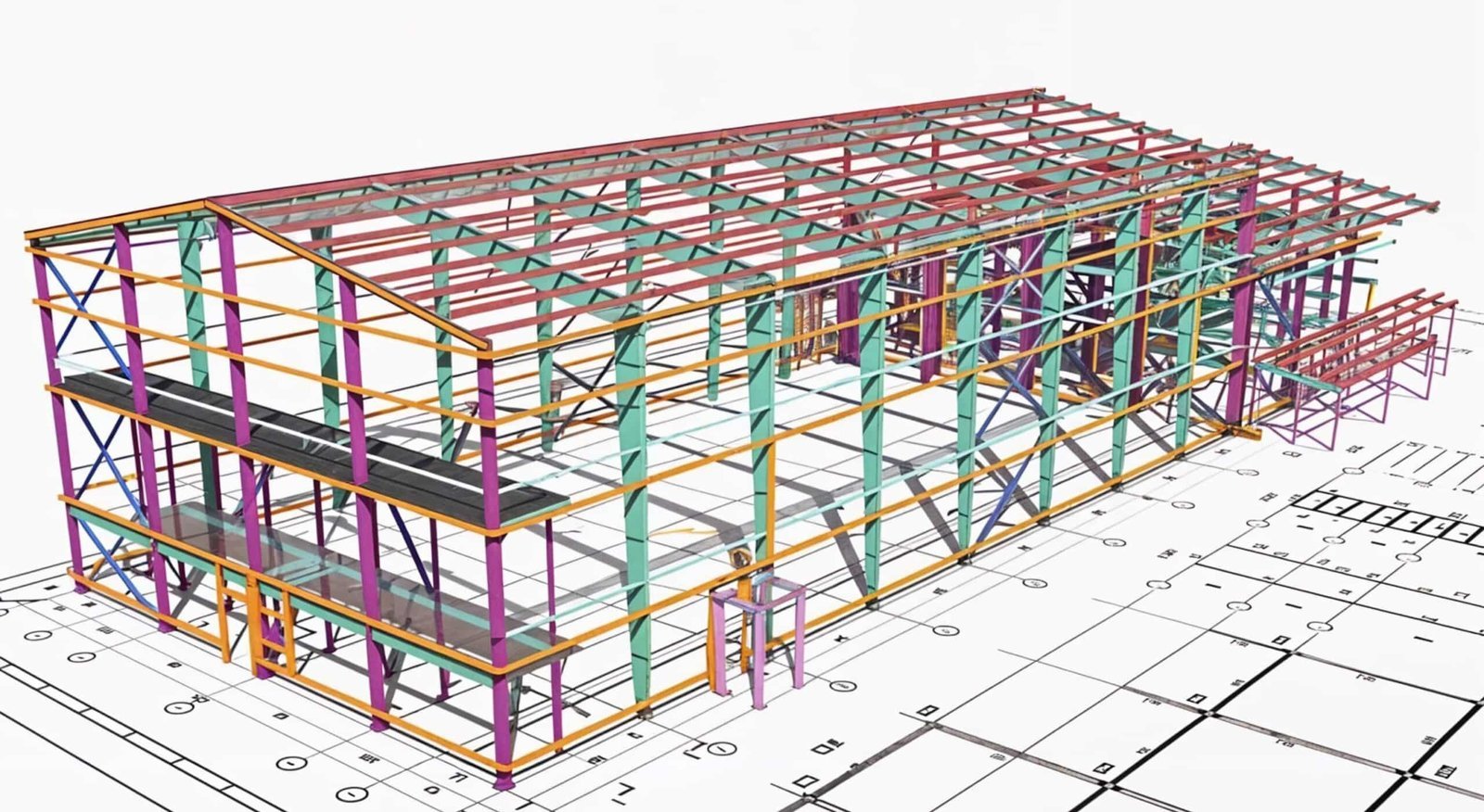
With that comes Revit, a BIM software that is now widely adopted in the AEC realm for accuracy and efficiency in architectural projects. In the continuously evolving market, architecture firms and construction companies must adapt to the latest technology to remain competitive. The introduction of 3D BIM software like Revit significantly changed the process, approach, and outcome for AEC professionals. This has particularly taken the AEC landscape beyond the concept of 2D drawings and offered power to create exceptional architectural designs in 3D format.

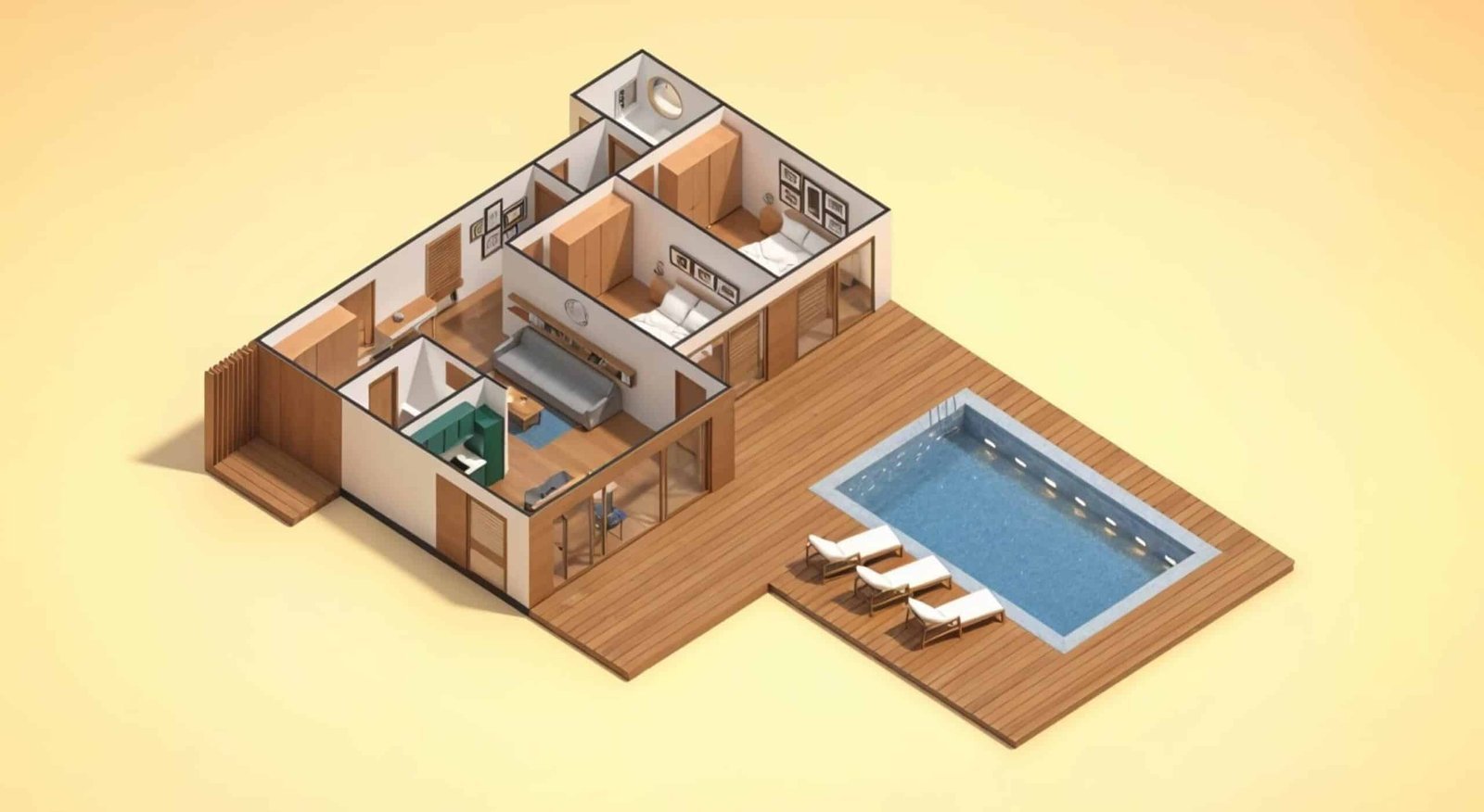
Revit modeling for architects, engineers, and other professionals offers numerous benefits, including the generation of floor plans and the creation of exceptional virtual reality experiences. Revit offers an array of features and capabilities that enhance architectural designs and improve construction accuracy, all while adhering to safety standards. As a matter of fact, revit architectural services have revolutionized the process of designing and allowing AEC professionals to visualize, stimulate and execute the planned project with precision, quality, efficiency and safety standards on the construction site.

In the advancing landscape, Revit modeling continues to shape the AEC sector with more innovative, faster, and efficient construction processes, driven by technological evolution. Not only this, architectural BIM services bring a plethora of advantages for architectural firms. Let’s begin with a brief understanding of Revit modeling and further discuss its countless perks.

Partner with UniquesCADD for Exceptional Revit Modeling Services

bim services

Overview of Revit BIM Modeling Services

The architecture and construction sector is complex and evolving, thanks to emerging technology and innovations. BIM is one of the technologies, or per se, a concept that changed the AEC landscape. From visualizing the project to facility management, building information modeling plays a significant role in the modern AEC landscape. This has enabled architects, engineers, and other experts to enhance the accuracy of construction projects.

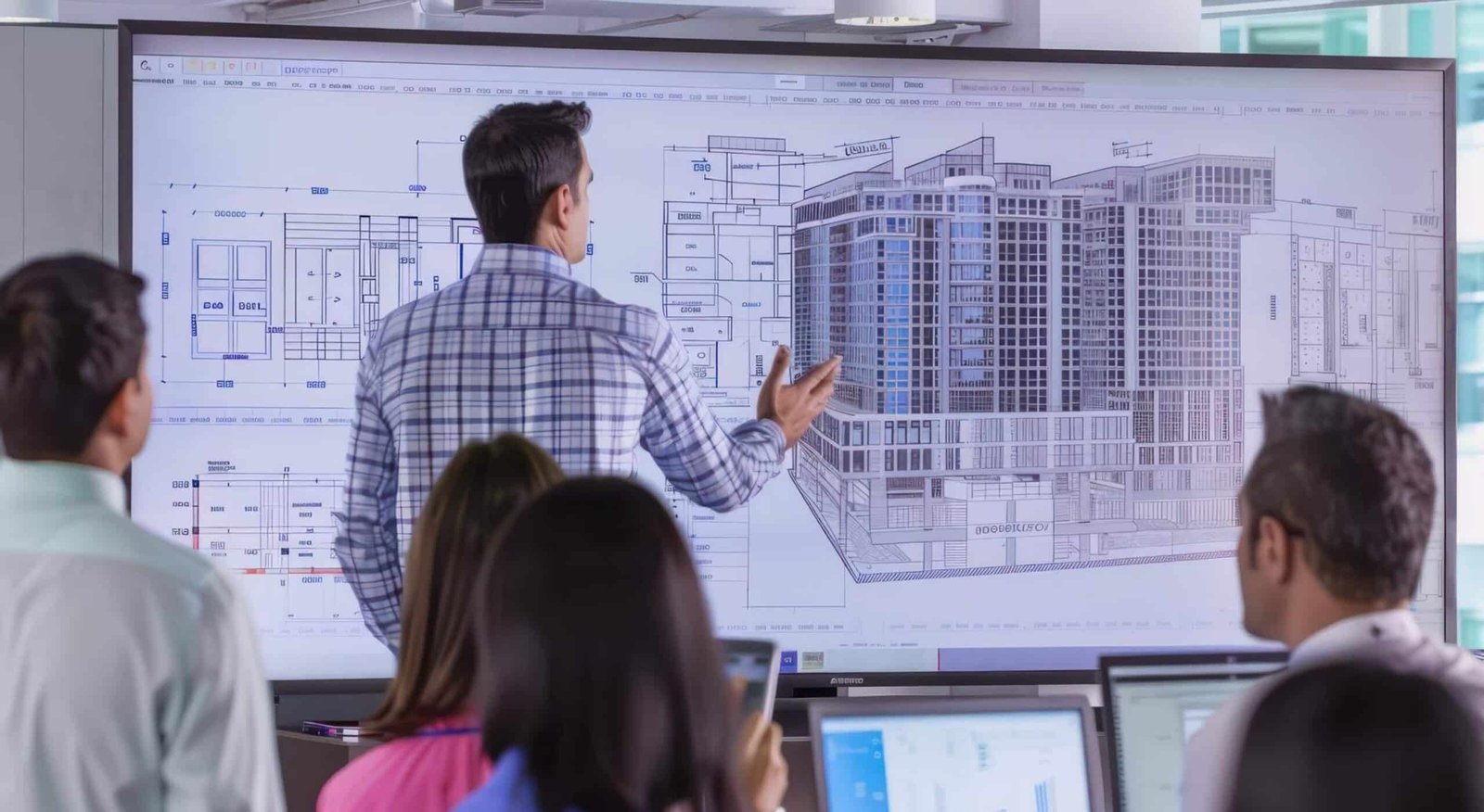
Moreover, BIM modeling services are now an indispensable tool in the modern construction realm that allows improved coordination, communication, better cost estimation, and informed decision-making. The 3D model of the project helps to visualize it in a precise manner. With a data-rich digital version of the project, architectural BIM services support the construction project, from the installation planning stage to facility management. However, Revit-powered BIM solutions shape the AEC sector into more accurate and reliable solutions.

Revit modeling for architects and other professionals is an advanced approach that is now widely accepted in the architecture and construction realm. With significant help of BIM technology, 3D modeling for architecture projects represents design and technical parameters for AEC experts to bring advanced, enhanced and accurate project outcomes. Using Revit enables professionals to minimize manual work processes, leading to better project results and saving crucial time and cost.

Moreover, Revit adheres to architectural drawing standards, ensuring accuracy, efficiency, and compliance with industrial codes and policies to prevent any legal issues. It helps architects and designers adhere to the codes while enabling reduced errors, seamless collaboration, enhanced creativity, and a streamlined work process. Being a significant technology or software in the AEC realm, it features multiple aspects that allow an easy 3D modeling process of the project. Let’s further discuss in detail.

Key Features of Architectural Revit Services

In the emerging and continuously evolving sector, Revit has become one of the powerful technologies that allows professionals to seek enhanced approaches for architecture projects. As a matter of fact, it offers numerous benefits that lead to the desired outcome of the architecture project. Being a significant and powerful tool in the industry, it offers robust features that enable architects, designers, engineers, and other professionals to streamline the 3D modeling for architecture projects as well as the execution. The following are some of the significant features of Revit BIM modeling.

Revit BIM Modeling Aspects

Clash detection and coordination tools
Data-rich modeling
Energy analysis
Collaborative work process
Enhanced visualization
Streamlined modifications
Parametric components and automatic updates
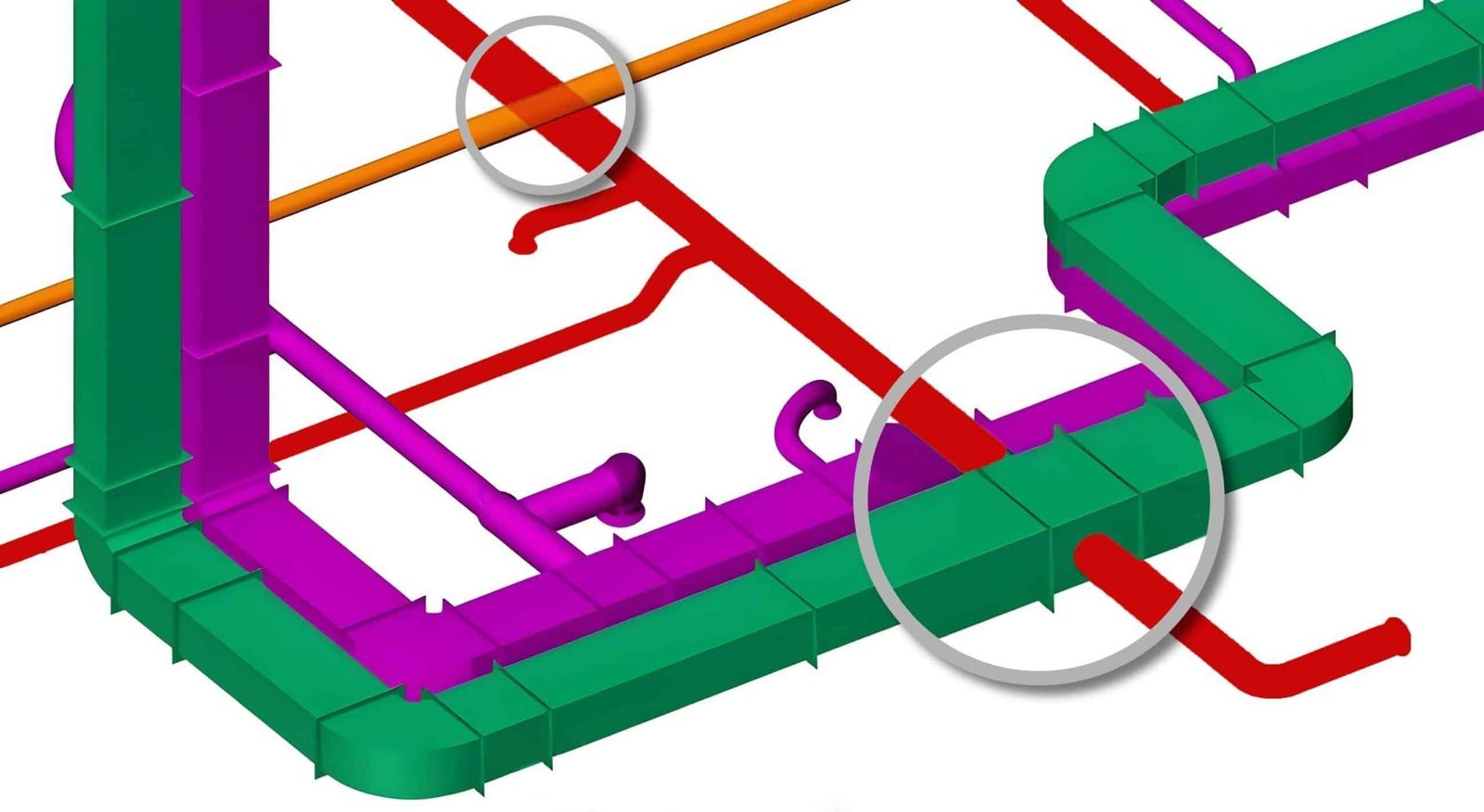
  • Clash detection and coordination tools: Revit, as a BIM software, has in-built clash detection tools that identify errors, clashes, or conflicts at an early stage, resulting in reduced errors, costly rework, and crucial time.
  • Parametric components and automatic updates: This feature ensures that any change in the 3D model is reflected across the model and its elements, thereby maintaining consistency in projects, drawings, and construction documentation.
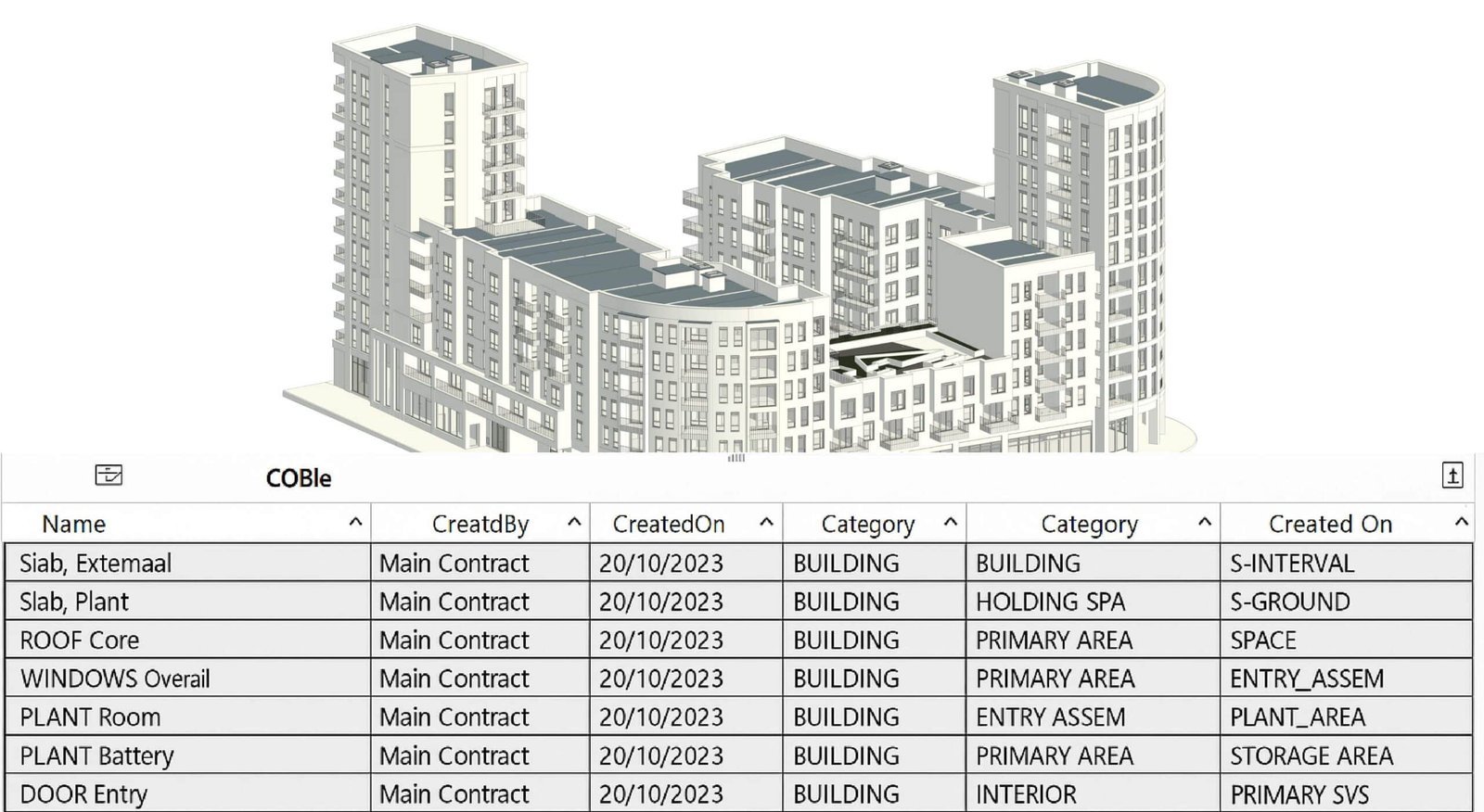
  • Data-rich modeling: BIM for architectural design carries significant information that facilitates informed decision making, quick analysis, and accelerates the construction process.
  • Collaborative work process: One of the primary features of architectural Revit services is collaboration through cloud-based tools like Revit cloud worksharing. It specifically allows different AEC professionals to work on the same model in real time, along with tracking changes.
  • Enhanced visualization: Revit BIM modeling enhances visualization aspects for AEC experts in 3D format, helping them understand the design concept more clearly.
  • Energy analysis: It is a vital aspect of Revit that enables real-time energy and sustainability performance of the building design, ensuring each element supports the sustainable design factor.
  • Streamlined modifications: With simplified processes, changes in design are automatically updated in different areas of projects, which maintains coordination in different disciplines of the project.

Those mentioned above are some of the key features of Revit architectural BIM services that collectively make this an essential tool in AEC for offering high-quality, accurate, and data-rich BIM models. Furthermore, architecture firms adopt Revit modeling to ensure accuracy and compete in the competitive market. This isn’t the only reason, as there are numerous benefits of Revit for architectural firms. The following provides detailed insights into the top benefits, along with an overview of why outsourcing is a holistic approach.

Benefits of Revit Modeling for Architecture Projects

As briefly discussed, Revit BIM modeling offers robust features that lead to construction project success. Moreover, in the ever-evolving state of the sector, accuracy and efficiency are the constant paramount of a project’s success. Since its inception, Revit has been a significant part of the architecture and construction landscape. Due to 3D modeling and other intelligent capabilities, it has reshaped how projects are planned, designed, visualized, and executed. With a variety of key features, the benefits of Revit in architecture and construction projects are numerous, as follows;

Significant Advantages of Revit Modeling

Automation
Scheduling
Error detection and risk mitigation
Energy analysis
Collaboration
Parametric modeling
Cloud-based access
Rendering presentation
Construction documentation
  • Automation: This is one of the significant benefits that is quite crucial in the modern architecture realm. In a single database, all the relevant data and other important details are stored for developing an accurate Revit 3D model. It also includes the automation of changes throughout the model, which leads to saving time, effort, and resources. Automation in the 3D model results in efficient and accurate building design without over budgeting in the project.
  • Collaboration: It is another beneficial aspect of Revit modeling as it allows AEC professionals to make changes to the same model in real time, enabling other experts to be updated. This ability to support multiple user interfaces helps in saving time and enhances collaboration among different AEC professionals.
  • Scheduling: The Revit 3D model acts as a database, storing nearly all information and scheduling facilities, thereby eliminating manual workflow. This also helps in instantly updating any changes that are made in the Revit model, keeping all the professionals informed to make further decisions. It also streamlines the process of reworking that is one of the time consuming processes.
  • Parametric modeling: Revit, as a BIM software, incorporates parametric modeling through Revit Families built into the software. These families are accessed through libraries, and some can be designed from scratch by architects according to project requirements. This significantly enhances the project and visualization aspects through the parametric modeling technique.
  • Error detection and risk mitigation: Risk, errors, and conflicts are common in the construction project, considering various stages and the involvement of different components. However, with the right approach to implementing architectural Revit services, several errors and conflicts can be resolved at the initial stage. This saves time in rework and reduces project costs, while also eliminating potential factors that could lead to mishappenings on the construction site.
  • Cloud-based access: Architecture projects involve many professionals, some working remotely or in a hybrid culture. With a significant rise in flexible working environments, Revit for architectural firms leverages its power of cloud-based collaboration that offers accessibility of information and models to AEC professionals. Architects, designers, or other experts can save or make amendments that are well communicated with professionals. This amplifies the use and ease in working on large and complex construction projects.
  • Energy analysis: With the growing environmental concerns, sustainability and energy-efficient design have become a significant part of the AEC industry. Clients demand energy-efficient design and sustainable factors, saving the environment. Here, architectural BIM services play a crucial role in offering energy-efficient design, accurate analysis, and sustainable planning that allows AEC experts to optimize energy efficiency.
  • Rendering presentation: Building only a 3D model isn’t the end goal; the model must entail different textures, elements, and materials. Incorporating these components for a realistic version is a time-consuming and complex process. Revit 3D modeling for architecture projects provides tools for rendering and 3D visualizations that are seamless, realistic, and time-saving for professionals.
  • Construction documentation: 3D Revit models, as said, are enriched with detailed information and data about the project. While accuracy and efficiency are key to success, construction documentation plays a pivotal role too, which is helpful during the construction and facility management. As Revit modeling services enable AEC experts to coordinate and perform clash detection at an early stage, it helps in curating high-quality and accurate construction documentation. Error-free, accurate, well-detailed, and coordinated construction documents are helpful in gaining legal permissions and certificates, resulting in seamless project delivery.

The benefits of Revit in architecture firms are numerous, ranging from enhanced coordination to streamlined project delivery. Moreover, it is the most beneficial aspect to define parameters of accuracy and efficiency in the project while allowing stakeholders to visualize the infrastructure in 3D format before it’s built.

It enhances efficiency, accuracy, coordination, visualization, and more in the construction project. Implementing Revit modeling demands a strategic approach, the right technology, skills, expertise, knowledge, and more. Revit architecture outsourcing is a comprehensive solution for architectural firms that lack resources and infrastructure, seeking ways to reduce costs.

Outsourcing Architectural Revit Services

Implementing architectural Revit modeling requires significant talent, the latest technology, and the best infrastructure to achieve accurate outcomes. As construction projects are complex in nature and entail various stages, the right implementation of Revit modeling services is evident. With the rise of technology and emerging innovations, the AEC realm has witnessed a wave of transformation that has allowed AEC professionals to enhance the quality of projects and bring precise outcomes.

Since architectural firms often lack the necessary resources and the latest technology or software, implementing the right approach can be quite difficult. Therefore, outsourcing Revit modeling is a significant solution that not only brings precision in architecture projects but enables firms to have hands-on, evident, efficient, and accurate 3D models that bring high-quality construction outcomes. UniquesCADD is a leading BIM company in India, providing advanced Revit modeling services delivered by a team of experts and utilizing cutting-edge technology to achieve efficient and rapid results. The following are some of the benefits of outsourcing with UniquesCADD;

  • Timely project delivery
  • Access to experts
  • Latest technology use
  • Cost effective

Conclusion

Architectural BIM services are paramount for the success of construction projects in today’s modern era. With strategic and precise implementation, architectural firms can deliver accurate projects within the designated timeline.

Choosing the Right LOD for Your BIM Project

The constantly evolving landscape of architecture and construction, technology, and emerging innovations has been a significant part. Traditional construction practices cannot offer reliable and accurate results; therefore, adopting the latest technology and work approach is evident. While the industry continues to adapt the latest methods and technologies, building information modeling has emerged as a transformative technology and has become an indispensable tool in today’s AEC sector.

Today, it is no longer an approach but a mandatory technology that enables architects, engineers, and other professionals to enhance the complex architectural process, streamline workflows, and achieve accurate design efficiency without over-budgeting the project. The benefits of BIM applications are endless, from offering 3D digital representation of the project to facility management. BIM architectural services are now a go-to tool for AEC professionals.

It facilitates the creation as well as management of infrastructure projects with physical and functional characteristics. The idea and implementation of building information modeling are not new concepts; however, it involves various concepts at different stages of construction. It is a well-known fact that architecture and construction processes involve several complex, tedious, and time-consuming stages. For the success of a project, every stage of architecture must be accurate, efficient, and reliable, although it is not only in terms of design.

Upscale Architecture BIM Project with Specific LOD for Efficiency

bim services

The level of development in BIM is a theoretical and crucial concept that guides AEC professionals with specific details, information, accuracy, and the completion stage of the project. When it comes to creating a BIM model for a project, LOD is a significant concept that enables the sharing of specific information at a particular stage of construction.

LOD in construction plays an evident role and is undoubtedly a game changer in the architecture and construction industry. For a more precise and thorough understanding, let’s examine the definition of level of development in detail, its impact on outcomes, and how to select the appropriate LOD for a BIM project.

In-depth Insights to BIM Level of Development

BIM architectural services encompass not only the digital representation of the project but also its detailed aspects. Typically, LOD in BIM refers to detailing, accuracy, and information specified in the BIM model. From material type to representing the time of completion, LOD is a concept that enables understanding of the content and reliability of the 3D BIM model, allowing architects and designers to stay updated with each stage of construction while enhancing communication and collaboration. As a matter of fact, BIM LOD standards bring clarity for AEC professionals to what to expect at each stage of construction in terms of design intent, management of time, cost estimation, resource allocation, and more.

LOD provides detailed information as required at various stages of construction, from conceptual design to facility management. Furthermore, as there are various stages of construction, different levels of development have specific standards that bring clarity, consistency, and lifecycle management. This results in reduced costly errors, improved communication, and better project execution.

Once building information modeling was introduced, the LOD concept came in later. Originally, it originated at the American Institute of Architecture, which standardizes the detail and accuracy of BIM models to ensure effective communication. Before this mandate, there was frequent miscommunication between design expectations and project delivery, as it wasn’t up to standard. Therefore, AIA introduced a theoretical concept for BIM project planning to deliver expected results, streamline project workflows, enhance communication, and more.

Today, the level of development has become an international standard that is accepted across the AEC industry for coordination and communication among various AEC professionals. Not only this, but implementation of LOD in BIM architectural services brings a variety of benefits, such as;

Unlock the Full Potential of BIM with the Right LOD

Improved project communication
Better estimation of cost
Accurate project execution
Reduced project errors
Enhanced project management
Efficient resource allocation

These are some of the key benefits that significantly contribute to the project’s success. Introducing the significant concept, AIA divided into six levels, defining specific standards. Discover BIM design detail level, offering various specifications.

Different BIM LOD in Construction

As discussed, BIM is a significant technology in the modern era of architecture and construction. Offering high-quality and accurate project outcomes, details, and level of information in the BIM model increases at each stage. In fact, there are different stages of construction, demanding accuracy and efficiency, which is why the AIA defined the size level of development, ranging from LOD 100 to LOD 500, providing detailed information, reliability, and other project details.

Typically, AEC firms work up to LOD 350 or 400 as it showcases 80% of the project elements. Each scale brings different information during the designing phase and facilitates communication between BIM professionals and other AEC experts to maintain and coordinate accordingly. The following are different LODs in BIM project planning.

  • LOD 100 – Conceptual Design: It is a basic level of development that entails general spatial representation of the elements at an early phase of the design. This level of development is used for understanding initial planning, basic visualizations, and feasibility of execution.
  • LOD 200 – Schematic Design: This is the second level, showcasing defined geometry, placeholders for elements, and additional information from LOD100. Schematic design typically includes information about the size, location, and function of the element, allowing AEC professionals to have a clear understanding and general idea of the elements.
  • LOD 300- Detailed Design: At this level of development, components, elements, or parts are defined with precise information and data. Moreover, this is the level where clash detection services also play a crucial role in identifying potential errors, resolving them, and facilitating detailed design development, among other tasks.
  • LOD 350 – Advanced Design Coordination: It provides detailed information on the interface of components and elements, enabling AEC professionals to understand coordination, links, and supports. Moreover, design coordination LOD is significant in representing harmony between MEP components, architecture, and structure, while also identifying internal clashes.
  • LOD 400 – Fabrication & Assembly: In this stage of construction, the 3D model includes fabrication details, such as material properties, tolerances, and other manufacturing specifications.
  • Lod 500- As Built Model: At the final stage of BIM modeling, as built condition with accurate geometry, dimensions, and data for facility management. This 5D modeling is helpful for operations, maintaining infrastructure, facilitating seamless renovation in the future, and more.

These are the six segments of the level of development in BIM, offering insights at each stage of the construction process. Ensuring accuracy and efficiency helps enhance overall building performance while ensuring the construction process is executed accurately and without costly errors. As a matter of fact, choosing the right LOD of the BIM project is essential for success and safe onsite construction work. Explore in detail how the right level of development can be beneficial for the architecture and construction project.

Choosing the Right BIM LOD for Construction Project

As discussed in detail regarding the different stages of the BIM model and the implementation of LOD, it is evident that the right level of development should be chosen for the project. In the AEC landscape, the success of the project is dependent on the accuracy and efficiency in stages of construction. Considering that it is evident to choose the right level of BIM development for the success of the project. Since AIA has defined six LODs in BIM, each of the standards defines particular detail and allows AEC professionals to enhance collaboration as required.

Every architecture and construction project is different in terms of design, end goal, type, and other factors. This decides the complexity of the BIM model and amount of information. It is evident to choose the right LOD for the BIM project; however, it is surely a tedious as well as a challenging task. There are certain factors to consider that can help make an informed decision.

Make the Right Choice with These Essential Insights

Optimized model for intended use
Availability of resources
Understanding project goals and requirements
Align LOD with project phase
Industry standards and codes
  • Optimized model for intended use: LOD in BIM helps to understand the optimization, as a lower or initial level of development can be rendered efficiently within the given time. While on the other hand, for architectural visualization, higher LOD is required for accurate representation. For concept design, general data, and budgeting, LOD 100-200 is a better choice. As a matter of fact, reducing the level of detail helps create a smaller file size that is easy to share in different applications.
  • Understanding project goals and requirements: Is a significant factor in selecting the right LOD standard. As AIA has defined six standards, each of the significant levels of development provides information. From early stage to post-construction, LOD helps maintain communication; however, understanding the project goals and the client’s needs is also important. For example, detailed design and coordination data requirements, as specified in LOD 300, are applicable, whereas for facility management or asset data, LOD 500 is required. Here’s a breakdown of segments for picking the right LOD.
    • Early stages: LOD 100-200
    • Design development: LOD 300
    • Construction phase: LOD 350-400
    • Post construction: LOD 500
  • Availability of resources: Resources are crucial for executing the entire BIM modeling process for construction projects, from software and cutting-edge technologies to having BIM experts with acute knowledge, skills, keen attention to detail, and adaptability to move ahead with technology. Moreover, with a significant team of resources and updated software, project owners can easily achieve their goals and execute construction projects with accuracy and efficiency.
  • Align LOD with project phase: Every architecture and construction project entails different phases that offer peak insights. Other stages are crucial in BIM modeling, allowing AEC professionals to enhance accuracy, efficiency, and reliability of the model. Moreover, it improves communication and coordination among various AEC experts, enabling each professional to stay on the same page.
  • Industry standards and codes: The AEC sector is vast and has various standards, regulations, and codes to ensure consistency and accuracy. Codes and standards of construction differ from country to country, depending on the government guidelines. Although following the construction guidelines ensures the seamless execution of the project, including the required documentation and valid permits for the building.

These factors mentioned above are major as well as generic. By carefully considering and selecting the specific LOD for BIM projects, it leads to better communication, less rework, and the successful onsite execution of the project. Primarily, it depends on the project requirements as well as the client’s demand. Due to the complex nature of various factors, it is necessary to outsource BIM modeling services for accurate LOD in the project.

Outsource BIM Level of Development

AEC is a vast, evolving, and complex sector that requires precision for project success. Each project differs based on its type and goal. For an accurate BIM model of the project, AEC firms seek innovative and cost-effective ways to enhance BIM modeling while reducing expenses. Therefore, outsourcing BIM services to a reliable company is a comprehensive solution for various factors. Cost-effective technologies, resources, and a focus on core business goals make outsourcing a trustworthy, beneficial, and efficient solution for AEC firms.

Moreover, AEC firms require an in-house team of BIM experts, which necessitates significant investment in infrastructure, software, talent, and extensive training. All this is skipped when partnering with a reliable outsourcing BIM company, allowing AEC firms to focus on their core business segments efficiently. This saves costs, brings about the required outcomes, fosters business growth, enables high-value projects, facilitates informed decision-making, and more. As the outsourcing market is increasingly growing, the following are some of the factors to consider when picking the right one;

  • Experience
  • Technology and resources
  • Client testimonials
  • Pricing plans
  • Portfolio in the specific industry
  • Project delivery
  • Communication and coordination

Above are the generic factors that help in selecting the right outsourcing BIM partner. UniquesCADD is a top BIM company, offering services to clients that oversee different industries. Our team of professionals ensures quality, efficiency, and accuracy, with expertise in providing development up to 500. With significant and updated technology, our professionals deliver desired outcomes that align with project goals and requirements within the designated project timeline.

Final Thoughts

BIM LOD is essential for achieving project success as it offers accuracy and efficiency in the dynamic realm of AEC. Understanding and integrating the required BIM LOD standards helps to unlock the full potential of BIM and ensure accuracy throughout the overall project.

Architectural Visualization for Hospitality Projects: Hotels, Resorts, and Restaurants

In the ever-evolving ever-evolving business landscape, hospitality is the industry where showcasing an excellent guest experience is a standard for remaining competitive in the market. In today’s era, the hospitality sector is rapidly growing, offering exceptional service that attracts guests to return for the same experience. From hotels, resorts, and restaurants, one of the primary goals is to create a remarkable ambiance that matches the brand’s vibe, address emotional needs, provide holistic services, offer unique and memorable experiences, and more.

Hotels, resorts, and restaurants are continually striving to enhance and enchant their service for customers. To create an exceptional ambiance and environment that represents brand values, the hospitality industry seeks modern solutions by adopting architectural visualization service. Revamping old aesthetics or constructing new adobe, hostels, restaurants, and resorts employs a visualization approach to achieve an impactful outcome.

Moreover, this approach has enhanced industry standards, design philosophy, guest-centric ideas, and architectural details thoughtfully designed, among other benefits. Imagine being able to view the lobby of your new hotel with intricate details and interiors. Thanks to modern technology, the hospitality industry can now design guest-centric environments that are convenient, comfortable, and offer a high-end experience.

In the architecture and construction industry, technology has transformed the work approach. Today, in the modern era, the ability to visualize the design or space before it’s built is not only marvelous but has become increasingly important. With the help of powerful tools, 3D interior visualization has become a prevalent approach in the hospitality industry for creating an impeccable guest experience in hotels, resorts, and restaurants.

As a matter of fact, it allows hospitality industry business owners to overcome design challenges and transform businesses to attract more guests. 3D rendering enables business owners to make design-centric decisions, streamline processes, and ensure the interior of the facility aligns with the brand value before it is implemented in reality. Let’s delve deeply into how 3D architectural rendering for hospitality projects is beneficial in today’s digital landscape.

Elevate Hospitality Projects with Architectural Visualization

bim services

Key Insights to Hospitality Architectural Visualization Services

In the hospitality industry, visual appeal is a significant aspect of influencing guest’s decisions. For example, when booking a travel app, a customer is more likely to be appealed by the photos uploaded by the property owner compared to the reviews below. These photos are enhanced, attractive, and of areas where guests are likely to spend time. Nowadays, due to fierce competition in the hospitality industry, people typically upload a 360-degree view of the room or property to attract more customers.

This is where the role of 3D rendering for hotels and resorts is highlighted. In the hospitality industry, restaurant owners, hotel owners, and resort owners are continually seeking ways to create an immersive, functional, and aesthetically appealing ambiance. As design plays a significant role in enhancing customer experience, 3D visualization for real estate properties, including hotels, boutiques, resorts, villas, restaurants, and more, is crucial.

3D rendering technology is a transformative approach in the hospitality sector that bridges the gap between architectural reality and creative ideas. This, moreover, allows architects, designers, and stakeholders to visualize the idea in enhanced photorealistic rendering with intricate detail. Today, this transformative approach isn’t only a luxurious resource but a necessity for future environments. In simple terms, 3D rendering offers a glimpse into the future, showing how the environment, space, or ambiance will look. Moreover, this technology allows architects and designers to turn creative ideas into aesthetically appealing visuals that represent every minor detail, from daytime lighting in space to evening moods.

Additionally, it also includes the texture of the walls, furniture sets, decor articles, and more. This drives more sales, bookings, and reviews in the hospitality sector. Similarly, for restaurant visualization design, customers can review the place and ambiance before visiting for the required occasion. In fact, the hospitality sector’s implementation of architectural visualization services encourages owners, investors, and customers to review the property or space before the groundwork begins.

Architectural visualization technology eliminates potential errors, replaces complicated sketches or mood boards, offers a life-like vision, and evokes realism in the rendered visuals. The following are some of the key benefits of 3D rendering for hotels, resorts, and other types of hospitality properties.

  • Enhanced communication and collaboration
  • Improved marketing
  • Increased conversion rates
  • Minimized rework
  • Optimum use of resources
  • Streamlined workflow
  • Efficient decision making
  • Better guest experience
  • The budget and project scheduled
  • Design flexibility
  • Unmatched realism

With the benefits above, the list can go on for 3D interior visualization that extends beyond mere visuals. Promotional materials, attracting investors, true-to-life renderings, and more are a significant part of this comprehensive approach. As a matter of fact, these visually appealing renderings and designs are done with a definitive purpose and elements that make great hotel and resort architecture rendering.

Key Elements of Hospitality Architectural Visualization

In the vast and ever-evolving field of hospitals, where the guest experience is the pillar of success, aesthetics may win the heart, but functionality adds value to the space. Therefore, exceptional design isn’t just about visual appeal but must also be functional, enhancing the customer experience and enabling them to keep coming back. In the design, functional elements or components play a significant role in architectural visualization for the hospitality sector.

In fact, 3D models can be easily tweaked, altered, or modified to offer multiple design options, allowing enhanced decision-making for architects, designers, and customers. The following are some key elements for creating an improved 3D visualization of a hotel, resort, or restaurant.

Major Elements of Architectural Visualization

Flow and Function
Sustainable choices
Atmosphere
Accessibility for all
  • Flow and Function: 3D architectural rendering helps test the flow of people and operations in hotels, resorts, or restaurants, enabling a seamless experience in reality. Flow and function through 3D rendering allow designers to understand the circulation without any confusing pathways for staff as well as customers.
  • Atmosphere: Creating an atmosphere that resonates with the brand’s value is one of the critical elements. Visualization in the hospitality sector helps enhance the ambiance of the space and improve the overall tone according to the property’s vision. For example, a restaurant aims to have a cozy ambiance, while a resort aims for a dreamy, lavish, and spacious ambiance. Each of the property’s tone of space or environment will have different colors, decor, and lighting that ensure the achievement of the intended mood.
  • Sustainable choices: In the AEC, real estate, and hospitality sectors, sustainability approaches have become increasingly common. It is no longer an option but has become a mandatory process. With the help of hotel and resort architecture renderings, architects can model sustainable, energy-efficient, and green building layouts or designs, aligning with project requirements.
  • Accessibility for all: In the hospitality landscape, designers can ensure the layout or design of the property is inclusive for guests, providing all amenities without compromising or revamping the design at the last minute. This saves time, effort, and rework in the project as it represents clear visuals of the property.

These are significant elements of 3D visualization of hotels, resorts, and other hospitality properties that infuse functionality, ambiance, and aesthetic visual appeal.

How Hospitality 3D Architectural Visualization Refine Project

As briefly discussed, the benefits of 3D renderings and key elements that enhance visualization are evident; however, it isn’t an easy process. Hospitality architectural visualization services are complex, tedious, and a lengthy process that cannot be completed overnight. The stages of rendering demand intricate knowledge of software, project understanding, and proficiency in transforming creative ideas into visually appealing materials.

In fact, interior visualization processes encompass various types, including photorealistic rendering, 3D walkthroughs, and views of interiors, exteriors, and aerial perspectives. Creating a visually appealing and functional 3D view of a hospitality property involves multiple phases, enabling designers and architects to bridge the gap. Following is a generic process that can be altered according to the type of architectural visualization.

Significant Steps for Visualization Process

Ideation & Conceptual Approach
Digital Modelling
Detailed Design Layouts
Materiality and Lighting
Final Rendering & Animation
  • Ideation & Conceptual Approach: The first stage begins with understanding the brand’s story, ideations, goals, and a guest-centric approach. This is where stakeholder shares ideas and thoughts that are crucial for aligning the project design with the objectives, mood boards, tone, and spatial requirements.
  • Detailed Design Layouts: Based on the project’s vision, concept, or ideation, designers map out precise floor plans, spaces, and spatial arrangements. This stage anchors the vision in a physical context, allowing precise rendering that mirrors the real world.
  • Digital Modelling: Leveraging cutting-edge software, 3D designers or visualizers construct the space digitally, layering in architecture, interiors, furniture, decor items, materials, arrangement, and even outdoor landscaping to build a realistic replica, showcasing how the property will look after the final production.
  • Materiality and Lighting: Once the digital modeling is complete, visualizers aim to incorporate finishes, textures, shadows, and lighting effects that reflect the space’s look and feel at various times of day or moods. This stage is critical for mood-setting, accuracy, decision-making, and understanding surrounding the best guest experience.
  • Final Rendering & Animation: High-resolution images and cinematic walkthroughs are generated at the final stage of architectural visualization. These visuals help with accurate internal planning, as well as attracting investors to the projects and exciting future guests. Moreover, this also plays a crucial role in decision-making and developing marketing strategies in the vast hospitality market.

The above-discussed stages are generic and can be modified according to specific requirements and project needs. However, as technology advances in AEC, it impacts 3D visualization services, which alter the approach to deliver high-quality results, accelerate projects, and offer a more attractive appeal to the surroundings. Explore the future outlook of 3D interior visualization in depth.

Future Vision of Architectural Visualization Services

Technology and innovation continue to advance, enhancing the current scenario with more effective and impactful outcomes. Similarly, the world is moving forward with cutting-edge technologies that are affecting architectural visualization. Looking forward to the future, driven by innovative advancements and approaches, 3D visualization services have a promising future, considering the integration of AI, VR, AR, and more. These innovations will enhance collaboration, streamline workflow, increase realism in visualization, and accelerate project completion. The following are major technologies that will surely be advantageous in 3D architectural rendering for hospitality projects.

  • AR and VR Integration
  • AI-Powered Approach
  • Real-Time Rendering
  • Sustainability Visualization
  • 3D Printing

These are a few technologies that are the future of architectural visualization, improving accessibility, collaboration, pace, and collaborative nature with increased efficiency. Typically, hospitality sector firms have numerous tasks and look for novel ways to implement visualization. As the industry understands the importance of offering high-quality visuals, it is evident to hire experts to achieve accurate results. Discover how partnering with a BIM consultant company can be beneficial for hospitality projects.

Outsource Architecture Rendering Services: UniquesCADD

Technologies and innovations will continue to impact the architectural visualization service approach, yielding higher quality and enhanced outcomes. As the hospitality sector is vast, business owners often lack visualization expertise and seek ways to reduce expenses. Outsourcing to a reliable BIM consultant company with expertise in visualization services is a fruitful and novel solution. In a constantly evolving sector, outsourcing helps to cut costs while achieving hands-on, accurate, and desired outcomes. Recently gaining popularity, outsourcing architectural visualization experts offers various benefits and accuracy in the project, allowing hospitality business owners to focus on other crucial tasks.

Meanwhile, outsourcing experts are well-versed in processes, proficient in software, and can adapt to evolving technology, among other valuable skills. UniquesCADD is a top outsourcing BIM consultant company with expertise in architectural visualization. A team of professionals, cutting-edge technology, and proficiency in the process bring the most accurate project outcomes. Partnering with UniquesCADD brings numerous benefits, the following are;

  • Transparent pricing
  • Access to technology and experts
  • Quick turnaround time
  • Industrial expertise
  • Tailored solutions

Ending Thoughts

Hand-drawn sketches, mood boards, or manual workflows are in vain, as the competitive market demands quick and accurate outcomes. With architectural visualization services, the hospitality industry can enhance project goals, attract more guests, streamline workflows, and improve communication, resulting in reduced errors.

BIM-Ready Revit Families for Building Product Manufacturers

The construction industry has already witnessed significant changes that have improved the approach. Growing technology and innovation have fostered various benefits, comprehensive methodologies, precision, and quality in projects. As every construction project is complex and uniquely created based on strategic planning, holistic design, accuracy in functionality, and other factors, technology and innovation play a key role.

In the ever-evolving industry, architects, engineers, and other professionals have adopted new approaches that lead to precision, enhanced quality, and efficiency. Among a variety of emerging trends in the realm, building information modeling is a key approach and groundbreaking technology for the AEC industry, considering how it has brought a drastic transformation to the architecture and construction industry.

With significant benefits and ease in the construction process, BIM-related technologies also contributed to enhancing the process, offering simplified solutions, accurate outcomes, improved communication, and more. Amidst the massive alterations in the architecture and construction industry, Revit family creation services have become a pioneering approach in AEC projects. The introduction of Revit families has drastically changed the working methodologies for architects, engineers, and contractors in building design. Moreover, Revit family creation helps product manufacturers as well, offering a variety of benefits to ensure precise curation of components.

A construction project isn’t only about having a strong framework but also ensuring the functional components of the infrastructure are precise, efficient, and safe for occupants. These components include MEP components, walls, doors, stairs, furniture, and many more. A construction project BIM model helps in visualization, and with these elements, stakeholders can easily understand the scope and design.

On the other hand, the Revit family is equally significant for manufacturers in many aspects. As BIM has evolved exponentially in the AEC market, it continues to develop in response to market demand, also impacting Revit family creation. Let’s delve deeply into Revit family creation services and explore how they are beneficial for manufacturers.

Enhance Product Manufacturing with Precise Revit Family Creation

bim services

Understanding Revit Family Creation in Depth

Constructing an entire building is a complex, tedious, and time-consuming process. It involves various stages that contribute to the project’s success. However, each stage demands precision, efficiency, keen attention to detail, accuracy, and more. The role of BIM modeling services is amplified here, considering the long list of benefits. Since every infrastructure entails several components that are manufactured or fabricated, revit family creation plays a vital role. It fosters design accuracy, saves time and cost, reduces the scope of errors, and brings various benefits. Simply put, Revit is a BIM software by Autodesk that brings various components or elements for professionals to use in their project models.

A Revit family is a significant part of Revit, and various families serve as building blocks in digitally curated projects. As a matter of fact, it represents the infrastructure parts like doors, fittings, furniture, windows, MEP components, and other various elements in 3D format. AEC professionals have access to the Revit library, which can be curated according to specific requirements, modified to suit existing families, and utilized for other projects. Typically, Revit families are categorized under three variations: the following are

  • System families
  • Loadable families
  • In place families

With three different categories, Revit family creation also brings various benefits to construction projects. From improved design quality to fostering collaboration, creating reusable parametric Revit families allows professionals to streamline the process and reduce the chances of errors. The following are key advantages of Revit family creation,

  • Accurate representation
  • Consistency and standardization
  • Parametric modeling
  • Less modeling time
  • Fosters collaboration and communication
  • Customization, flexibility, and reusability

The list of benefits can be extensive; however, these key perks are particularly relevant for AEC professionals, highlighting the significance of modern architecture. However, Revit family creation services are beneficial not only in the manufacturing process but also in the AEC industry. Discover how Revit serves as a vital resource for manufacturers.

Revit Family Creation for Manufacturers

In the fields of architecture and construction, precision and efficiency are key to project success. Accuracy is evident throughout all stages, including the infrastructure’s components. Components are manufactured or fabricated according to the project’s requirements; hence, Revit family creation in the BIM model ensures the provision of the right geometry for elements. Manufacturing is a vital part of construction, defined as the production of tangible elements to be installed in a building as a whole or as part of it.

Being a significant process, it is equally tedious, as a minor mistake could lead to high costs, delayed projects, inaccuracy, and more. Therefore, the manufacturing industry also reaps numerous benefits of BIM object creation to assure quality and precision. In the ever-evolving market, manufacturers utilize the power of building information technology for conceptual design, analysis, costing, and more.

Manufacturers utilize Revit primarily for pipes, ducts, lighting fixtures, and other components that require precise fabrication, including those with specified parameters such as materials, type, color, properties, and dimensions. In fact, BIM-ready Revit families also elevate the sales of manufacturers’ products. As the 3D model enables product manufacturers to create specified products, Revit family integration ensures precision and quality, depending on the project.

As construction processes require a high-quality and accurate approach, manufacturers use Revit family creation specifically for HVAC components due to their complexity and level of precision. Manufacturers adopting Revit families can visually represent their products, components, or equipment to architects and designers, enabling the right selection of products and seamless integration into the construction process. Not only this, but Revit families for manufacturers are crucial in various ways, the following are;

Importance of Revit Family for Manufacturers

Accurate representation
Enhanced design coordination
Streamlined workflow
Better visualization
Component customization
Increased visibility and accessibility
Precise material and cost estimation
  • Accurate representation: By adopting Revit families, it offers high-end, intricate, and precise 3D models with component geometry, dimensions, materials, and other required details.
  • Better visualization: Before the final production of components or products begins, manufacturers, designers, architects, and other involved professionals can visualize the integration of the product in the design with greater clarity and understanding.
  • Enhanced design coordination: Coordination is a vital aspect of the construction process. Implementing the Revit family for manufacturers helps ensure that the design product or component is integrated accurately into the design, with no conflicts during construction.
  • Component customization: Revit families enable manufacturers to create multiple configurations and customize them within the same Revit family. It ensures the choice of the most reliable and suitable variation is chosen depending on the project requirements.
  • Streamlined workflow: As technology has accelerated the process, manufacturers adopting parametric Revit families can quickly and easily create products without consuming significant time, thereby reducing errors and saving costs.
  • Increased visibility and accessibility: Designers, architects, and other professionals can easily access the products made in Revit families. This accelerates the process, maintains communication, and saves time in finding the right component for the project.
  • Precise material and cost estimation: Revit families contain specified information about materials, performance characteristics, quantities, texture, and more, which is used to identify the estimated cost and material schedules.

These are the key aspects where Revit family creation for manufacturers plays a vital role. As a matter of fact, this strategic technology also offers various benefits apart from ensuring the project and design efficiency. As briefly discussed, the importance of Revit families for manufacturers cannot be overlooked, as BIM objects represent all the technical characteristics of products.

This also helps ensure the final production of components is seamless and by the model, thereby maintaining design efficiency, accuracy, and reliability. The following are some of the benefits that highlight the importance of BIM-ready Revit families for product manufacturers.

BIM ready Revit Families Role

3D Product Model for Website
Design flexibility
Product Specification in Detail
Custom Designing
  • 3D Product Model for Website: This is one of the significant reasons manufacturers implement BIM Revit families. The ability to create 3D models for websites, architects, designers, and other professionals allows them to view, download, and integrate digital content into their projects. This also enhances the selling power of manufacturers while AEC professionals can accurately execute construction projects.
  • Product Specification in Detail: As discussed, creating a Revit family entails intricate detailing and data, including materials, textures, properties, and more. High-quality 3D models are detailed, making it easy for architects and designers to examine and understand the product closely. Moreover, it also provides clients with a clear understanding of the component before final production begins.
  • Design flexibility: Manufacturers can adapt customized facilities, allowing for quick modifications to the product. Design flexibility in Revit family creation enhances project quality, streamlines the process, and reduces time spent on creating accurate components tailored to the project.
  • Custom Designing: Typically beneficial for furniture manufacturers, Revit families allow users to create unique custom objects digitally. Once approved by the client, the manufacturer can quickly create the tangible version of the component, ensuring accuracy, efficiency, reduced material wastage, and more.

BIM is the most effective tool for representing the technical aspects of architectural and MEP components, allowing stakeholders to understand them in a 3D digital format easily. Additionally, this strategic tool helps streamline the complex process without conflicts or changes to the building design. In the modern architecture and construction realm, it is essential to maintain cost, accuracy, and efficiency throughout the project.

Due to its various stages and complex nature, Revit family creation is a challenging approach that demands acute skills, precision, expertise, knowledge of the software, and more. Typically, manufacturing industries lack the expertise to implement the Revit family creation approach; however, due to its rising importance and numerous benefits, it is crucial.

Outsource Revit family creation is one of the comprehensive approaches for AEC professionals as well as manufacturers. Moreover, it allows hands-on, precise, and required models without investing high capital in the firm. Discovering how to partner with a BIM company in India can be helpful for manufacturers.

Outsourcing Revit Family Creation: Key Insights

As discussed, Revit family creation has become a strategic tool in the architecture and construction industry. Due to the 3D representation of components, it becomes easier for architects and designers to integrate into the BIM model. As a matter of fact, with a plethora of benefits in the AEC sector, it is also comprehensive for product manufacturers. With the increasing importance and need for precision in projects, the manufacturing industry is increasingly outsourcing Revit family creation services to a renowned BIM company.

In the modern and continuously evolving AEC industry, outsourcing is the most beneficial and holistic solution. Outsourcing to a renowned BIM company offers various benefits, including precision and quality, without requiring a high capital investment. Outsourcing service providers have a team of professionals who are well-versed in the process, technology, and complex nature of the tool. Meanwhile, Revit is a complex software that continually upgrades with emerging innovations. Therefore, it demands expertise and an adaptive nature to ensure accurate outcomes. Outsourcing comes with various perks, such as;

  • Technology and experts’ access
  • Cost-effective solutions
  • Accuracy and efficiency
  • Quick turnaround
  • Tailored solutions

The list of advantages can go long. UniquesCADD is a renowned and top BIM company in India, offering Revit family creation with precision. With a specialized team of experts and best-in-class infrastructure, UniquesCADD ensures that it offers the desired outcomes for AEC professionals as well as manufacturers.

Final Remark

Revit Family Creation Services is a strategic tool that has the potential to enhance complex construction projects into high-quality and accurate results. This plays a crucial role for product manufacturers, allowing them to create specified and efficient products for the projects.

Digital Twins and MEP BIM: What the AEC Industry Should Expect

The architecture and construction sector evolves rapidly, considering the pace of technological emergence and innovations. Today, in the modern architectural landscape, adapting to innovation is not just a luxury but has become a necessity to achieve the desired goals and offer the best infrastructure. Moreover, precision, efficiency, and reliability have been constantly strong pillars of the AEC project’s success. Emerging technologies and innovation not only ensure enhanced precision but also bring advanced solutions for complex projects.

Over the years, AEC has witnessed a wave of transformation that includes many technologies. Among several, one of the beneficial technologies is building information modeling services, which allow AEC professionals to enhance collaboration, communication, design precision, cost efficiency, and more. As technology advances over time, digital twins have become a trend in the architecture and construction realm.

Today, digital twins in construction have become a significant aspect, offering a wide range of benefits that redefine building performance, minimize the scope of errors and more. In the architecture and construction field, infrastructure project construction is segmented into various stages, and each stage requires meticulous attention to detail. Architectural, structural, MEP, interior and exterior visualization, lifecycle management, and other aspects demand efficiency to maintain quality and harm. MEP is one of the complex aspects in every construction project, requiring MEP components to integrate harmoniously into the design.

Maintaining harmony and synchronization between all the components ensures a comfortable living environment. From mechanical systems to plumbing systems to fire safety, every component must fit properly into the design. Due to the complex and intricate process, MEP BIM services play a significant role. MEP is a vital aspect of making the infrastructure functional, and with the integration of BIM, AEC professionals can easily integrate components in the design without compromising the design.

Moreover, the BIM model ensures precision, fewer errors, reduced rework, and more. As crucial as MEP BIM modeling and advancing technology are to the current approach, MEP BIM-enabled digital twins help enhance the complex process and bring more comprehensive solutions. Let’s understand digital twin and MEP modeling services in detail and how technology can enhance the process.

Integrate Digital Twin in MEP BIM for Optimized Performance

bim services

Understanding Digital Twin in Detail

In the rapidly evolving realm of AEC, technologies continually enhance existing processes, resulting in increased precision and quality. As traditional methods have become outdated, digital processes have led to more accurate, efficient, and cost-saving approaches. Thanks to BIM modeling services, it has allowed architects, engineers, and other professionals to work collaboratively and reduce significant time. In fact, BIM also helps simplify complex designs, leading to precision and high-quality project outcomes. Building information modeling (BIM) represents a technological transformation as the AEC landscape continues to scale up, and the future of BIM in AEC presents wider opportunities.

Digital twin technology is a game changer in the architecture and construction realm, offering innovative, faster, and data-driven solutions. As BIM is a digital representation of an infrastructure project’s physical and functional characteristics, a digital twin is a virtual replica of a building. Leveraging the power of AEC digital transformation and adopting digital twins allows for hands-on, real-time monitoring, simulation, and optimization. A digital twin in AEC is defined as a virtual replica of a physical building, offering real-time data integration and predictive simulations. As a matter of fact, digital twin technology integrates with significant components, such as

  • Building information modeling
  • IoT sensors
  • Data integration and ML
  • VR environment
  • AI algorithms

Digital twin innovation specifically enhances decision-making through the construction process. 3D BIM replicas are created of the physical environment and processes to enhance the project design. AEC firms leverage the power of digital twins to reduce significant errors, improve safety, and accelerate the complex process. Apart from replicating the construction project, the following are some of the significant advantages;

  • System optimization
  • Improved decision making
  • Predictive maintenance
  • Enhanced collaboration
  • Optimizing facility management

With the benefits above, the AEC industry has gradually adopted digital twin technology. As it delivers enhanced results and accelerates the construction process, digital twin BIM services enable better decision-making, improved lifecycle management, enhanced MEP BIM capabilities, and more. Discover how digital twin technology in MEP BIM transforms the approach. Foremost, let’s briefly understand MEP modelling services.

What is MEP BIM in AEC Firms?

In the modern era of architecture and construction, building information modeling has reshaped the approach for architects, engineers, designers, and other professionals. It has provided a digital representation of the infrastructure, bringing efficiency in design, precision, and minimizing errors. In any construction project, MEP components play a crucial role in making the building functional and comfortable for its occupants. Integrated with BIM services, MEP components are accurately designed, planned, managed, and integrated into the model, ensuring quality is not compromised.

Designing MEP components is a complex task as it demands synchronization between the three. Each of the components plays a crucial role in ensuring the infrastructure’s functionality, making it comfortable for occupants to live in. MEP BIM services play a significant role in the construction process, enabling professionals to improve coordination, enhance precision, maintain harmony among the three components, and more. As a matter of fact, MEP BIM integration leads to lesser error, comfort, and safety in the infrastructure.

From well-functioning HVAC systems to evenly distributed power throughout the building, MEP plays a crucial role. The integration of BIM enables AEC professionals to seamlessly integrate MEP components into the design, ensuring maximum harmony and minimizing errors or clashes. The following are some of the key benefits of MEP modeling services.

MEP BIM Services Major Advantages

Efficient resource management
Better collaboration and coordination
Faster project delivery
Quick clash detection
Enhanced design accuracy
Improved visualization
Reduced rework
Better resource utilization

With better planning, coordination, and lifecycle management, MEP BIM provides a comprehensive digital representation that offers precision throughout the process and during onsite construction for MEP engineers. Moreover, data-rich, intelligent 3D models also aid in data analysis, helping to identify clashes or conflicts during the design process and providing accurate solutions. This helps to reduce cost, rework, and time during the complex design process.

As technology has evolved and made a significant impact on the architecture and construction realm, digital twins have benefited the MEP BIM process, making it a more advanced and holistic approach. MEP BIM has already transformed the approach; however, having real-time data in construction can yield more comprehensive results in less time while enhancing accuracy, efficiency, and optimized building performance. Discover how MEP BIM-enabled digital twins can be a useful strategy in the construction industry.

Role of Digital Twins in MEP BIM Service

As briefly discussed, digital and MEP BIM each bring holistic solutions through technology advancements. In the modern architecture and construction process, complex designs with intricate details have become quite common. While innovation and technology in the sector have transformed the working approach, Industry 4.0 demands more enhanced and exclusive results; integrating digital twin technology is a fruitful approach. In fact, MEP is a complex process that requires precise, efficient, and streamlined outcomes to ensure significant harmony between all functional elements. The better the harmony, the more safety in the building.

Considering the crucial nature, the digital twin enables work with real-time data analysis, an interactive platform for visualization, simulation, optimization, and predictive maintenance, all without the need for physical presence on the construction site. This has been a game changer in the architecture and construction sector, simplifying complex processes with real-time monitoring data to ensure utmost precision.

Technology and emerging innovations in the MEP BIM approach redefine building performance, longevity, enhanced safety, and onsite efficiency without any major clashes. Above all; the digital twin plays a significant role in MEP BIM services in various ways. The following are;

Digital Twin Significance in MEP BIM

Improved design accuracy with BIM integration
Energy Optimization and Sustainability
Predictive maintenance
Enhanced facility management
Improved construction and installation
  • Improved design accuracy with BIM integration: In the AEC landscape, digital twins are often created through a 3D BIM model framework, representing the replica. As building information modeling is initially utilized in a static format for design phases, digital twins offer real-time performance analysis along with other key aspects, such as environmental conditions, current state, data usage, and more. This is specifically useful for MEP engineers and experts to develop precise simulations and identify clashes or conflicts before the groundwork begins.
  • Predictive maintenance: Plays a significant role in the MEP BIM approach. IoT sensors integrated into HVAC, wiring, or plumbing systems offer accurate, live data into the digital model. This enables MEP engineers and other professionals to predict system failures, conduct thorough diagnostics, prevent breakdowns, and more effectively manage their systems. Smart building design with a digital twin helps AEC professionals save costs and leads to enhanced equipment functionality and lifecycle management.
  • Energy Optimization and Sustainability: In the ever-growing sector of architecture, energy-saving and sustainable building design have become the norm, considering the increasing environmental impact. With the help of digital twins, engineers can track energy consumption throughout the infrastructure, analyze data, and identify inefficient systems that fail to align with energy efficiency goals. In fact, it also helps to accelerate the process of obtaining a LEED certificate standard, with precise data available on reductions in carbon footprint and more.
  • Enhanced facility management: Once the construction is completed, it is evident that facility management needs to be enhanced. Regularly checking the functionality of infrastructure provides valuable insights into maintenance or required renovations. However, the digital twin plays a vital role in offering real-time insights into building operations. From real-time monitoring to air quality to temperature regulation, digital twins bring detailed insights. This helps facility managers coordinate with MEP engineers in case of irregularities or inefficiencies in the building.
  • Improved construction and installation: Digital twin technology for MEP BIM helps professionals streamline the process and installation process of the components. Due to fostering enhanced coordination between MEP components, it enables professionals and engineers to communicate effectively. Moreover, it allows the tracking of materials and resources, resulting in reducing waste and ensuring the timely delivery of the project while maintaining synchronization.

These are major areas where digital twin-integrated MEP modelling services play a key role. Above all, BIM technology focuses on design, while the digital twin extends beyond the concept to offer real-time data analysis and monitoring. The benefit of tracking live feeds has been helpful to MEP engineers in ensuring precision and efficiency in complex processes, thereby maintaining harmony. The following are some of the benefits of digital twins in MEP BIM.

  • Better facility management
  • Informed decision making
  • Improved collaboration and communication
  • Reduced cost
  • Enhanced system performance

As a powerful tool on the AEC horizon, it requires meticulous attention to detail, expertise, skills, software use, and more. In today’s evolving era, AEC firms seek innovative ways to achieve high-quality outcomes while reducing costs. This is where outsourcing MEP BIM integration with digital twin technology is beneficial. Partnering with the right BIM consulting firms, AEC professionals can have hands-on, accurate models with real-time data available. Understand in detail how outsourcing can be helpful.

Outsourcing MEP BIM Services with Digital Twin Integration

In the modern era, architecture firms seek precise and fruitful ways to achieve hands-on, desirable results. As the market is dynamic due to the rise in technologies, there is a lack of expertise to hire. Therefore, outsourcing is one of the appropriate ways to streamline operations and achieve hands-on, accurate results. MEP BIM, with digital twin technology, demands skills, knowledge, attention to detail, and more, leveraging cutting-edge technology to elevate overall results. In fact, outsourcing is a cost-effective way for AEC firms to focus on their primary business goals. Hiring an outsourcing service provider offers a multitude of benefits to the firm, including cost efficiency and consistent customer support.

UniquesCADD is a renowned and top outsourcing provider of MEP BIM services with significant experience and a team of professionals. Harnessing the power of the latest technology and adapting to new methods and approaches, UniquesCADD ensures accurate and desirable outcomes. The following are key benefits of partnering with UniquesCADD;

  • Cost efficiency
  • Dedicated team
  • Quick project delivery
  • Transparent pricing
  • Access to experts and technology

In a Nutshell

Digital twin technology is a powerful tool in the architecture and construction sector. From accurate MEP component live data feeds to streamlining the groundwork efficiently, digital twins work wonders for MEP BIM services.

Scan to BIM in Infrastructure Projects: Roads, Bridges, and Tunnels

Accuracy, efficiency, and safety are three pillars of a successful construction project. In the modern world, the construction and architecture industry is continuously transforming with the evolution of technology. Innovation and technology play a significant role in offering accurate, efficient, and safe solutions in the AEC sector. Architects, engineers, designers, and other professionals look for significant ways to enhance the construction process, streamline operations, and ensure building safety. Today, modern architecture and construction are reshaped by pivotal technology known as BIM services, which have brought enhanced, accurate, and more efficient construction results from start to finish.

Building information modeling introductions has altered how architects, designers, engineers, and other professionals work together. Due to the complex and lengthy construction process, BIM offers a holistic approach with several benefits, making it easier to navigate the intricate process. AEC is a vast sector comprising a variety of constructions, ranging from small to large scale, from residential to commercial, and including infrastructure development and more.

Regardless of construction type, accuracy and efficiency are prominent for a project’s success. Speaking of which, infrastructure development projects are far more critical and complicated, requiring keen precision. Roads, highways, bridges, tunnels, and other infrastructure projects fall under complex projects that are often too intricate in nature. Considering the use, purpose, and idea of such development directly impacts the country’s growth. Better development and more growth are the reasons why 3D BIM modeling services play a crucial role in infrastructure development projects. BIM focuses on managing complex design and on-site work, ensuring accuracy and safety for long-term use.

The safety and longevity of roads, bridges, tunnels, and more are essential for public well-being and also facilitate stronger national development. Since the development of these bridges, roads, or tunnels is a one-time investment, it is evident that maintaining this infrastructure is crucial to avoid any risks or mishappenings. Hence, to sustain efficiency and longevity in the infrastructure project, point cloud modeling services are beneficial. Since traditional methods or manual surveys of infrastructure projects are time-consuming, prone to errors, and less efficient, scanning for BIM becomes a profitable approach for early detection of structural weaknesses or areas of risk. Let’s explore in detail about scan to BIM for infrastructure.

Manage Large Scale Infrastructure Project with Scan to BIM Modeling

bim services

What is Point Cloud to BIM Service?

In the complex sector of architecture and construction, Scan to BIM services stand out as they allow AEC professionals to intricately work on existing structures. After constructing the building, it is vital to maintain the facility, keep it functioning, and ensure the safety standard. Here, laser scanning technology plays a vital aspect that is further integrated into the 3D BIM model. With advanced technology, AEC professionals can easily manage existing infrastructure, refine facility management, and ensure safety.

Scan to 3D BIM modeling services have become popular in the architecture and construction industry due to a variety of aspects and benefits from it. The primary goal is to capture, interpret, and translate the data into a BIM model, allowing professionals to identify areas of fault or potential renovations. Following are some of the key benefits of point cloud modeling services.

Perks of Scan to BIM in AEC

Enhanced accuracy
Cost savings
Seamless workflow
Improved collaboration
Clash detection and conflict resolution
  • Enhanced accuracy: With the help of laser scanning technology, Scan to BIM ensures improved accuracy and efficiency in complex design structures, as it collects data points from inaccessible areas and provides insights for repairs. This helps to escalate the project and maintain accuracy during the project.
  • Seamless workflow: Integrated with the 3D BIM model, AEC professionals can identify issues, conflicts, and more in the existing structure and make the required changes. The BIM workflow fosters a faster and streamlined process, as every AEC expert works on the same model, resulting in enhanced accuracy.
  • Cost savings: Another significant benefit of point clouds in BIM is the cost efficiency during the project. Managing, repairing, or renovating an existing infrastructure requires resources, materials, technology, and more. With point cloud to BIM, professionals allocate and manage resources according to the digital information.
  • Improved collaboration: Point cloud to BIM services enhances collaboration by providing a shared space for architects, engineers, and other collaborators to fulfill their respective roles. This enhances collaboration, reduces errors, and streamlines work approaches for complex infrastructure design.
  • Clash detection and conflict resolution: Scan to BIM facilitates early clash detection and brings definitive solutions by proposing required changes in the existing structure plane. Clash detection reduces rework, minimizes delays, and enhances project efficiency.

These are a few benefits of point cloud modeling services. As the list can be extensive, this laser scanning technology is also crucial for infrastructure projects, including roads, bridges, and tunnels. Point cloud to BIM for roads and other mega projects helps to identify key areas of structural weakness, ensuring public well-being and avoiding any mishaps. Explore in detail how scanning to BIM is helpful for infrastructure projects.

Scan to BIM for Infrastructure Project: A Crucial Role

Infrastructure construction and maintenance are tough and critical tasks. The world’s infrastructure is the backbone of the economy, as it is said, “better infrastructure, advanced economy.” As we look around, buildings’ designs have become more intricate, marvelous, and unique. But ever thought about how roads, bridges, tunnels are constructed?

Today, in the fast-paced world, roads are interconnected, widened, and smooth. Bridges seamlessly improve traffic flow, enhance better connectivity for travel, and more. To ensure these infrastructures are safe for public use, it is essential to adhere to regulatory standards. Here Point cloud to BIM software is a game changer. The detailed model, through the laser scanning process, supports structural analysis, compliance with regulatory standards, identifying crucial flaws, streamlining projects, and more.

As important as the service is, point cloud to BIM offers accurate as-built documentation and enables proper asset management. Typically, the process involves 3D laser scanning of the structure and integrating the collected point data into a 3D BIM model. As a matter of fact, bridge BIM modeling, tunnel, and road offer accurate digital representation that enables AEC professionals to minimize errors and enhance accuracy along with safety during the process. Explore various applications of the scan-to-BIM services for different infrastructure projects.

  • Roads: Capturing existing road conditions, including surface irregularities, pavement distress, and signage, to plan for maintenance, overlays, or widening projects, scan-to-BIM services bring enhanced solutions and maintain efficiency. Moreover, the model is also used to predict future road intersections and interchanges, significantly reducing potential conflicts. This promotes traffic flow, enhances safety, and improves time management for travel. Scan-to-BIM models are also used for utility mapping, which enables the identification of existing underground utilities, such as cables, pipes, and more. It helps to reduce clashes during the process. Not only this but point cloud to BIM for roads can also be integrated with GIS (Geographic Information Systems) for infrastructure management.
  • Bridges: Scan to BIM monitors structural health, involving the detection of minor deformations, cracks, potential collisions, areas for improvement, and necessary repairs. This helps to safeguard public well-being as well as means of communication for travel. As a matter of fact, bridge BIM modeling helps to maintain and enhance the lifespan of the bridge. Additionally, with a built model, experts can implement repair plans or structural enhancement without compromising the position of existing components. Since bridges are mega-infrastructure projects that demand utmost safety, verifying cleaners for new projects is evident when compiling safety regulations. Scan to BIM also helps in restoring and documenting intricate historical bridge details while maintaining accuracy and precision.
  • Tunnels: Constructing and maintaining tunnels is a tedious and critical job. Here, Tunnel BIM modeling brings efficient solutions for the identified defects, cracks, and water entrance, which is vital for maintaining safety and precision. The Scan to BIM model is also optimally utilized for structural analysis and monitoring tunnel stability to identify areas for improvement. Here, the role of MEP BIM services also comes into play, considering proper lighting, ventilation, and water management in the confined space of the tunnel. 3D BIM modeling services provide a digital representation of physical and functional characteristics, while point cloud services ensure the safety and stability of tunnels. As a matter of fact, constructing a tunnel also means having utilities mapping for geographic information to avoid any risks, errors, or challenges during the significant process.

This is how roads, bridges, and tunnels are maintained, repaired, and constructed. Point cloud to BIM services provide holistic solutions for infrastructure projects, as precision, attention to detail, and efficiency are key to success. As a matter of fact, scan to BIM for infrastructure also brings several benefits, including;

Key Benefits of Scan to BIM for Infrastructure Projects

Lifecycle management
Improved communication and collaboration
Minimize errors and reworks
Early clash detection
Enhanced efficiency and precision
Cost-effective

These benefits highlight the crucial importance of scan-to-BIM technology and how mega-scale infrastructures are designed and maintained. The AEC industry leverages the power of the latest technology and innovation to consistently deliver improved results. This fosters the integration of new trends, technologies, and innovations that yield better results. Explore the future horizon of point cloud modeling services.

Future Outlook of Scan to BIM

The architecture and construction realm has come a long way, witnessing a transformation wave in methodologies and approaches. As traditional work methods have become increasingly ineffective in the face of the growing impact of modern solutions, technologies, and emerging innovations, the AEC industry is now revolutionized with upscaling performance. Accuracy, efficiency, and precision in the architecture project are vital, and BIM services were the significant role players. As evolution is continuous and advancements continue to reshape the industry, the architecture and construction industry has witnessed new technologies for greater precision and ease in the process.

Scan to BIM is a popular approach for renovation, infrastructure, and other projects, but the future of this approach looks promising with an advanced method that leads to greater efficiency, accuracy, and seamless integration with other tools. Following are some of the emerging trends and technologies that can further revolutionize the approach.

  • Digital twins
  • Better scanning devices
  • Cloud-based collaboration
  • AI and ML
  • AR and VR

These emerging technologies transform point cloud data into 3D BIM modeling services. As it is not just a technology but a holistic asset for the AEC industry, the integration of the innovation mentioned above will bring enhanced results, well-managed facilities, and proactive solutions to challenges. Due to its growing significance, promising future outlook, and numerous benefits, it is advisable to outsource scanning to BIM for infrastructure projects. Considering the scale and complexity of projects, outsourcing experts can offer reliable solutions, allowing AEC firms to focus on their core responsibilities. Understand in detail why outsourcing point cloud to BIM solutions are valid.

Insights to Outsourcing Point Cloud to BIM Solutions

AEC firms are always seeking effective ways to enhance current processes and streamline operations. With mega-scale infrastructure projects in hand, such as roads, bridges, tunnels, or dams, it is crucial to focus on the core task. From strategic planning to smooth execution, many challenges and hindrances arise, which is why AEC firms outsource scan to BIM services from a reliable service provider to have hands on the most precise model while streamlining the daily operations.

Additionally, instead of hiring an in-house team, outsourcing BIM experts is a more beneficial and cost-effective approach for AEC firms. As scan to BIM is a critical role player in the AEC projects, strategic planning and approach are equally important. Outsourcing services providers have a team of professionals and significant technologies that ensure precision in the project while strictly adhering to regulations. Following are some of the major benefits of outsourcing point cloud BIM services;

  • Cost-effective
  • Strategic approach
  • Access to the latest technology and experts
  • Timely project delivery
  • Accurate and efficient outcomes
  • Tailored solutions

These benefits highlight the importance of outsourcing scan to BIM services to professionals. It demands keen attention to detail, the use of accurate software tools, and a strategic approach to implementation. UniquesCADD is a top scan to BIM company with significant experience and a team of professionals. With the use of the latest tools, we ensure that we offer the most precise and accurate results for our architecture projects.

Concluding Remarks

Point cloud modeling services are crucial in the AEC realm, offering accurate and efficient results for renovation projects or mega infrastructure projects to ensure precision, safety, and facility management.

Role of Shop Drawing Services for General Contractors

In the fast-paced world of architecture and construction, efficiency, precision, communication, and collaboration are key aspects of project success. Over the years, AEC landscapes have undergone transformations that have led to significant revolutions, enhancing the collaboration between architects and designers. Since any construction project is a tedious and lengthy task, effective communication and collaboration between various professionals is essential. Additionally, it is evident to bridge the gap between design and actual construction to maintain precision and efficiency and adhere to the design intent. BIM services have been a most valuable tool in the modern architecture era, allowing AEC professionals to stay on the same page, improve project efficiency, create data-rich 3D models, enhance visualization, and more.

Every aspect of the construction is showcased in the BIM model, including MEP components. To ensure the design intent aligns with the actual construction, shop drawings are a vital part. Shop drawings in the modern AEC landscape allow professionals to communicate, maintain accuracy, enhance efficiency, and serve as a roadmap for contractors, fabricators, architects, and more. This set of technical drawings transforms design ideas into reality with accuracy and efficiency, enabling AEC professionals to collaborate seamlessly. Therefore, AEC firms implement shop drawing services to communicate the design intent and project specifications. In the crucial process of architecture and construction, technical drawings of the project showcase how the functional design of the building will work out.

Additionally, it helps fabricators to understand dimensions, specifications, geometry, and more clearly. In simple words, image shop drawings are detailed sketches of the infrastructure that depict design ideas in the actual construction plan of the infrastructure. Every AEC professional heavily relies on BIM drawing services for accuracy and to ensure all the elements are correctly integrated into the actual construction site.

These detailed sketches bring quality and precision to the structural part with actionable, detailed instructions for installing components and executing the design. As a crucial aspect of the architecture and construction realm, these drawings are also important for general contractors. Let’s explore in detail the importance of shop drawing and how it is evident for contractors.

Elevate Construction Accuracy with Shop Drawing Services

bim services

Insights of Shop Drawings Services

In the vast field of architecture and construction, every step must be accurate and efficient to deliver the intended results. Here, the significance of shop drawing services highlights a significant role. It is defined as technical drawings that represent the technical aspects of the project, including parts that are manufactured, assembled, fabricated, and installed on-site. These drawings may include diagrams, plans, or technical representations of components that are precisely detailed with specifications and dimensions required to fabricate and install the components, such as MEP elements, structural components, custom-made products, and more.

MEP shop drawings are more critical, considering the importance of MEP systems, their complex nature, and the need to maintain harmony between all components. As a matter of fact, shop drawings are essential for transforming design ideas into reality with seamless execution and precision. It also allows for streamlining communication, maintaining compliance, and saving significant time in the process. The following are the primary reasons why BIM drawing services are a vital component of an architectural project.

  • Resource monitoring
  • Compliance and quality control
  • Enhanced communication and collaboration
  • Precision and efficiency
  • Reduced errors
  • Streamlined project timelines
  • Improved coordination
  • Meeting design intent
  • Customization

The reasons as mentioned above highlight the importance of shop drawing. However, many professionals often confuse shop drawing with construction drawing. There is a significant difference between shop drawings and construction drawings. Each of them plays a major role in the execution of a construction project but serves different purposes in the process. In the complex nature of AEC, assuring efficiency and accuracy is one of the key aspects of success. These technical drawings bridge the gap between design and actual construction work. Apart from bridging the gap, shop drawing services offer excellence in different stages of construction, the following:

  • Fabrication and manufacturing
  • Installation and assembly
  • Coordination among components
  • Quality assurance

These are the significant stages where technical drawings are necessary. However, these services are crucial to the success of general contractors. Shop drawings for general contractors contribute precision and enable to ensure that each component of the infrastructure is well aligned. Let’s understand in detail what is the role of shop drawing for a general contractor.

Understanding How Shop Drawing is Beneficial for General Contractors

As briefly discussed, shop drawings bring success to construction projects. As a matter of fact, general contractors involved in the project also leverage the power of technical detailed drawings, ensuring accuracy in each component and accurate fabrication drawings. They offer intricate details, valuable information for fabrication and installation, coordination with other professionals, and more. All this results in enhanced project outcomes, reduced scope of errors, seamless design execution, and better resource management. The importance of shop drawings for contractors lies in their ability to bring accuracy and efficiency to the entire project. Here’s how it contributes to the success of the AEC project for general contractors.

Benefits of Shop Drawing for General Contractors

Improved communication and collaboration
Better resource planning
Cost and budget management
Minimize errors and rework
Accelerate construction process
Quality assurance and compliance
  • Improved communication and collaboration: Shop drawings offer detailed sketches for all professionals involved, fostering clear communication, clarity in understanding the design, and enhancing coordination among professionals. With the help of detailed drawings, it allows to streamline the complex process without any miscommunication.
  • Minimize errors and rework: It is evident that reducing the scope of errors and rework can help minimize budget increases. Moreover, shop drawing services offer intricate details that foster the identification of any error or conflict before actual construction begins. Detailed technical drawings enable contractors to ensure quality, precision, and efficiency during the execution, fabrication, and installation of all components. This results in minimized errors and time-saving.
  • Better resource planning: Resources in any AEC project are essential, and practical resource planning plays a crucial role in their efficient utilization. These BIM drawing services provide necessary information on materials, quantities, sizes, dimensions, and other specifications. This helps general contractors utilize resources and materials in the required amounts to minimize waste and achieve better cost control, along with efficient project scheduling.
  • Accelerate construction process: Construction projects are tedious and lengthy, requiring a significant amount of time. However, a precise set of drawings helps to seamlessly execute the construction project, as they serve as a technical blueprint for professionals to complete on-site construction. Contractors, subcontractors, fabricators, and other professionals involved coordinate efficiently with the correct information, resulting in faster construction completion and ensuring precision and quality.
  • Cost and budget management: Architecture and construction projects have a pre-decided budget and cost for materials and resources. Accurate fabrication drawings enable professionals to provide precise cost estimates and budgets for the project. These drawings offer insights into cost control and prevent budget overruns, resulting in the success of the constriction. Moreover, with detailed planning and an accurate construction process, the project can achieve cost savings.
  • Quality assurance and compliance: One of the primary aspects of any construction project is quality assurance and compliance with standard codes. Shop drawing services enable professionals to maintain the quality of each component in architecture, including structural elements, MEP elements, and architectural features, among others. Structural steel shop drawings, MEP shop drawings, and other documents enable professionals to enhance quality, avoid conflicts, and ensure precision during the on-site execution of plans.

These are some of the significant factors that help general contractors on AEC projects ensure accuracy and efficiency. As a crucial part of construction projects and a beneficial approach for general contractors, various types of shop drawings enable precision and quality. Explore different types of technical drawings.

Different Types of Shop Drawings in AEC

As discussed briefly about, shop drawing services for general contractors come in a variety of types. Providing specific information about how several different elements of the infrastructure will be manufactured, assembled, and installed. As a matter of fact, these drawings are also a significant part of construction documentation, offering rich insights into component specifications. There are various shop drawings that contribute to project success. Following are;

Variety of Shop Drawings in AEC

Architectural shop drawings
Mechanical shop drawing
Structural shop drawing
Electrical shop drawing
Fire safety shop drawing
  • Architectural shop drawings: These are the types of drawings that offer detailed information about the architectural part of the project. This may include doors, windows, staircase, and other features. Intricate detailing and specifications enable contractors and fabricators to execute projects with precision, adhering to the design intent.
  • Structural shop drawing: A structural steel shop drawing focuses on structural components, including concrete, steel, columns, connections, beams, and more. Structural shop drawings ensure the integrity and withstand a load of the structure, assuring precision and quality in the project. In fact, structural shop drawings enable contractors to understand the detailed specifications of structural elements for accurate installation on actual construction sites.
  • Mechanical shop drawing: In any construction project, the mechanical shop drawing plays a pivotal role, as it provides detailed specifications of mechanical components, including HVAC, ductwork, plumbing, and more. It offers accuracy in the process and minimizes the scope of errors on the actual construction site. Detailed technical drawings also help contractors follow standard guidelines, project specifications, and more for an accurate fabrication and installation process.
  • Electrical shop drawing: A shop drawing for electrical systems offers information about the layout, specifically the installation of electrical components, including wiring, conduits, panels, and more. Since electrical elements need to be securely installed, contractors and fabricators refer to technical shop drawings to understand how to implement the electrical design.
  • Fire safety shop drawing: The fire safety component has recently become a significant part of MEP systems. Shop drawings for fire safety involve creating accurate and detailed drawings of the fire safety layout, including components such as sprinklers, exit routes, fire alarms, suppression systems, and more.

Shop drawings are a pivotal part of the AEC landscape, offering technical details to manufacturers, contractors, and fabricators. Typically, these detailed shop drawings are created by contractors or subcontractors. These sketches bridge the gap between the architect’s design and actual execution by construction professionals. General contractors or subcontractors collaborate with architects and engineers to address significant challenges and improve communication.

Moreover, professionals who create shop drawings understand the project details and specifications while strictly adhering to industry standards and codes. This enables a collaborative approach to ensure that drawings accurately reflect the design, comply with relevant codes and regulations, and facilitate seamless construction without compromising safety.

These drawings are of great significance and require expertise, attention to detail, and effective communication with every individual involved in the construction. Therefore, outsourcing shop drawing services by reliable firms is a holistic solution for AEC. Outsourced shop drawings enable AEC experts to have hands-on, accurate, detailed, and technical drawings for further processing. Discover how outsourcing can be a beneficial solution.

Outsource Shop Drawing Service

BIM drawing services play a crucial role in ensuring accuracy and quality in the project. Being a significant aspect of the modern architecture era, specialized skills, expertise in software, brief understanding, keen attention to detail, and adherence to industry standards are a few evident aspects. Moreover, having an in-house team can be expensive due to the costs of hiring resources and investing in infrastructure, software, and the necessary tools required for the accurate execution of the process.

Therefore, to avoid any extra expense and ensure hands-on, precise shop drawings, outsourcing is a key solution. Outsourcing service providers ensure quality, reliability, and accuracy, as their teams of experts are well-versed in the process and strictly adhere to standards and codes. As a matter of fact, outsourcing shop drawing service providers adapt to the latest technology and approach for enhanced results.

UniquesCADD is a renowned outsourcing BIM company with expertise in shop drawing services and construction documentation. With a team of professionals and the latest technology use, UniquesCADD offers a variety of precise shop drawing results. Following are some of the benefits of partnering with us.

  • Tailored solutions
  • Expertise knowledge
  • Access to technology
  • Quick turnaround time
  • Accuracy and efficiency

Final Thoughts

Shop drawing services play a critical role in the success of architectural projects. Serving as a roadmap between design and actual construction, these technical drawings allow professionals to maintain harmony, efficiency, and accuracy among different construction components. These technical drawings ensure accuracy in actual construction, maintaining standards, codes, and safety.

MEP BIM Services Role in Healthcare Facility Construction

Healthcare is a vast and evolving sector with critical demands on accurate facilities. Hospitals, healthcare centers, clinics, and high-end facilities require high-end, precise, and efficient construction. Accuracy is one of the key aspects of a project’s success, as it directly impacts patient safety, patient care, and overall facility performance. The hospital design and construction process must entail precision to ensure functional spaces, proper ventilation, effective infection control, and other essential elements.

Due to several aspects, healthcare facilities are complex building environments that must provide safe, reliable, and comfortable conditions for both patients and staff. In the realm of architecture and construction, traditional practices have often fallen short due to inefficiency, a high risk of errors, time-consuming processes, over-budgeting, and more. As advancements in technology reshape the AEC sector, professionals have numerous ways to enhance the quality of projects and overcome complex design challenges.

With building information modeling, architects, designers, and engineers ensure precision in design while reducing the scope of errors. Similarly, for healthcare facility construction, BIM modeling services play a crucial role in bringing the desired outcomes. However, hospitals, clinics, specialized medical centers, and other medical facilities demand the utmost accuracy in various aspects to maintain patient and staff safety. Given the critical nature of healthcare construction, MEP BIM modeling is a significant and holistic approach to ensure a facility’s safety and accuracy.

The role of mechanical, electrical, and plumbing, along with fire safety, in healthcare facility construction brings precise outcomes, coordination, and the overcoming of complex design challenges, among other benefits. As a matter of fact, MEPF BIM services meet the demands of healthcare operational efficiency along with practical solutions for enhancing the overall performance of the facility. MEP is a significant part of the architecture and construction landscape, serving as the heart of any infrastructure.

As a key player in the construction process, the integration of synchronized, accurate, and efficient MEP components ensures a safe environment, proper HVAC, an efficient electrical system, and a systematic plumbing system. Sophisticated MEP BIM modeling for hospitals and other healthcare centers provides precise development of a safe environment and ensures reliable conditions for patients, visitors, and staff. MEP is a key player in the complex design of healthcare facilities, enabling AEC professionals to enhance and maintain the accuracy in medical facilities. Explore more in detail how MEP BIM modeling serves for healthcare construction projects.

Upscale Healthcare Facility Design with MEP BIM Services

bim services

Complex Nature of Healthcare MEP Systems

Healthcare is a vast sector that demands precision and reliability in construction. The medical infrastructure differs from commercial or residential settings, as it requires specialized care units, infection control measures, operating rooms, diagnostic laboratories, and more. Medical infrastructure must support a variety of aspects to ensure patient safety, as well as the safety of visitors and staff. Considering the complex nature of healthcare construction, it requires specialized skills and expertise to ensure precision, reliability, and safety in the building. As the architecture and construction industry conceptualizes and plans the entire project with BIM modeling services, MEPF BIM services become a vital aspect.

Every type of infrastructure requires MEP systems for ventilation, heating, electrical, plumbing, and fire safety. All these components ensure a comfortable and livable environment for occupants. However, for healthcare facility construction, MEP is a vital aspect, considering the complex environment and the demand for highly accurate and efficient systems for clinics, hospitals, medical centers, labs, and other medical facilities. Mechanical, electrical, plumbing, and fire safety facilities accurate operational performance of the healthcare facility. Unlike commercial or residential buildings, critical care units, ICUs, labs, and more demand precision for the safety of patients. The following are some of the key factors of hospital infrastructure design using BIM.

  • 24/7 operation: Since hospitals and other medical centers operate 24/7, all building systems, from HVAC to water supply to electrical power, must be carefully drafted and maintained over time. With the help of MEP shop drawings, implementation, as well as project maintenance, becomes efficient, reliable, and accurate.
  • Building regulation: One of the crucial aspects of the healthcare MEP system is strictly adhering to building codes and standards. For medical facilities, rules, codes, and standards are stricter than other building types. For example, NFPA, CD, ASHRAE, and more are vital and specific requirements in MEP systems for safety.
  • Specialized medical equipment: Medical facilities have complex medical equipment that requires power or cooling systems. MRI machines, life supports, and more examples of equipment where precision in MEP systems is a must.

These are key factors showcasing the importance of Revit MEP for healthcare facilities. In fact, to ease complexity and ensure precision with high-quality design, AEC professionals leverage multiple approaches that assure the safety of patients, staff, and visitors. MEP drafting services also ensure that the design of each technical component is precisely done with the given dimensions, space, and geometry of the project. In the modern architectural era, MEP systems have played an integral part in the healthcare sector, enabling safety and efficiency in medical services while offering high-quality patient care. Following are some of the benefits of MEP BIM services.

Advantages of MEP BIM Modeling Services

Flexibility and adaptability
Increased efficiency and productive
Enhanced comfort
Reduced infective risk
Improved patient care

These benefits can last as long as MEP BIM offers rich insights into technical components, enabling MEP engineers and other professionals to ensure harmony among all components. As a matter of fact, MEP coordination in healthcare is also a pivotal aspect in the success of medical infrastructure construction. For constructing such a complex yet vital building, all the equipment, processes, components, and other elements must be in the correct position for optimal performance. Additionally, BIM clash detection in hospital projects is equally important to resolve issues without over budgeting the project or consuming unnecessary time accurately. Explore some of the key elements of MEP systems for a healthcare building.

Crucial Aspects of MEP BIM Modeling for Hospitals

Hospitals, clinics, and other medical centers are often renovated in a short period of time. The long-term success of healthcare facilities heavily relies on effective communication, coordination, accuracy, and harmony among MEP components. Thankfully, with development in the AEC landscape, MEP coordination drawings, drafting services, 3D modeling, and clash detection have offered quick solutions for complex design processes. Additionally, it enhanced the keen detail of the project, ensuring high-end precision while maintaining safety standards.

Building information modeling transformed the healthcare construction arena, allowing stakeholders to visualize, enhance communication, and also maintain harmony in the MEP system with the help of MEPF BIM services. Hospitals, medical centers, labs, and clinics require complex designs that demand the utmost precision and efficiency in maintaining the operational performance of the building. As a matter of fact, hospitals or other medical facilities are built faster with the help of Revit MEP for healthcare facilities. Due to the high complexity of medical infrastructure, MEP systems in the building have different aspects. The following are the major ones;

Key Factors of MEP Systems in Healthcare Facility

Infection control
Water and waste management
Specialized spaces
Electrical power
Medical gas systems
HVAC systems
  • Infection control: This is a significant aspect of a hospital infrastructure design. MEP BIM services contribute to ensuring an accurate ventilation system with special filters, proper airflow control, and temperature control, thereby reducing the risk of airborne pathogens and preventing the spread of infection. MEP drafting services play an initial role in enabling AEC professionals to understand infection control systems in the design.
  • Electrical power: In the MEP component, electrical holds a pivotal position. In the case of healthcare infrastructures, hospitals and medical facilities operate 24/7, which means that electrical operations will be utilized. MEP BIM enables seamless electrical power supply for the uninterrupted operation of medical equipment, provides adequate lighting, accurate automated controls, and more. The power supply in the design also includes backup power sources in case of an emergency.
  • Water and waste management: This is another vital aspect of MEP systems for hospitals. Maintaining proper water and waste management is crucial for ensuring hygiene in the medical center. The supply of clean water, prevention of backflow, seamless drainage of water, and efficient supply for patients require intricate plumbing drawings for the intended design of the infrastructure.
  • Medical gas systems: medical centers, surgical facilities, hospitals, and more, medical gas is crucial. The entire healthcare industry relies on medical gases, such as nitrous oxide, oxygen, and others, for various medical processes and operations. Moreover, the space management for this is yet another essential factor, with a regulated temperature as required. Having accurate ventilation and temperature control is essential.
  • Specialized spaces: In the field of healthcare, hospitals, and clinics have various departments or specialized areas. The role of MEP systems here is to maintain the requirement of rooms that may include isolation rooms with proper air filters and operating rooms with efficient electrical systems and lighting.
  • HVAC systems: HVAC is the core of MEP components and is crucial for every infrastructure. In the healthcare department, it is evident that accurate heating, ventilation, and air conditioning systems are necessary to provide adequate temperature as required. Additionally, HVAC systems also maintain humidity levels that offer patients comfort, facilitate quick recovery, and support medical rooms, among other benefits.

These key aspects of MEP systems in healthcare ensure accurate utility, comfort, operational performance, and efficiency, thereby enhancing patient safety. As a matter of fact, MEP BIM provides seamless and coordinated completion of hospital construction. With accurate drafting and coordination among MEP components, the design is validated, ensuring the building’s operational functionality is ensured. Along with MEP BIM, MEP coordination in healthcare is equally vital for maintaining and enhancing collaboration throughout the design process. The following are several benefits of MEP coordination

  • Design without clashes
  • Minimizes scope of errors
  • Better design results
  • Collaboration and communication
  • Seamless fabrication
  • Improved functionality

As the BIM 3D model is data-rich, it also offers insights into MEP components. The BIM model is a centralized platform allowing AEC professionals to coordinate and maintain harmony among MEP components. However, as crucial as the system is to ensuring hospital functionality, MEP BIM services demand specialized skills and expertise. AEC firms, amid chaos, outsource MEP BIM modeling services to reliable partners. Explore why outsourcing is a comprehensive approach.

Reasons to Outsource MEP BIM Services

In the vast field of architecture and construction, outsourcing has become a popular concept among professionals. As every AEC firm seeks significant ways to reduce costs and deliver high-quality projects, outsourcing services to experts is a beneficial approach. Due to a lack of expertise and high investment costs in technologies and tools, AEC firms outsource MEPF BIM services to renowned companies. Hiring a third party is beneficial compared to an in-house team, which requires significant training, exceptional infrastructure, investment in tools and software, hiring talent, and more. All this results in additional expenditure, which is offset by outsourcing BIM services. Following are some of the benefits of hiring MEP BIM service providers.

  • Dedicated resource
  • Access to technology
  • Quick turnaround time
  • Reduced errors
  • Industrial experience
  • Cost-effective

UniquesCADD is a top outsourcing BIM company offering exceptional BIM and CAD services. With a specialized team of MEP BIM modeling experts, UniquesCADD ensures efficiency and accuracy in each project at cost-effective plans.

Final Words

MEP BIM design for healthcare is a complex and challenging task in the modern architectural landscape. It requires a deep understanding of complex infrastructure design, expertise in various technologies, clarity in the medical environment, and proficiency in MEP BIM modeling, among other skills, for precision and efficiency in the project.

Role of BIM Consultants in CAD to BIM Transition

The landscape of architecture and the construction sector has witnessed significant changes in the aspects of process, technologies, work approach, demand, and much more. It is safe to say that the industry has adopted the latest advancements to meet the dynamic demands and thrive in the global economy. The profound transformation has led the industry to alter how AEC professionals plan, design, and execute the entire construction project. The architecture and construction sector has come a long way, from spending crucial hours working on a blueprint to curating accurate 2D layout plans. With the advancement in technology and alterations in processes, AEC professionals have adopted the revolutionary evolution that enhances the outcomes and ensures the accuracy in the approach. To begin with, the architecture and construction industry witnessed a transformative development with computer-aided design.

This key development has shifted AEC professionals from paper to computer screen, resulting in higher proficiency, accuracy, and efficiency in the project. Streamlining the design process with the help of CAD services has allowed architects and engineers to simplify the approach, enhance the quality, and ensure its accuracy, resulting in less rework. Transportation from paper sketches to computer screens required the use of technology and software called AutoCAD, which allows experts to develop two-dimensional representations of the structures.

Taking the front seat in the 70s, it was gradually adopted by the AEC experts. Although it had various benefits, it came with its limitations, which became a challenge as the industry took another leap of development. Since CAD quickly became a necessary approach for all AEC professionals, building information modeling services was another transformative revolution. Popularly known as BIM, it soon became a go-to tool for every architect, engineer, and other professional.

Considering the capabilities of the BIM adoption process and its ability to go beyond, it has transformed the architecture and construction realm. The AEC sector witnessed vital changes from paper to computer screen to 3D BIM modeling that have enhanced visualizations, overcome CAD limitations, offered data-rich insights, improved communication, and precision in the overall construction process. Only BIM services have offered a plethora of perks and approaches that have resolved every complex design challenge. As a matter of fact, with this, CAD to BIM services became the most adopted approach among architects, engineers, and other professionals. Consistent advancement and rise in technology have made conversion from CAD to BIM possible for professionals to explore the curve of modern architecture and its design. This transition is catered by a vital role player known as BIM consultants. Today, in the ever-evolving horizon of architecture, BIM consulting services help in seeking and adopting the right approach for CAD to BIM conversion. Let’s discuss in detail how BIM consultants help to embrace CAD for BIM migration services.

Enhance CAD to BIM Services with UniquesCADD Experts

bim services

In-Depth Insights for CAD Conversion to BIM

Precision and efficiency are paramount to success in the realm of architecture and construction. As CAD services were the first advancements, shifting professionals from paper sketches to computer screens has altered the reality of the sector. Moving ahead with technological advancements, building information modeling services reshaped the working approach for architects, engineers, and other experts, offering a comprehensive 3D view and rich data insights. As CAD is a design approach that enhances the entire planning of the project, BIM is a digital representation of the same in 3D view, along with all the insights of the design.

Moreover, the concept of BIM serves as a management tool from the initial stage to project lifecycle management. With the continuous development and challenges in modern architecture projects, CAD to BIM modeling services have become an essential approach to collaborate and enhance communication for accurate project execution. Adoption of BIM technology offered a variety of advantages and also helped AEC professionals to overcome limitations of CAD services, such as;

  • Limited collaboration
  • Lack of insights and visualization
  • Cannot cater to complex projects
  • Less project management

The above-mentioned limitations of CAD were slowly and gradually becoming an unresolved challenge. Therefore, the introduction of BIM 3D modeling not only enhanced but also offered other advantages. The introduction of revolutionary technology pushed AEC professionals to implement CAD to BIM services accurately. Transforming a 2D CAD file into a well-represented 3D model allows architects to improve the level of accuracy, efficiency, visualization, and collaboration.

In the modern architecture and construction landscape, 2D CAD drawings cannot offer in-depth insights and visualization. CAD conversion to BIM offers a comprehensive solution, as the 3D BIM model is rich in data and offers a centralized platform for AEC experts to stay updated with changes and communicate accordingly. The following are a few benefits of the CAD to BIM adoption process.

CAD to BIM Advantages

Enhanced communication and collaboration
Fewer errors and reworks
Facilitate improved design
Accurate visualization
Cost and time savings
Streamlined workflow

The transformation from CAD technology to BIM services offers a variety of advantages. In the advancing landscape of AEC, CAD to BIM workflow integration in small to large-scale projects has become a prominent approach, considering the capabilities of 3D modeling. However, the transition from CAD to BIM isn’t only about shifting from AutoCAD to Revit. The transformation requires careful planning, the right tools, a strategic process, accurate guidance, the latest approach, and more. As AEC firms understand the shift from 2D drawing to 3D modeling, accuracy in the process is vital to avoid any pitfalls. Therefore, AEC firms partner with BIM consulting services providers.

BIM consultants play a crucial role in guiding a novel path for accurate outcomes in this crucial transformation. As said, it isn’t about switching from one software to another, but demands precision in adopting the approach. BIM consultants help transition from CAD to a 3D BIM model without any room for errors. Let’s discover what BIM consulting services are and how they play a major role in the CAD to BIM shift.

Understanding BIM Consulting Services

The architecture and construction industry is on a continuous verge of evolving and advancing with technology and demand. It is evident to adopt the latest technology to cater to the latest modern construction projects. CAD technology altered the traditional approach; on the other hand, BIM technology reshaped the entire sector with unparalleled precision and other benefits. In the modern era, CAD to BIM conversion has become mandatory to achieve the desired outcomes with precision and high quality. Since the conversion demands for skills, experts, guidance, and more, BIM consultants play a major role. As a matter of fact, BIM consulting services help AEC firms and experts to plan, manage, and improve the utility of Revit modeling. The experts work alongside the team and resolve the complex challenges in the process from CAD to BIM. Moreover, the process of conversion also requires a BIM implementation strategy to achieve specific goals and meet project demands. As a matter of fact, AEC firms who are unaware of the transition process require external support from BIM services providers who are experts in bridging the gap between traditional methods and digital collaboration. This support enhances the overall project efficiency and resolves any challenges in implementing BIM modeling services.

A BIM consultant is an expert with expertise in implementing, managing, and optimizing the BIM approach. The consultant also ensures the streamlined process of BIM implementation, an accurate 3D digital model, each segment’s entitlement to information, and seamless collaboration between all the AEC professionals. Additionally, hiring BIM consulting services experts enables construction firms to reduce the scope or errors while shifting from CAD to BIM. This significantly results in improved project outcomes.

As modern construction demands the latest approach, BIM consulting experts align the design intent with modern demands of architecture, such as sustainability, energy efficiency, and strict adherence to industry guidelines and policies. Furthermore, there are some common responsibilities that BIM consultants are responsible for, the following are;

  • Coordinating project models
  • Managing data and documentation
  • Collaboration and implementation strategies
  • Ensuring BIM compliance, policies, and standardization (Country according)
  • Model auditing and quality control
  • 4D and 5D BIM integration
  • Automation and parametric design implementation

These are a few of the responsibilities of BIM consulting experts, ensuring smooth implementation, productive design processes, enhanced outcomes, and overall optimized results. With the responsibilities mentioned above, BIM consultants ensure the accurate transition from CAD to BIM. As the building information modeling services go beyond just offering digital solutions, it enhances the overall outcomes and maintenance of the building.

The crucial shift from 2D CAD drawings to 3D BIM models demands a seamless process that the BIM consultant looks after. Since the initial stage of BIM implementation, AEC firms tend to partner with the right BIM consulting company to assure the accurate conversion and precision in the BIM model. From coordinating the project model to ensuring the BIM model strictly adheres to the industry standard and policies. The following are some of the key benefits of implementing BIM consulting services.

Advantages of BIM Consulting Services

Enhanced communication and collaboration
Cost and time savings
Early clash detection and solutions
Seamless design process
Better project management
Improved accuracy and project efficiency
Precise quantity take-offs
Risk mitigation
Sustainable design intent
Improved project visualization

With a plethora of benefits, BIM consulting experts streamline the process. The expert also adds value in the CAD conversion to BIM. Let’s explore how building information modeling consultation supports the transition.

BIM Consulting Supports CAD to BIM Transition

As deeply discussed about CAD to BIM modeling services and consulting services, it is evident how BIM experts help in the smooth transition from CAD to 3D BIM. Since BIM consultants are crucial role players from the beginning of the projects, they also adequately contribute to the seamless shift from CAD file to 3D BIM model. By offering significant expertise and curating accurate strategies for seamlessly transitioning 2D CAD files into BIM workflow, the expert typically helps to understand BIM standards, ensures the shift is smooth and accurate, customizes it according to the project, and more. Here’s how BIM consulting services support CAD transition to BIM model.

  • Assessment and Planning: BIM consultants explore and analyze the current CAD workflow, understanding the project requirements for the best BIM implementation. Once the project assessment and current CAD workflow are analyzed, the consultant develops a basic BIM implementation strategy and technology selection that aligns with the design, purpose, and project goals. This ensures a smooth transition and reduces the scope of errors.
  • Streamlined workflow and collaboration: The BIM consultants also ensure that the CAD model is converted into 3D BIM, ensuring data accuracy and compatibility. Moreover, they curate a strategic process to ensure that the information is shared with every professional involved in the project. This helps improve communication and collaboration while keeping a keen eye out for early clash detection. BIM experts proactively resolve conflicts, saving extensive cost, time, and resource effort.
  • Entailing BIM benefits: Improving the design process and enhancing visualization for stakeholders is one of the key goals of every BIM consultant. It allows clarity and better understanding of complex designs. With the help of enhanced visualisations, AEC professionals and stakeholders can make an informed decision for the further construction process. BIM experts ensure to harness every benefit of BIM and optimize the overall project for precision and efficient on-ground construction work.
  • Performance monitoring: This is a crucial step for BIM experts to ensure a seamless CAD to BIM transition. Once the CAD file is converted into a 3D model, it is evident to monitor the model’s behaviour and performance for further development of the construction project. Analyzing performance allows experts to quickly identify areas of improvement and optimize the BIM workflow integration. As a matter of fact, consultants can provide training and constant support to the AEC firm to harness the power of building information modeling technology.

These are a few key points where BIM consulting services are implemented and utilized to optimize the BIM model from the CAD file. As a matter of fact, consulting services for transitions or BIM services, AEC firms look for outsourcing BIM companies that can offer the right expertise and enhance the overall quality of the project at cost-effective pricing plans. UniquesCADD is a renowned BIM company offering precise BIM consultancy by a team of experts. Hiring BIM consultants significantly reduces project cost, saves time, and improves collaboration.

Last Thoughts

CAD to BIM services are a holistic approach in today’s AEC landscape. Due to their growing importance and benefits, it is essential to partner with BIM consulting experts who can ensure accuracy and efficiency during the transition of CAD to BIM while monitoring the BIM model performance to avoid costly errors.