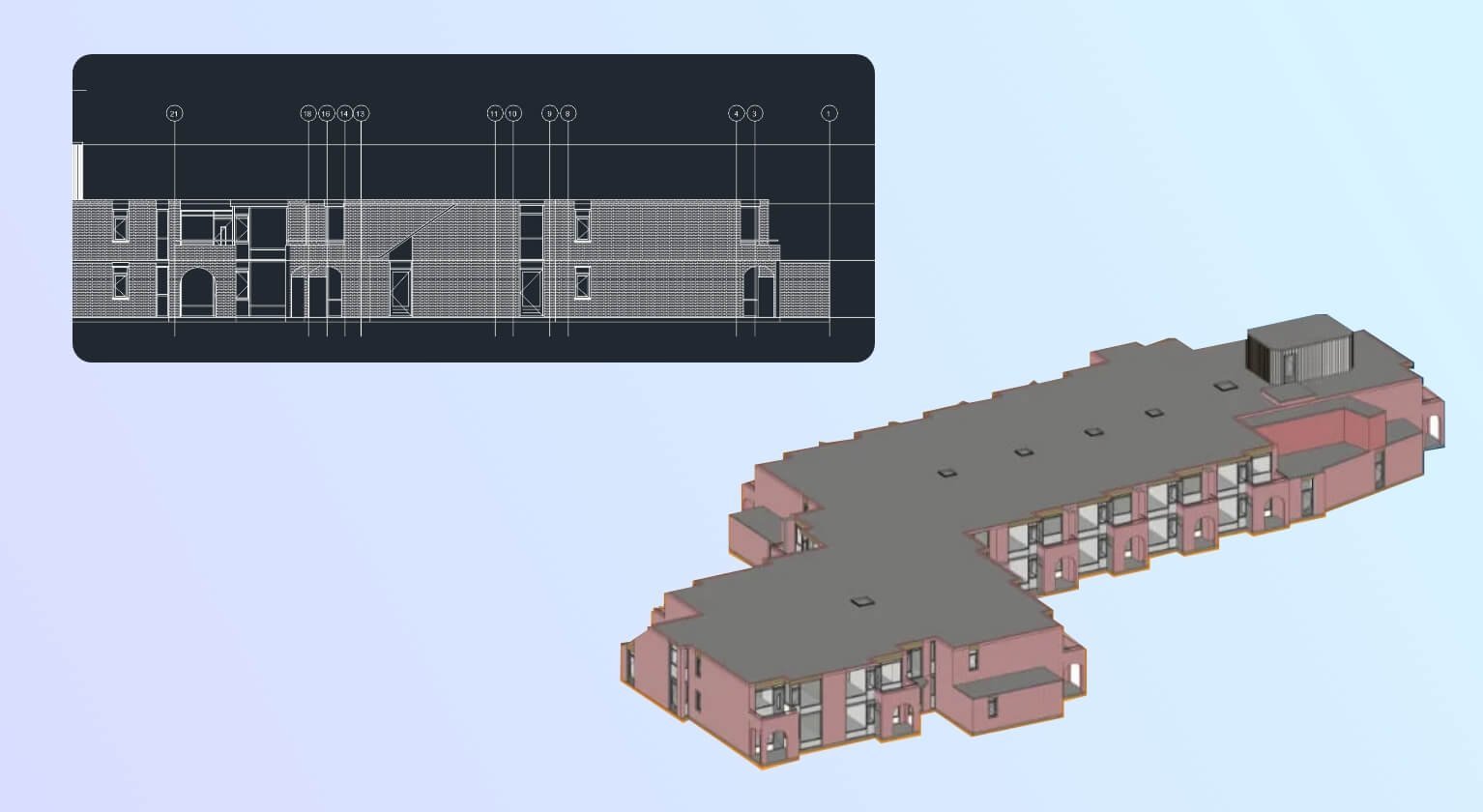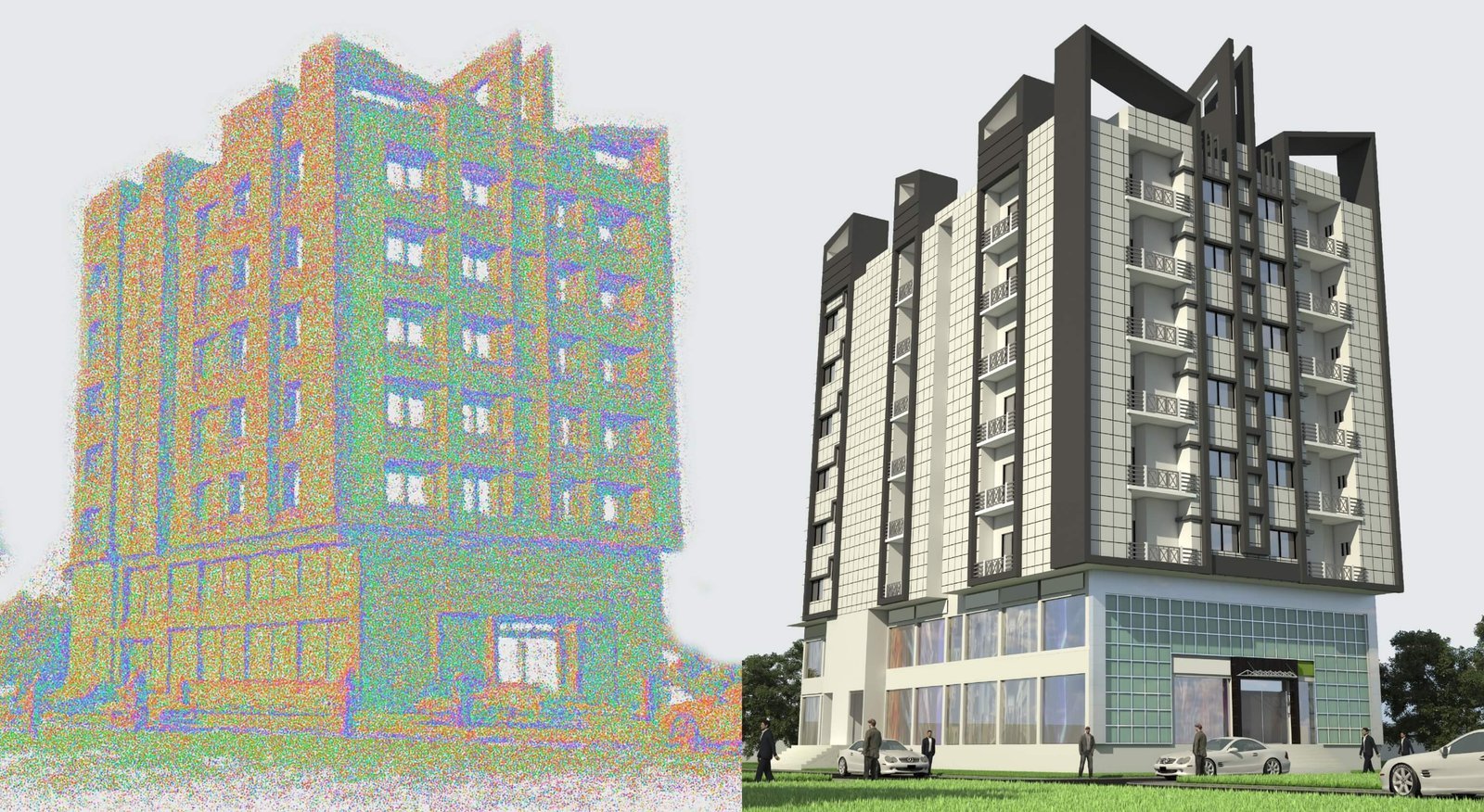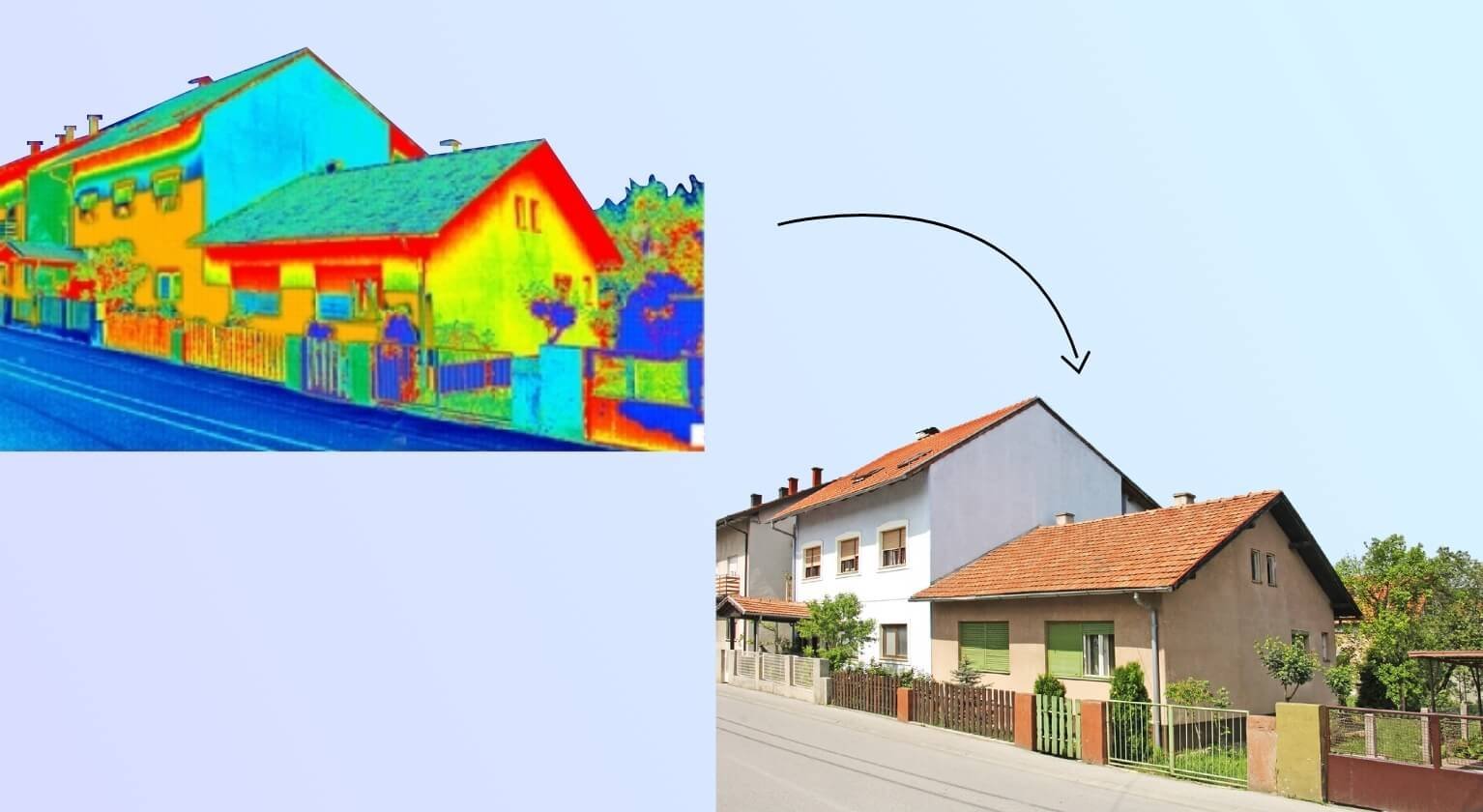
BIM Services - Uniquescadd - Page 2

Evolution of Structural Steel Detailing: From 2D CAD to 3D BIM

The era of architecture and construction has seen a massive wave of revolution in terms of approach, services, and technology. With constant development in technology and innovation, AEC has experienced various methodologies that serve a more enhanced and accurate process. Due to the complexity and lengthiness of any infrastructure project, the construction sector entails multiple stages as well as aspects. Although precision and efficiency remain the key to the project’s success. Technologies over time have improved accuracy as compared to traditional days. Today, the AEC landscape has moved towards digitalization, which offers multiple benefits, simplified processes, accurate outcomes, and a curve of creativity for modern architecture. With that, the architecture and construction industry is rapidly adopting new technologies to serve the intricate project design. This has resulted in immense demand for precision and efficiency in order to ensure the modern architecture entails the client’s requirement and functionality of the infrastructure.

As the field of architecture has various stages, BIM has become one of the paramount technologies for architects, engineers and other professionals. As compared to earlier days of construction, BIM services have become an essential tool for AEC professionals to ensure project accuracy, efficiency, and reliability. Moreover, this indispensable tool is utilized at every stage of the project as it offers a 3D digital representation of the structure that leads to better results and reduced errors. Before BIM, CAD brought a significant revolution, allowing professionals to shift from paper-based sketches or blueprints to computer screens with 2D views. With time and expansion, CAD to BIM transformation became a need of an hour for several reasons, including the limitation of CAD in complex projects, the rising state of technology, the introduction to modern architecture, and much more.

Since there are multiple stages in a construction project, the structural stage holds an immense significance. Structural BIM services play a crucial role in ensuringStructurally BIM services play a crucial role in ensuring the infrastructure can withhold the intended load. This helps professionals ensure the accuracy of structural components, withstand environmental or external conditions, solid framework, and more. An infrastructure goes beyond just interior and exterior. If the structure isn’t strong or unable to bear the intended load, the structural framework isn’t strong. As a matter of fact, the structural framework is the backbone of any construction project, ensuring the resilience of environmental factors. In this particular stage, structural steel detailing holds crucial importance. To get into details, let’s understand what steel detailing is and why there is a need to shift from CAD to BIM.

Precise Steel Structure Detailing with BIM Experts

bim services

Introduction to Structural BIM Steel Detailing

As discussed, the industry is rapidly changing with advancements in technology. CAD services brought revolution in the AEC realm; however, BIM quickly became a groundbreaking technology. There was a drastic shift from CAD to BIM services in the industry, enabling professionals to overcome the limitations of CAD and bring insightful outcomes with 3D digital representation. As a matter of fact, architectural designs on the modern horizon are becoming complex. Hence, the immense requirements for shift resulted in better outcomes. Moreover, this transformation has helped in structural detailing services, resulting in enhanced outcomes. Steel detailing ensures each beam, column, and joint fits precisely at the intended position, offering strength and ability to withstand the load along with external forces.

Typically, this process entails detailed 2D drawings and plans for fabrication purposes. The structural drawing encompasses each component’s accurate dimensions, materials, and joints. A detailed set of drawings helps fabricators and contractors to accurately fit the beams and columns. As a matter of fact, over the years, the evolution of steel detailing has allowed professionals to achieve precision, safety, and compliance in the structural BIM stage. From 2D CAD to 3D BIM models, fabricators and contractors can easily maintain a level of accuracy in modern structure design. Since CAD has its limitations, BIM technology allowed experts to enhance the accuracy along with construction documentation.

Traditionally speaking, steel detailers, fabricators, and other professionals used 2D drawings for planning and construction. Due to certain limitations of 2D CAD, BIM for steel structures emerged as a revolutionary modeling process, improving collaboration, communication and efficiency. Let’s explore in detail why transformation in CAD to BIM services served as a paramount of success in the steel detailing process.

Revolutionary Shift from 2D CAD to 3D BIM

Before BIM modeling services were introduced, CAD was a significant technology for architects, engineers, and other professionals. Through an intricate process, 2D models had their own limitations that were becoming an obstacle in quality and precision for steel detailers and fabricators. The 2D CAD drawings entailed floor plans, cross sectors, and another set of details; however, they lacked the ability to represent the 3D view of the components and other insights into the structure. While CAD service provider ensured to offer a digital approach to overcome the manual drafting process, 3D BIM services brought a more enhanced and realistic view of components and elements of structural steel. CAD drawings offered accuracy but lacked information and enhanced precision for complex architectural projects. Moreover, 2D CAD had a significant limitation that hindered the project accuracy, following are;

  • Limited collaboration
  • Lack of visualization
  • Erroneous outcomes
  • Lack of detailing or information
  • Higher chance of rework & delays

Therefore, as technology advanced and BIM quickly became a groundbreaking approach, steel detailers, and fabricators were able to offer more accurate detailing, a lesser scope of errors, and a collaborative nature among different AEC professionals. In fact, BIM workflow for structural engineers, fabricators, and detailers improved the process, ensured compliance with building codes and industry standards, and offered high quality. Here’s how BIM has revolutionized the steel detailing process.

BIM Revolution in Steel Detailing Services

Building information modeling represents a paradigm shift in structural steel detailing. Unlike 2D CAD drawings, BIM technology goes beyond just creating drawings for professionals; it also provides a detailed 3D digital representation of a facility’s physical and functional characteristics enriched with data. As a matter of fact, CAD 2D shop drawings lacked the ability to showcase the components in 3D view, which impacted the level of precision in the detailing process. Additionally, the groundbreaking technology identifies potential clashes or flaws, ensuring each component and element fits together perfectly. BIM for steel structures brings consistency in production of shop drawings while a team of professionals streamline the intricate process. Following are some of the major benefits of BIM in the steel detailing process.

Benefits of BIM in the Steel Detailing Process

Parametric Modeling
Fabrication and Erection Data
Visualization and Simulation
Clash Detection
Improved Collaboration
Life Cycle Management
Quantity Takeoff and Cost Estimation
  • Parametric Modeling: BIM technology uses parametric modeling, which allows professionals to modify one element while other sets of the same components are automatically updated. This helps reduce the time, cost, and effort involved in rework while ensuring that the structural model is precise and has a solid framework.
  • Clash Detection: Errors or clashes between different components are common; however, overcoming them is a must for the success of the project. BIM services foster quick clash detection in the process among structural components. This helps identify possible errors or conflicts between structural steel elements and other building systems, such as MEP disciplines and architectural components, resulting in minimized rework and smoother construction. Early detection of errors allows professionals to quickly bring resolution without compromising the structural framework integrity.
  • Fabrication and Erection Data: Steel detailers, fabricators, and other professionals require detailed insights into components and materials. With the help of 3D BIM services, professionals can have hands-on, precise, and detailed fabrication and erection information, including material properties, dimensions, and connection details. This information is also utilized further for construction documentation at a later stage.
  • Improved Collaboration: CAD technology improved communication and collaboration, although to a certain limit. With BIM, AEC experts can enable improved collaboration and communication to stay on the same page. This facilitates information sharing that results in reduced communication, enhances project workflow, and improves the accuracy of the overall structural BIM process.
  • Visualization and Simulation: Within the 2D CAD drawing, the major limitation was the visualization. AEC professionals were limited in viewing the components or elements in a 2D format that lacked high precision and information. On the other hand, 3D modeling in structural engineering enables steel detailers, engineers, and fabricators to visualize the steel structure realistically, aiding in design review and communication. It also supports the simulation of construction sequences, enabling better planning, risk mitigation, and overall precision in the construction project.
  • Quantity Takeoff and Cost Estimation: Resource and material allocation is a significant aspect of accurate structural detailing. The level of detailing to 400 BIM model enables professionals to stay updated for accurate quantity takeoffs and cost estimation, which drives better project budgeting, less material wastage, and crucial time in resource management planning.
  • Life Cycle Management: BIM work doesn’t end here once the construction is completed. Since 3D BIM models are enriched with precise data on the structure and its elements, they offer accurate facility management, allowing professionals to have updated structural information for future renovations or repairs. In fact, with the CAD work approach, experts lacked accurate documentation for future reference.

These are some of the benefits of CAD to BIM transformation, which fosters improved communication, collaboration, accuracy, and efficiency in steel detailing services. As discussed, structural BIM services are the backbone of any infrastructure. Implementing precise steel detailing is essential for success. Therefore, specialized software and technologies are required to produce accurate results. Let’s explore some of the most efficient technologies that support structural steel detailing services.

Reliable Softwares for Steel Detailing

In the field of architecture and construction, technologies and software have enabled professionals to work accurately and meticulously, offering precise results. Furthermore, AEC is enriched with a plethora of softwares for different services. However it requires specialized skills and software proficiency for seamless digital workflow. Hence it is vital to hire BIM consulting companies who are proficient in offering BIM steel detailing services.

Team of professionals understand the intricacy of the project and ensure to offer the most high quality and accurate outcomes. As a matter of fact, outsourcing BIM companies have access to the latest technology, tools and software that becomes an added benefit. Therefore, here’s a most precise and updated list of softwares that are available for BIM steel detailing.

Softwares for BIM Steel Detailing

Tekla structures
SDS/2
ProSteel
Advance Steel
AutoCAD structural detailing
  • Tekla structures: It is one of the most well known software for automated steel detailing solutions. Due to its powerful 3D modeling and efficiency in managing complex structural design, professionals in AEC widely use it. Moreover it is also compatible with other softwares, ensuring the accuracy and efficiency in structural components such as beams and columns fit perfectly in the design.
  • AutoCAD structural detailing: Another significant software is AutoCAD structural detailing which is specially designed for steel detailing. The softwares features easy use, generated data rich detailed drawings and offers a high level of precision for structural engineers and contractors.
  • SDS/2: SDS/2 software brings comprehensive features and tools to ensure the precision in steel detailing that also includes fabrication and 3D modeling. It is another technology that is widely adopted by structural engineers and detailers for quality, accuracy and efficiency.
  • ProSteel: This software brings a holistic approach and ensures to streamline the entire project with flexibility and scalability. Additionally it manages large complex structural designs efficiently and offers innovative results for fabrication.
  • Advance Steel: Advance steel provides tools for intricate steel detailing and fabrication. However this particular software demands for familiarity with the features and tools to bring out the best results. It also offers compatibility with other softwares enriched with information.

These are some of the key softwares offering BIM for steel structures enabling AEC experts to bring precise results. Moreover utilizing these above mentioned requires significant skills and knowledge while having expertise in the detailing process. It is advisable to outsource steel detailing services by renowned BIM consulting companies, offering tailored and accurate solutions.

In the ever growing landscape of AEC, outsourcing is a common and profitable investment. UniquesCADD is a well known outsourcing BIM company in India offering extensive BIM and CAD services. Our experts provide advanced solutions for structural steel services with implementation of the latest cutting edge technologies and softwares.

Ending Note

Success of any construction project depends on how solid the structural framework is. This includes efficiency in steel detailing, ensuring each structural component fits perfectly. Hence CAD to BIM services plays a pivotal role in offering most precise outcomes for simple and complex structures.

Future Structural BIM Services Trends to Watch

The transformational phase of the AEC industry seems to stop nowhere. The growth and continuous advancement in technology are among the primary reasons for the AEC’s dynamic face. In the modern era, architecture, engineering, and construction staying ahead of the market curve has become pivotal to delivering the best outcomes. In earlier days compared to traditional methods, AEC has evolved with time and innovation, enabling architects, engineers, and contractors to enhance their architecture practices and bring accurate results. Even today, precision, quality, and efficiency are the pillars of any project success, using the latest technology, tools, and approaches.

As a matter of fact, the construction and architecture process entails multiple stages which significantly demands accuracy and efficiency while solving the complex challenges within the project. It is one of the most hectic and time-consuming processes that demands precise skills, knowledge, and technology. Comparing traditional practices to modern architecture, the complex process has been simplified with advancements in technology and innovation. Today, the AEC industry is ruling on BIM technology, which has not changed the face of the sector but has commenced with other services that alter how architects, designers, and engineers work, execute, and design the process. Any construction project is segmented into different phases and stages, allowing professionals to keep track of and complete the construction as per the process. Since building information modeling is one of the groundbreaking innovations in the landscape of AEC, it is also integrated into the structural stage of any construction process. BIM innovation in structural engineering phase has resulted in seamless and timely completion of projects while ensuring the accuracy of internal structure.

In the advancing modern horizon, BIM has become synonymous with architecture today. Given the benefits, ease, streamlined communication, and better visualization, it alters the traditional practices of construction. As BIM is strategically implemented in different stages of construction, one of the most crucial aspects is structural engineering, which defines the bearing load and strength of the infrastructure. From modern structures to long bridges, the science behind this architecture is the accurate and efficient structural engineering that defines the bearing load. Integrated with building information modeling technology, the structural stage has become more manageable, advanced, and accurate. Structural BIM services in architecture and construction projects ensure the infrastructure’s safety, sustainability, and resilience to environmental factors. Being an indispensable tool in the realm, structural BIM brings multiple benefits. A solid structure framework is evident to ensure safe living and reliance on any environmental factor, such as natural calamity. However, the continuous advancement and innovation in technology have led to an increase in the efficiency of structural BIM. To stay ahead of the curve and bring more advanced results it is evident to look out for structural BIM trends 2025. The following is the future of structural BIM, which will change the face of the realm.

Partner with UniquesCADD Experts to Bring Efficient Outcomes

bim services

Being an indispensable tool in the architecture and construction industry, BIM has opened many doors to opportunities and created a curve of creativity for architects, engineers, and other professionals. Revolutionizing the way infrastructure is designed, BIM is a mandated technology that is implied at every stage of construction due to several factors. With significant transformation in the AEC sector, the future of BIM in construction and other services will not only deliver exceptional results but will offer a new approach to executing the construction project.

In the structural engineering realm advancement enables professionals to deliver better. BIM integration is critical, affecting the entire approach and bringing accurate results. As a matter of fact, it is astonishing how BIM is shaping the future of structural engineering and enhancing the process. However, the growth in technology and innovation alters the process and brings new trends that help bring more advanced and efficient results. Since adopting trends in different areas of the AEC realm changes how professionals design and execute the project, it is evident that the trends should be amended. As point cloud to BIM technology trends changed the approach, trends in structural BIM will alter the process for more accurate results. Let’s look into some of the emerging structural BIM trends 2025.

Emerging Structural BIM Trends Shaping 2025

Integration of Generative Design
IoT and Sensor Integration
AR and VR Integration
Sustainable and Green Building
Advanced Simulation and Analysis
Collaborative and Cloud-Based Platforms
Modular Construction
AI Automation
Blockchain Project Management & Documentation
  • Integration of Generative Design: One of the biggest trends in 2025 in structural BIM is using generative design processes, algorithms, and AI to explore other design options based on the project requirements and guidelines. For structural BIM processes, generative design helps create a more optimized design, which reduces material wastage and increases the strength of the infrastructure. Moreover, the 3D BIM services platform will enable designers and engineers to explore innovative structural solutions, especially for complex projects.
  • Advanced Simulation and Analysis: The future of structural BIM is advanced, accurate, and efficient, integrating advanced simulation and analysis approaches. Real-time updates and accurate structural analysis reports in a BIM collaborative environment will not only help examine performance under different environments but will also bring more accurate reports to understand structural conditions. It is necessary to get real-time updates and analysis reports to make informed decisions, safer structural design, reduce the scope of errors, and enhance safety for on-site construction work.
  • IoT and Sensor Integration: Another significant trend in 2025 of BIM innovation in structural engineering is IoT and sensor use. It is implied to revolutionize how infrastructures are managed and constructed. The integration of sensors and IoT offers real-time data on structural behavior, patterns, and current environmental conditions, which is collected and integrated into the BIM environment for building maintenance, enhanced performance, safety measures, and much more. Implementing IoT solutions and sensors in structural BIM will allow AEC professionals to build an accurate and safe structural framework for the infrastructure, considering the current environmental conditions.
  • Collaborative and Cloud-Based Platforms: Cloud-based platforms or environment and collaborative approaches aren’t new but have become highly vital in the AEC landscape. Since effective collaboration and communication are key to the project’s success, it is evident that the collaborative nature should be enhanced, especially in the structural phase of the project. Future trends in the structural BIM stage also involve cloud-based BIM solutions to enable seamless and effective collaboration, communication, information sharing, and more in real-time. As a matter of fact, enhanced collaboration and seamless information sharing allow stakeholders to work on the same model with recent updates, reducing errors and enhancing project efficiency.
  • AR and VR Integration: Another significant trend for the future of BIM in construction. AR and VR technologies are buzzing concepts in the technology field. Integration of augmented reality and virtual reality in AEC realms alters how clients and stakeholders interact with 3D BIM models and visualize the entire structure with the reflection of the real environment. AR and VR technologies help take visualization to the next level and manipulate clients’ decision-making. The experience of a real-life object environment in a 3D model also helps to streamline the design process with seamless communication among other AEC professionals.
  • Modular Construction: In today’s advanced architecture horizon, modern construction is an evident approach. With the application of ML (machine learning) algorithms, structural designs become optimized based on historical data and bring acute performance results. Modular construction allows AEC professionals to analyze massive datasets through ML, identifying patterns and bringing alternative design solutions. Moreover, criteria such as project budget, structural integrity, and framework are also efficiently analyzed to enhance the design process and streamline the BIM workflow for efficient results.
  • Sustainable and Green Building: Considering the current environmental and climatic issues, the AEC landscape is constantly looking for ways to enhance the sustainability and green building design process. It has rapidly become common for architects and engineers to integrate sustainability in BIM for infrastructure development and promote green building designs. The future of BIM in structural engineering incorporates tools that bring energy analysis solutions, life cycle assessment, and environmental evaluation impact. This ensures the fostering of design structures with minimal resource usage and carbon footprint to meet green building and sustainability standards.
  • AI Automation: The role of AI and automation in structural BIM is increasing due to the demand for enhanced accuracy and quick project completion. AI in structural BIM plays a key role in automating tasks such as clash detection, quantity takeoff, construction stage scheduling, etc. In fact, integrating AI automation allows structural engineers to streamline the 3D BIM workflow while enhancing the structural framework’s resilience and strength. This allows engineers to perform advanced design tasks with informed decision-making approaches.
  • Blockchain Project Management & Documentation: One prominent and growing technology in the architecture and construction industry is blockchain technology. It helps to bring transparent and novel ways to manage projects from simple to complex, along with precisely curated construction documentation. Blockchain methods are utilized to ensure data security, accountability of information, integrity, easy sharing and traceability through the project lifecycle. Moreover, blockchain implementation in structural BIM workflow helps to foster stakeholders’ trust, enhance accuracy, efficiency, and automate the documentation process as per project completion.

These are some of the structural BIM trends in 2025 that have bright and more impactful results. These trends will reshape the structural BIM process and transform how engineers design and construct infrastructure, from producing generative designs to using blockchain technology for construction documentation. Adopting the innovation mentioned above will enhance project outcomes and streamline the project scope with today’s sustainability requirement and scope of improvement in the collaborative process. Moreover, these trends in structural BIM will result in more enhanced outcomes while ensuring upscale accuracy and efficiency in projects. As these trends continue to evolve in the market with innovation, it is evident in the process by BIM experts for desired goals. BIM outsourcing services provider is a viable option for properly applying these trends. Let’s understand briefly why outsourcing BIM service providers can be a reliable solution.

Outsourcing BIM Innovations in Structural Engineering

The AEC landscape is transforming quickly with rapid innovations, new approaches and groundbreaking technology. This constantly helps in advancing the industry that aims to foster any construction project with improved accuracy, efficiency, safety, and reliability. Traditional construction practices do not support modern architecture or complex projects as they demand high-end software use, technical expertise, and a new approach to completing the project. Hence, outsourcing services have become a more comprehensive option. UniquesCADD is a reliable BIM company with extensive years of experience.

A team of professionals offers extensive and reliable BIM consulting services by experts for construction projects. As a matter of fact, our experts bring accurate structural BIM solutions with the integration of the latest trends and technology to bring the best outcomes. Outsourcing such services allows architecture and construction firms to focus on other aspects and enhance productivity. With a plethora of benefits, outsourcing structural BIM services is a novel way to enhance the construction project for the following reasons;

  • Reduce the scope of errors
  • BIM expertise
  • Latest technology
  • Tailored solutions
  • Timely project delivery
  • Streamlined construction process
  • Optimized design

In a Nutshell

Structural BIM services are one of the significant processes in any construction project. Adopting the latest trends and innovations enhances and achieves the desired outcomes as per the market demands with accuracy and reliability in construction.

Significance of BIM in Construction Project Management

The Architectural landscape has witnessed a long journey of development and innovation in various aspects. In the ever-growing architecture and construction industry landscape, emerging technologies have become paramount to success in each project. The constant evolution has resulted in modern architecture that demands more creativity, a streamlined work approach, unparalleled accuracy, and efficient end results to make the project successful. Since emerging technology and continuous innovation have led many businesses to enhance their working methodologies, the AEC industry has also leveraged the power of today’s tech, which has resulted in the sector’s growth and successful results in almost all projects. It is well-known that the architecture and construction industry is complex, time-consuming, demanding for accuracy and efficiency, and a creative field.

However, completing a project while considering all aspects becomes a challenge for AEC professionals, especially in the earlier times of construction when technology didn’t prevail in the industry. As time went by, the wave of technology hit all sectors, including AEC, and brought revolutionary changes in methodologies, work approaches, processes, equipment, skills, and more. This is when the inception of building information modeling came into existence and altered the entire working cycle of the construction and architecture realm.

With groundbreaking technology, the AEC sector utilized a new curve of creativity and improved architecture in modern ways. As we all see the buildings and infrastructure today, the marvelous and modernized structures amalgamate science and art that dwell together collaboratively. BIM services make it easier for architects, engineers, and other professionals to work collaboratively on projects to achieve desired goals.

Enhance Construction Projects with BIM Construction Management

bim services

The introduction of BIM technology is one of the revolutionary technologies witnessed by the AEC industry. With BIM, construction working techniques and methodologies have altered for better, more accurate, and more effective outcomes. In today’s time, BIM has become a mandate in a few countries as it offers multiple benefits, ensuring streamlined construction work, collaborative nature, cost-effectiveness, accuracy, less wastage of material, and more. Apart from these benefits, BIM construction management is one of the top advantages for architects, engineers, and other collaborators in managing the entire project on a centralized platform.

Since building any infrastructure consists of multiple stages that demand accuracy, BIM services help ensure the desired project outcomes with an enhanced decision-making process. For better clarity, let’s explore BIM project management in detail and how it helps in the success of very simple to complex projects.

Brief Detail of BIM Construction Management

Thanks to building information modeling (BIM), the architecture and construction realm has witnessed some profitable changes that have resulted in positive outcomes for AEC professionals. Soon after introduction to revolutionary technology, BIM has offered various benefits, ensuring the desired project is streamlined according to the requirements and under budget. More than that, BIM construction management is one of the most important advantages for architects and engineers, as it helps them keep track of the project throughout the different stages of construction.

Traditionally, the construction management in any project was overpowered by miscommunication, lack of data, inefficient workflow, complex and tighter timelines, and more, which has always led to misjudged or miscalculated insights into the construction project. However, BIM has provided a centralized platform that streamlines collaboration and efficient communication and offers enhanced project insights into the construction process. As a matter of fact, BIM is extensively used in complex projects that serve as a digital tool for planning, designing, constructing, BIM level of detail, enhanced communication, and more.

The 3D model enables insightful data, which may include geometry, material quantities, quantity take-off, dimensions, project stage schedules, and more. BIM project management also helps architects, engineers, and contractors work efficiently, enhance collaboration, and optimize project outputs. The following are some of the reasons why BIM has become a go-to tool in today’s construction realm.

Key Advantages of BIM AEC Realm

Enhanced efficiency
Analyze structure ecosystem
Reduce errors/ reworks
Facility management
Enhanced visualization
Improved cost analysis
Informed decision-making process
Better communication and collaboration

For multiple reasons, BIM allows different teams and professionals to work together, avoids delays or rework, and helps streamline the process at every stage. Since every phase of construction is different, the BIM level of detail offers accurate information for professionals to understand the project’s completion. Hence, BIM project management brings many benefits; let’s explore them in detail.

How BIM Project Management Enhances Construction Process

As already discussed, the various advantages of BIM technology and how it impacts the entire construction process. Moreover, this technology continues to evolve and influence the AEC realm to give a creative curve for architects and engineers. It also ensures that the architecture process helps AEC professionals complete projects according to requirements. BIM is a significant digital tool, especially for construction managers as it helps to visualize the project to identify potential problems, and track the progress of construction. In this process, the BIM level of details plays a crucial role in helping AEC professionals understand progress and precisely track project completion.

Using BIM also enables construction managers to share project information or data with other professionals to remain on the same page, enhancing communication and collaboration. Typically, BIM construction management allows improved and streamlined processes within all construction phases and efficient ways to track and manage the progress. This also helps to ensure that the project or the construction stage is under budget constraints while keeping the material in the desired quantity. As continuous growth in technology is reshaping the AEC landscape, the future of BIM project management is progressive and uncertain for many reasons. Since the 3D digital model offers to enhance accuracy and efficiency, on the other hand, it is yet to be fully developed in the BIM capabilities and how the AEC sector will widely adopt it.

Since building information modeling has become a revolutionary digital tool, it is advisable to choose top BIM companies in India that can efficiently cater to the process while the construction company can focus on the other multiple tasks that demand attention and focus. Uniquescadd is one of the top BIM consulting services providers for a variety of clients settled internationally. The team of experts ensures the project is approached within the streamlined and required guidelines while maintaining the budget constraints.

Last Remarks

As the architecture and construction industry is open to evolving more according to emerging innovation, BIM will continue to play a crucial role in construction management for AEC professionals to attain its benefits. Adopting BIM project management in modern architecture will deliver enhanced, accurate, and efficient project outcomes while ensuring the least material wastage and maintaining budget lines.

Significance of BIM Services in Smart Cities Development

Building information modeling has altered the reality of the architecture and construction industry as well as changed the future of cities around the globe. In the ever-growing landscape, BIM services are evolving digital processes that aim to contribute significantly to facing the new challenges of urbanization. In the modern era, BIM is one of the groundbreaking technologies, as it not only eases the complex construction process but also associates with the idea of smart cities around the globe. BIM has a long list of benefits, including bringing a collaborative approach to AEC professionals in any project. However, the rapid challenges of urbanization have one solution: the development of smart cities.

In fact, the emergence of smart cities is a comprehensive solution that addresses many challenges of urban living by leveraging the latest technologies and innovations to enhance efficiency, sustainability, and overall quality of life. Urban planning is a technical and socio-political process that aims to deliver better living integrated with technology.

Efficiently Plan Smart City with 3D BIM Services

bim services

Since the beginning of urbanization, many cities have been using limited natural resources integrated with modern technologies. As a matter of fact, the idea of a smart city was initially popularized in 2010 to improve urban conditions with the use of ICT- information and communication technology. The sheer need for smart cities became evident from the threats of climate change and rising concerns about environmental changes. The concept of an intelligent city stems from offering adequate solutions to challenges posed in urban living, such as

  • Overgrowth of the urban population
  • Inadequate services and infrastructure
  • Poor protection and safety of citizens
  • Environmental Threats
  • Economical Instability

Smart city development is the pinnacle of urban planning and development. A comprehensive solution to improve standards overcomes the challenges posed. Although the design of smart cities is always complex, BIM plays a significant role in smart city development. The need for smart cities is rapidly increasing, so the use of advanced technologies becomes an evident process. The use of BIM services significantly eliminates the complexity of delivering efficient outcomes. Let’s explore how BIM project management plays a significant role in smart city development.

Understanding BIM for Smart City Development

Adopting technologies has become one of the pivotal solutions for thriving in the growing economy. Considering the constant emergence of technology and innovations, sectors must align with standards. Similarly, in the AEC sector, BIM services have become necessary to efficiently and accurately complete construction projects. With the help of BIM project management, AEC professionals have enhanced the overall process and quality of the project while minimizing the risk factors in the complex process.

In fact, integrating IoT in construction processes is transforming how infrastructures are constructed, designed, and engineered and how cities are shaped. Since BIM services are a holistic approach and create data-rich intelligent models, building information modeling is used as a prominent analysis tool to create digital models consisting of streets, buildings, water supply, parks, and other infrastructures.

Apart from that, the role of BIM project management in smart cities is multifaceted, from planning to management of urban cities. As innovative city development plans require intricate planning, building information modeling can help to achieve greater efficiency, accuracy, and sustainability for future endeavors. Let’s explore some of the benefits of BIM for developing smart cities.

Benefits of BIM for Smart City Development

Enhancing Planning and Design
Promotes Sustainable Development
Better Construction Efficiency
Streamlines Project Management
Improved Communication and Collaboration
  • Enhancing Planning and Design:BIM project management enables strategic solutions with 3D detailed models and efficient planning for the entire project. This facilitates better visualization and helps professionals to make informed decisions.
  • Better Construction Efficiency: Constructing a smart city demands efficiency from the initial stages. BIM helps streamline the process, reducing errors, costs, and material wastage. It also facilitates faster project completion.
  • Promotes Sustainable Development: Sustainability is key to a smart city, and BIM services stimulate energy usage. Building information modeling is a game changer in the sector as it facilitates sustainable design options with precisions.
  • Streamlines Project Management: Smart city is a newer concept of the new world. The development of a smart city is a complex process for various reasons. It is categorized into various stages for accurate and efficient development. BIM project management brings effective tools that can maintain, plan, and analyze the different stages, ensuring each stage of the construction is precise. Development of smart cities by BIM technology also helps in energy management, providing precise data for professionals to be informed.
  • Improved Communication and Collaboration: As the planning of smart cities is developed with numerous professionals, keeping them on the same page becomes evident. 3D BIM modeling offers enhanced visualizations, real-time changes, and accurate data for experts to foster collaboration in different aspects of urban development.

These are some of the key benefits of BIM technology for building smart cities for better urban lifestyle. Adopting BIM services enhance planning, construction, and management while contributing to sustainable solutions through energy simulation and analysis methods. The robust technology also helps to optimize material utilization and reduce waste that results in saving the environment. Moreover, the use of BIM technology can primarily overcome some significant urban challenges with a holistic and strategic approach.

Since urban development is time-consuming and has various goals to achieve, it is better to outsource BIM technology. The comprehensive approach of outsourcing BIM can foster many designated benefits, as the team of professionals can work dedicatedly using cutting-edge technologies. UniquesCADD is one of the leading BIM company in India, helping various sectors achieve architecture and construction project success with prominent implementation of BIM technology and other services such as structural BIM services, architectural, and more. As compared to having an in-house team of BIM experts, it is beneficial in multiple ways to outsource BIM technology, such as;

  • Better Project Outcomes
  • Timely Project Delivery
  • Talented Team of Resources
  • Assured Quality and Accuracy
  • BIM Consultation

Final Words

BIM services are one of the technologies in the architecture and construction field that are booming quickly due to their long list of benefits. Considering that, BIM has become a cornerstone technology, especially in the development of smart cities, offering result-oriented outcomes in a seamless and coordinated way. Also, embracing BIM for smart city development can overcome construction challenges with a strategic approach and deliver a sustainable solution.

Key Difference Between BIM and Revit

Are BIM and Revit the same? Or BIM is a software?

If you are into the AEC industry, BIM and Revit are the common terms that indeed have crossed into the conversation. These two terms carry great significance in the architecture and construction industry. However, they have been the most confusing terms and have developed a few myths over the years. Professionals in the AEC industry may know a significant difference or can easily explain it as they constantly work with BIM and Revit. However, there is a need for clarity among other sector professionals who opt for BIM services for various projects. This blog explains BIM and Revit in detail while clearing out the myth fog between the two. Continue reading further.

The AEC industry has witnessed many transformative technologies that have shaped the industry and given a new curve for architects, engineers, and professionals to work in. Given the benefit of emerging innovations and technologies, the traditional work approach for construction projects is entirely altered with the adoption of building information modeling services, as the technology has offered various benefits to enhance accuracy, reliability, and efficiency in construction projects. Additionally, the lack of collaboration and communication is well covered by BIM services, making it easier for AEC professionals to work in coordination.

In fact, BIM caters to different projects, regardless of their type and size. Since the inception of BIM technology, it has been well-perceived. However, the need for more awareness has been a central confusion. Implementing the BIM process in projects requires independent solid software, which can make the BIM process easier. Here comes the introduction of Revit, which started a long debate about BIM and Revit. One of the major problems between the two terms is that they serve the same objective and result. However, thinking that BIM and Revit are the same is completely wrong. BIM and Revit are different, simple yet complex topics that must be deeply understood. Revit and BIM are often interchangeable in the industry nowadays; however, the impression of this has led to significant confusion. Let’s explore the core properties of architectural BIM services and Revit.

Enhance Next Construction Projects with Accurate BIM 3D Modeling

bim services

What is BIM?

In the realm of architecture and the construction industry, technologies have paved the sector and have drastically changed the working approach. As the technological revolution hit the industry, BIM services were introduced to simplify the complex construction process. To simply understand the revolution, BIM is a digital prototype of future construction and architecture that enhances collaboration and communication while streamlining the workflow for AEC professionals. Compared with the traditional work approach, architects and engineers used to draw or sketch the project briefs. However, times have changed as the complications and room for errors are eliminated- thanks to BIM technology.

Building information modeling is a model-based methodology process that curates data-rich and intelligent 3D models of the entire project. The 3D model of the building design is enriched with all the necessary information that helps AEC professionals understand the project in depth. Moreover, architectural BIM services ease the complex process, enhance collaboration, maintain effective communication, offer the minor details, and reduce errors, cost, and time. To clear the fog, BIM services are known for its methodology, benefits, and ease of carrying out the construction process at an early stage.

Additionally, BIM modeling services also cater to processes during and after the construction is completed. It is one of the most reliable and effective work approaches or methodologies for the facility management process. The entire 3D data-rich model includes information regarding material data, cost estimations, project schedules, clash detections, and more. With the implementation of BIM services in any construction project, AEC professionals can design, build, and operate the project faster, efficiently, and accurately, resulting in minimal reworks.

What is Revit?

As discussed about BIM services, the entire BIM process is operated effectively by software that enables professionals to take advantage of the software’s features and other tools to enhance the model. The software for BIM is Autodesk’s Revit. Yes! Revit is software for architectural BIM services that provides capabilities for architectural, mechanical, and electrical systems, which are the prime components of the BIM 3D model.

While curating a data-rich 3D model, Revit and other software are used by designers to create, design, and stimulate the project design with essential information. Revit is a software that offers a platform for architects and designers to create BIM models enriched with data. As a matter of fact, Revit, as a software technology, supports various disciplines that are necessary for BIM services. Furthermore, BIM in Revit software offers features like parametric modeling, family creation, model sharing, clash detections, scheduling, and more. All these are catered in Revit software, making it a significant tool for carrying out BIM workflows. In the tech-driven world, Revit software continues to evolve with new features and more, as it is considered one of the mediums where BIM is created or accessed. Revit offers a few benefits that make it the best BIM software.

  • Automation
  • Collaboration
  • Energy Analysis
  • Construction Documentation
  • Project Management
  • Software Interoperability

Major Difference – BIM and Revit

As discussed in detail regarding architectural BIM services and Revit, By their core objectives, it is understood that BIM is a methodology and Revit is a software for BIM services. BIM creates a digital model of the entire project, containing all the information and components. On the other hand, Revit is a BIM software by Autodesk that is used to create accurate 3D models and offers various features and tools. BIM and Revit cannot be separated or cannot be considered the same since the core properties of BIM and Revit are different. Moreover, the BIM and Revit difference lies in the AEC project’s core properties, function, use, and application. Furthermore, BIM services have a bright future due to the rise in technology. Similarly, Revit as a software constantly upgrades with the emergence of new technology.

In the End

Questions asked at the beginning of the article can be answered in a straightforward phrase: BIM and Revit are entirely different in the AEC industry. One cannot function without the other. BIM services are crucial in the modern architecture and construction industry, and to cater to the entire 3D model, Revit software supports and offers a variety of features that can be beneficial for the project model and enhance the accuracy of the design. Hence, the differences between BIM and Revit are crucial to understanding and clarifying the confusion between the two terms.

Future Horizons of Scan to BIM Technology

Innovations and technology enhancement are getting more advanced at a rapid pace. In the dynamic marketplace, staying ahead of the competition and adopting emerging trends and innovation is one aspect of thriving. Innovations emerge in every sector, giving a new perspective to the working approach. Similarly, innovations and technological advancements have eliminated traditional design, planning, and construction methods in the architecture and construction sector while giving architects and engineers a new learning and creativity curve.

It’s no fact that the construction sector is complex and time-consuming, where skills, accuracy, and efficiency are paramount to each project’s success. Besides, cutting-edge technology like BIM has become a robust tool in the modern architecture process to attain desirable outcomes. In the current era, where modernization is at its peak, architects and engineers continue to comprehend the changing dynamics of the market. As a matter of fact, in recent years, the AEC industry has witnessed various innovations that have resulted in a drastic shift in the working culture. One of the innovative waves came when building information modeling was introduced in the late 60s. However, it got popular in the late 70s. Today, BIM needs no introduction in the AEC realm as it has become necessary for every architecture firm for every project, regardless of its size and nature.

The revolution of BIM services in the AEC industry, which simplified many different complex aspects of construction, gradually advanced with rapid technological growth. One process-altering innovation in the AEC sector came into the spotlight was scan-to-BIM services. This technology holds immense potential to give architecture and construction a new horizon. Today, scan-to-BIM is not a buzzword but has become increasingly popular in the industry due to its many benefits, typically for renovation, refurbishment, restoration, or reconstruction.

Consistently Enhance Construction Projects with Scan to BIM

bim services

The industry is familiar with the importance of scans to BIM technology and its imperative uses. The emergence of groundbreaking technology has transformed the renovation process for architects and engineers. In fact, the incorporation of scanned files into the BIM workflow has given marvelous end results without consuming much time and at a cost-effective approach. Although the sheer popularity of scans in BIM services is excellent, let’s briefly discuss them.

Scan to BIM Services- An Overview

Scan-to-BIM services have merged as a transformative technology for professionals and surveyors in the AEC sector. Most surveyors in the AEC industry outsource scans to BIM services, but certain aspects must be considered.

In the modern era, where the AEC industry is continuously evolving, scan to BIM, also known as point cloud to BIM, is a collection of data points that are equipped through laser scanners. Laser scanners scan the entire space, fetching accurate and relevant information about the pre-existing structure. Further, these points (data) are integrated into the BIM workflow, resulting in accurate 3D digital representation of the structure with relevant information such as materials used, dimensions, problems, or inaccuracies.

Therefore, the developed model provides accurate, detailed, and efficient measurements of the structure. In short, it is a process that allows us to examine the location and understand the lacking areas. Apart from that, scan-to-BIM services offer a variety of benefits, such as:

  • Accuracy in projects
  • Adaptability
  • Enhanced workflow
  • Cost Efficiency
  • Streamlined Decision Making
  • Improved Efficiency
  • Preservation and Renovation
  • Facility and Asset Management

The list of perks can go long. However, with growing technology, scan to BIM services’ future looks promising, with emerging service trends. Let’s look at some upcoming trends in 2024 for point cloud to BIM services.

With ever-growing technology drastically shifting in the AEC industries, scan-to-BIM services are also getting advanced with the maturing of technology. Since the rise of many software and tools, the renovation or reconstruction process is becoming more efficient and accurate, aligning with the latest trends. Moreover, the future of transformative technology looks promising.

As a matter of fact, trends or innovation can seamlessly transform the method and enhance the working approach for architects, designers, engineers, surveyors, and other collaborators. Check out the emerging trends for the future of scan to BIM that hold more exciting possibilities in the construction industry.

Emerging Trends for the Future of Scan to BIM

Use of AI (Artificial Intelligence)
Real-Time Scanning & Monitoring
Better Visualization with VR (Virtual Reality)
  • Use of AI (Artificial Intelligence):- AI has become rapidly popular in the growing technological world. AI algorithms incorporated in the working approach can enhance the analysis process by automatically extracting features and relevant information from point cloud data and generating BIM elements. This can make the process faster and streamlined.
  • Real-Time Scanning & Monitoring:- It is one of the significant trends that can reshape the concept of scan to BIM. Future upgrades in laser scanning techniques will allow real-time data collection to integrate into 3D models. This enables continuous construction monitoring, reducing the scope of errors and validating the building’s performance more.
  • Better Visualization with VR (Virtual Reality):- Virtual reality amalgamated with a scan-to-BIM model can provide high-quality experiences to stakeholders and clients with better clarity, understanding, and visualization of the project, resulting in enhanced collaboration and communication.

The future of scan to BIM is bright with the trends mentioned above. The prospect of the same can give a new approach and edge in the AEC industry, enhancing project quality in a less time-consuming process and achieving better results while staying within the budget line. Moreover, these trends can also affect the working culture of AEC professionals, enabling them to design, plan, and construct the project with utmost accuracy. UniquesCADD has completed extensive scan-to-BIM projects using the latest software, achieving the desired end goal. Recently, a project from the Netherlands that required renovation from a point cloud for a historic preschool was delivered efficiently.

Wrapping Up

Scan to BIM stands at the forefront of innovations in the AEC sector. As the architecture and construction industry continues to embrace new advancements and adopt new trends, the future landscape looks better and more enhanced than today’s outlook. Scan to BIM integrated with the above trends can offer a more seamless and collaborative approach to reconstructing commercial or residential property.

Efficiency in Construction with Point Cloud to BIM Workflow

In the fast-paced world where technologies and innovation take the higher note, a lot of industries are gradually accepting the constant changes. Out of several different industries, the AEC industry has witnessed numerous changes that have reshaped the working approach for architects, engineers, and collaborators. With different alterations in the architecture and construction industry, accuracy, efficiency, and cost-effectiveness have always been paramount for every project. As a matter of fact, with growing advancements, building information modeling has become a revolutionary technology that has completely modified construction working methods. With BIM in the picture, many things and aspects of the construction process are simplified while enhancing the project’s accuracy level. However, BIM is not the only revolutionary concept that has contributed to the growth of the sector.

Point cloud to BIM stands as a testament in the AEC sector for precision, innovation, and more efficient reconstruction projects. In the architecture industry, BIM quickly became a vital technology. Along with that point, cloud-to-BIM technology also became integral to the BIM process. Usually, it is precedent in the pre-existing structures, which require a significant reconstruction or remodeling process. As a matter of fact, laser scanning technology enabled professionals to scan and capture detailed point cloud data of the structure, which is further used in the incorporation of 3D models. Since the inception of this innovation, it quickly became a vital process for reconstruction projects.

Seamlessly Integrate Point Cloud to BIM Workflow with Us

bim services

Any reconstruction or remodeling process requires meticulous attention to each detail and ensuring that significant issues in the building are corrected, such as drainage system, electrical issues, or anything else of that matter. However, with BIM in the picture and Scan to BIM technology, the approach has been transformed while eliminating the need for time-consuming measurements. It is evident to have seamless integration with BIM software which allows architects, engineers, and other professionals to curate remodeling projects. Nonetheless, point cloud to BIM bridges the gap between reality and virtual design, allowing AEC professionals to visualize and deeply analyze every building corner. Hence, this proves that the point cloud enhances construction projects with accuracy. Discuss this in detail and understand how point cloud to BIM workflows has been a cornerstone service for the AEC industry.

What is Point Cloud to BIM?

AEC is a vast and complex industry as it covers numerous technologies, a variety of architecture processes, and other factors that make this a tremendous job. In the modern and fast-paced world, the architecture industry has eliminated the use of traditional work approaches and advanced with rapidly growing innovation that not only reshapes the sector but also provides a proficient workflow for enhancing the existing structures. As a matter of fact, point cloud to BIM is also widely known as scan to BIM, which is a process of scanning and capturing point cloud data of the structure through laser scanners and converting it into a 3D BIM model.

Breaking down the point cloud into simpler forms is a procedure of capturing the existing building via a laser scanning device that offers scanned data known as “point.” Moreover, the amalgamation of these scanned points formulates together into point clouds. Further to this point, cloud data is integrated into a 3D BIM model, which curates a built model of the scanned building. Typically, these point clouds capture information like dimensions, shapes, or spatial relationships of the scanned objects.

These points serve as a foundation for point cloud to BIM workflows, which professionals leverage to curate 3D models with precision. However, the point cloud can be challenging because of its data size and sheer complexity, which requires keen attention to each aspect. Integration with BIM ensures design efficiency, accuracy, detection of any errors or clashes, and proper project planning while minimizing the scope of rework in the projects.

Apart from such perks, point cloud to BIM enhances the project’s visualization, collaboration between AEC professionals, and accurate insights for imperative decision-making. However, it is an integral process that leads to swift and cost-efficient projects without overuse of materials. Since point cloud to BIM is a process with sheer complexity, it also requires integration into accurate software tools. Understand the key technologies or software that are usually used for the scan-to-BIM workflows.

Key Technologies for Accurate Implementation of Point Cloud to BIM

A successful reconstruction project demands accuracy, efficiency, and improved collaboration between architects, engineers, and other professionals. Professionals in the industry rely on software tools for accurate point cloud to BIM workflow for managing and processing massive amounts of point cloud datasets. For such a process to be comprehended, powerful software and technology are required for result-oriented outcomes. As rapid technology grows, the AEC sector has numerous software programs to comprehend the tedious architecture and construction processes. Architects and engineers usually use the following software to carry forward the reconstruction approach.

Key Technologies for Implementation of Point Cloud to BIM

Autodesk Revit
Autodesk Infraworks
FARO Scene
Autodesk Navisworks
Trimble RealWorks

These powerful and well-known software provide essential and advanced tools for point cloud modeling. In fact, this software allows professionals to fetch valuable insights from the scanned point cloud data and further convert it into precise 3D models. These cutting-edge technologies and software complement the entire point cloud to BIM workflow. However, converting the point data into a rich and intelligent BIM model is processed with a few steps.

Conversion of Point Cloud into BIM Models with Its Benefits

Point cloud to BIM workflow requires following the process to achieve desired results accurately. As it is a process of covering the gap between reality and the virtual realm, accuracy and efficiency are cornerstones for such projects. Typically, the entire process is divided into a few steps, and once the data acquisition through laser scanners and data registration is completed, the following are;

  • Point Cloud Data Processing
  • Point Cloud to BIM Conversion
  • Model Refinement Accordingly
  • Validation of Model
  • Integration and Collaboration

To follow these steps carefully can offer the desired results and ease the complex process of reconstruction projects. However, these steps are to be followed when the laser scanning process, which is the data collection, is completed and the registration is done. With this curated procedure, AEC professionals can easily modify an old structure and give a refined look with basic facilities incorporated into the structure. As a matter of fact, the conversion of scan to BIM can bring various benefits on the table for architects and engineers. Such as,

  • Unparalleled Accuracy
  • Scheduled Project Timing
  • Cost Efficiency
  • Minimum Wastage of Materials
  • Enhanced Collaboration and Communication
  • Persuasive Reconstruction

Wrapping Up

Point cloud to BIM integration is a transformative and efficient approach for renovation or reconstruction projects where planning, designing, and construction are completed with unprecedented collaboration, precision, and efficiency. Since BIM is king in the architecture industry, the incorporation of a point cloud can streamline the process and give a new curve in the AEC sector. UniquesCADD can proficiently provide Scan to BIM services by a team of talented professionals and use the latest technology cost-efficiently.

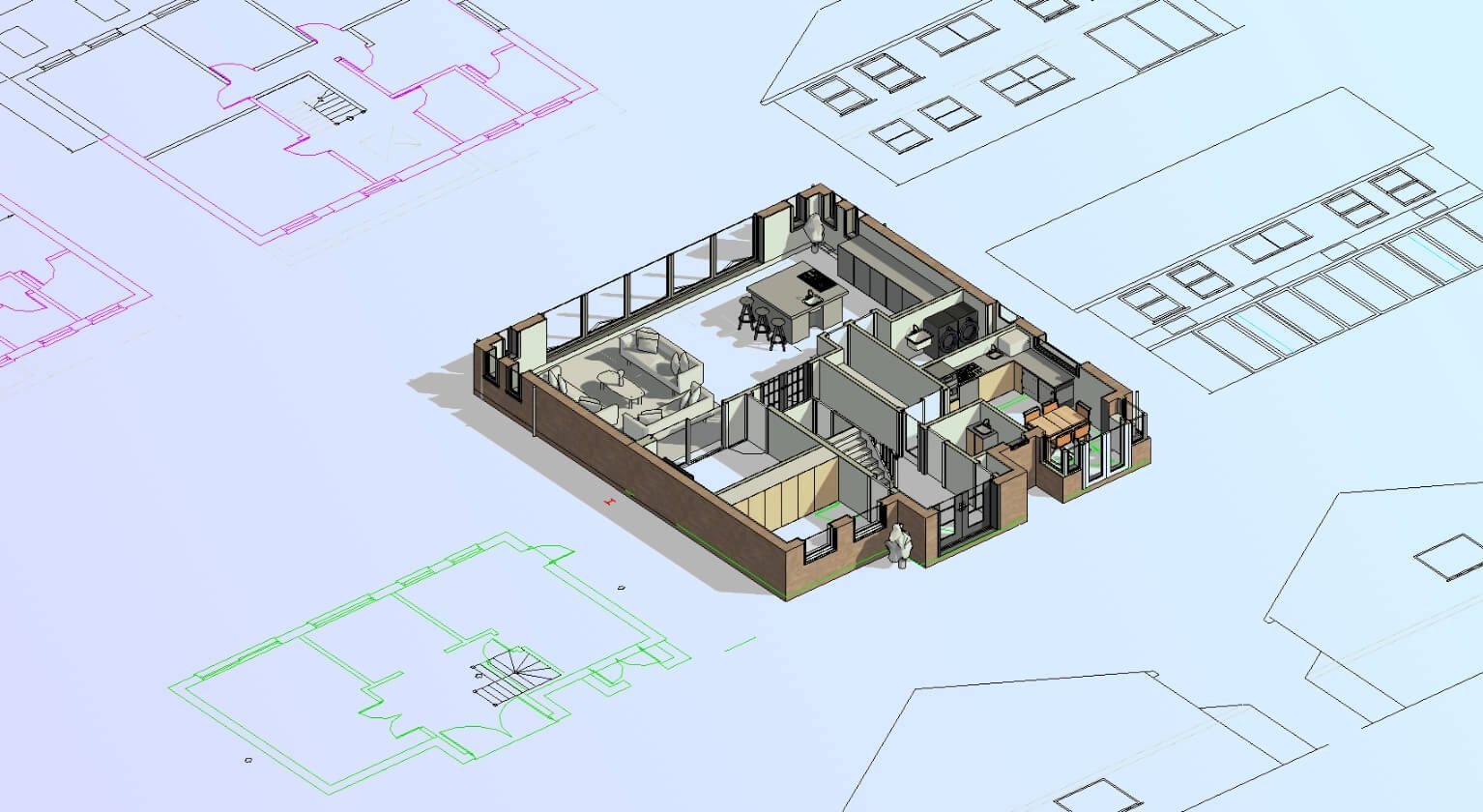
Effective Role of Revit Family Creation in BIM Modeling

Since building information modeling (BIM) was introduced in the architecture and construction industry, the working approach for architects, engineers, and other collaborators has altered. Over the years, the AEC sector has witnessed a significant paradigm shift with technological advancements and continuous growth in innovation. Technology, which is constantly occurring even today, has certainly changed how construction projects are perceived. The major transformation came from the complex architecture process, with BIM as a revolutionary technology.

With BIM, several construction aspects have simplified and enabled architects and engineers to showcase and enhance their creativity to deliver modern architectural projects. However, the revolution did not end there; it only advanced with time. Once BIM was the popular tech in the AEC sector, other services constantly emerged with technological advancements that simplified the complex process and gave a new architectural process curve. With groundbreaking technologies integrated with BIM services, Revit Family Creation came into existence, which became a widely adopted technology in the modern architecture era. As a matter of fact, it has made the process more accessible, with a new perspective on creativity for architects to explore.

Enhance Project Quality with Revit Family Creation Services

bim services

The new-shaped buildings and infrastructure are awe-inspiring expressions as we observe the architecture around us today. These marvelous buildings aren’t an easy job, but it involves a lot of time, from conceptualizing the project to execution. By adopting BIM as a technology, Revit Family Creation, on the other hand, also made the process well-defined aids in organizing and administering the overall projects. Let’s explore the Revit Family and how it plays a significant role in the modern architecture process.

Brief Overview of Revit Family Creation

As discussed above, BIM has played a significant role in taking the AEC sector to another level. However, with BIM came many different technology curves that have advanced and modernized the industry with new approaches and perspectives. One of the most adopted technologies integrated with BIM is Revit Family Creation services, a revolution in the history of BIM modeling services. Let’s break down the term to understand it clearly. Revit is an imperative and effective architectural design software of Autodesk with various features that save time, effort, and money.

Revit was introduced to ease the process, and now it is to go to software for every architect and engineer for the digital representation of the project. With time and as software technology became more progressive, it was recently updated with top features in Revit 2023. However, these features were proposed to make the design more seamless and efficient without wasting time. In Autodesk software, Revit Family has gained a position in design. Revit Family Creation is a library or collection of building elements or mechanical components. Usually, in the Autodesk platform, any change in the family types is instantly updated and reflected throughout the model.

While creating a 3D digital representation of the project, designers and architects built the digital structure, created windows, and added curtains, lightning, staircase, and other interiors. As a matter of fact, families are considered as a group of objects with a set of properties called parameters and other graphical representations. Moreover, every set of families is organized into a specific hierarchy. Besides, Revit Family Creation services not only enhance the visual representation but also provide a long list of benefits, such as:

Benefits of Revit Family Creation Services

Efficient Change and Update
Design Flexibility
Consistency
Cost Estimation
Easy Asset Management
Enhanced Visualization
Time Efficient
Standardization
Streamlined Documentation
Better Design Option

Revit Family Creation services are also considered a robust marketing tool for designers, enabling them to engage with customers in 3D visualization with comprehensive presentation capabilities. Additionally, Revit Family Creation is categorized into types of families following:

  • System Families:- This includes walls, ceilings, ducts, and floors as fundamental building components.
  • Loadable Families:- These components include everything that isn’t present in the system families, such as doors, windows, water heaters, furniture, etc.
  • In-Place Families:- These components are unique and used for particular projects.

These major types of Revit Family Creation services create a more authentic visual presentation. To accurately constitute the Revit Family Creation service, it is essential to follow the process for overall project efficiency and saving time for the designers and architects. The following process ensures the best outcomes with an attractive visual presentation.

  • Conceptualizing and Definition:- Define purpose, size dimension, and specific features.
  • Reference Gathering:- References act as a blueprint for digital creation to maintain accuracy.
  • Family Editor in Revit:- Family Editor is a dedicated space for creating accurate and usable families for the project.
  • Template Selection:- Adopt the most suitable template according to project requirements to streamline the initial step.
  • Geometry Modeling:- Shape, size, detailed maneuvers for the objects.
  • Parameter Integration:- To strategically develop flexibility and adaptability of the Revit family.
  • Material Application:- To enhance the realism of the object.
  • Type of Creation:- Various types of families cater to different design variations in projects.
  • Testing and Refinement:- Test the Revit Family Creation to ensure performance, functionality, and visual accuracy.
  • Saving and Loading:- Finalize the Revit Family and save it to the desired library for easy access.

Following the procedure can result in fruitful outcomes and elevate the quality of the overall project. However, creating a Revit Family is another option for architects and designers.

How to Create a Family in Revit?

Multiple components and elements are used repeatedly in the projects. However, some are unavailable, but any designer can create a library. In fact, creating a family in Revit is more like curating a digital version of any object we see around us. It can be any furniture, piece of art, plant, window, or door. Designers can create an accurate library for future projects with the right tools and expertise. In fact, to create a library in Revit, one should certainly know the software and its tools in depth. Apart from the expertise, another thing that matters is the size and material of the object you want to become more authentic.

Final Words

With Revit Family Creation Services in the architecture and construction industry, architects, designers, and other professionals can seamlessly and more effectively enhance the 3D representation of projects. Revit Family has become an essential tool for 3D BIM services. Outsource Revit Family Creation with UniquesCADD’s proficient and skilled team, who can enhance the quality of the project.

Transforming AEC Projects with CAD to BIM Conversion

In the dynamic and ever-growing economy, the architecture and construction sector embraces the constant evolution in technology and adapts new innovations to enhance the process of construction. Over the years, the AEC sector has undergone a major monumental transformation with the help of advanced technology and innovation. Nevertheless, continuous technological advancement has altered the reality of the construction sector today with new approaches and processes. During the early days of architecture, intricate detailing was practiced with hand-drawn sketches and manual labor work, which resulted in time-consuming tasks.

In the ever-growing landscape of the architecture and construction sector, the first-ever paramark of technology was marked in the late 1970s. The AEC industry was introduced with CAD (Computer Aided Drafting), which gave a drastic boom to the sector with its advantages to architects and engineers. It was a transformative process in the construction field and was considered a cutting-edge technology that simplified the complex process of construction.

Soon, with the growing popularity of CAD, it became a pivotal part of the process for architects to practice the construction process efficiently and accurately. Computed aided drafting- CAD transformed AEC professionals from paper to digital screen with empowering accuracy, which was lacking in traditional construction practice. With the inception of CAD as a powerful tool in the field, it has revolutionized how architects, engineers, and other professionals execute the entire construction process, from planning to actual groundwork.

Elevate Construction Project with CAD to BIM Conversion

bim services

Nevertheless, the transformation continued, and 2D CAD enabled professionals to draw accurate digital representations of infrastructure; however, as the development in the sector continued, it had its own limitations. Therefore, later, the BIM (Building Information Modeling) came into inception, which provided a more holistic approach to conceptual designing till the execution of the project. As a matter of fact, it quickly became an adapted technology in the sector along with CAD services.

As the revolution is constant, CAD to BIM services became comprehensive yet pivotal in the construction process. Around the globe, it was widely accepted and used in the utmost possible way to enhance and execute the project with a modern approach. CAD to BIM conversion increased the pathways to explore complex architectural concepts with reduced human errors. Let’s explore in detail how it has managed to pave the way for exceptional services in the architecture and construction industry.

Comprehensive Results with CAD to BIM Services in

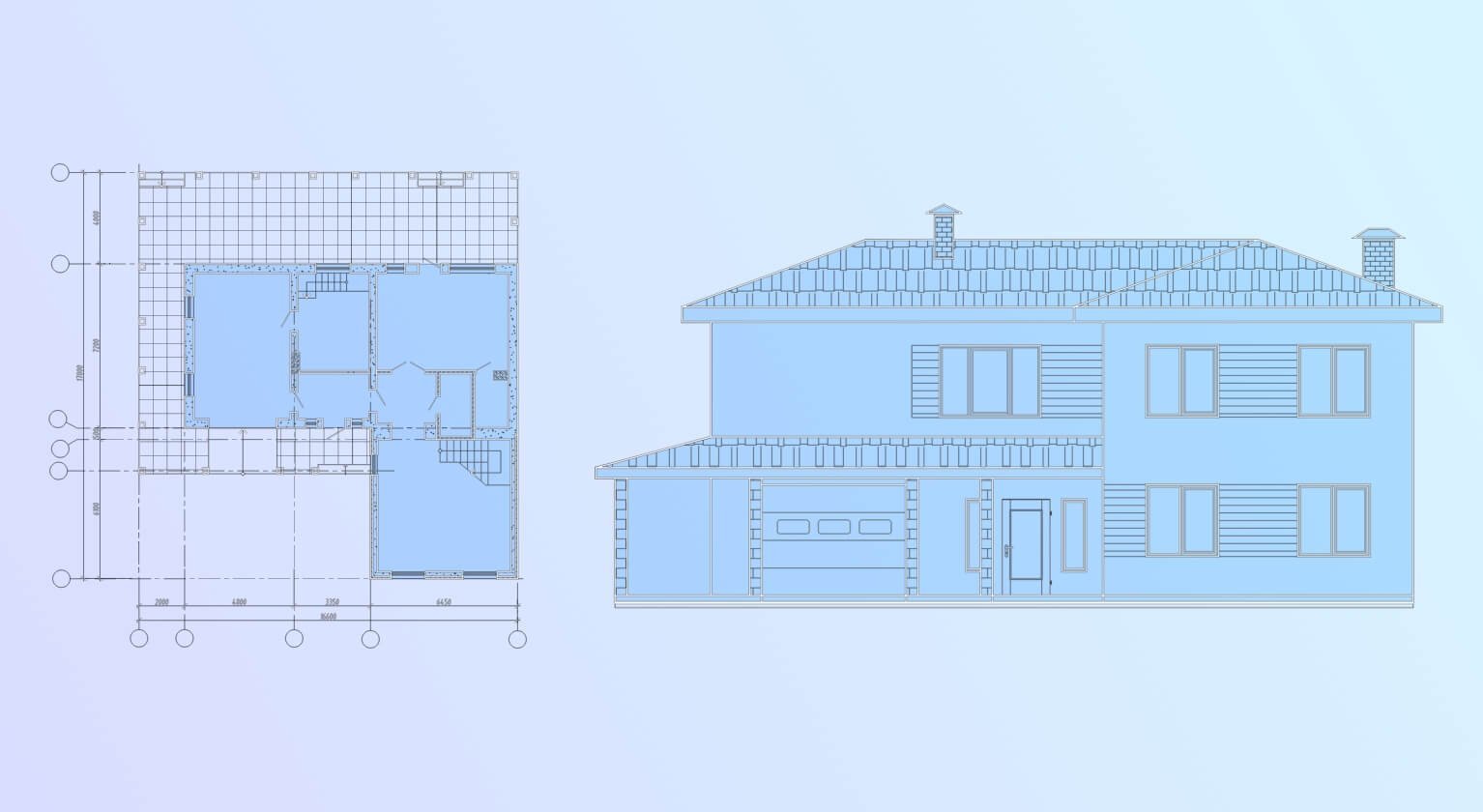
To understand about CAD to BIM conversion services, it is essential to fathom CAD services at the initial stage. 2D CAD services is a design platform that allows AEC professionals to look deeper into the project with two-dimensional drawing plans before the project’s groundwork begins. In the 2D CAD model, experts can quickly review, stimulate, and modify design for innovative approaches to the architecture process.

Gone are the days when manual drafting of the project required pencils on paper, which sometimes resulted in human error and inaccuracy in the design approach. However, it became easy with CAD drafting services for AEC professionals to maintain and enhance the accuracy level from the beginning of the project. As a matter of fact, with consistent upgradation in the AEC industry, CAD has its own limitations, which involved;

  • Lack of depth for the project
  • Limited collaboration
  • The complexity of modern design
  • Narrowed learning curve
  • Hardware and tools requirement
  • Limited compatibility
  • Less creativity

Speaking of BIM services, they serve as a digital representation of the project’s 3D data-rich model. Furthermore, they pertain to proper planning and project management and facilitate accurate design from the initial stage of the project. 3D BIM modeling is infused with different aspects of the design in 3D, 4D, and 5D dimensions.

The inception of BIM and CAD services became a critical component in the architecture and construction projects that serve as a digital transformation. Hence, combining these two powerful tools resulted in more effective and resulted-oriented outcomes. Therefore, CAD to BIM conversion came as a revolutionary service that involved a detailed process of transforming 2D CAD drawings into data-rich 3D BIM models. This metamorphosis laid the foundation for enhanced collaboration between architects, engineers, and collaborators and offered effective digital project outcomes. Not only this, CAD to BIM services incorporation in the projects offers other beneficial results, such as;

CAD to BIM Services Incorporation in the Projects Offers Beneficial Results

Generating maximum profit
Cost-effective solution
Minimum scope of human error
Quality end results
Better project productivity and design quality
Enhanced illustration of design to visualization
Efficient collaboration, communication, and corporation

Importance of CAD to BIM Services in the AEC Sector

Technology and innovation have quickly transformed reality in the fast-evolving landscape of the architecture and construction industry. As a matter of fact, for modern construction projects, CAD to BIM was introduced to ease the process of designing and construction and promote efficient results. Modern and contemporary architecture requires intricate detailing in the designing process with precision for the desired outcomes. This demands effective communication and collaboration between the AEC professionals, which is offered by CAD to BIM services. Moreover, enhanced communication and collaboration regulate the workflow and streamline the actual site construction according to the plan.

In fact, the 3D digital representation of the infrastructure also provides the scope for identifying potential risks and clashes that can be resolved in the digital model. This results in imperative efficiency and timely completion of the project. Therefore, CAD to BIM conversion enhances the project in the visualization stage with many beneficial aspects that can result in the best outcomes. Moreover, the transformation of CAD to BIM also promotes effective and elevated project lifecycle management, which plays an integral role in any construction project.

Since the 3D BIM model serves as a centralized platform for all the necessary information, it eases project management and its entire lifecycle. Due to its long list of perks, AEC professionals make it a pivotal part of the construction process nowadays. Without CAD to BIM, architects and engineers cannot deliver projects with utmost efficiency and accuracy without cost overruns and delays.

In a Nutshell

The conversion of CAD to BIM services includes critical steps for desired results. Hence, it is wise to outsource BIM services to someone who can effectively convert 2D CAD drawings into intelligent 3D BIM models. As CAD to BIM conversion is a game changer in the construction sector, outsourcing can provide quality-driven results. UniquesCADD is a BIM outsourcing company, offering a range of services by a team of talented and skilled professionals using the latest technology.