Rahul Dogra - Uniquescadd - Page 4

Significance of BIM in Construction Project Management

The Architectural landscape has witnessed a long journey of development and innovation in various aspects. In the ever-growing architecture and construction industry landscape, emerging technologies have become paramount to success in each project. The constant evolution has resulted in modern architecture that demands more creativity, a streamlined work approach, unparalleled accuracy, and efficient end results to make the project successful. Since emerging technology and continuous innovation have led many businesses to enhance their working methodologies, the AEC industry has also leveraged the power of today’s tech, which has resulted in the sector’s growth and successful results in almost all projects. It is well-known that the architecture and construction industry is complex, time-consuming, demanding for accuracy and efficiency, and a creative field.

However, completing a project while considering all aspects becomes a challenge for AEC professionals, especially in the earlier times of construction when technology didn’t prevail in the industry. As time went by, the wave of technology hit all sectors, including AEC, and brought revolutionary changes in methodologies, work approaches, processes, equipment, skills, and more. This is when the inception of building information modeling came into existence and altered the entire working cycle of the construction and architecture realm.

With groundbreaking technology, the AEC sector utilized a new curve of creativity and improved architecture in modern ways. As we all see the buildings and infrastructure today, the marvelous and modernized structures amalgamate science and art that dwell together collaboratively. BIM services make it easier for architects, engineers, and other professionals to work collaboratively on projects to achieve desired goals.

Enhance Construction Projects with BIM Construction Management

bim services

The introduction of BIM technology is one of the revolutionary technologies witnessed by the AEC industry. With BIM, construction working techniques and methodologies have altered for better, more accurate, and more effective outcomes. In today’s time, BIM has become a mandate in a few countries as it offers multiple benefits, ensuring streamlined construction work, collaborative nature, cost-effectiveness, accuracy, less wastage of material, and more. Apart from these benefits, BIM construction management is one of the top advantages for architects, engineers, and other collaborators in managing the entire project on a centralized platform.

Since building any infrastructure consists of multiple stages that demand accuracy, BIM services help ensure the desired project outcomes with an enhanced decision-making process. For better clarity, let’s explore BIM project management in detail and how it helps in the success of very simple to complex projects.

Brief Detail of BIM Construction Management

Thanks to building information modeling (BIM), the architecture and construction realm has witnessed some profitable changes that have resulted in positive outcomes for AEC professionals. Soon after introduction to revolutionary technology, BIM has offered various benefits, ensuring the desired project is streamlined according to the requirements and under budget. More than that, BIM construction management is one of the most important advantages for architects and engineers, as it helps them keep track of the project throughout the different stages of construction.

Traditionally, the construction management in any project was overpowered by miscommunication, lack of data, inefficient workflow, complex and tighter timelines, and more, which has always led to misjudged or miscalculated insights into the construction project. However, BIM has provided a centralized platform that streamlines collaboration and efficient communication and offers enhanced project insights into the construction process. As a matter of fact, BIM is extensively used in complex projects that serve as a digital tool for planning, designing, constructing, BIM level of detail, enhanced communication, and more.

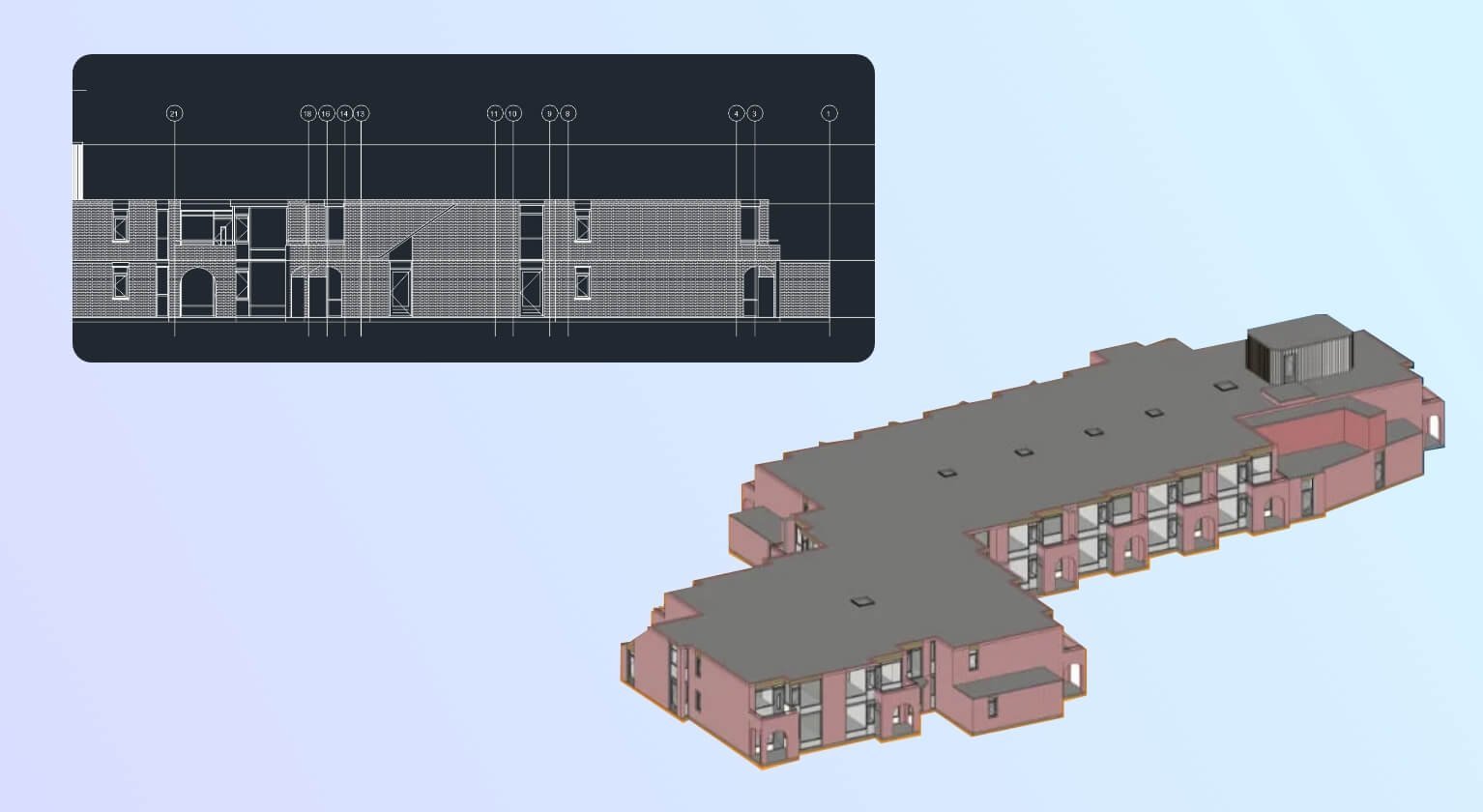
The 3D model enables insightful data, which may include geometry, material quantities, quantity take-off, dimensions, project stage schedules, and more. BIM project management also helps architects, engineers, and contractors work efficiently, enhance collaboration, and optimize project outputs. The following are some of the reasons why BIM has become a go-to tool in today’s construction realm.

Key Advantages of BIM AEC Realm

Enhanced efficiency
Analyze structure ecosystem
Reduce errors/ reworks
Facility management
Enhanced visualization
Improved cost analysis
Informed decision-making process
Better communication and collaboration

For multiple reasons, BIM allows different teams and professionals to work together, avoids delays or rework, and helps streamline the process at every stage. Since every phase of construction is different, the BIM level of detail offers accurate information for professionals to understand the project’s completion. Hence, BIM project management brings many benefits; let’s explore them in detail.

How BIM Project Management Enhances Construction Process

As already discussed, the various advantages of BIM technology and how it impacts the entire construction process. Moreover, this technology continues to evolve and influence the AEC realm to give a creative curve for architects and engineers. It also ensures that the architecture process helps AEC professionals complete projects according to requirements. BIM is a significant digital tool, especially for construction managers as it helps to visualize the project to identify potential problems, and track the progress of construction. In this process, the BIM level of details plays a crucial role in helping AEC professionals understand progress and precisely track project completion.

Using BIM also enables construction managers to share project information or data with other professionals to remain on the same page, enhancing communication and collaboration. Typically, BIM construction management allows improved and streamlined processes within all construction phases and efficient ways to track and manage the progress. This also helps to ensure that the project or the construction stage is under budget constraints while keeping the material in the desired quantity. As continuous growth in technology is reshaping the AEC landscape, the future of BIM project management is progressive and uncertain for many reasons. Since the 3D digital model offers to enhance accuracy and efficiency, on the other hand, it is yet to be fully developed in the BIM capabilities and how the AEC sector will widely adopt it.

Since building information modeling has become a revolutionary digital tool, it is advisable to choose top BIM companies in India that can efficiently cater to the process while the construction company can focus on the other multiple tasks that demand attention and focus. Uniquescadd is one of the top BIM consulting services providers for a variety of clients settled internationally. The team of experts ensures the project is approached within the streamlined and required guidelines while maintaining the budget constraints.

Last Remarks

As the architecture and construction industry is open to evolving more according to emerging innovation, BIM will continue to play a crucial role in construction management for AEC professionals to attain its benefits. Adopting BIM project management in modern architecture will deliver enhanced, accurate, and efficient project outcomes while ensuring the least material wastage and maintaining budget lines.

Enhance Project Visualization with Revit Family

The landscape of the architecture and construction industry has drastically shifted from the traditional working approach to the modern technological approach. Thanks to the continuous advancement in the market, the AEC industry has been pushed with better ideas, enhanced creativity, and supreme accuracy. Technology and innovation are pivotal aspects of the industry to stay ahead in the market. Moreover it delivers efficient construction projects. With time, one of the groundbreaking technologies came into its inception, completely altering the reality of the construction landscape.

Today, we know it as building information modeling (BIM), which enables architects, designers, engineers, and other collaborators to enhance the efficiency and accuracy of every construction project. In the modern era, BIM needs no introduction and comes with other related services, simplifying the complex process for AEC professionals. BIM services are used to create a 3D model of the project in the design phase, where architects and collaborators can make informed decisions, reduce risk and error, turn ideas into reality, and more. However, building information technology is also considered the most advanced approach for enhanced project visualization, cost estimation, and efficient construction management throughout the process.

In the 3D BIM model, the projection of the entire project entails rich data, components, and true-to-life infrastructure with exterior and interior objects, resulting in better visualization. All such estimates are catered to advanced BIM software that is now popular in the industry due to various tools and features. Continuous innovation has also led the AEC sector to improve and adapt to a new curve of modern architecture and evolution in design and creation. With improvements in processes and services, updates in tools and software have progressed with ease, creating the 3D model with multiple objects. One such software, BIM, is popular among AEC professionals and has progressed with market trends and demands. Autodesk is a prominent BIM software with a long list of benefits, tools, and features.

Comprehensive Construction Project Visualization with Revit Family

bim services

One such technology conceived in 1997, Revit, to bring parametric modeling to the architecture industry. With its long list of benefits, it has transformed how architects and designers approach the concept idea and building design, ensuring safety, accuracy, and efficiency. On that note, one of the most essential advantages of using Autodesk Revit is the Revit family creation, helping professionals bring exceptional project outcomes. Advantages of Revit family creation are endless as the components in the Revit families are viable, parametrically approachable, and help the collaboration and efficiency among architects, engineers, and other professionals to take better initiatives for construction project success.

In simple terms, it is recognized as an innovative technology in the history of BIM. As a robust innovation it significantly saves crucial time, effort, and cost. Apart from all of this, one of the vital advantages of family creation in Revit is the enhanced project visualization, which helps stakeholders understand the project virtually. To understand more deeply, let’s explore what Revit family creation is and how it improves the visualization for construction projects.

Brief Introduction to Revit Family and Its Role in Visualisations

In the AEC industry, the progress of technology and innovation has always been the pillar of success for the architecture and construction industry. Revit is one of the groundbreaking technologies in the history of BIM, as it helps ease the project and enhance visualization for AEC professionals. With numerous advantages for architects and engineers, Revit has gained a pivotal position as it offers efficiency, accuracy, and better visualizations that help in the project. Revit families are the components that help designers build the BIM model with specific project elements such as walls, windows, stairs, lights, furniture, and more.

Typically, the Revit family has different shapes, sizes, materials, parameters, and more that help define the project and bring the idea to life effectively and immersively. In fact, creating the components, such as furniture, doors, walls, and more, enhances the quality of the project and helps stakeholders easily imagine the area or space with the designed components.

Another prime advantage of the Revit family creation is that any changes made to the family type are thoroughly made in every aspect of the project. For example, altering the type of door in the Revit will be changed throughout the project for consistency. Hence, it proves the pivotal role of architectural BIM family creation, providing better insights, enhanced collaboration, and improved project visualization. Generally, there are three types of family creation in Revit following are;

Three Types of Family Creation in Revit

System Families

Contains essential building elements such as walls, doors, windows, stairs, and more.

Loadable Families

These are also standard components, as they are typically purchased, delivered, and placed in the project.

In-Place Families

These types of families are produced and created immediately according to the project customization and cannot be exported to other projects.

With different types of Revit family creation, architects and engineers gain prime benefits from the service, of which 3D visualization is the most vital one. With proper visualization, stakeholders can make informed decisions about the project, ensuring the project meets the client’s demands. All the elements, components, and objects in the Revit family are placed without compromising the rest of the model.

This also enhances the visualization of the project and allows AEC professionals and stakeholders to explore the detailed representation as the realistic renderings accurately portray every aspect of design from the real world. Moreover, the 3D model also showcases various characteristics and product attributes from multiple angles, allowing architects and designers to inspect in detail every aspect, such as quality, texture, material, size, and shape.

The prime benefit of 3D visualization of family creation in Revit is an attractive trait among furniture manufacturers as it offers a 3D view of the product on websites. Furthermore, using 3D objects in the model makes an authentic and realistic version with accurate project specification and satisfies the client’s requirements. Hence, revit family creation is vital in 3D BIM modeling, enhancing the visualization and delivering the overall success of the construction project.

Ending Remarks

Revit family creation is a game changer in the architecture and construction industry. It brings exceptional visualization, improved collaboration, and communication. This results in accurate, efficient, and innovative project outcomes. However, it is better to outsource these services from BIM service providers to gain comprehensive results without investing much time and money. UniquesCADD is a leading BIM company in India that specializes in family creation services in Revit.

Role of BIM in Facility Management of Infrastructure

The modern world has witnessed some astounding technological revolutions that have altered the reality of almost every sector of the economy. With continuous advancement, the AEC sector has also leveraged the power of innovation and technology, which has led to the sector’s growth. Over the years, innovations and introduction to new technology have been a significant part of the architecture and construction realm. This leads to some creative edge for architects, designers, engineers and other AEC professionals. Moreover, technology continues to shape how architects and engineers design, construct, plan, execute, and maintain the infrastructure. Nonetheless, the architecture and construction landscape is rapidly growing to meet the dynamic requirements of the market. With a constantly changing environment, building information modeling has emerged as a groundbreaking tool for AEC professionals to cater to simple and complex construction projects.

Today, BIM services have become a revolutionary tool for architects, engineers, and collaborators, changing how construction projects are perceived, designed, visualized, and constructed. With the help of BIM as a technology, the complexity of projects is catered to resolutions. However, the impact of BIM goes beyond the construction stage as it is a groundbreaking technology for facility management and maintenance of the infrastructure throughout the entire lifecycle.

Any construction project has various stages that demand acute attention, detailing, precision, and efficiency. As a matter of fact, BIM is a digital representation of the physical and functional components of the infrastructure and creates a 3D data-rich intelligent model that entails precise information about the building’s geometry, spatial relationship, geographic information, and other information. Implementing BIM services in the architecture project offers a collaborative platform for AEC professionals and facility managers to work together on the intended design, planning, and management of building.

Innovative Facility Management Solutions with BIM Technology

bim services

Since BIM enhances the designing, planning, and execution approach, it also goes beyond the construction phase. The 3D model helps AEC professionals cater to the project accurately and efficiently and helps facility managers maintain the building in its operational phase. During the operational phase of any infrastructure, facility management plays a pivotal role where implementation of BIM project management eases the factors of facility management. Let’s explore facility management in detail and how BIM plays a vital role.

Understanding Facility Management

In the architecture and construction industry landscape, planning and designing the entire project is different from the end goal, nor is the overall completion of construction. However, once the construction work is completed, the operational phase of the infrastructure begins, during which the facility management process plays a vital role. To ensure the building is operational in all aspects, efficiently and safely, the facility management process comes into focus.

The concept of facility management began in the 1970s as a multidisciplinary field with multiple aspects of physical infrastructure. Facility management entails a wide range of activities. All the activities are vital for the efficient operations, maintenance, and management of the infrastructure.

Additionally, it involves tasks such as space planning, asset management, preventive measures, energy management, and safety compliance. The goal of facility management is to ensure the infrastructure functions efficiently. Additionally facility management also offers a safe environment to occupants, and aligns with project objectives. However, facility managers often use a traditional approach. Practicing old methods and approaches limits the access to building information. Additionally, it hinders efficiency in the process and decision-making as the data provided is typically scattered.

Hence, the preexisting challenges of the traditional approach for facility managers require a more streamlined and data-driven solution that can enhance the process with the necessary information, tools, and insights to manage the infrastructure efficiently. Hence, the prominent use of BIM facility management comes into focus and emerges as a transformative technology for maintaining the building throughout its lifecycle. Let’s overview how BIM services play a powerful role in the facility management process.

BIM as Powerful Tool for Facility Management

The world of the AEC industry was quickly transformed when building information modeling came into existence. The groundbreaking technology altered the working approach in the architecture and construction realm. Today, the modern era of the architecture and construction industry leverages the power of BIM services for various factors that bring efficiency and accuracy to the project while maintaining collaboration, safety hazards, and detailing at each stage. As a matter of fact, BIM goes beyond the construction and designing stage as it is also involved in the post-construction phase. BIM project management helps maintain the project after construction, which means when the building is operational.

As a matter of fact, BIM in the post-construction stage helps facility managers enhance operational activities. BIM facility management offers multiple benefits as the 3D data-rich model provides a wealth of information, including 3D visualization, 4D scheduling, 5D cost estimation, a comprehensive view of the building components, systems, and more. Moreover, BIM offers the facility managers team easy access to essential information for efficient tracking and material specifications. Following are some of the key benefits of BIM for facility management.

Key Benefits of BIM for Facility Management

Increased Efficiency
Reduced Energy Waste
Condition Monitoring
Enhanced Energy Management
Improved Decision Making
Life Cycle Cost Analysis
Streamlined Maintenances and Repairs
Better Collaboration and Communication

BIM facilitates collaboration and improves communication between stakeholders and facility managers, which helps to ensure the health of the building. Not only this, but BIM offers unified platforms where all the essential data about the infrastructure is stored and accessible at the time of requirement. BIM project management facilitates the facility management process for the following aspects;

  • Asset Management
  • Space Management
  • Energy Management
  • Cost Management
  • Maintenance Management

BIM facility management enhances the post-construction phase and ensures the building is functional and has all the operational components. It also enhances the work of the facility management team, which carefully caters to various aspects of the infrastructure so that occupants can live safely and comfortably. In fact, advancements in technology will likely shape the future of BIM facility management, as will increased integration with IoT, advanced analytics, and interaction with augmented and virtual reality.

Wrapping Up

Building information modeling is a revolutionary and valuable asset for facility management due to its long list of benefits and resolutions to overcome some challenges with a comprehensive strategy. However, BIM facility management offers valuable insights into building operations. UniquesCADD is a leading outsourcing BIM service provider that is an expert in providing facility management processes by a team of professionals.

Enhancing Safety with BIM Services in Structural Projects

The world of construction is constantly evolving, with new technologies and innovations introduced that affect efficiency, accuracy, and safety. The AEC industry has evolved with changing approaches, working methods, and specifications. As a matter of fact, the cutting-edge digital approach to construction projects has transcended traditional blueprints and sketches. The revolutionary approach came with BIM technology, offering a holistic view to the infrastructure project. As we all know, any construction project consists of various stages where keen attention to detail, accuracy, and efficiency are paramount to every project.

With the inception of BIM services, many complex and time-consuming processes have become simplified, keeping in mind the accuracy and efficiency between the disciplines. Moreover, BIM offers many more advantages in different stages of construction. Enhancing safety and risk mitigation is one of the prime perks of using BIM in every stage of construction.

At its core, BIM functions as a comprehensive digital database, storing essential information, from materials to every discipline component detail. However, BIM offers safety benefits within that, ensuring the stage is error-free with no risk while the groundwork. On the contrary, among all the different construction phases, structural construction is one of the most important and risky, especially at the groundwork stage. Building information modeling paved the way for ease in the process; it is also a border concept with many other services.

Enhance the Safety of Structural Project with BIM Technology

bim services

Among many, structural BIM services have gradually gained popularity as a transforming tool for architects and engineers. They ensure that structural work is done with the utmost safety and without any risk. With structural BIM, the digital approach to the design plan has increased accuracy and reduced scope errors, resulting in enhanced safety.

Additionally, safety is one of the primary concerns of every construction professional. With that in mind, it shapes every project facet, including planning, execution, and management. Not to forget, advancements in technology have resulted in a game changer in architecture and construction, especially with BIM as a digital toolset.

Integrating the same technology in the structural phase of the construction project not only enhances project delivery but also ensures safety precautions for the professionals working on the site. Explore how BIM makes safety a prime motto in complex structural projects. Before that, let’s overview structural BIM services and their benefits.

Overview of Structural BIM Services & Role in Safety Enhancement

Any infrastructure built today has a beautiful exterior as well as an interior. Outcasting building shapes, excellent interiors, marvelous architecture, and more. However, these all are in vain because the facility isn’t strong from the inside. Any building, simple or complex, must have a solid and robust structural framework; with a solid backbone, infrastructure is of use. This implies accurately curating and keenly performing the structural BIM services task.

In fact, the building’s structure acts as a skeleton, which should be solid enough to bear the load and withstand environmental or natural calamities. This is where the importance of structural BIM comes into light, as it includes information that affects the building’s structure, such as foundation, floors, roof types, material quality, beams, walls, columns, and much more.

Moreover, it goes beyond the measurement and geometry of the components as safety and minimizing the risk factors are the prime concerns. When working on the construction site, it is essential to ensure laborers’ safety and infrastructure. Not only this, but structural BIM offers a variety of benefits in the projects, such as;

Advantages of BIM in Structural Projects

Enhanced Collaboration
Improve Scheduling
Construction Safety
Facility Management
Clash Detection and Resolution
Better Decision Making
Energy Efficiency
Better Safety and Precautions

Leveraging the power of structural 3D modeling services for infrastructure’s functional characteristics and keeping safety paramount. As a matter of fact, structural BIM services emerged as a powerful and transformative tool in the AEC industry to ensure a solid framework and bearing loading of environmental factors. Although integrated with groundbreaking BIM technology, the framework structure can be assured of safety, providing the groundwork is done with utmost safety.

Integrated with building information modeling, BIM empowers project professionals to quickly identify errors, risks, or clashes and proactively address the safety precautions that result in minimum accidents or injuries at groundwork. This is why keen attention to detail and accuracy at every level is essential in the designing phase. The detailed prototype of the structure allows early identification, which can be catered with safety precautions during the planning and designing stage.

Additionally, this reduces the chances of cost overrun, less material wastage, and proactive safety assurance for laborers at the construction site. Moreover, safety is a non-negotiable aspect in the architecture and construction sector, and implementing BIM services helps AEC professionals assess risky factors and ensure safety hazards in terms of human resources and long-term facility management.

With that, the BIM 3D model enables accurate and enhanced planning, coordination, communication, informed decision-making, and efficiency in design, resulting in safer worksites, reduced accidents, on-time delivery, and overall project success. The following are some of the construction aspects that BIM caters to to ensure the safety of structural projects.

  • Enhanced Planning and Design
  • Early Clash Detection
  • Improved Coordination and Communication
  • Virtual Construction and Simulation
  • Site Safety Planning
  • Accuracy in Design and Analysis
  • Mitigating Project Risk Factors
  • Regulatory Compliance and Documentation
  • Informed Decision Making
  • Enhanced Facility Management

These are some aspects where the implementation of BIM technology can result in site safety being a critical outcome. Above all, building information modeling can ensure the construction project is accurate as the 3D BIM model underwent the quality check assurance. In structural projects, the foremost important thing is a solid framework for the building.

However, the integration of BIM can help enhance structural projects and make them safer for worksites. BIM structural services also entail many other factors and benefits that result in improved performance and the project’s overall success. As the framework strength and safety of workers are quite important, structural BIM induces these qualities in the modern architecture realm.

Ending Note

The realm of architecture and construction entails complex designs that are catered to with modern technology today. Although BIM resolves many processes and complexities, AEC professionals must be experts in utilizing the power of building information modeling. Therefore, UniquesCADD is a lead BIM service provider, assuring quality, enhanced, and accurate results per the client’s requirement.

Revolutionizing Architectural Projects with BIM Services

In the ever-evolving landscape of the architecture and construction industry, innovation and the rise in technology have always been a driving force. Over the years, the constant evolution in technology and innovation has accelerated the AEC industry with alterations in working approach, enhanced efficiency, accurate details, and more. Today, in the era where digitalization has overpowered the entire economy, the architecture and construction industry has significantly adapted to the latest trends and innovations that have resulted in the sector’s growth.

As compared to the early methods of the construction process, today, architects and engineers actively work on the project with an enhanced approach that helps to build better design and offers efficient outcomes from the construction project. As a matter of fact, in the fast-paced world of construction, efficiency and accuracy are paramount. This is why the inception of building information technology has been a revolutionary innovation that has altered the reality of the sector.

As the architecture and construction industry evolved over time, BIM gradually became the most crucial aspect of any construction project. Over the years, BIM adoption in AEC has evolved significantly. Early BIM was mainly used for complex infrastructure projects; however, as technology advanced and awareness of BIM services started emerging, it quickly became a go-to technology for every architect and engineer to ensure construction project efficiency and accuracy while adhering to construction project budgets.

Embrace the Next Architectural Project with Accurate BIM Services

bim services

Moreover, with a harmonious blend of creativity, innovation, and technical expertise, architectural BIM services emerged as a transformative tool in the architecture and construction industry. The robust approach has allowed AEC professionals to bring their vision to reality with accuracy and efficiency. Additionally, as the construction field continues to evolve, the use of BIM technology gradually becomes prominent due to its long list of benefits that involve streamlining the construction project, efficient and impactful design, ease in complex construction projects, and more. Let’s explore architectural BIM services in detail and how they impact the entire architecture and construction industry.

Understanding Architectural BIM Services

The field of construction and architecture was always complex, involved with various stages, and demanded acute attention and accuracy in each detail. This brings attention to upgrading with technology and innovation. Therefore, the AEC industry gradually adopted the power of BIM, which provided architects, engineers, and other collaborators with room for creativity with sustainable designs, ensuring the budget and the accuracy of design. Emerging as a powerful tool, architectural BIM services involve the creation and management of digital representation of infrastructure.

With the help of BIM, architects and engineers can design a comprehensive 3D model that encompasses every aspect of the structure, including material, structure, stage, components, and more. This data-rich 3D model is an intelligent database containing all the valuable information about the construction project. Additionally, this also helps AEC professionals with enhanced communication, collaboration, decision-making, and ease of use in the project. As a matter of fact, the comprehensive 3D model helps architects visualize and explore different design options, resulting in the creation of optimized energy-efficient designs with safety. Additionally, BIM is a collaborative technology that involves the management of digital representation of the infrastructure’s physical, functional, and practical aspects. Following are the key concepts that summarize BIM

  • 3D visualizations
  • Parametric Modeling
  • Data Integration
  • Clash Detection
  • Cost Estimation & Quantification
  • Lifecycle Management

The process begins with the creation of a digital model that can be shared across various platforms and stakeholders, enabling architects, engineers, and other AEC professionals to have real-time communication and collaboration along with feedback. Moreover, the digital model is also utilized to build accurate and detailed architectural construction documentation, which is pivotal in the construction process. The construction process has various stages, demanding attention, efficiency, and accuracy; the 3D architectural BIM model helps ensure that every construction stage is catered to with accuracy. It can also be used to manage and track the progress of the construction process, identify potential clashes and errors, and more. Following are some of the benefits of architectural BIM services.

Benefits of Architectural BIM Services

Improved Design Quality
Cost and Time-Saving
High-Quality Project Outcomes
Limited Design Conflicts
Collaborative Design Process
Accurate Documentation
Sustainable Construction Design
Reduced Wastage of Materials
Enhanced Accuracy and Efficiency
Increases Productivity and Scope of PreFabrication

These are some of the major benefits; however, hiring a third party for BIM services is always advisable. BIM outsourcing services help in various aspects of the company as the outsourcing services provider ensures the project is delivered on time with precision and efficiency. Moreover, the outsourcing concept comes with various benefits, such as cost-effectiveness, on-time delivery, innovative working approaches, hands-on experts, and more. Besides outsourcing service providers use state-of-the-art technology to ensure the most accurate outcomes. UniquesCADD is a leading architectural CAD and BIM services provider specializing in BIM services with a blend of hand-picked resources and cutting-edge technology.

To get accurate architectural BIM services, it is significant to understand the technology and have knowledge about the software and tools. Software knowledge is one of the primary reasons why architecture and construction firms hire BIM outsourcing services providers. Moreover, as technology advances daily, choosing the right BIM software for the most optimum results is essential. The following are some BIM software used to ensure the most efficient and accurate architectural BIM service results.

Overview of BIM Software for Accurate Architectural BIM Services

Building information modeling is a collaborative approach to designing a digital construction project with multiple aspects of construction. The digital 3D BIM model consists of the smallest details that help architects, engineers, and collaborators maintain the speed and project status, enhance communication, and deliver better design for the infrastructure. However, creating a digital model requires software and a precise toolset to apply the BIM technology accurately. The following are some of the software used by BIM to ensure efficient results.

  • Autodesk Revit
  • ArchiCAD
  • SketchUp
  • Rhino
  • Tekla Structure
  • Navisworks
  • Solibri Model Checker
  • Lumion
  • Enscape
  • BIM 360

Various BIM software and tools are available for AEC professionals, and they have unique features and capabilities to deliver architectural BIM services projects with desirable outcomes. In fact, picking the right software and skill set can enhance the construction project with a plethora of benefits.

Last Words

Due to its long list of benefits, BIM technology’s transformative impact on architectural projects is impeccable. Moreover, it has emerged as a paradigm shift in the AEC industry, enabling architects and engineers to express their creativity while meeting the project’s demands.

Integrating BIM in MEP Projects for Cost-Benefit Analysis

In the ever-evolving landscape of the architecture and construction sector, AEC professionals have found an excellent way to conceptualize, design, and construct the entire infrastructure. Therefore, building information modeling has been a groundbreaking technology and has showcased a novel way for architects, engineers, and designers to complete projects with precision and quality standards. As a matter of fact, since the inception of BIM technology in the AEC sector, the world of architecture and design has been transformed from the conventional approach to advanced methods of curating a project and ensuring all the requirements are fulfilled with precision.

As we all know, a construction process is an amalgamation of various stages that demand acute attention, detailing, and accuracy in order to bring fruitful results. Other than that, various aspects of any infrastructure project consist of essential components that help the project succeed, such as cost, resources, equipment, materials, and more. Besides, BIM technology integration has been useful for architects, engineers, and other collaborators in various ways, such as;

  • Improved efficiency
  • Reduced Cost and Wastage
  • Better Overall Project Cost Estimations
  • Useful Insights into the Project
  • Enhanced Communication and Collaboration
  • Better End Results

During the traditional days of the construction and architecture sector, cost management, resource allocation, and material takeoffs were tedious task. Besides, cost management plays an integral part of any project and often showcases the project’s success or failure. The estimated cost budgeting for any building project is done prior; however, exceeding the budget becomes a serious issue for stakeholders, architects, and engineers. Moreover, over-costing any project leads to failure in the process.

Enhance MEP Project with BIM Cost Analysis

bim services

As any project is consistent with various stages, it demands precise cost estimation in order to save the monetary value and ensure the project is within the estimated cost. The growth of the architecture and construction realm has been significant with the help of BIM services. This brings us to the discussion of beneficial areas where BIM plays a vital role in cost saving and estimation. BIM has always served effectiveness in managing and coordinating building projects. Although one of the critical areas of construction where BIM has proven to be highly successful in managing MEP systems.

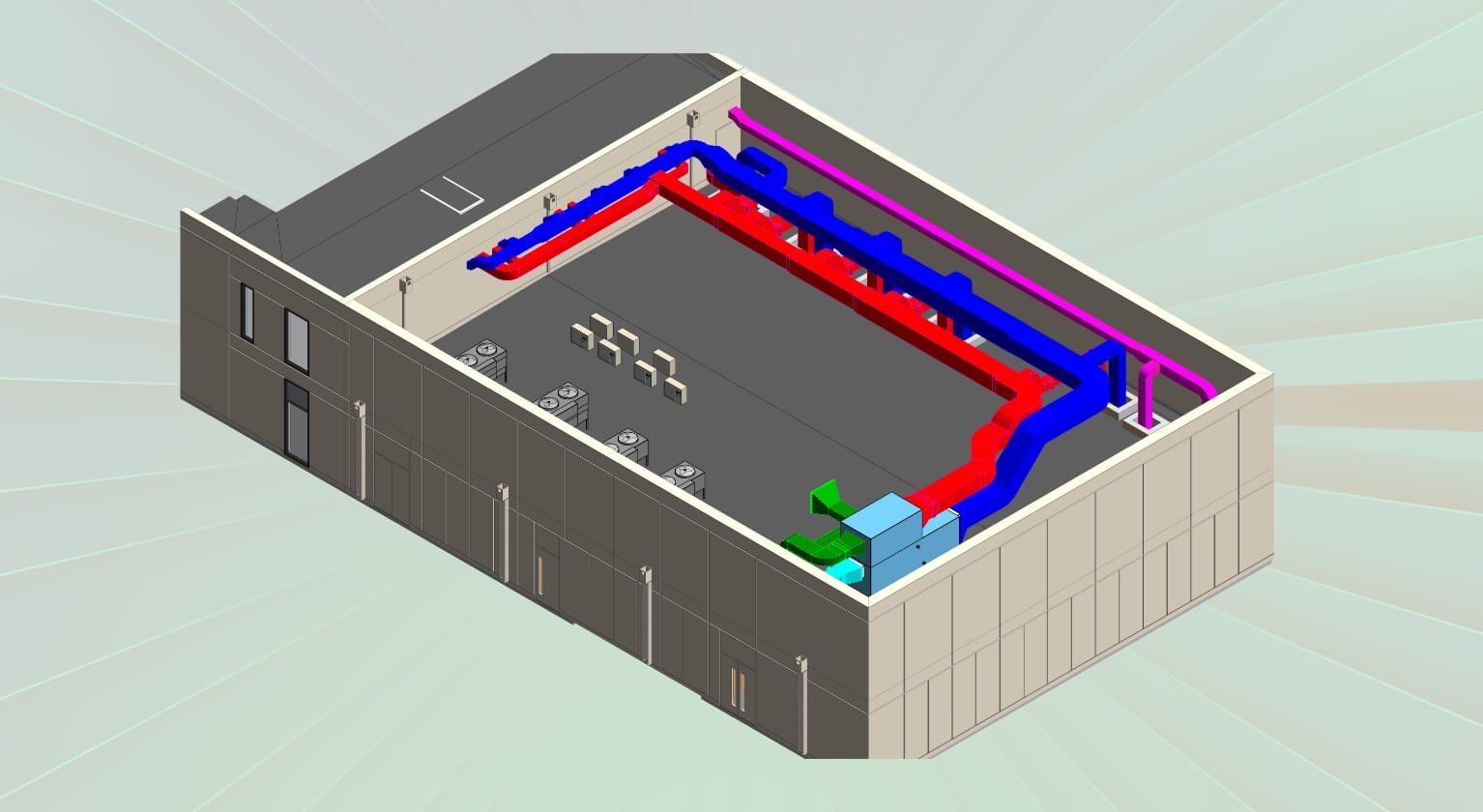
Mechanical, electrical, and plumbing play pivotal roles as they are considered the heart of any construction project. An effective MEP consists of proper infrastructure functionality that helps create a livable, comfortable environment. However, MEP systems are complex to design to maintain harmony between the three systems. Any rework in the MEP services can be costly and time-consuming, which leads to understanding how building information modeling is effective for cost analysis in MEP projects.

Impact of BIM on Cost Analysis in MEP Projects

In the landscape of architecture and construction, cost and budget plays a foundational role. Without accurate costing of the project, taking the construction process ahead is nearly impossible. Accurate cost estimation is crucial for project success. It allows project resources to be distributed effectively for all stages. It is evident to accurately finalize the budget and strictly adhere to it as it helps to ensure profitability of the building project. However, the traditional cost estimation methods often lead to inaccuracies and inconsistency that result in cost overrun, delays, and mismanagement of project resources. This is why the use of building information modeling comes into focus. As a matter of fact, BIM technology has been beneficial for architects, engineers, and other professionals in various construction areas. It is one of the most beneficial and significant proven results displayed in MEP BIM services.

Considering the sheer importance and role of MEP systems, BIM technology helps in a variety of segments to ensure proficiency, accuracy, and efficiency. The impact of BIM project management on the construction process is a game changer. It comes in the spotlight in achieving significant cost savings. Let’s explore some major benefits of implementing MEP BIM services for cost analysis and savings.

Benefits of Implementing MEP BIM Services for Cost Analysis

Accuracy in Quantity Takeoffs
Visualization of Cost Impacts
Real-Time Cost Tracking
Life cycle Cost Analysis
Better Coordination and Communication
Improved Resource Allocation and Management
  • Accuracy in Quantity Takeoffs:- Integrating BIM into MEP projects allows professionals to perform accurate quantity takeoffs by fetching data from the 3D BIM model. This helps reduce manual overwatch and errors while offering accurate estimations of materials for MEP systems installation.
  • Real-Time Cost Tracking:- BIM technology helps maintain quantity takeoffs. It also allows MEP engineers and contractors to keep a real-time cost track that helps control budgets and informs project scheduling.
  • Visualization of Cost Impacts:- The 3D BIM model offers accurate visualizations of the entire project and better visualizations of cost, as the entire team can be associated with design changes and optimize the MEP systems to meet performance requirements within the estimated budgets.
  • Better Coordination and Communication:- BIM services improve collaboration and communication among professionals and stakeholders. By integrating BIM in MEP systems, clashes, and conflicts are detected at early stages, resulting in minimized costly rework.
  • Improved Resource Allocation and Management:- Integrating BIM facilitates efficient resource management for every MEP component, ensuring the accurate selection of vendors, pricing, and other details that help minimize cost and budget overruns.
  • Life Cycle Cost Analysis:- BIM is a groundbreaking technology that helps during construction and has also proven beneficial after construction. It helps to enable cost analysis using data for MEP maintenance and operation efficiency. This results in cost analysis in facility management and optimizing asset performance and value.

Implementing MEP BIM coordination services offers more significant benefits in the cost control and budgeting process of the MEP components and the other stages of construction. Besides, it also provides accuracy in MEP projects in various ways that lead to their success—implementing building information modeling fosters clear communication between the stakeholders, owners, and other professionals involved in the project to align the cost objectives.

Concluding Remarks

Cost estimation and management are significant areas of construction projects that demand quality control and attention. As the rise in technology has benefited the entire AEC realm, BIM is a groundbreaking technology for AEC professionals to be clear about cost estimation, management, and resource allocation, along with maintaining efficiency, quality standards, and accuracy in building projects. UniquesCADD is a leading BIM company, offering segments of BIM services and MEP services with a team of trained professionals and the use of cutting-edge technology.

Significance of BIM Services in Smart Cities Development

Building information modeling has altered the reality of the architecture and construction industry as well as changed the future of cities around the globe. In the ever-growing landscape, BIM services are evolving digital processes that aim to contribute significantly to facing the new challenges of urbanization. In the modern era, BIM is one of the groundbreaking technologies, as it not only eases the complex construction process but also associates with the idea of smart cities around the globe. BIM has a long list of benefits, including bringing a collaborative approach to AEC professionals in any project. However, the rapid challenges of urbanization have one solution: the development of smart cities.

In fact, the emergence of smart cities is a comprehensive solution that addresses many challenges of urban living by leveraging the latest technologies and innovations to enhance efficiency, sustainability, and overall quality of life. Urban planning is a technical and socio-political process that aims to deliver better living integrated with technology.

Efficiently Plan Smart City with 3D BIM Services

bim services

Since the beginning of urbanization, many cities have been using limited natural resources integrated with modern technologies. As a matter of fact, the idea of a smart city was initially popularized in 2010 to improve urban conditions with the use of ICT- information and communication technology. The sheer need for smart cities became evident from the threats of climate change and rising concerns about environmental changes. The concept of an intelligent city stems from offering adequate solutions to challenges posed in urban living, such as

  • Overgrowth of the urban population
  • Inadequate services and infrastructure
  • Poor protection and safety of citizens
  • Environmental Threats
  • Economical Instability

Smart city development is the pinnacle of urban planning and development. A comprehensive solution to improve standards overcomes the challenges posed. Although the design of smart cities is always complex, BIM plays a significant role in smart city development. The need for smart cities is rapidly increasing, so the use of advanced technologies becomes an evident process. The use of BIM services significantly eliminates the complexity of delivering efficient outcomes. Let’s explore how BIM project management plays a significant role in smart city development.

Understanding BIM for Smart City Development

Adopting technologies has become one of the pivotal solutions for thriving in the growing economy. Considering the constant emergence of technology and innovations, sectors must align with standards. Similarly, in the AEC sector, BIM services have become necessary to efficiently and accurately complete construction projects. With the help of BIM project management, AEC professionals have enhanced the overall process and quality of the project while minimizing the risk factors in the complex process.

In fact, integrating IoT in construction processes is transforming how infrastructures are constructed, designed, and engineered and how cities are shaped. Since BIM services are a holistic approach and create data-rich intelligent models, building information modeling is used as a prominent analysis tool to create digital models consisting of streets, buildings, water supply, parks, and other infrastructures.

Apart from that, the role of BIM project management in smart cities is multifaceted, from planning to management of urban cities. As innovative city development plans require intricate planning, building information modeling can help to achieve greater efficiency, accuracy, and sustainability for future endeavors. Let’s explore some of the benefits of BIM for developing smart cities.

Benefits of BIM for Smart City Development

Enhancing Planning and Design
Promotes Sustainable Development
Better Construction Efficiency
Streamlines Project Management
Improved Communication and Collaboration
  • Enhancing Planning and Design:BIM project management enables strategic solutions with 3D detailed models and efficient planning for the entire project. This facilitates better visualization and helps professionals to make informed decisions.
  • Better Construction Efficiency: Constructing a smart city demands efficiency from the initial stages. BIM helps streamline the process, reducing errors, costs, and material wastage. It also facilitates faster project completion.
  • Promotes Sustainable Development: Sustainability is key to a smart city, and BIM services stimulate energy usage. Building information modeling is a game changer in the sector as it facilitates sustainable design options with precisions.
  • Streamlines Project Management: Smart city is a newer concept of the new world. The development of a smart city is a complex process for various reasons. It is categorized into various stages for accurate and efficient development. BIM project management brings effective tools that can maintain, plan, and analyze the different stages, ensuring each stage of the construction is precise. Development of smart cities by BIM technology also helps in energy management, providing precise data for professionals to be informed.
  • Improved Communication and Collaboration: As the planning of smart cities is developed with numerous professionals, keeping them on the same page becomes evident. 3D BIM modeling offers enhanced visualizations, real-time changes, and accurate data for experts to foster collaboration in different aspects of urban development.

These are some of the key benefits of BIM technology for building smart cities for better urban lifestyle. Adopting BIM services enhance planning, construction, and management while contributing to sustainable solutions through energy simulation and analysis methods. The robust technology also helps to optimize material utilization and reduce waste that results in saving the environment. Moreover, the use of BIM technology can primarily overcome some significant urban challenges with a holistic and strategic approach.

Since urban development is time-consuming and has various goals to achieve, it is better to outsource BIM technology. The comprehensive approach of outsourcing BIM can foster many designated benefits, as the team of professionals can work dedicatedly using cutting-edge technologies. UniquesCADD is one of the leading BIM company in India, helping various sectors achieve architecture and construction project success with prominent implementation of BIM technology and other services such as structural BIM services, architectural, and more. As compared to having an in-house team of BIM experts, it is beneficial in multiple ways to outsource BIM technology, such as;

  • Better Project Outcomes
  • Timely Project Delivery
  • Talented Team of Resources
  • Assured Quality and Accuracy
  • BIM Consultation

Final Words

BIM services are one of the technologies in the architecture and construction field that are booming quickly due to their long list of benefits. Considering that, BIM has become a cornerstone technology, especially in the development of smart cities, offering result-oriented outcomes in a seamless and coordinated way. Also, embracing BIM for smart city development can overcome construction challenges with a strategic approach and deliver a sustainable solution.

Revit Family Creation Services for Architectural Design

In the ever-evolving architecture and construction industry landscape, technology and innovation are the prime pillars of staying ahead of the competition and being efficient. Over the years, the sector has witnessed some significant changes that have provided various advantages as well as given a new curve in the modern architecture realm. Traditional methods and approaches in the AEC sectors were eliminated when building information modeling was first introduced. Today, in modern times, BIM services need no introduction as every architect, designer, engineer, and other AEC professionals comprehends and leverages the power of BIM technology in the modern infrastructure project that delivers top-notch quality, precision, and efficiency in the project.

With time, architecture has improved and adapted to the new curve as services continue to evolve. However, as services become more prominent in the AEC sector, the advancement in tools and software has also progressed with innovations.

Enhance Your Next Construction Project with Revit Family Creation

bim services

The impactful integration of advanced software tools has become significant for various services to perform. Among a variety of different tools and software present today in the architecture and construction industry, Autodesk Revit stands out in the market for its long list of benefits, comprehensive capabilities, and more for BIM services. BIM offers AEC with a long list of advantages, including

  • Clash detection and resolution
  • Enhanced Project Outcomes
  • Better Accuracy
  • Coordination and Communication
  • Cost Estimation
  • Sustainable Design Options
  • Less Errors and Material Wastage

Speaking of Autodesk Revit software, Revit was conceived in 1997 with the scope of bringing parametric modeling to the construction industry. Besides, the software allows architects and other professionals to curate 3D parametric models with all the necessary details. Revit is one of the prominent and impressive technologies in today’s modern architecture. One of the prime advantages of Autodesk Revit is the Revit family creation services. With the help of impressive and groundbreaking technology in the architecture and construction industry, architectural design services have become more accurate and efficient, resulting in the project’s overall success. Let’s understand how the AEC sector is offering exceptional project outcomes with Revit families for architectural design.

Importance of Revit Family Creation Services for Architectural Design

Revit is one of the revolutionary technologies in the history of the BIM family, as it offers numerous features and advantages that enable Architects and engineers to save time and money. In the modern era of architecture, Revit has gained a pivotal position as it offers Revit family creation services. Revit families are the components that help to build the BIM model with project elements such as walls, windows, stairs, lights, furniture, doors, and more. Each type of the Revit family has different shapes, sizes, materials, variables, and more. Moreover, these can also be customized according to the project’s requirements. For example, specifications of colors, shape, material, size or parameter variables to define the project in a more effective and immersive way. Therefore, revit family creation for architects and designers helps to perform well and deliver the top-notch quality.

Any changes in the type of Revit family for BIM services are thoroughly updated in every instance of the project. For example, when changing the height of one window in the Revit family, the change is updated instantly throughout the project. This signifies the pivotal role of Revit family creation services, offering enhanced collaboration for AEC professionals to be informed and make the right decisions. As a matter of fact, the Revit family is categorized into three types following are;

  • System families
  • Loadable families
  • In place families

The three families mentioned above can be customized per the specific project and design requirement, enabling AEC professionals to have a curve for creativity, flexibility, and precision in the design process. On the other hand, architects and engineers need to be well-versed in software and aware of common Revit tips and tricks to save crucial time and complete tasks efficiently. The tips and tricks can be beneficial in numerous ways as Revit family creation services revolutionize architectural design services. Therefore, in the AEC realm, accuracy and efficiency are paramount to every construction project; hence, Revit families for architectural design offers a variety of benefits, such as:

Revit Families for Architectural Design offers a variety of benefits

Enhanced Design Accuracy
Cost Savings
Enhanced Visualizations
Standardization
Time Efficiency
Infrastructure Resilience
Improved Collaboration
Custom Family Creation
  • Enhanced Design Accuracy:- Revit families for architectural design services ensure the components and elements in the model are strictly according to the project’s dimensions and specifications. This reduces the scope of errors and inconsistencies in the model.
  • Time Efficiency:- With proper usage of revit tips and tricks and knowledge, architects and designers can save time. On the other hand, the predefined families in the software accelerate the design process and enhance the quality.
  • Cost Savings:- With minimized errors and an accelerated design process for architectural design services, the approach and workflow are aligned according to the plan and streamline the flow, contributing to cost savings, reduced rework, and less material wastage.
  • Improved Collaboration:- Implementing Revit family creation services facilitates better collaboration and communication because their major feature is that any single change is implemented across the project, enhancing the coordination among architects, designers, and engineers.
  • Standardization:- In the complex architecture and construction process, standardization throughout the project is vital. With the help of Revit Families BIM, professionals standardize the project while enhancing quality, pension, and consistency.
  • Custom Family Creation:- In architectural design services, architects and designers can easily create custom Revit families according to the project and client specifications to ensure the components and elements fit seamlessly into the overall project and provide all functionality.

Architectural design holds a pivotal role in the AEC realm. In addition, the transformation of AEC realms came with the inception of BIM services, which are further progressed and aligned with Autodesk Revit and Revit families for architectural design services and mechanical, electrical, and plumbing systems, ensuring the entire project is carried out with top quality, accuracy, safety, and efficiency.

Wrapping Up

Revit family creation services play a major role in bringing fruitful outcomes for the project. They also enhance visualization of walls, doors, ceilings, and more, making it easier for clients and stakeholders to understand the depth of the construction. In fact, the three categorized families serve the purpose of making the project authentic and lifelike.

Crucial Role of BIM for Project Managers and Planners

With the rapidly growing popularity of building information modeling technology, the AEC industry has witnessed a series of new technologies. The constant evolution and emergence of new innovations have transformed architecture and construction with a new outlook to plan, design, and construct a project. As a matter of fact, the complex processes are now carefully catered to by new technologies and software that serve the purpose with precision and efficiency. In today’s modern era, the only motive for the AEC industry is to deliver the best. This is all possible with the implementation of BIM modeling services. Moreover, it is considered one of the most technological revolutions in the industry as it provides ease of project management and various other benefits.

The inception of BIM technology has had a significant impact on the AEC industry, with multiple benefits. Today, architects, engineers, and collaborators cannot imagine working without BIM. BIM has delivered some exceptional results and has become mandatory in some countries by the government. BIM applications are implemented through the construction process, including pre-and post-construction, and they also maintain the lifecycle of the building. Above all, using BIM modeling services has resulted in enhanced communication, collaboration, and visualization.

In the modern era, the AEC industry always looks for novel ways to excel in projects with effective strategies to reduce costs, errors, and waste of materials. Here, building information modeling services plays a significant role. The 3D digital model helps manage the project from start to finish of the reconstruction process. As a matter of fact, BIM models are effective tools in the architecture and construction industry that can stimulate the entire project in a 3D digital model for realistic visualizations.

Embrace Your Next Construction Project with BIM Technology

bim services

It’s not limited to offering a virtual view of the project but also facilitates the cost, BIM level of development, realistic visualization, MEP integration, and more. BIM for project management is also crucial, easing complex procedures and bringing effective solutions for construction project managers and planners. However, first, let’s understand a generic overview and why the use of BIM is a must for project managers and planners.

Overview of Building Information Modeling

The architecture and construction adopts new technology to deliver the best outcomes possible. While constructing any infrastructure, project management and planning processes holds a significant position. Additionally, staying ahead of the trends and market curves is essential for project success. AEC in present times has developed with technology. BIM technology is no new concept and has become widely accepted as a powerful construction methodology. BIM has strengthened the AEC industry and secured its future with upcoming trends, innovation, and technology, enhancing the result. BIM modeling services represent a paradigm shift from traditional 2D drawings to comprehensive and accurate 3D digital data-rich models that encapsulate every project detail that is required in the construction process.

A 3D visual model helps stakeholders and collaborators visualize, simulate, and analyze various aspects of the project in detail. Moreover, it enhances communication and collaboration at different stages of the process, as any changes made in the model are commonly updated with files shared with AEC professionals. The following are some of the benefits of building information modeling.

  • Streamlining the construction workflow
  • Reduces time, cost, and errors
  • Improve project efficiency
  • Better visualization
  • Informed decision making
  • Effective architectural construction documentation
  • Enhanced data management
  • Reduced project timeline
  • Accuracy in project
  • Sustainable design options

Above is a glimpse of BIM benefits, although there are a variety of reasons for choosing BIM for construction. Since its inception, it has significantly offered accuracy and efficiency in the construction process, regardless of the type of project. In contrast, project managers and planners must utilize BIM technology as it can be overwhelming and chaotic without any planning or management of the project. It can leave professionals with stress throughout the completion of the project. Hence, here, the role of BIM for project managers is essential. Furthermore, let’s explore in detail how the role of BIM is important for project managers and planners.

Building Information Modeling for Project Managers

For any project to succeed, effective planning and management are significant to start the project. Mismanagement in planning can have disastrous results, an expensive and time-consuming process. It can be an overwhelming and chaotic process if projects are not appropriately catered, resulting in significant loss, errors, and rework. Hence, BIM’s effective role for project managers is an effective solution to enhance and accurately plan the entire project. Building information modeling aids the project manager’s roles and responsibilities as it offers a centralized system, allowing managers and other professionals to be equally involved.

Furthermore, the effective use of BIM services also provides seamless integration of data and ideas that can effectively eliminate errors faced during the pre and post-construction stages. In the architecture and construction sector, precision, quality, and efficiency are paramount in any architecture project. Therefore, let’s look at how BIM modeling services can be an imperative solution for project managers to plan, design, and construct.

Building Infomation Modeling for Project Managers

Accurate Timeline for Delivery
Enhanced Communication and Coordination
Eliminating Rework and Errors
Facilities Management
  • Accurate Timeline for Delivery:- Delivering the project within the timeline period is one of the pillars of success for any project. As a project manager, it becomes necessary to define the project timeline and delivery simultaneously to achieve success. Implementing BIM modeling services in construction projects can determine an estimated timeline along with cost estimations, accelerating the effectiveness of the planning functions.
  • Enhanced Communication and Coordination:- Communication and coordination are key to successful project results. With prominent communication, professionals involved in the construction project must communicate well and coordinate with others. In such scenarios, BIM for project managers can be an effective solution as the use of BIM technology facilitates effective communication, allowing team professionals to coordinate well according to project requirements.
  • Eliminating Rework and Errors:- BIM services help the 3D data-rich model identify potential clashes that require significant time, design rework, and resource wastage. In fact, early risk mitigation helps phase out the redesigning on site.
  • Facilities Management:- The role of a project manager isn’t limited to the pre-construction stage of any project. The manager tends to facilitate the post-stage of construction, majoring in facility management, to ensure the required information for operating and managing the infrastructure is delivered throughout its lifecycle. The BIM centralized model helps ease project managers’ process of bringing the necessary information.

The prominent use of BIM in construction projects is more than just providing a digital representation of the project. As a matter of fact, the constant evolution in technology gives a promising future outlook for the BIM and AEC sectors. BIM reduces the burden of the project manager and ensures the entire project is catered to with accuracy and efficiency. There are multiple reasons why choosing BIM can be an effective and reliable option. As a matter of fact, implementing an in-house team of BIM modelers can be an expensive way. Hiring a third partner for significant services and result-oriented solutions is beneficial. Choosing a reliable BIM company in India is advisable for outsourcing such crucial services in the AEC industry.

Concluding Remarks

As compared to earlier times of the AEC sector, project managers have become a significant role player in modern times. As they oversee every aspect of the stage to ensure accuracy, efficiency, and quality results in the project. In fact, BIM modeling services have entirely reshaped the industry and emerged as a game changer by offering new opportunities for architects and designers.