 Parth Patel
6 minutes
 Parth Patel
Any construction project demands precision and efficiency, as they are key pillars of project success. In the AEC landscape, there are various construction projects that differ from one another. Commercial, residential, industrial, and other types of projects have different sets of guidelines that are evident to follow. Since every project demands MEP precision, it is the heart of the construction process.
Constructing only a structure isn’t the end goal, but making the infrastructure functional is very important. It is impossible to live in a building that isn’t functional in terms of insufficient water flow, electricity, ventilation, and more. All this makes the building a functional and livable environment for occupants. Nonetheless, MEP components must be installed without any clashes, conflicts, and maintain harmony to avoid any mishappenings in the property.
To ensure components are seamlessly integrated into designs, MEP BIM services are a comprehensive approach that enables professionals to minimize the scope of errors through enhanced visualization. Due to complexity, MEP components are technically curated for engineers to understand. Here, the MEP drafting services are a game-changer for architects, engineers, and other professionals. The complex nature of MEP demands precision and efficiency, which are key to project success.
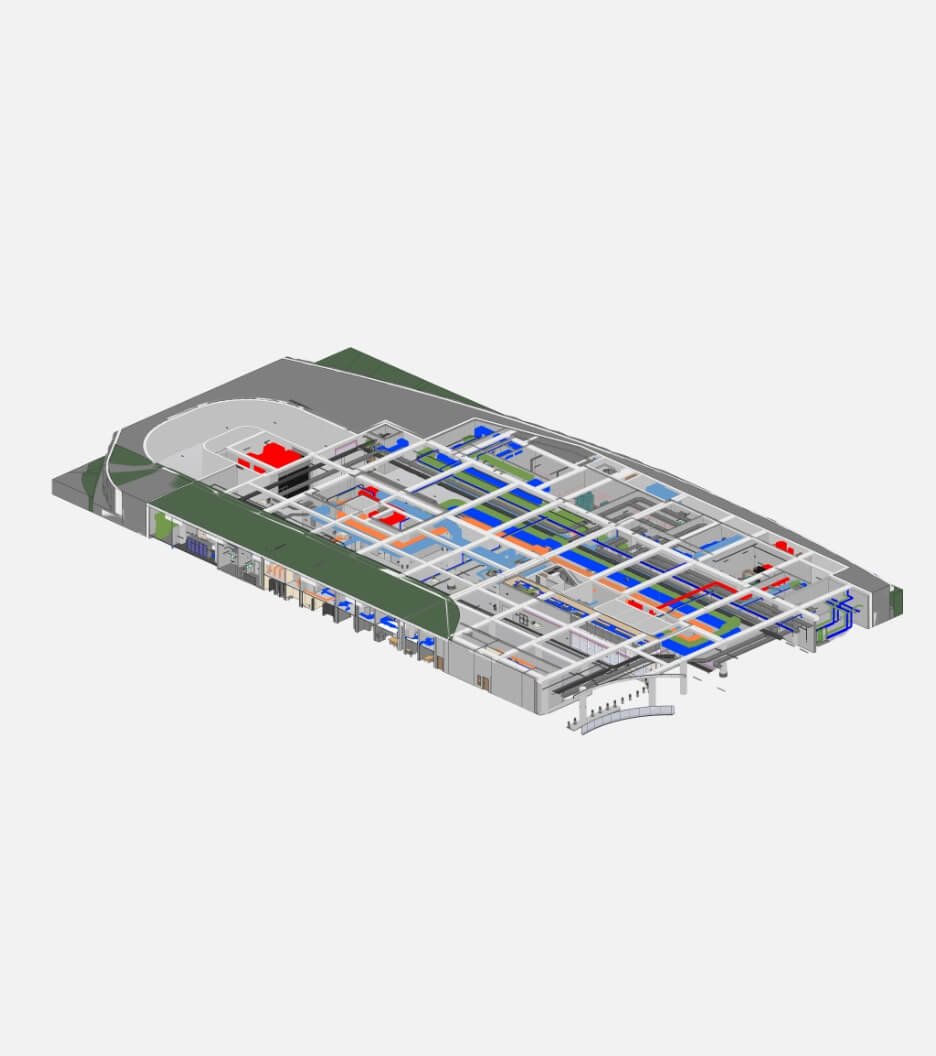
In the modern AEC realm, commercial properties have varying designs and guidelines, although MEP disciplines must adhere to commercial infrastructure design standards. Commercial MEP drafting is a holistic approach that helps to minimize errors and ensure a smoother construction process according to design. Moreover, commercial building designs in the modern era are complex and consist of curved architecture contributing to minimalism, aesthetics, and modern-looking infrastructure. As a matter of fact, high-rise building MEP design and commercial building design ensure the infrastructure safety, longevity, efficiency, and more.
In the modern construction landscape, a building is more than just walls and a roof; it is a complex, living organism. MEP BIM drafting acts as the central nervous system of this organism, providing the technical blueprints that ensure a structure is breathable, powered, and functional.
Let’s explore in detail how MEP drafting has evolved from simple 2D line drawings into high-fidelity, data-rich 3D models that predict a building’s performance before on-ground work begins.

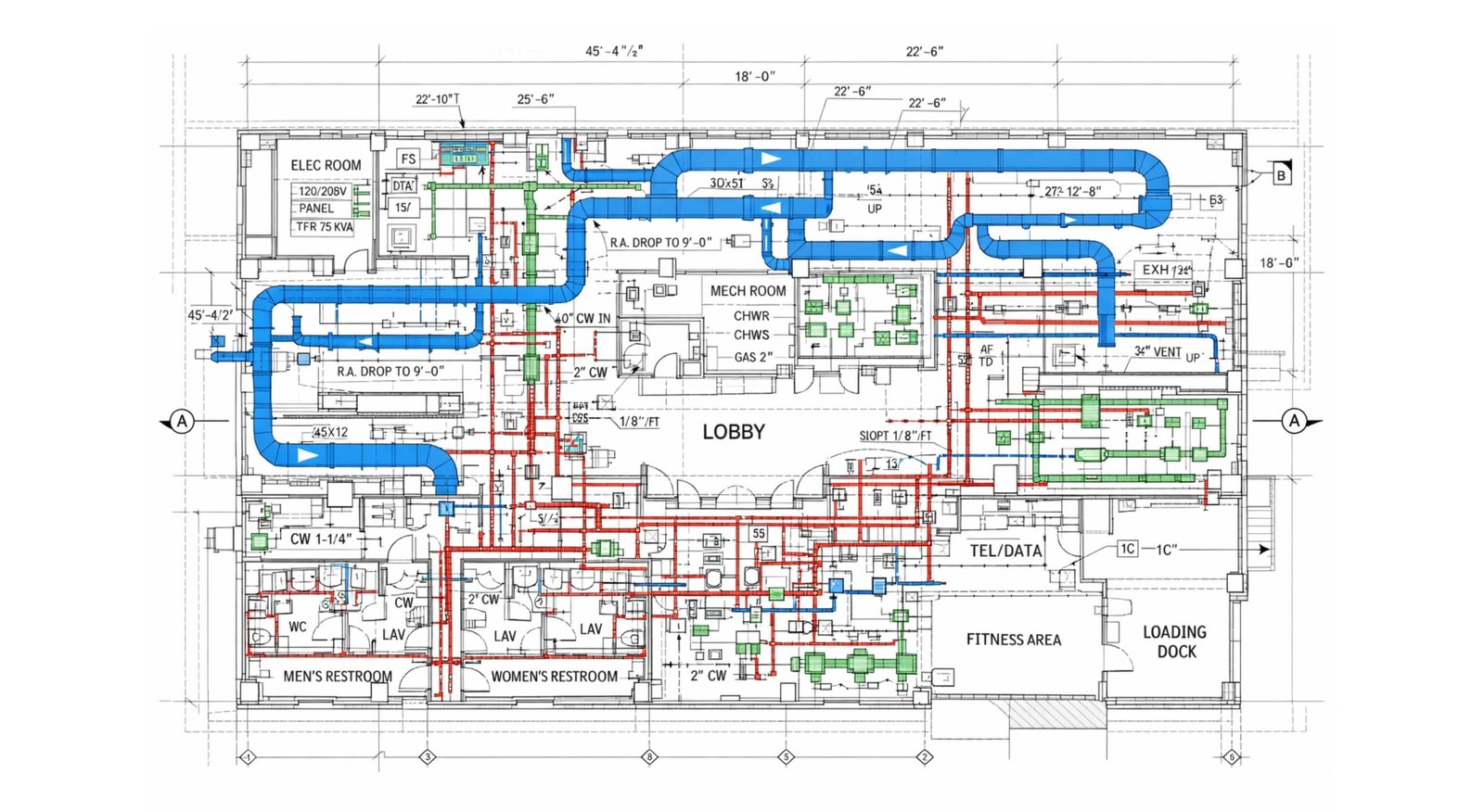
In the vast and evolving fields of architecture and construction, drawings are a major part. Traditionally speaking, constructing a commercial use infrastructure took a significant amount of time in competing. Due to manual methods of measurement and labour, the traditional approach was costly as well as prone to errors. With significant transformation, it was replaced by BIM services that enable AEC professionals to enhance communication, coordination, visualization, and approaches to constructing infrastructure. Today, BIM has become an irreplaceable technology that has evolved with time. However, it doesn’t mean drawings or technical sketches have vanished. MEP shop drawings for separate disciplines are key factors in the installation of MEP components in modern architecture.
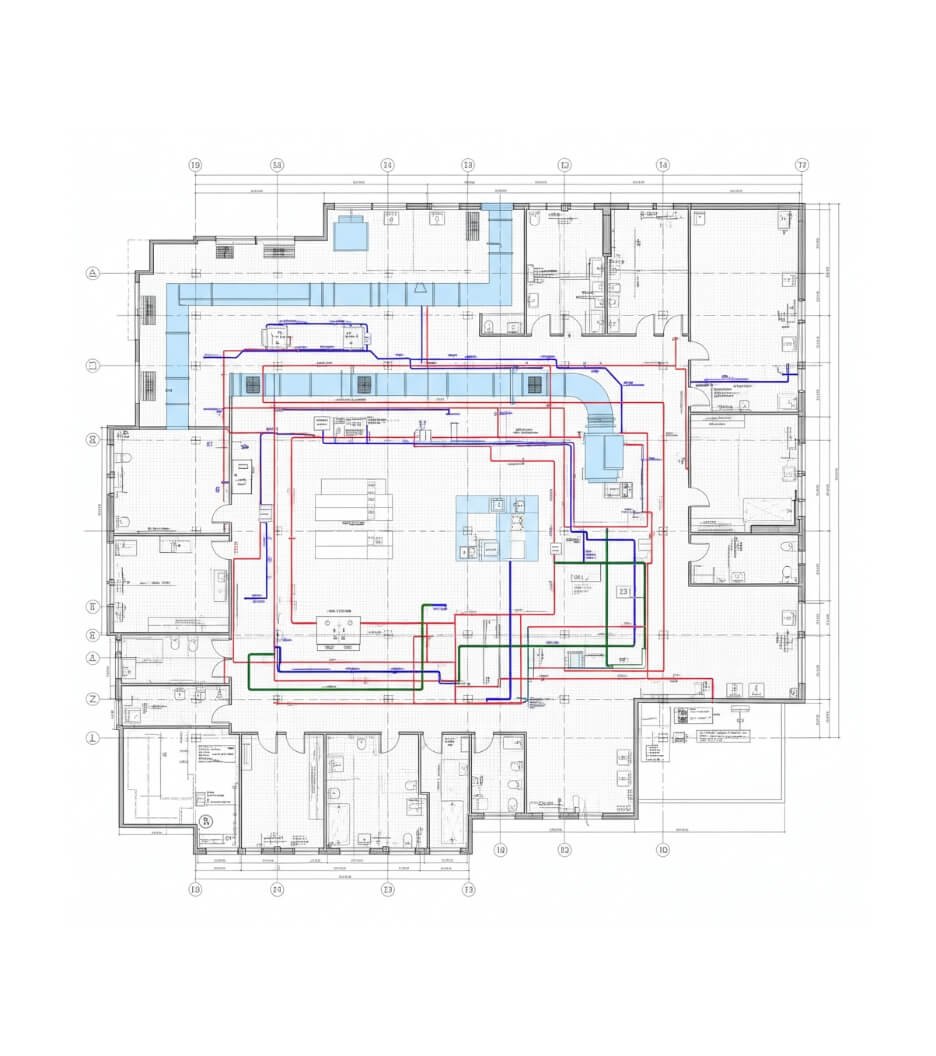
MEP BIM drafting services (Mechanical, Electrical, Plumbing)create detailed technical drawings and 3D models for a building’s essential life-support systems, ensuring HVAC, power, lighting, water, and waste systems are precisely designed, coordinated, and installed for safety, efficiency, and compliance with codes, using software like CAD/BIM to integrate everything seamlessly with architectural plans. These plans guide contractors, prevent costly errors, and ensure occupant comfort and building functionality. MEP drafting services involve creating detailed technical drawings and models for the three core pillars of building infrastructure:
These three components, along with fire safety, play a crucial role players in successful building design. The significant use of BIM and MEP drafting, construction drawings enables the conversion of engineering outlooks for functional building design. Let’s understand the basic shift and the further importance of commercial MEP drafting.
Traditional CAD (Computer-Aided Design) is being rapidly replaced by BIM (Building Information Modeling). While CAD provides the “geometry,” BIM provides the “intelligence.”
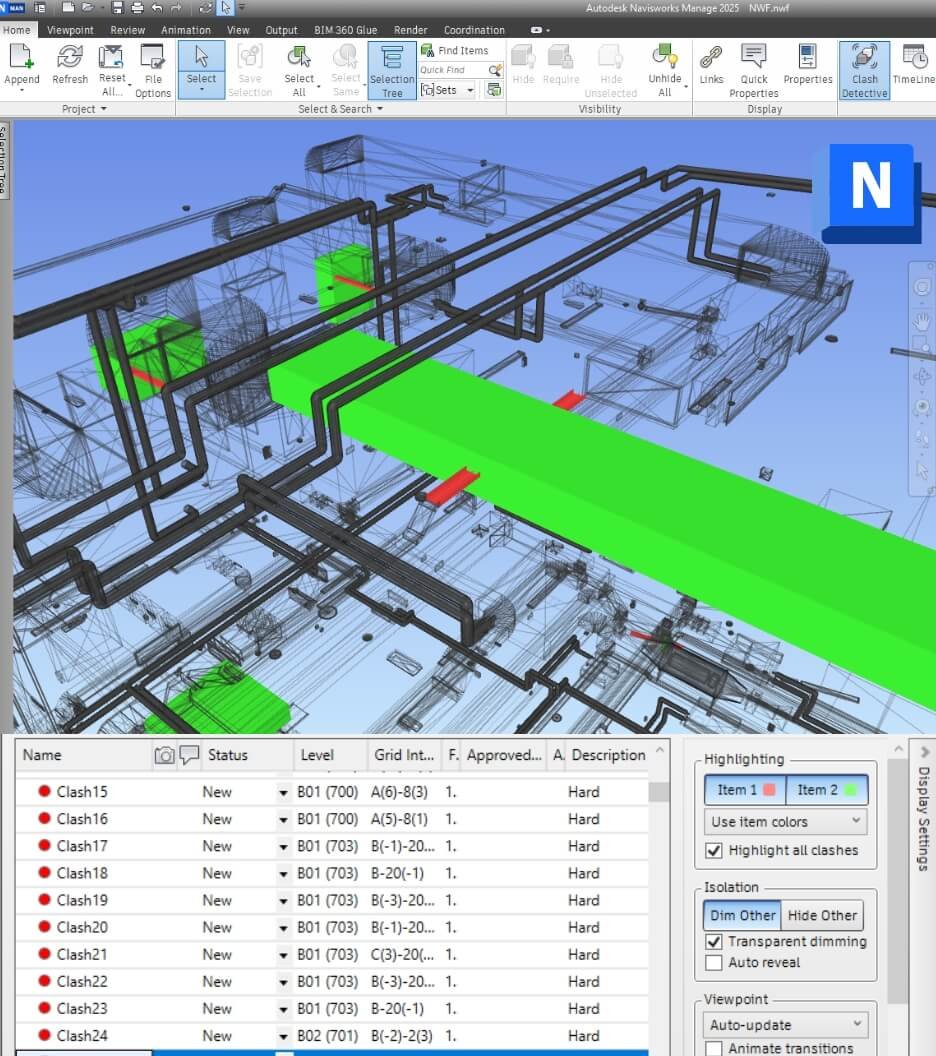
In a BIM environment, a pipe isn’t just a line; it contains data about its material, manufacturer, flow rate, and maintenance schedule. This enables Automated Clash Detection, where software like Autodesk Navisworks automatically flags when a plumbing pipe runs through an electrical panel, saving thousands in on-site rework.
Key Benefits of Professional MEP Drafting
Mechanical, Electrical, and Plumbing (MEP) systems are the “central nervous system” of any modern structure. In the context of commercial complexes and high-rise buildings, these systems become exponentially more complex.
While a small residential home might function with basic layouts, a 50-story skyscraper or a sprawling shopping mall requires surgical precision. This is where MEP Drafting—the process of creating detailed technical drawings and 3D models—becomes the difference between a high-performing asset and a logistical nightmare.
High-rise buildings face unique physical challenges that standard buildings do not. MEP drafting is essential to manage the “stacking” of services across dozens of floors.
In commercial construction, a “clash” occurs when two building elements—for example, a large air conditioning duct and a structural steel beam—are designed to occupy the same space.
Commercial buildings are massive energy consumers. Detailed MEP drafting is the primary tool used to hit LEED certification or green building standards.
For high-occupancy commercial spaces, safety isn’t optional—it’s heavily regulated. MEP drafting ensures that life-safety systems are fail-proof.
A commercial building’s lifespan is 50+ years. MEP drafts (specifically “As-Built” drawings) serve as the ultimate owner’s manual for facility managers.
As briefly discussed, MEP construction drawings and drafting are essential to ensure their accuracy and efficiency. Moreover, MEP coordination drawings, drafting, and BIM require expertise, knowledge, and the latest technology. While AEC firms are occupied with a variety of tasks on a project, outsourcing is one holistic approach for professionals. Nonetheless, outsourced MEP drafting services have become quite common in the AEC field, allowing experts to overcome common technical challenges and ensure a smooth construction process. By having accurate, detailed drawings, AEC professionals face fewer conflicts, avoid costly rework, and reduce clashes.
Clash-free MEP drafting design with a team of professionals contributes to streamlining the MEP disciplines into a BIM model without any major design changes. Outsourcing MEP BIM drafting services helps AEC firms to enhance the overall construction process with quality, safety, and precision. Moreover, it is a cost-effective approach that allows AEC professionals to focus on the project’s core task. For commercial high-rise MEP drafting, partnering with a reliable BIM service provider brings a plethora of benefits, such as
UniquesCADD is a top BIM company with specialization in BIM services and MEP drafting services. With significant years of experience and a professional team, UniquesCADD aims to offer accurate and efficient drafting services for commercial, industrial, and residential project types.
MEP drafting is no longer just a “support” task; it is a foundational requirement for modern architecture. For developers, it reduces risk and overhead; for contractors, it provides a clear roadmap; and for occupants, it ensures a safe, comfortable, and efficient environment.
Parth Patel
With over 5 years of experience in the BIM industry leading diverse BIM projects across the USA, UK, UAE, Australia, and Canada, I bring expertise in architectural modeling, scan-to-BIM, restoration projects, and facility management. As a Process Owner at Uniquescadd, I specialize in team management and client coordination, ensuring seamless project delivery. My journey with Uniquescadd has refined my skills in advanced BIM tools and strategies, enabling me to deliver innovative solutions. Passionate about optimizing workflows and enhancing project efficiency, I am dedicated to driving success through excellence and collaboration.
Bringing your vision to life with a skilled team that creates structures accurately as you imagine with the latest technology and the best market rates.



 +91 78746 60832
 career@uniquescadd.com

603, Times Square Grand, Sindhu Bhavan Road, Thaltej, Ahmedabad, Gujarat 380059

719, Seventh Floor, Tower 2, World Trade Center, Kharadi - Pune 411014