Mahipal Jadeja
7 minutes
 Mahipal Jadeja
Digital transformation is key to success. In the ever-evolving era, the architecture and construction sectors consistently upgrade with technologies, innovations, and digital transformation. The AEC realm continues to evolve with a digital approach as it is no longer a strategic option but has become a vital need. The consistent pressure to optimize performance, enhance decision making, adapt to rapid changes, and more. Traditional methods and approaches in the architecture and construction realm lack accountability, precision, time efficiency, and other aspects.
With the advancement in technology and demand for accuracy, efficiency, and reliability in building design. As the modern era was significantly growing, the curve of architectural design and increasing complexity was becoming an obstacle. Therefore, the implementation of building information modeling enabled AEC professionals to enhance the lengthy and complex process.
This has created a significant transformation in the AEC sector, enabling professionals to enhance collaboration, improve communication, increase productivity, and project visualization, among other benefits. All this results in project accuracy, efficiency, and safety in the construction without consuming significant time. Moreover, the construction industry has slowly adapted the technologies to meet the rising demand of efficiency, sustainability, safety, and accuracy. Integration of BIM architectural services in construction projects has enabled architects, engineers, and other collaborators to adopt a significant approach and achieve project success.
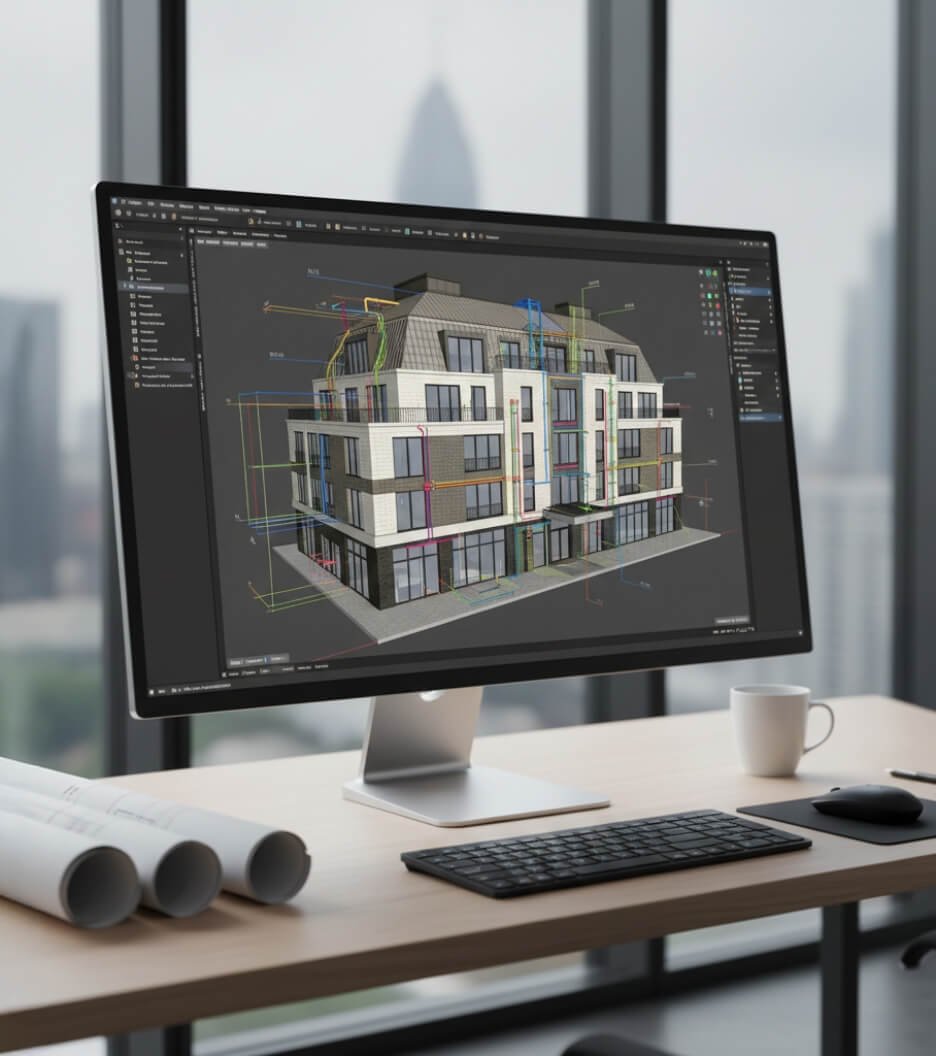
BIM is a technology that allows AEC experts to visualize the entire construction project in digital format with physical and functional characteristics. The 3D model provides deep insights into the construction project, making it easier for AEC professionals to collaborate and communicate, and ultimately, make informed decisions.
However, BIM isn’t the only end goal; as the technology improves, integrating with other reliable innovations can help achieve complex project designs. Other technologies, such as IoT, GIS, AI, and more, help BIM modeling services to offer unprecedented insights and extreme levels of accuracy. BIM with GIS and IoT is a transforming approach for building smarter cities, utility mapping, transportation, and roadway projects. This digital technology integration improves decision-making and quickly offers precise outcomes. Let’s understand in detail why this integration matters and how GIS and IoT can be helpful in building information modeling.
Digital transformation in today’s world isn’t just a strategic approach but has become an integral part to stay ahead in the competition. AEC landscapes have continuously seen waves of transformation. This technological emergence has enabled architects and other experts to ensure accuracy and efficiency in the construction project. Data has become a powerful source that is heavily relied on for decision-making and offers significant insights that have accelerated the complex process. The architecture and construction industry is constantly facing pressure to enhance performance, improve processes, decision-making processes, adapt to changes and technologies, and more.
With the help of powerful technologies like BIM and other advancing innovations, AEC professionals can unlock insightful ways to enhance the current approach, optimize performance, minimize errors, and accelerate the construction project. Integration with the latest technologies is highly beneficial for AEC professionals for managing large and complex projects.
Technologies like IoT, GIS, and more, combined with BIM architecture services, enhance real-time construction monitoring, predictive maintenance, performance optimization, weather prediction, and more. Integration in the modern era is not only a necessity but has become a mandatory approach for professionals to meet the complex demands and enhance accuracy. Delve deeper into the benefits of BIM for smart cities development, including its integration with GIS and IoT. Initially, let’s understand building information modeling as a common link.
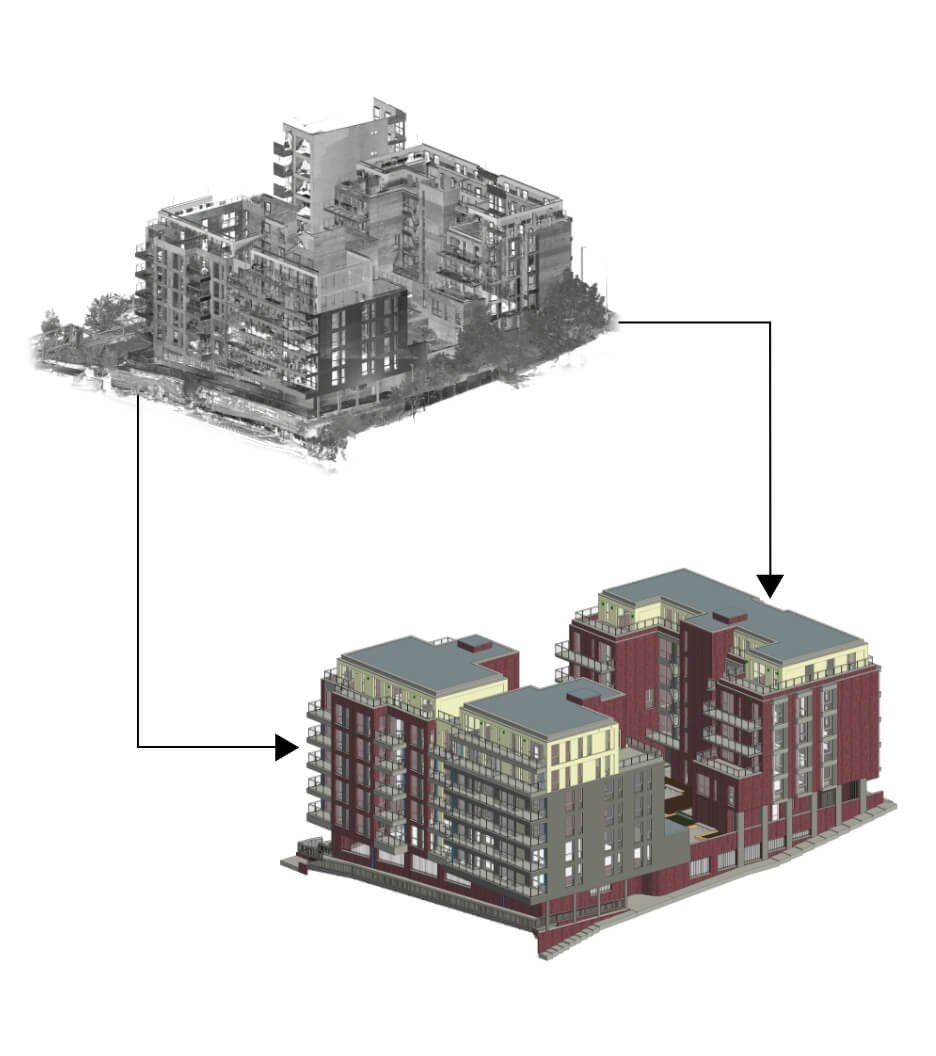
In the architecture and construction realm, BIM has become a primary and indispensable technology for architects, engineers, and other collaborators. It offers a 3D digital representation of the project that entails precise information as well. This specifically allows AEC professionals to enhance the process of construction, improve efficiency and accuracy, offer detailed insights, enhance communication and collaboration, and more. The 3D BIM model entails functional characteristics and geometrical data that are associated with the project.
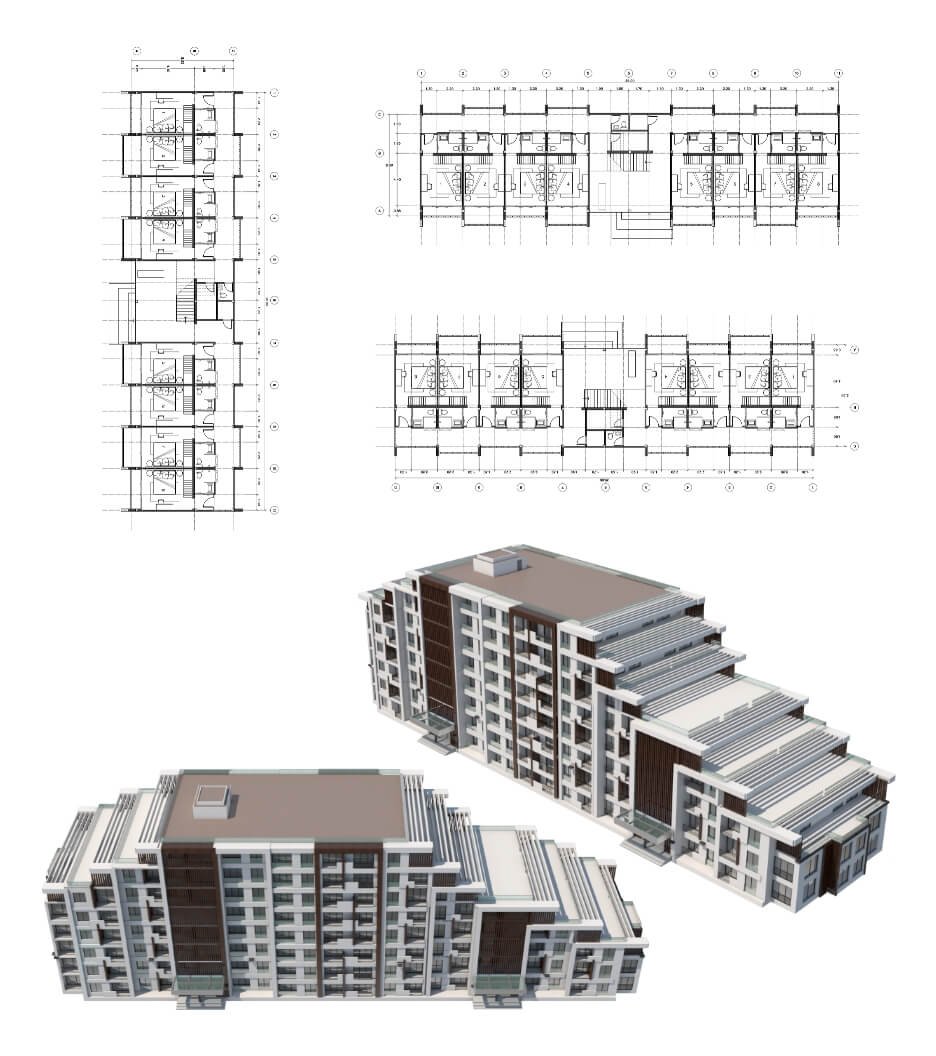
Architects, engineers, and other professionals can efficiently enhance collaboration and communicate through a single platform. BIM model also entails architectural, structural, MEP, interior, and other segments of construction to represent the entire project. With structural modeling services to architectural visualization services, AEC experts can seamlessly collaborate and communicate for efficient construction completion. From document management to 4D construction sequencing, it helps to make informed decisions and efficiently manage project life cycle. BIM and GIS integration help with complex and large-scale projects. Explore briefly about GIS for projects.
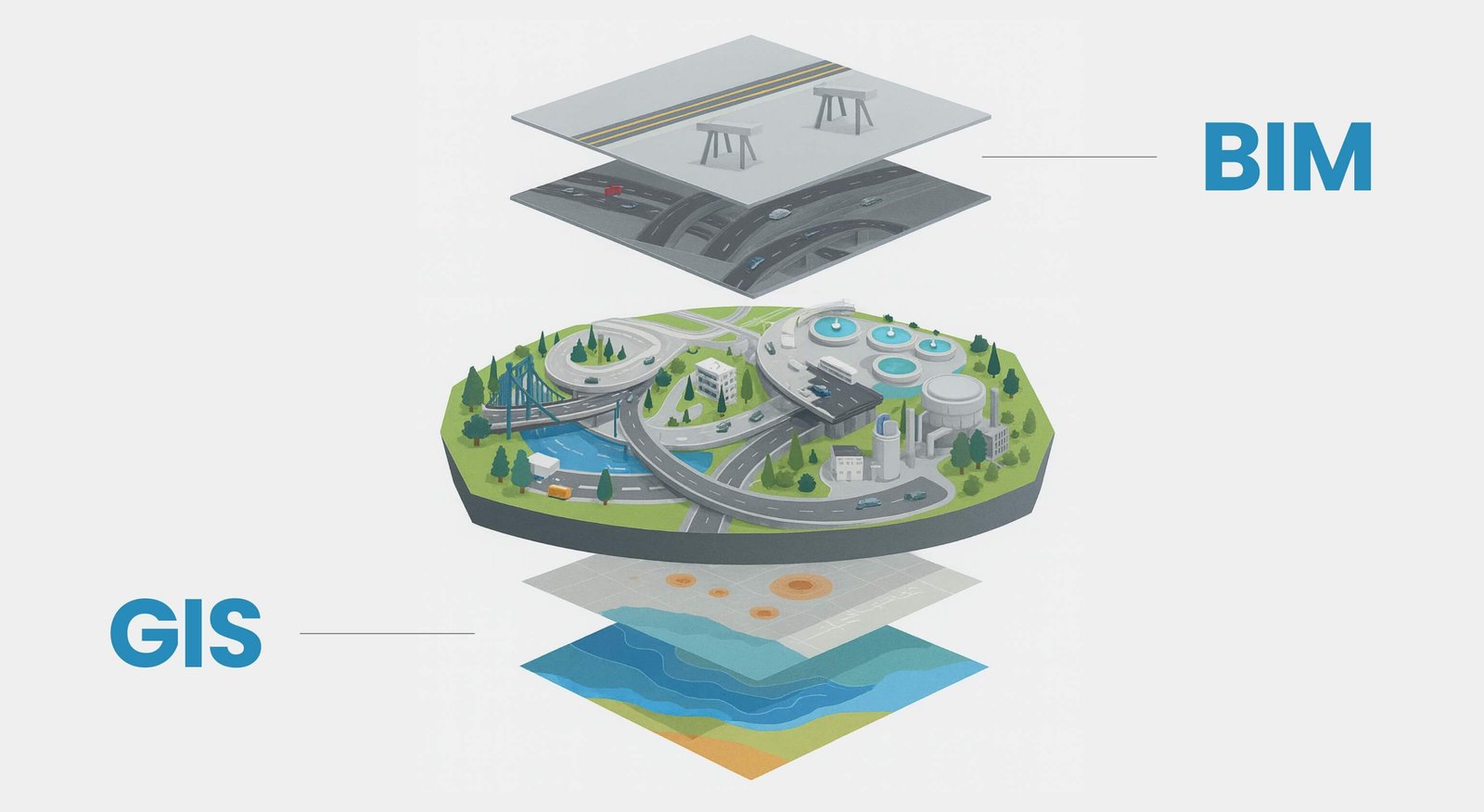
2D and 3D representations of geospatial shapes are created using GIS in BIM. Typically, GIS provides information about nature and builds environmental assets and geographical factors. It is a system that collects, creates, integrates, manages, analyzes, and visualizes the spatial data using maps. GIS for construction projects enables professionals to gain a detailed understanding of patterns, geographic context, and spatial relations, allowing them to make informed decisions about facility management, operation, and maintenance of the building project. The following are some of the key benefits of GIS in the construction landscape;
With the benefits mentioned above, it is significant to integrate this technology with building information modeling that transforms the outcomes with efficient and accurate results. Here are further insights into BIM integration with GIS technology.
As previously discussed, BIM and GIS are clear examples of vital and resourceful innovations in the architecture and construction landscape. GIS integrated with BIM technology provides real-time data on assets within the existing environment, enabling designers and engineers to understand design complexity better. This makes the 3D BIM model more enriched with more information that is used to improve all the assets within the larger area for operations and maintenance. Integration of the BIM and GIS model is improved for all asset interactions and relations within geography. Moreover, the BIM GIS model includes all information about infrastructure functionality, planning, design, construction, and operation stages. Following are some of the BIM-GIS integration applications;
These applications can vary depending on the project’s complexity and type. There are numerous benefits of integration of GIS and BIM, as follows;
GIS is slowly becoming an indispensable tool in urban planning and city modeling projects. With the help of BIM, GIS technology offers unparalleled benefits that enhance the quality of the project, optimize performance, and reduce potential project delays. Not only GIS but also other technologies integrated with BIM enhance the project quality and resolve the complex nature of design.
With the emergence of technology, designing smart buildings, modern sustainable architectural planning, and more are becoming common, GIS and IoT with BIM bring comprehensive solutions. Let’s briefly understand BIM and IoT integration and how it is beneficial in the modern AEC realm. Before delving into this, here is an insight into IoT.
IoT is increasingly becoming popular in different industries, specifically in the architecture and construction landscape. IoT involves attaching unique identifiers to physical objects, enabling them to connect to a designated network. This physical connection between objects facilitates data transfer. Usually, such objects are equipped with sensors, software, and other technologies to facilitate connection and data exchange with systems, objects, or any other devices through high-speed internet.
As a matter of fact, IoT systems include objects such as people, animals, plants, appliances, mechanical equipment, and building components. When these devices produce data, it is usually utilized for various purposes such as environmental monitoring and control, process optimization, efficiency improvement, and more. It enhances communication and interaction among individuals through various components. There are various components of IoT, some of them are;
These components describe different functions to bring enhanced solutions. From enhanced functionality to reducing cost, IoT components are most useful when integrated with innovative technologies. The following are some of the benefits of IoT;
With the significant benefits of IoT, it is beneficial in the architecture and construction realm to bring insightful results. Here’s a brief discussion about building information modeling and IoT.
Saving time and money on construction projects is one of the primary goals in architecture and construction. With the help of BIM services, AEC professionals have significantly reduced the cost and minimized the errors. However, BIM and IoT integration have great potential for insights into building performance, enabling AEC experts to make quick, informed, and enhanced decisions. From tracking energy consumption to material usage, integrating IoT into BIM helps to optimize the construction process while also reducing the overall cost of the project.
Moreover, IoT technology continues to develop with the advancement and emergence of innovations that will significantly impact the AEC realm. Integrating IoT in BIM architectural services results in a plethora of advantages, from real-time data to maintaining transparency between stakeholders and other collaborators. Moreover, it also helps to identify clashes, errors, and conflicts that are quickly resolved within the time. The following are some benefits of IoT integration with BIM;
These are some of the benefits of IoT and BIM. Collectively, this allows AEC professionals to monitor the real-time updates that deeply impact the quality of construction and improve the functional aspect of the building. Improving the overall efficiency of the project, IoT focuses on three different aspects of the BIM modeling project, following are;
BIM and IoT integration have become a significant part of the architecture and construction industry. From tracking weather updates for construction to improving overall efficiency, it is one of the tremendous technologies to implement. However, integrating emerging technologies into the BIM approach isn’t an easy task. It demands specialized skills, technology knowledge, proficiency, expertise, and more. It is advisable to outsource with a BIM services provider who constantly stays updated with trends and the latest technology. Delve into the details of how outsourcing BIM modeling services represents a holistic approach for AEC firms.
Outsourcing has become a common concept in different industries, especially in the architecture and construction sector. Partnering with a reliable BIM outsourcing service ensures integrated GIS and IoT technologies that enhance project quality and deliver efficient outcomes.
A team of professionals and BIM experts is well versed with the process, understands the emergence of new technologies, and optimizes the efficiency of the construction project as well. UniquesCADD is a renowned BIM company with extensive years of experience and use of cutting-edge technology that aims to deliver accurate and efficient results. Partnering with UniquesCADD brings a variety of benefits, as follows;
Integration of GIS and IoT in BIM architectural services is slowly becoming an indispensable tool to streamline operations and enhance construction quality for modern designs.
Mahipal Jadeja
Uniquescadd is an industry leader in architecture and BIM, offering state-of-the-art solutions for modern construction needs. As Digital Marketing Manager, I am responsible for driving our online presence, including managing website branding, content marketing, and the publication of informative blogs. I ensure that our messaging resonates with our audience while keeping the brand aligned with current industry trends. My role also involves promoting Uniquescadd across various digital channels to establish the firm as a trusted name in architecture and BIM services.
Bringing your vision to life with a skilled team that creates structures accurately as you imagine with the latest technology and the best market rates.



 +91 78746 60832
 career@uniquescadd.com

603, Times Square Grand, Sindhu Bhavan Road, Thaltej, Ahmedabad, Gujarat 380059

719, Seventh Floor, Tower 2, World Trade Center, Kharadi - Pune 411014