 Rahul Dogra
6 minutes
 Rahul Dogra
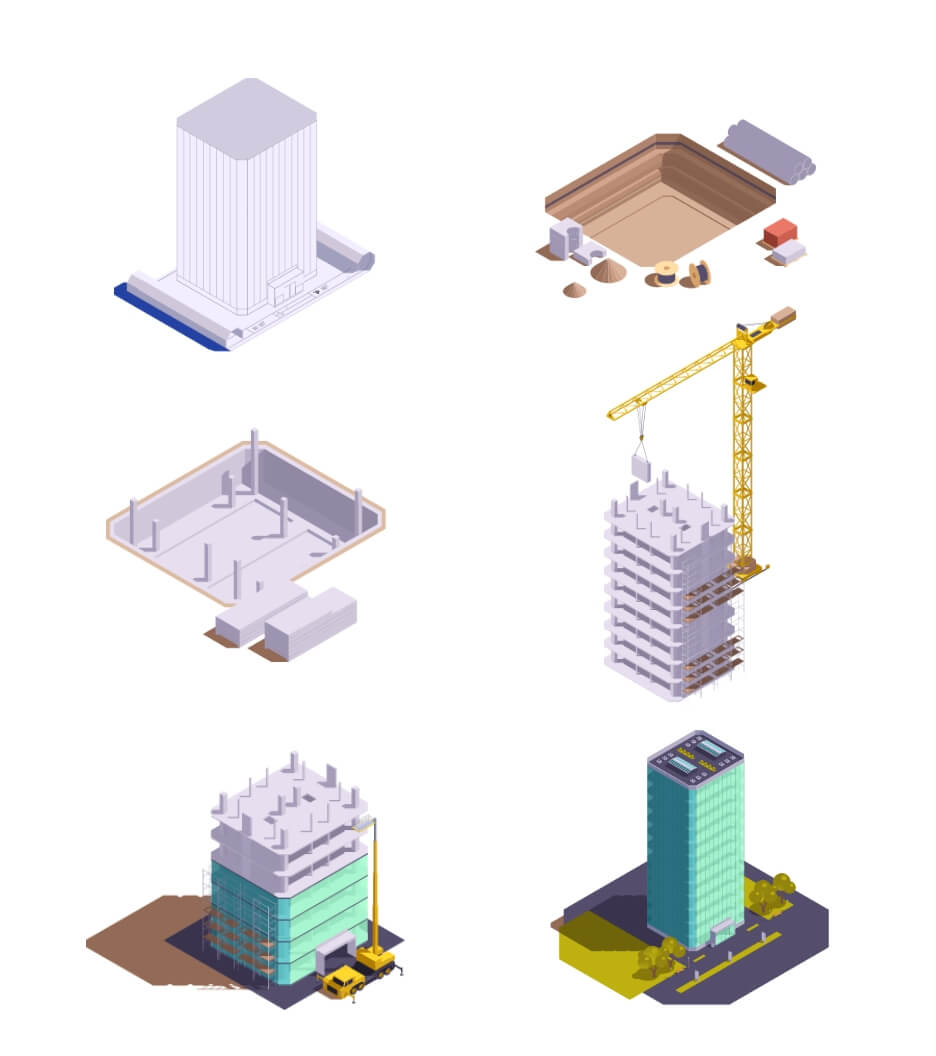
The architecture and construction landscape has grown over the years with technology and innovations. This transformation has enabled professionals to ensure precision, efficiency, and reliability in the complex and lengthy process. The architecture process comprises a series of stages that demand accuracy and efficiency, resulting in project success. Every minor detail in the stage is vital for facility management and the longevity of the building. The modern architecture and construction of every project are different and entail specific requirements that make it unique.
Recording every aspect of the construction project is a significant part of the long-term approach, as it helps in keeping the required information in one place. The importance of documentation in architecture and construction projects cannot be overstated. Every stage of the construction project must be documented to maintain the quality of information and value of the project.
The appropriate construction documents also ensure the project is completed within the decided timeframe and budget. Building information modeling is a holistic technology in the AEC sector that offers various benefits in modern architecture through its centralized platform. The 3D BIM model provides vital information that AEC professionals need to make informed decisions and ensure project quality. However, storing all the data in a model isn’t beneficial unless it is documented.
Here, the crucial role of construction documentation services comes into the spotlight. The success of any architecture and construction project depends on the efficiency of the process, although having hands-on, precise information is equally important. As a matter of fact, documentation of architectural projects enables professionals to effectively translate the design into a real, constructed building.
In the modern realm of AEC, drawings, documents, and other information play a crucial role, guiding every phase of the project and remaining important throughout the project lifecycle. Complete architectural documentation services are evident, as they ensure every stage of the project is well coordinated, accurate, and efficient as per the design. The importance of construction documentation cannot be neglected, especially in the modern era, where BIM is a game-changer and construction documents further help in project management. For a brief overview, let’s delve into construction document management and how it has become a pivotal role player.

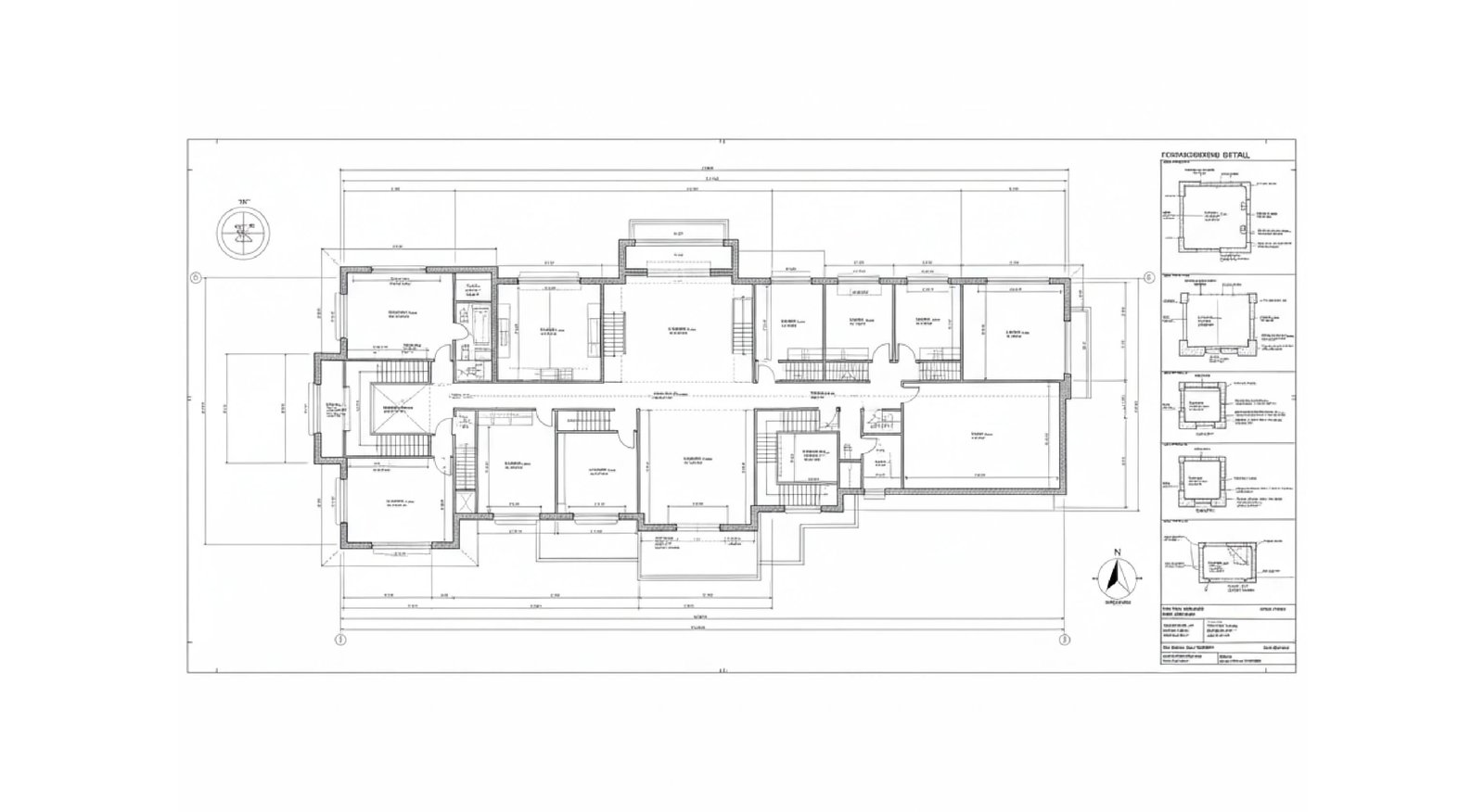
AEC is a vast field where technology and innovation are constantly reshaping approaches and delivering enhanced outcomes. Accuracy, safety, and efficiency are the key pillars of any architecture project. Having precise documentation leads to the seamless execution of the project design and ensures that all AEC professionals are updated on current changes. As building information modeling has become a transformative technology, documenting each project is key. Here, the role of construction documentation services is to highlight that allows AEC experts to have all the details and enables seamless coordination in the design. As a matter of fact, architectural documentation services refer to the creation of a comprehensive set of documents that provides detailed information for executing the entire project. This includes;
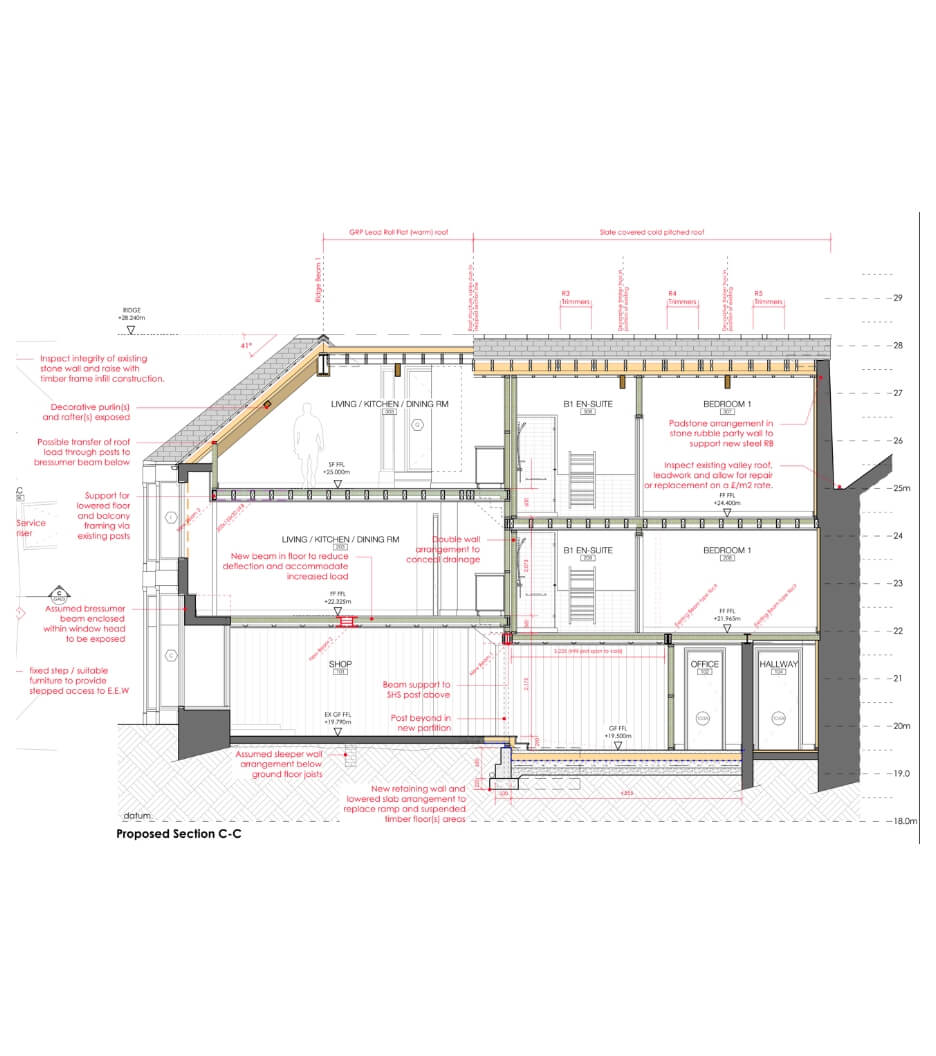
The initial step in the project’s construction is the architectural design. These designs are a significant part of the project documentation during construction, as they serve as a blueprint for architects, engineers, and other experts. With the help of construction drawings and records, AEC professionals rely on these documents to ensure the smooth, streamlined, and accurate execution of the project without errors or delays.
Furthermore, construction documentation also supports project lifecycle management and the renovation and remodeling of infrastructure. Detailed information allows experts to have a hand in accurate information, such as shop drawing sheets, materials, specifications, MEP component details, and more, which helps the renovation process. Not only this, but construction documentation services bring a variety of benefits; let’s look at them in detail.
As briefly discussed, the construction documents and records play a major role in project success. These documents hold specific information that is helpful throughout the project and even in renovation. As a matter of fact, construction project documentation plays a vital role while offering a long list of advantages. Following are;
The list of advantages of construction documentation is endless, leading to benefits for overall infrastructure projects. As a matter of fact, there are various types of construction documentation for AEC projects, each playing a different role. Explore the types in detail.
Understanding the importance of construction documentation and its benefits, AEC firms must explore the types of construction documents. With a long list of benefits and growing importance in the AEC landscape, different types of construction document management deliver optimized outcomes and help streamline complex processes with intricate details. The following are the major types:
With various benefits and types of construction documentation, expertise, knowledge, and skills are vital aspects. To curate accurate, precise, and efficient documentation, outsourcing construction documentation services is evident, as it helps ensure precision through the right use of tools and experts. Outsourcing project construction documentation offers various advantages that can be explored in more detail.
Construction project documentation demands precision, understanding of complex design and detailing, and use of the right technologies for AEC professionals. As it eliminates the errors, miscommunication, and improves coordination, outsourcing to experts is a comprehensive solution and cost-effective equally. UniquesCADD is a renowned BIM company with specialization in construction documentation services. With an expanded team of professionals and the use of the latest technology, UniqueCADD aims to bring accuracy and efficiency.
Implementing construction documentation services is not only a process but a significant approach ensuring seamless project execution. These detailed documents allow AEC professionals to enhance efficiency and collaboration.
Rahul Dogra
Rahul Dogra is a CEO at UniquesCadd. Having provided numerous solutions to the AEC industry, Rahul utilizes this forum to share his in-depth knowledge. Blending technological mastery and executive vision, he delivers fulfilling experiences that develop long-term associations with clients. Being an understanding leader, Rahul believes that a culture of honesty, dedication, accountability, and mutual respect is the key that helps UniquesCadd to deliver excellence each time.
Bringing your vision to life with a skilled team that creates structures accurately as you imagine with the latest technology and the best market rates.



 +91 78746 60832
 career@uniquescadd.com

603, Times Square Grand, Sindhu Bhavan Road, Thaltej, Ahmedabad, Gujarat 380059

719, Seventh Floor, Tower 2, World Trade Center, Kharadi - Pune 411014