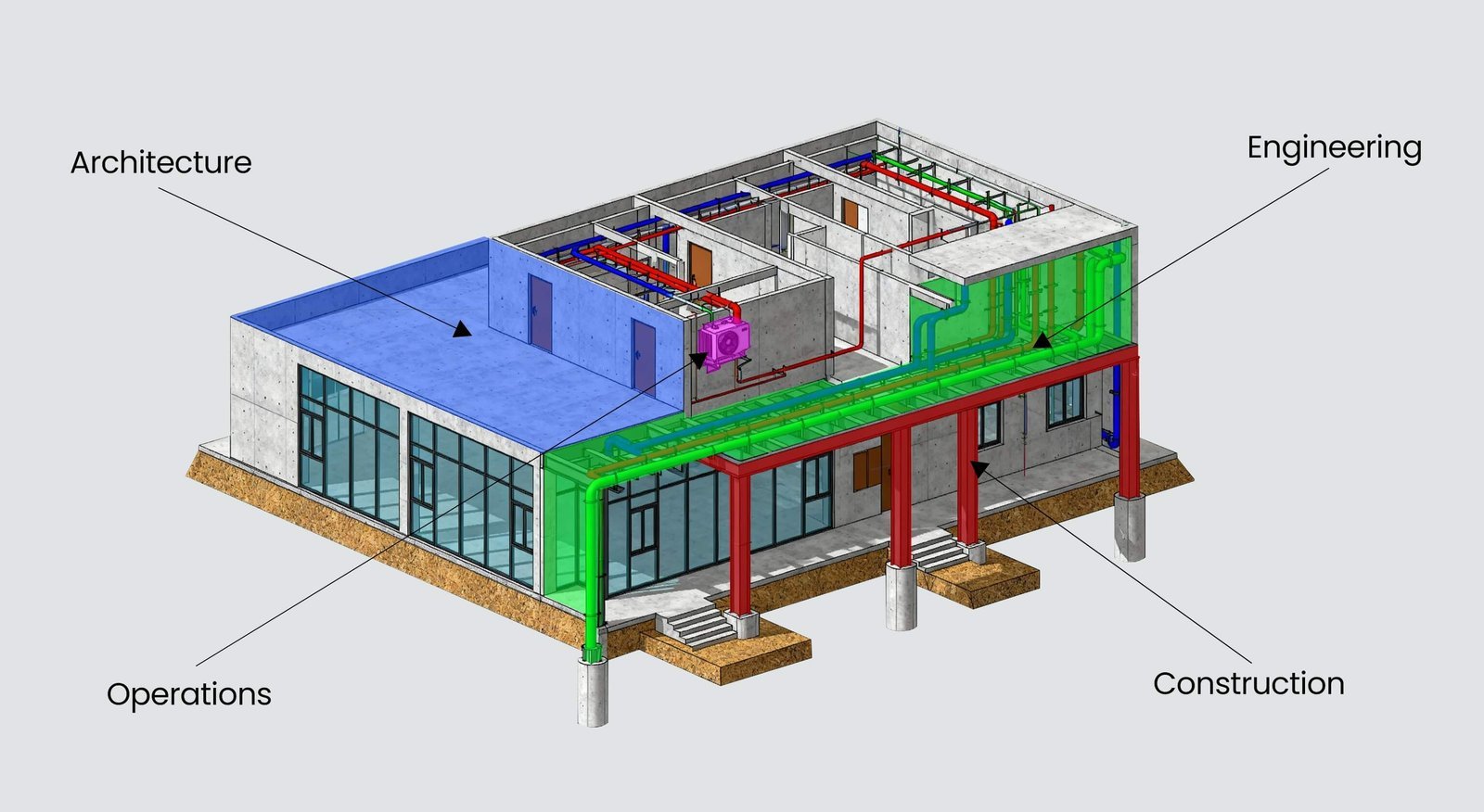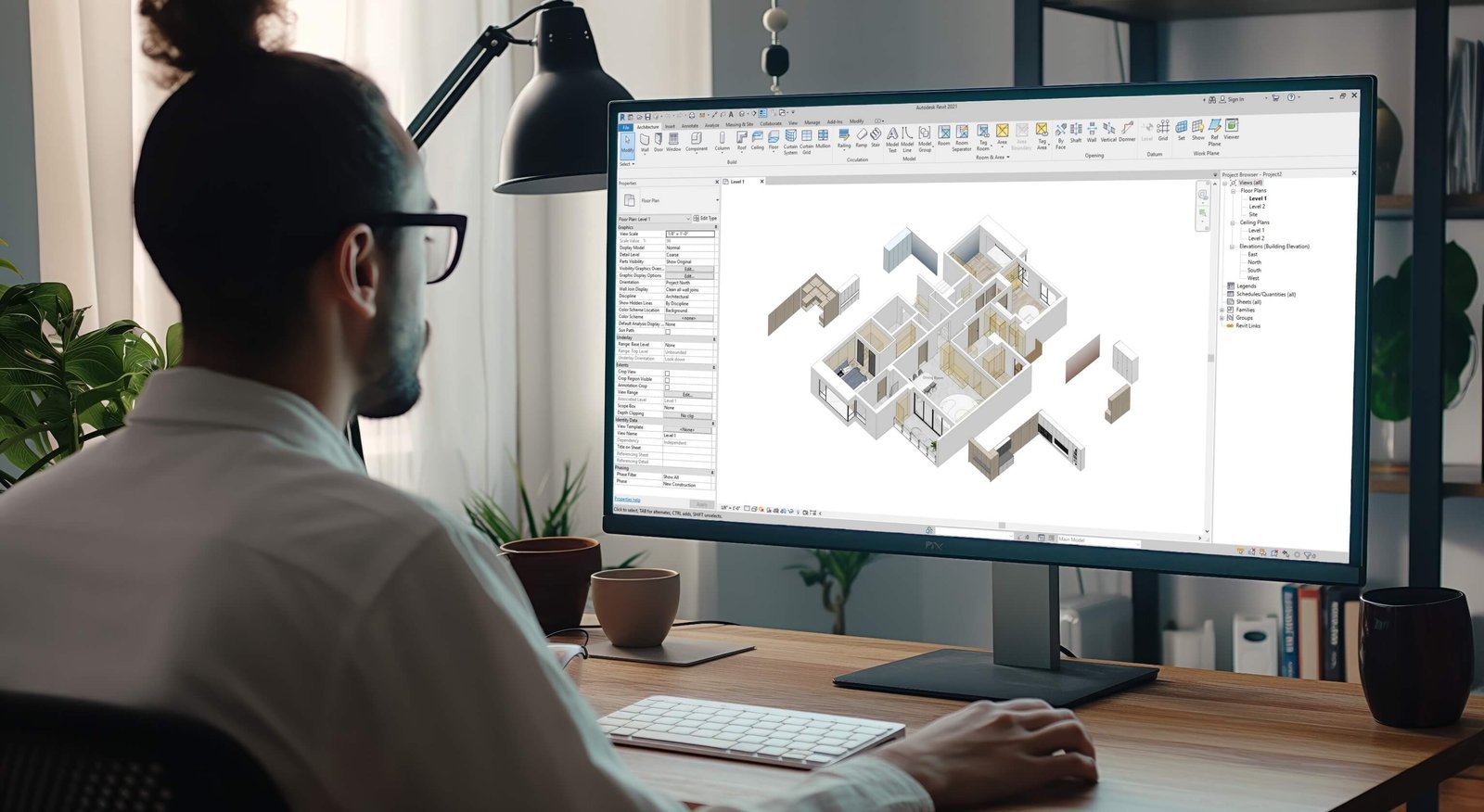
BIM is a key player in the AEC sector, turning complex workflows into streamlined and seamless processes. As the landscape has witnessed a drastic change in technology, approach and process, AEC experts continuously adopt BIM approach due to its benefits, process and ability of centralized platform. In the ever-growing architecture and construction industry landscape, emerging technologies have become paramount to success in each project. The constant evolution has resulted in modern architecture that demands more creativity, a streamlined work approach, unparalleled accuracy, and efficient end results to make the project successful. It is well-known that the architecture and construction industry is complex, time-consuming, demanding for accuracy and efficiency, and a creative field.
However, completing a project while considering all aspects becomes a challenge for AEC professionals, especially in the earlier times of construction when technology didn’t prevail in the industry. As time went by, the wave of technology hit all sectors, including AEC, and brought revolutionary changes in methodologies, work approaches, processes, equipment, skills, and more. This is when the inception of building information modeling came into existence and altered the entire working cycle of the construction and architecture realm.
With groundbreaking technology, the AEC sector utilized a new curve of creativity and improved architecture in modern ways. As we all see the buildings and infrastructure today, the marvelous and modernized structures amalgamate science and art that dwell together collaboratively. BIM services make it easier for architects, engineers, and other professionals to work collaboratively on projects to achieve desired goals.
The introduction of BIM technology is one of the revolutionary technologies witnessed by the AEC industry. With BIM architectural services, construction working techniques and methodologies have altered for better, more accurate, and more effective outcomes.
Enhance Construction Projects with BIM Construction Management
Get a Quote
In today’s time, BIM has become a mandate in a few countries as it offers multiple benefits, ensuring streamlined construction work, collaborative nature, cost-effectiveness, accuracy, less wastage of material, and more. Apart from these benefits, BIM construction management is one of the top advantages for architects, engineers, and other collaborators in managing the entire project on a centralized platform.
Since building any infrastructure consists of multiple stages that demand accuracy, BIM services help ensure the desired project outcomes with an enhanced decision-making process. For better clarity, let’s explore BIM project management in detail and how it helps in the success of very simple to complex projects.
Brief Detail of BIM Construction Management
Thanks to building information modeling (BIM), the architecture and construction realm has witnessed some profitable changes that have resulted in positive outcomes for AEC professionals. Soon after introduction to revolutionary technology, BIM has offered various benefits, ensuring the desired project is streamlined according to the requirements and under budget. More than that, BIM construction management is one of the most important advantages for architects and engineers, as it helps them keep track of the project throughout the different stages of construction.
Traditionally, the construction management in any project was overpowered by miscommunication, lack of data, inefficient workflow, complex and tighter timelines, and more, which has always led to misjudged or miscalculated insights into the construction project. However, BIM has provided a centralized platform that streamlines collaboration and efficient communication and offers enhanced project insights into the construction process. As a matter of fact, BIM is extensively used in complex projects that serve as a digital tool for planning, designing, constructing, BIM level of detail, enhanced communication, and more.
The 3D model enables insightful data, which may include geometry, material quantities, quantity take-off, dimensions, project stage schedules, and more. BIM project management also helps architects, engineers, and contractors work efficiently, enhance collaboration, and optimize project outputs. The following are some of the reasons why BIM has become a go-to tool in today’s construction realm.
Key Advantages of BIM AEC Realm
Enhanced efficiency
Analyze structure ecosystem
Reduce errors/ reworks
Facility management
Enhanced visualization
Improved cost analysis
Informed decision-making process
Better communication and collaboration
For multiple reasons, BIM allows different teams and professionals to work together, avoids delays or rework, and helps streamline the process at every stage. Since every phase of construction is different, the BIM level of detail offers accurate information for professionals to understand the project’s completion. Hence, BIM project management brings many benefits; let’s explore them in detail.
How BIM Project Management Enhances Construction Process
As already discussed, the various advantages of BIM technology and how it impacts the entire construction process. Moreover, this technology continues to evolve and influence the AEC realm to give a creative curve for architects and engineers. It also ensures that the architecture process helps AEC professionals complete projects according to requirements. BIM is a significant digital tool, especially for project managers as it helps to visualize and identify potential problems, and track the progress of construction. In this process, the BIM level of details plays a crucial role in helping AEC professionals understand progress and precisely track project completion.
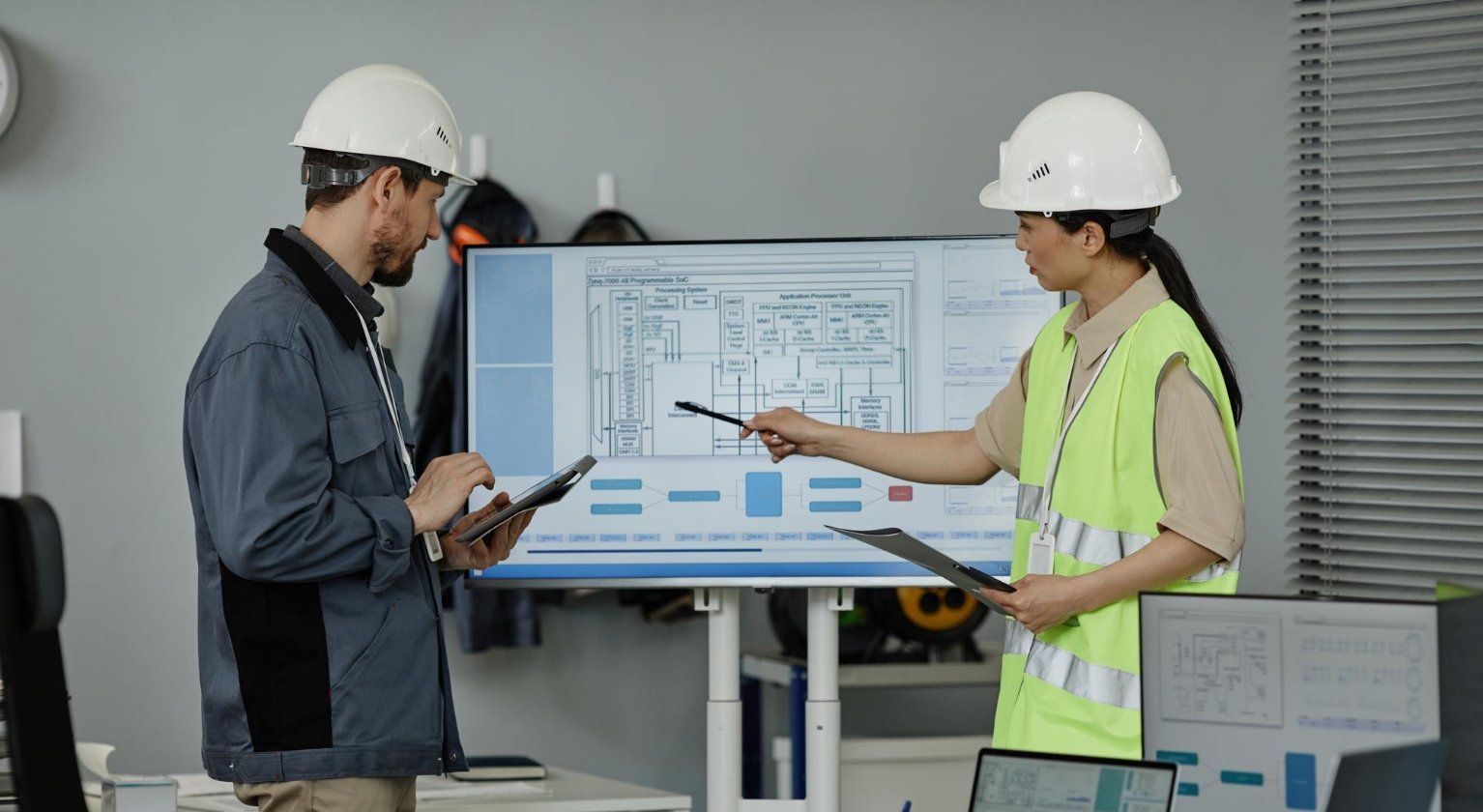
Using BIM also enables construction managers to share project information or data with other professionals to remain on the same page, enhancing communication and collaboration. Typically, BIM construction management allows improved and streamlined processes within all construction phases and efficient ways to track and manage the progress.
This also helps to ensure that the project or the construction stage is under budget constraints while keeping the material in the desired quantity. As continuous growth in technology is reshaping the AEC landscape, the future of BIM project management is progressive and uncertain for many reasons. Since the 3D digital model offers to enhance accuracy and efficiency, on the other hand, it is yet to be fully developed in the BIM capabilities and how the AEC sector will widely adopt it.
Since building information modeling has become a revolutionary digital tool, it is advisable to choose top BIM companies in India that can efficiently cater to the process while the construction company can focus on the other multiple tasks that demand attention and focus. Uniquescadd is one of the top BIM consulting services providers for a variety of clients settled internationally. The team of experts ensures the project is approached within the streamlined and required guidelines while maintaining the budget constraints.
Last Remarks
As the architecture and construction industry is open to evolving more according to emerging innovation, BIM will continue to play a crucial role in construction management for AEC professionals to attain its benefits. Adopting BIM project management in modern architecture will deliver enhanced, accurate, and efficient project outcomes while ensuring the least material wastage and maintaining budget lines.
FAQ

How does BIM change traditional construction project management?
Traditional construction management relies on flat, fragmented 2D drawings that lead to misaligned data between separate architectural, structural and mechanical trades. BIM offers CDE that offer key insights to the project and synchronize the workflow.
What is the role of BIM in pre construction planning and risk mitigation?
BIM is vital during the pre construction phase as it allows managers to run automated clash detection. By combining architectural and MEPF frameworks into one model, reduce scope errors and unexpected schedule delays.
What do 4D and 5D BIM mean in project management?
BIM goes beyond 3 dimensional space to integrate time and cost which is 4D (scheduling) and 5D (time) ensuring all the involved stakeholders are updated with real time information, minimize financial errors and optimize resource allocation.
Can BIM help construction managers track multi-phase logistics on site?
With help of cloud cased collaboration, project managers can cross refer actual on site progress with a 3D digital model. This visual manages complex site logistics, coordinating material delivery windows, scheduling paths and workflows.
Why do general contractors outsource their BIM management services?
Deploying an in house BIM infrastructure requires a substantial capital investment in talent hiring, software license, infrastructure expense and more. Outsourcing partnership allows AEC firms to have quick access to technology, talent and ensure project delivery on time.