The Challenge
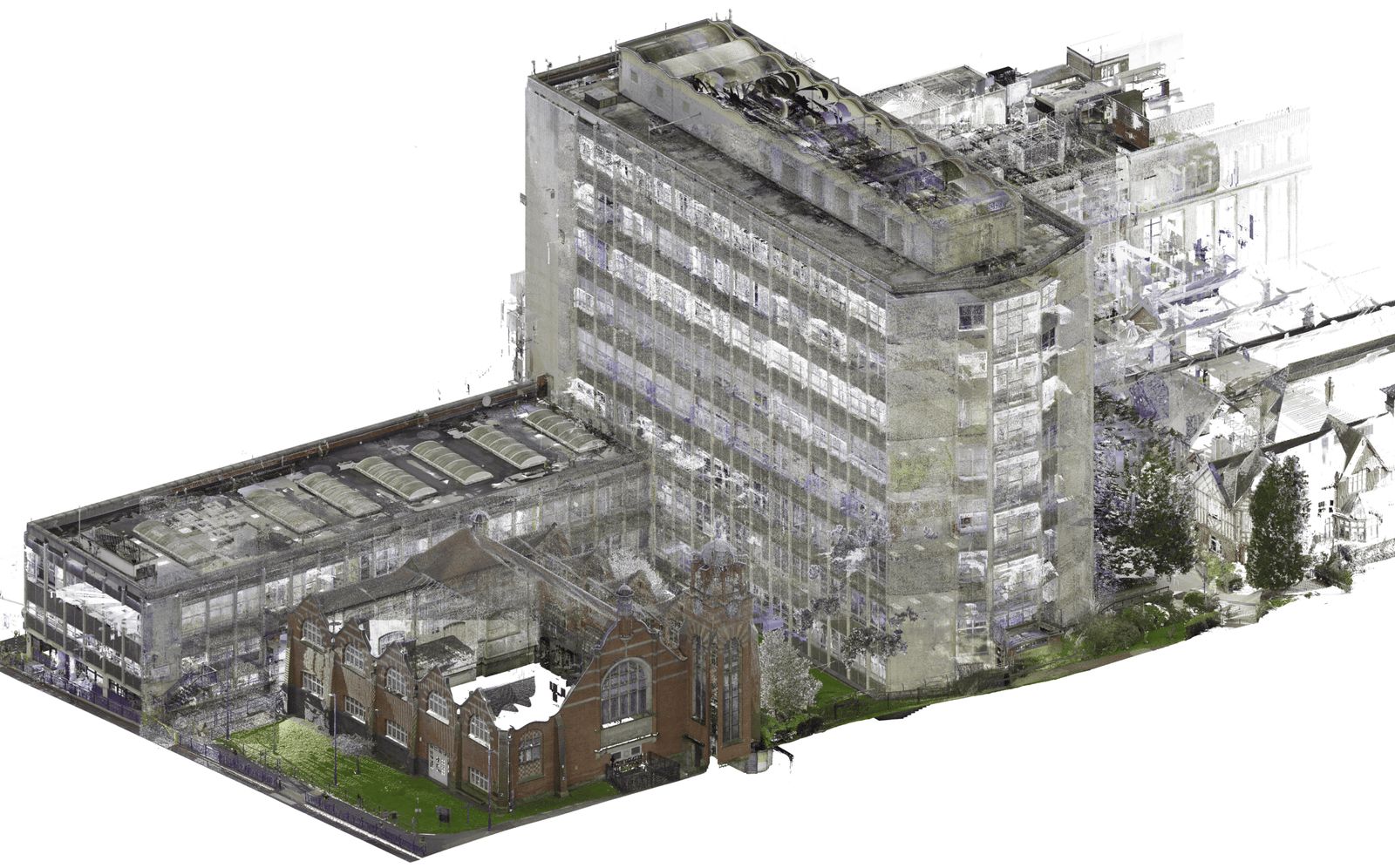
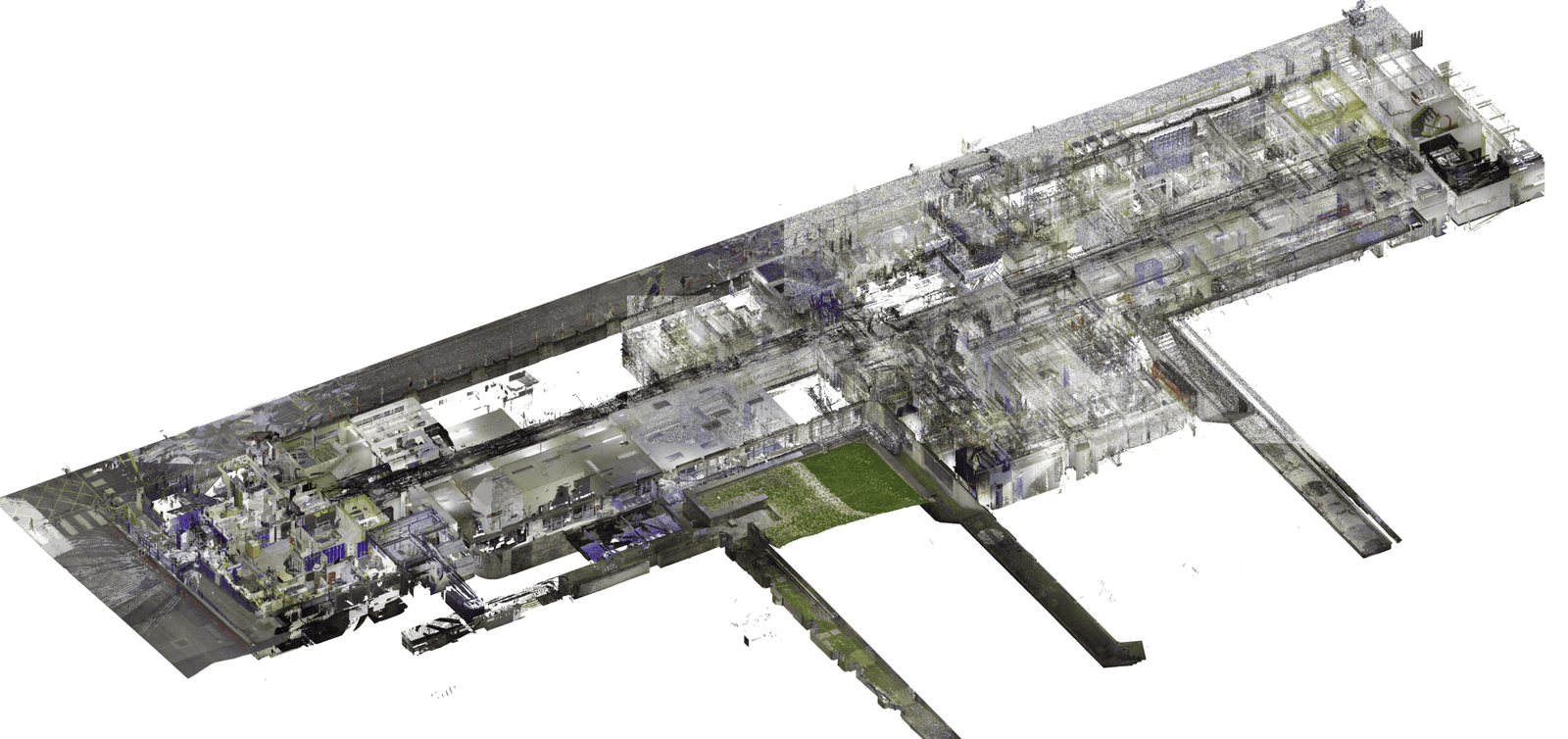
- Filtering through significant “noise” and artifacts within the 3D point cloud files to ensure modeling accuracy.
- Differentiating between architectural finishes and core structural elements within dense, overlapping scan data.
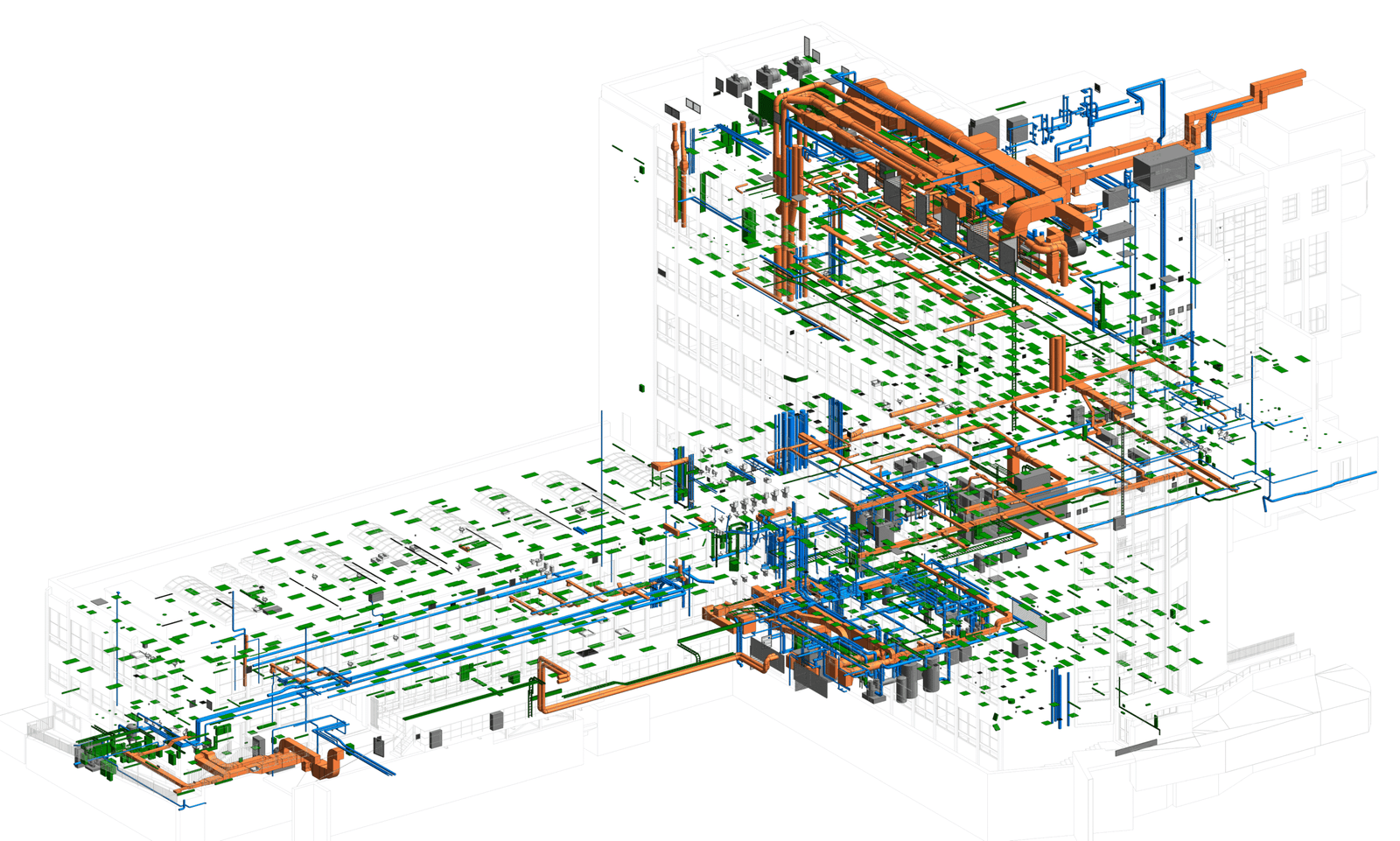
- Positioning HVAC, piping, and electrical systems at precise locations for coordination without over-modeling beyond the LOD 300 scope.
- Efficiently processing and loading massive point cloud datasets within the Revit environment to prevent software lag.
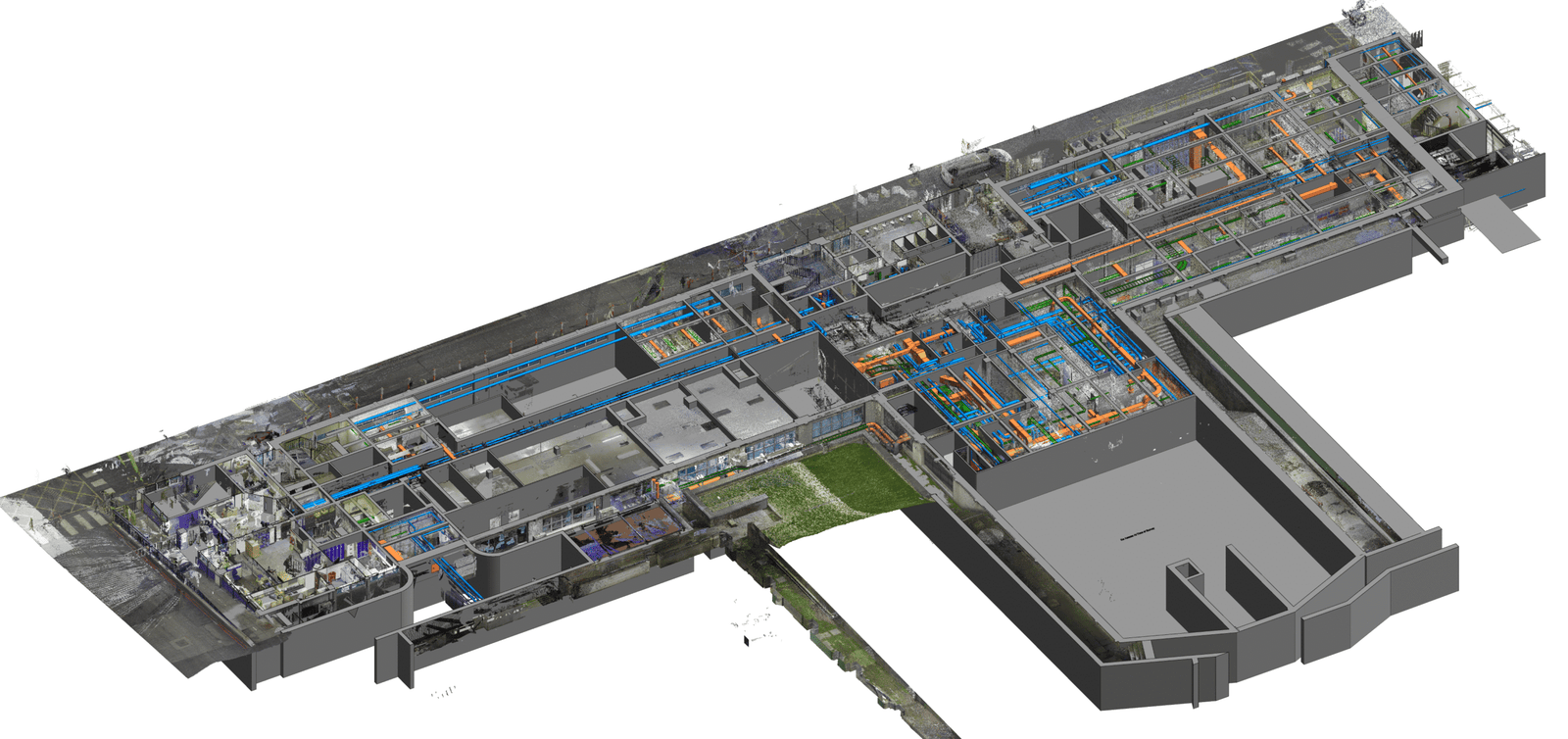
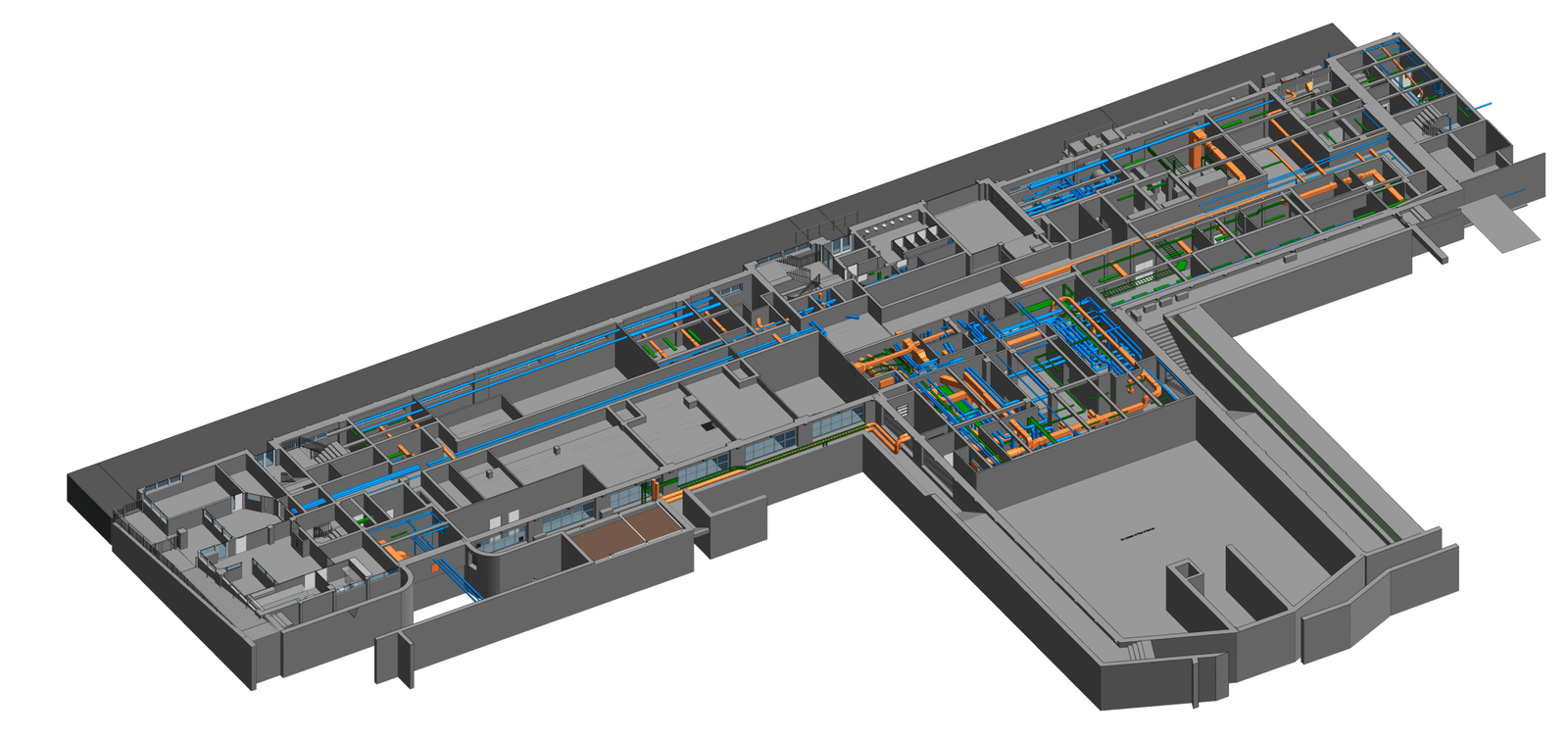
- Synchronizing the Architectural, Structural, and MEPF models to maintain a cohesive federated file.
- Ensuring teams maintained the specific detail levels required for design validation without drifting into shop-drawing complexity.
The Solution
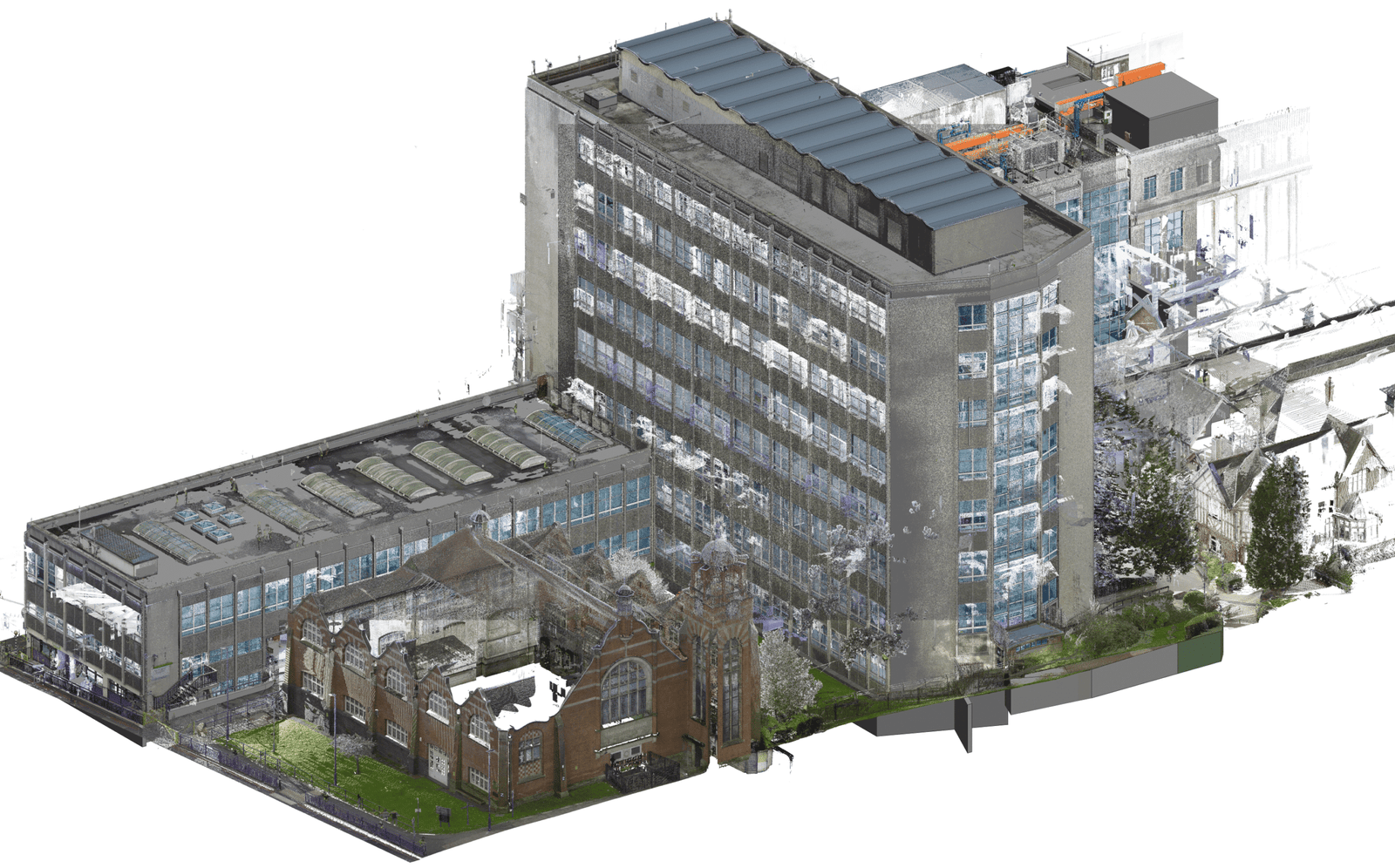
- Leveraged specialized software tools to extract precise geometry and alignments directly from the scanned point cloud.
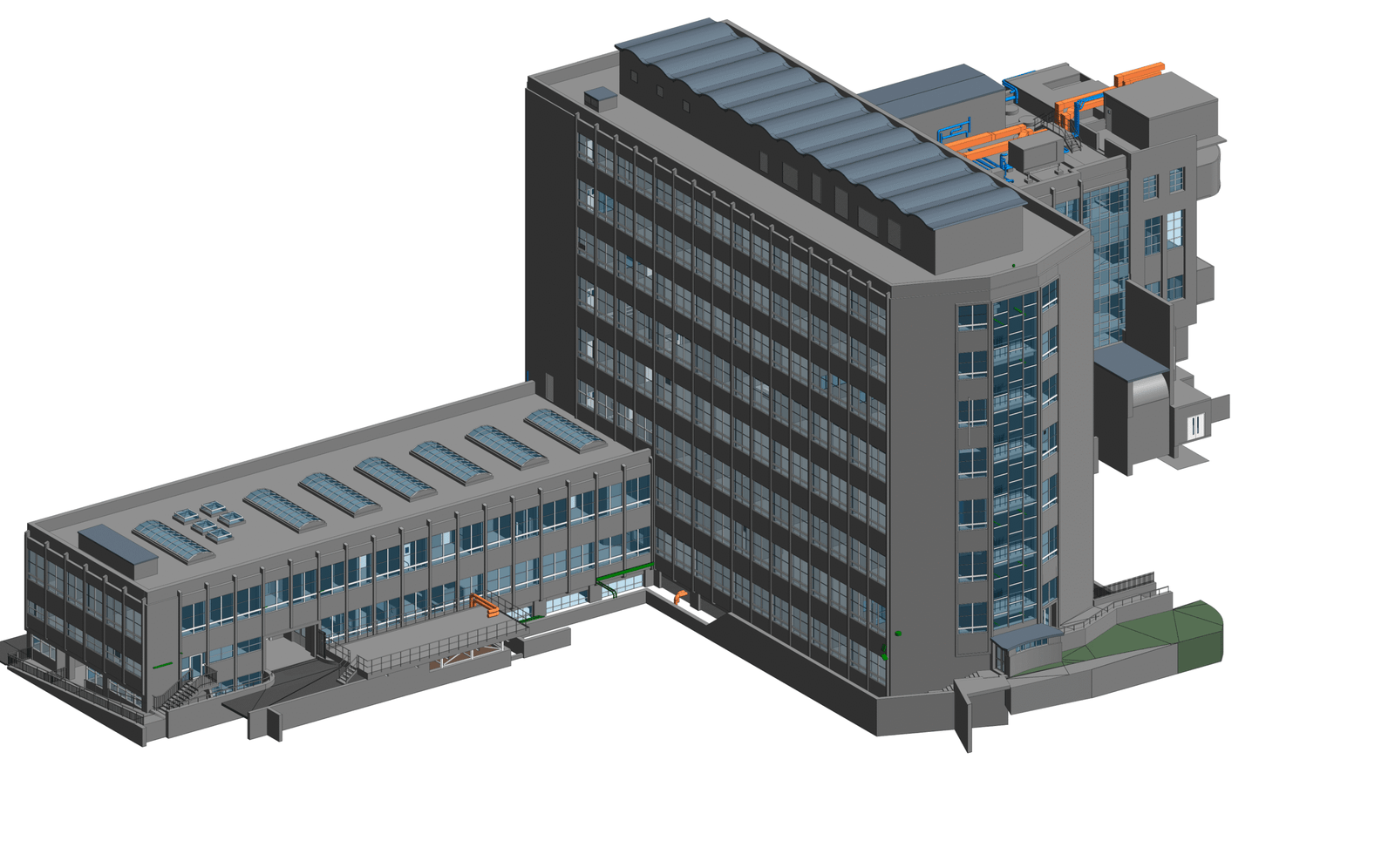
- Developed comprehensive Revit models for Architecture and Structure based on the verified scan geometry.
- Modeled HVAC ducts and cable trays at accurate spatial coordinates to facilitate future design review.
- Combined all separate discipline models into one master file to allow for holistic project visualization.
- Established a structured scan-to-BIM conversion process to streamline manual modeling efforts.
- Implemented strict adherence to LOD 300 requirements to balance model utility with production efficiency.