The Challenge
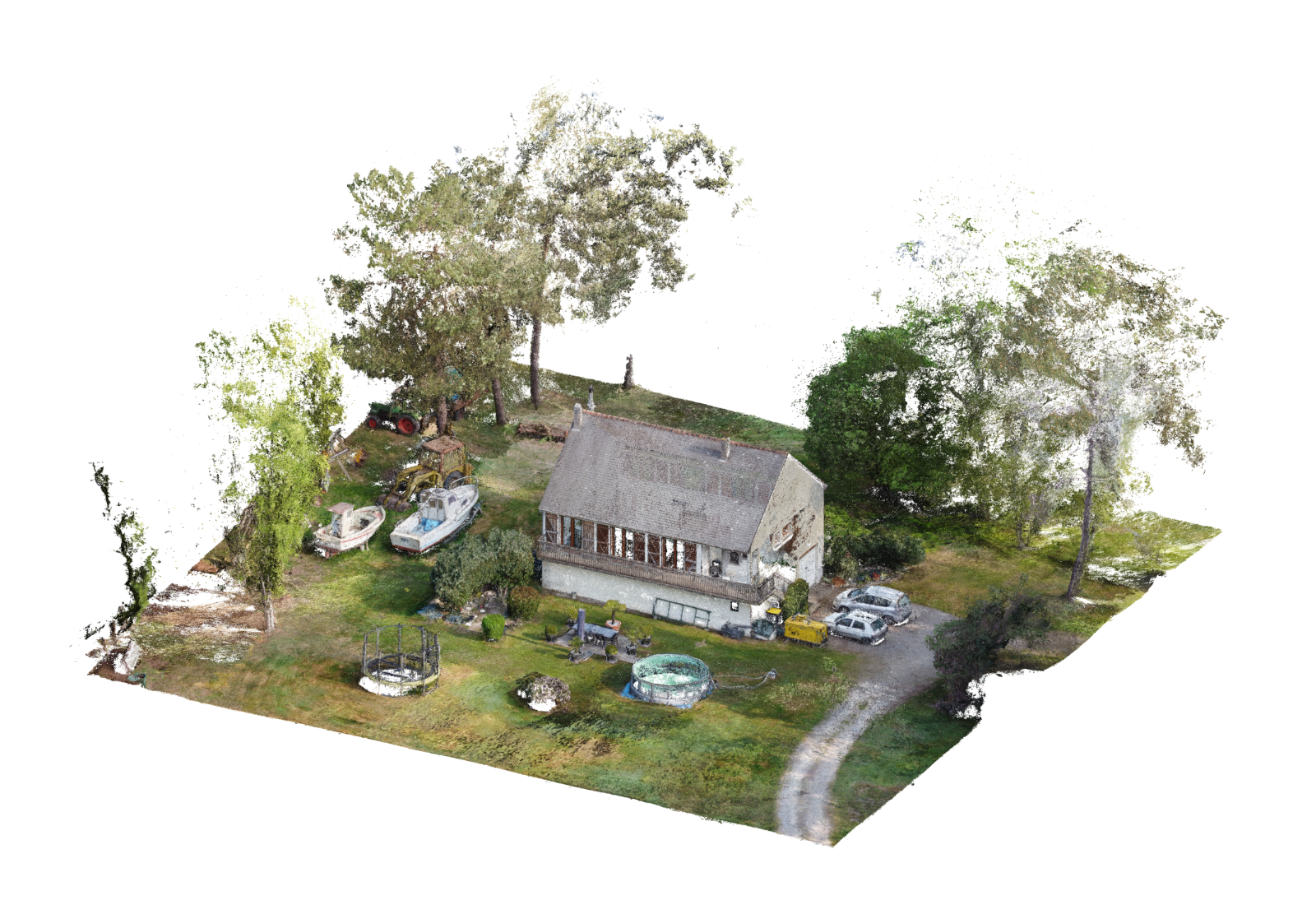
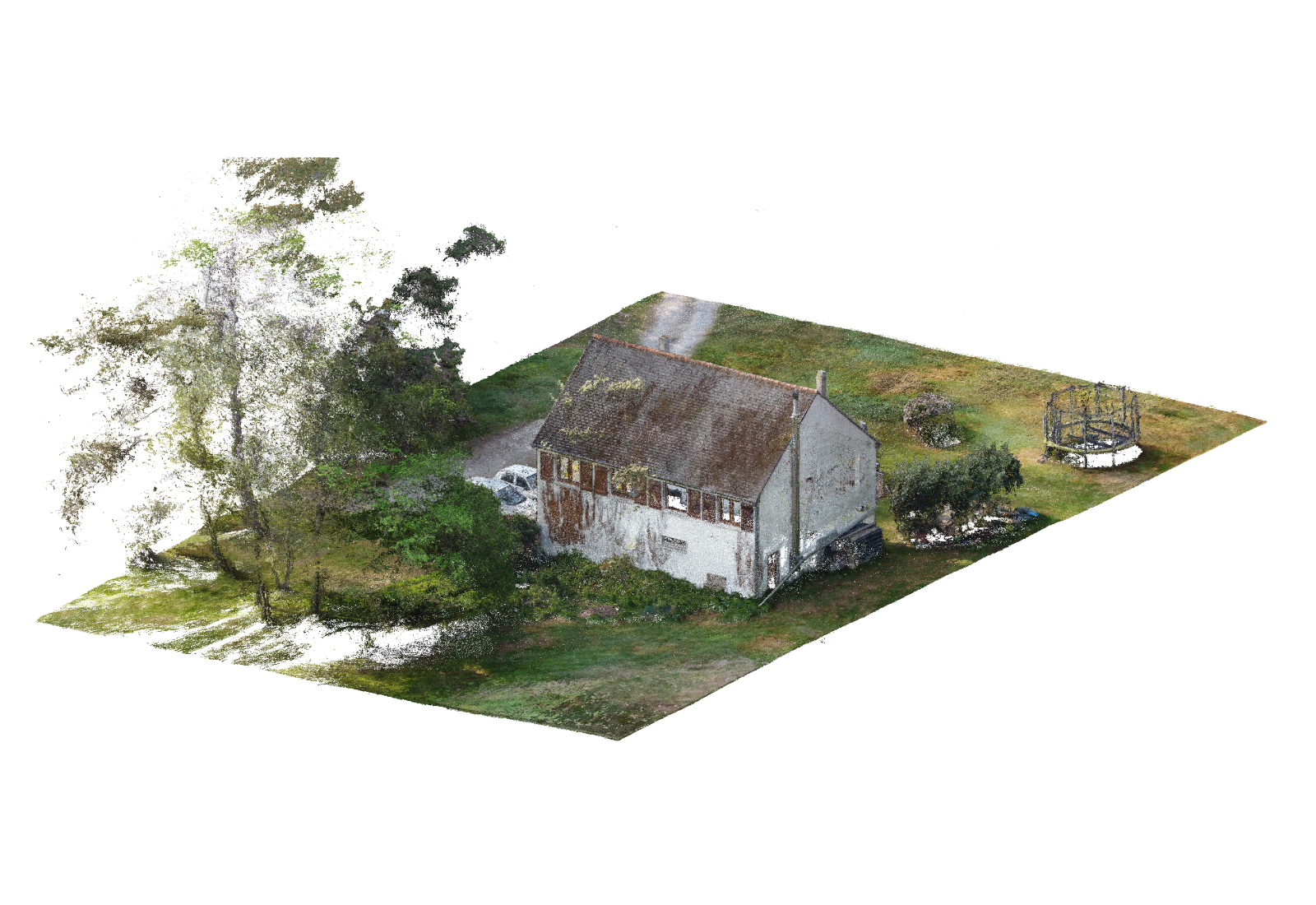
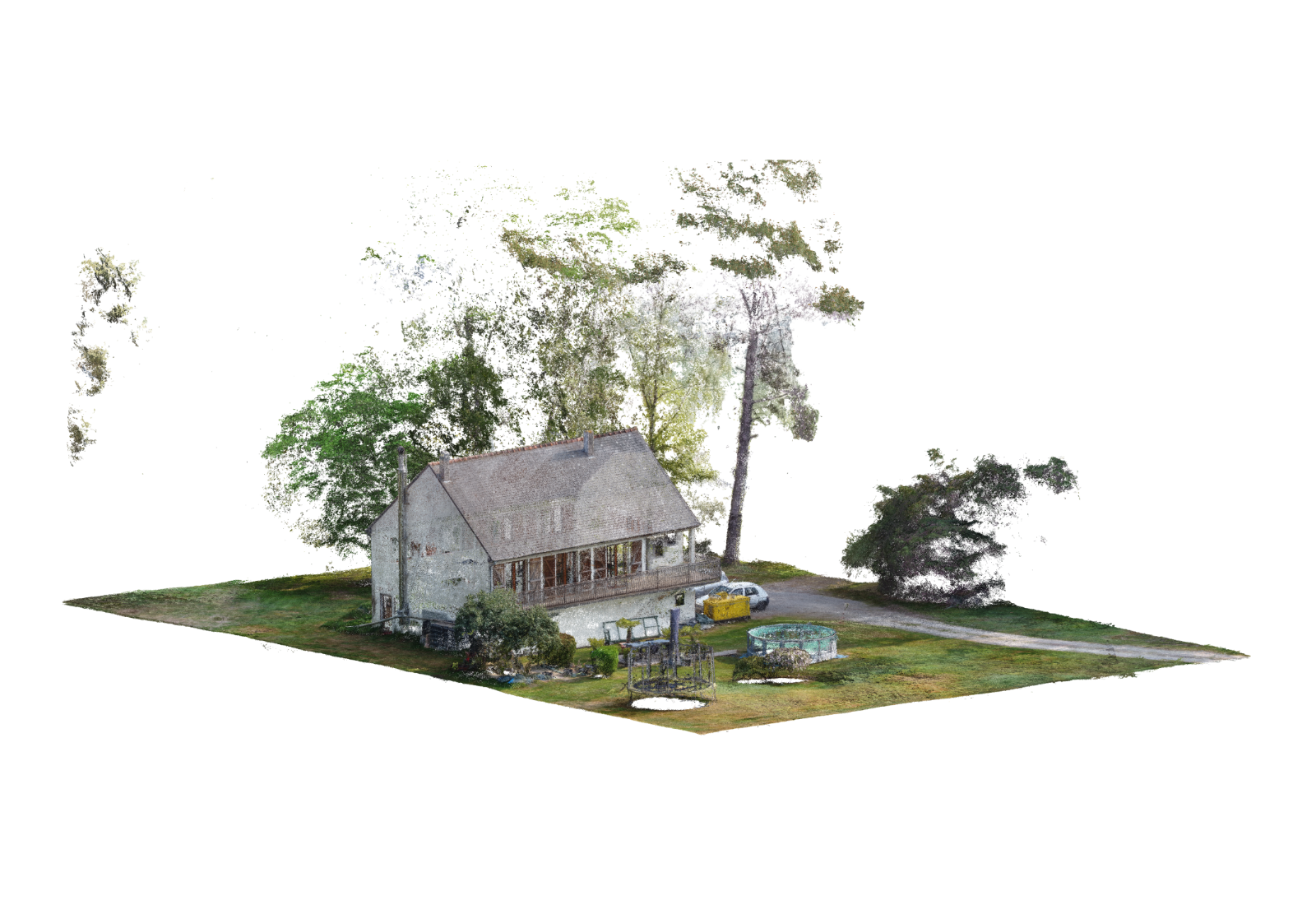
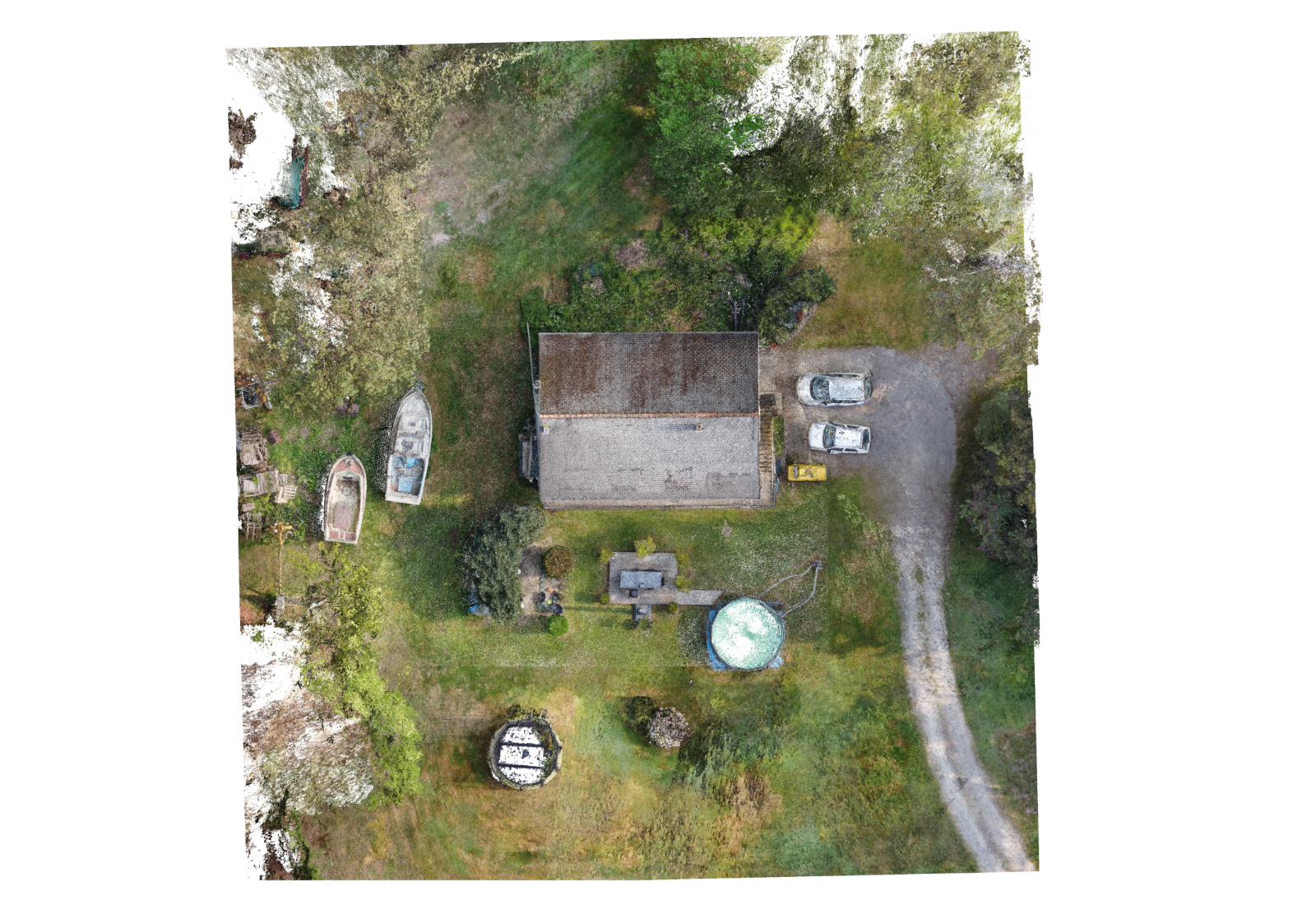
- Processing raw laser scan data (RCP files) into a clean, workable BIM environment without losing structural nuances.
- Identifying and modeling existing structural deviations and “as-built” irregularities common in older residential properties.
- Ensuring the digital model maintained high precision to serve as a reliable “single source of truth” for architects.
- Capturing intricate interior and exterior architectural elements within a specified Level of Development (LOD 300).
- Working within a condensed timeframe to provide the model before the commencement of the renovation design phase.
- Translating non-standard building geometries into functional Revit families and components for future modifications.
The Solution
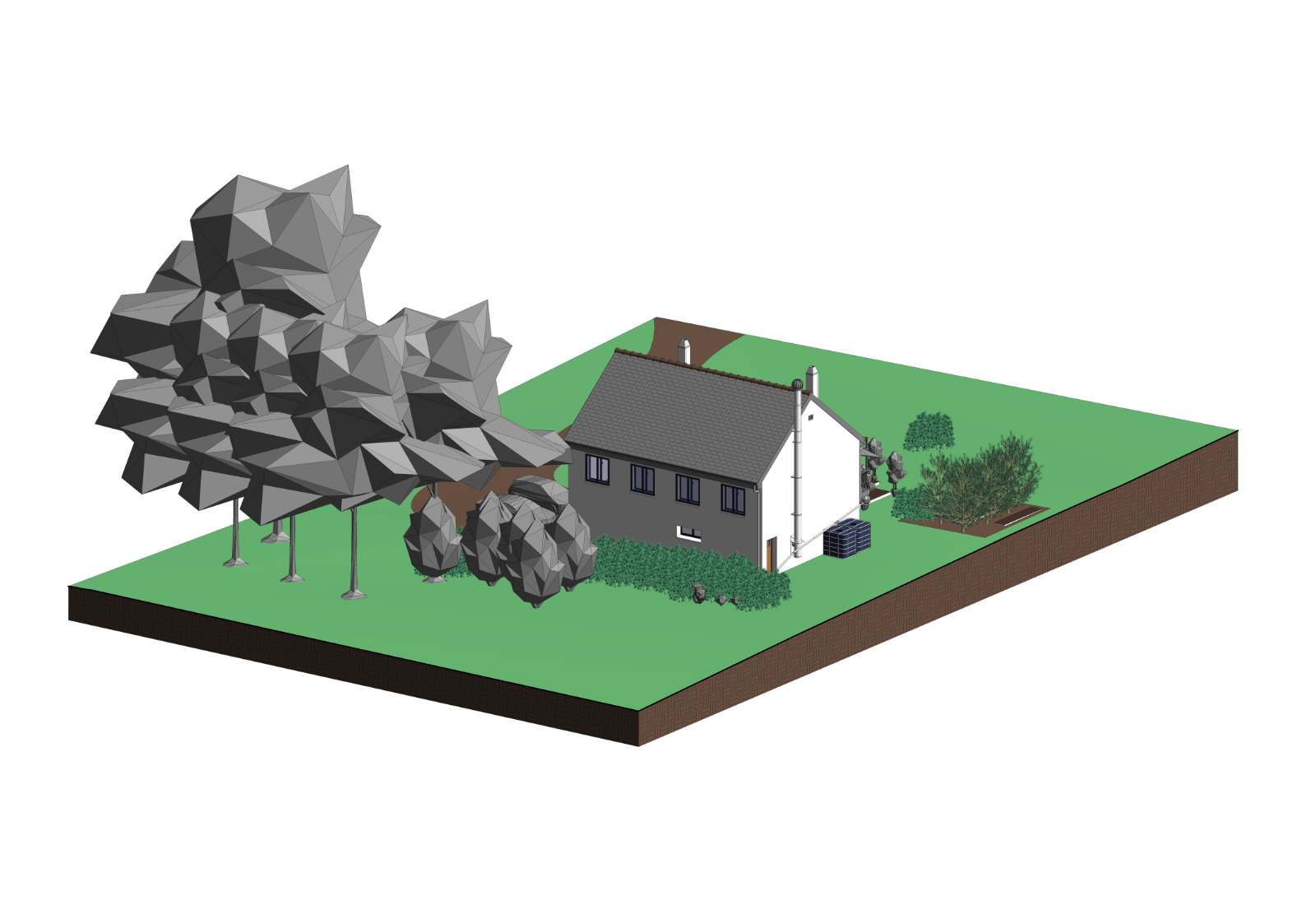
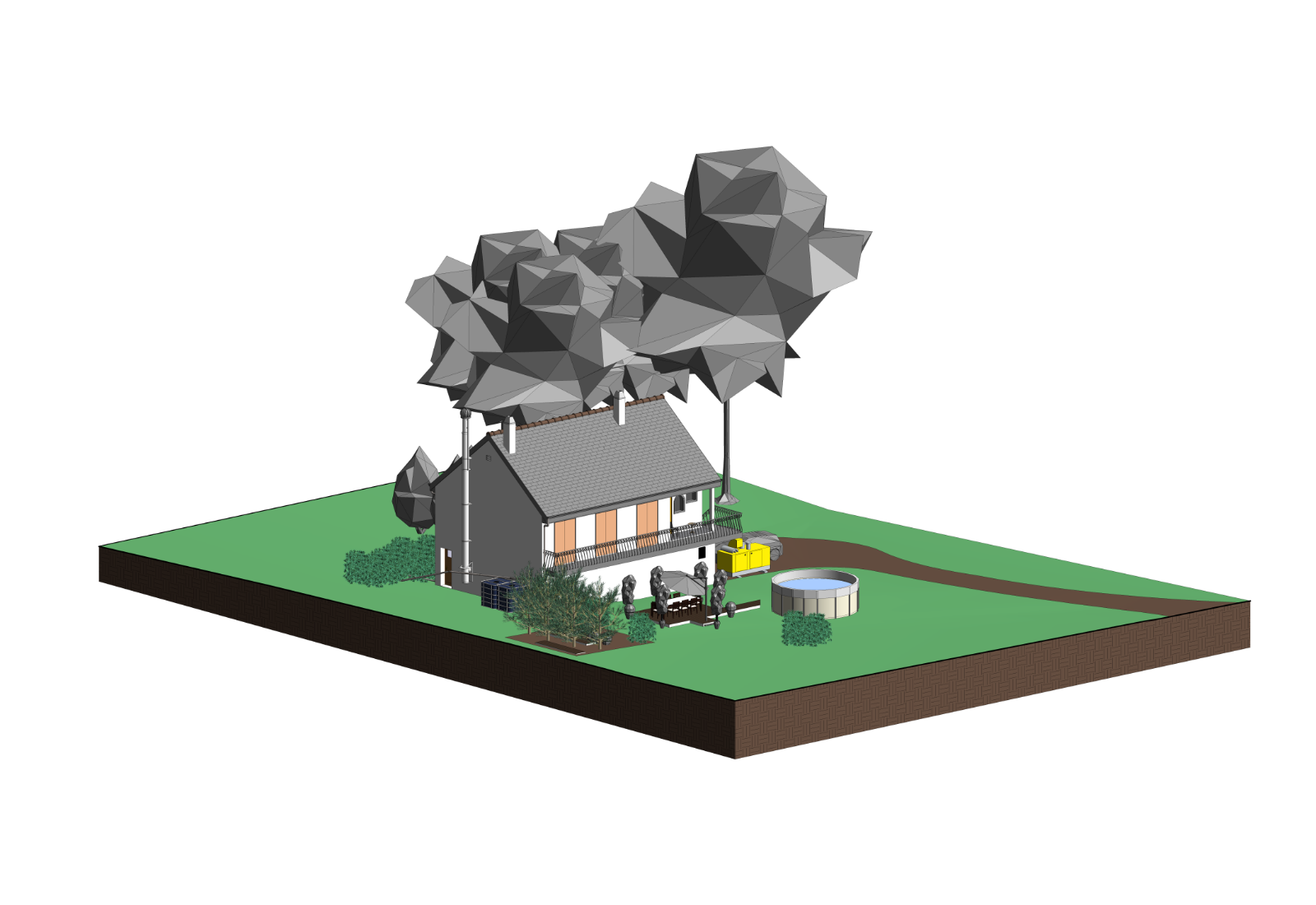
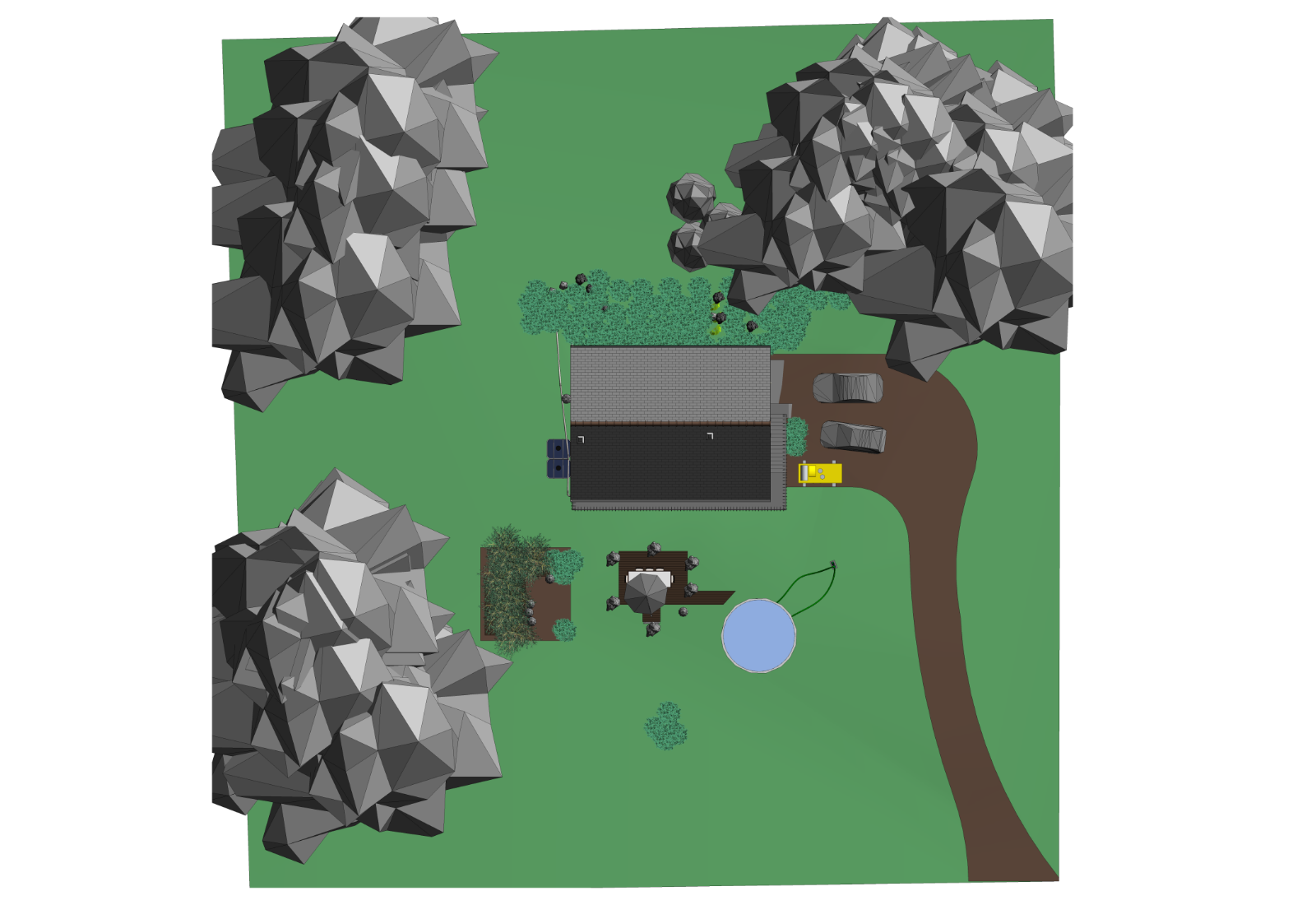
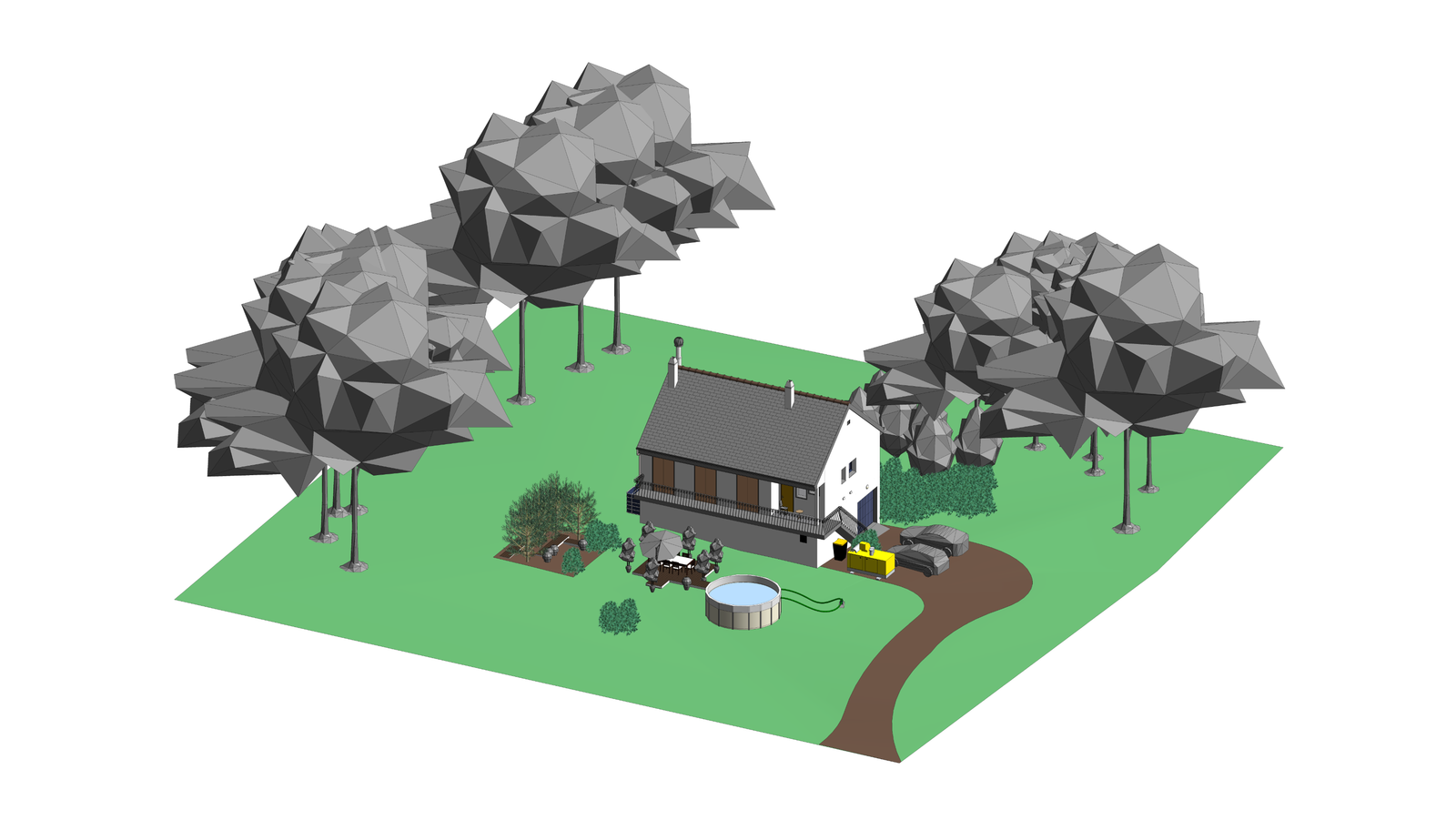
- Executed a comprehensive Scan-to-BIM workflow to transform physical site measurements into a data-rich 3D model.
- Developed a detailed Digital Twin that accurately reflected the existing state of the building’s walls, floors, and openings.
- Applied rigorous data validation protocols to cross-reference the point cloud with the 3D geometry for 100% accuracy.
- Organized the BIM model with clear parameters and naming conventions to facilitate ease of use for the design team.
- Integrated high-resolution visual data from the scans to ensure aesthetic details were correctly represented in the model.
- Collaborated closely with the client to define the specific technical requirements needed for the renovation’s structural analysis.